
Anti-Gravity Wheel Explained
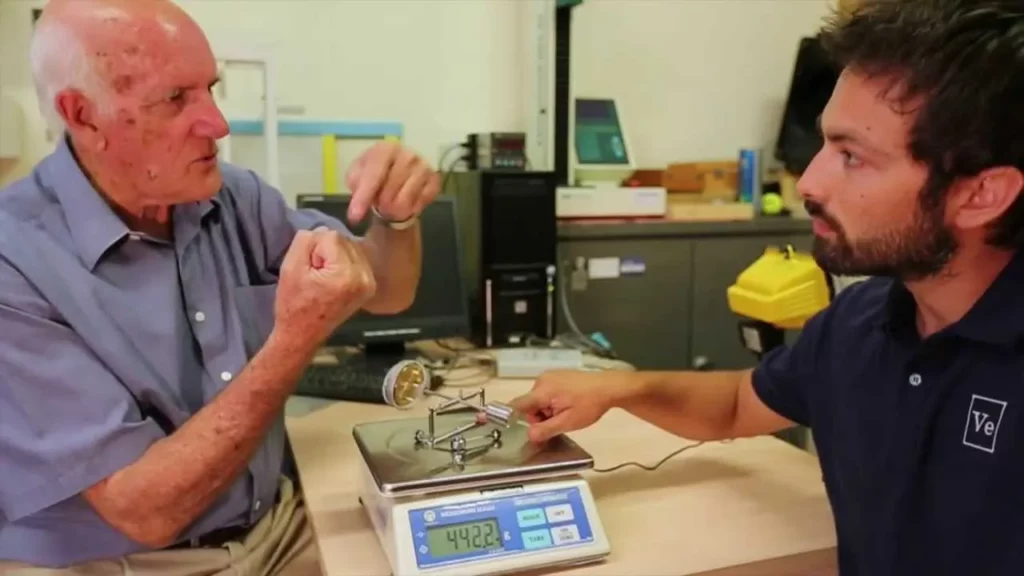
The lesson explores the intriguing phenomenon of a spinning wheel feeling lighter when lifted, despite its weight remaining constant. Through a demonstration, it reveals that the dynamics of forces at play, particularly the concept of precession, allow for easier lifting of a spinning wheel by reducing the need for counteracting torque. This highlights the complexities of motion and challenges our intuitive understanding of weight and force in physics.
Misconceptions About Temperature

The lesson explores the science of temperature perception, highlighting how our sensations of warmth and cold can be influenced by the thermal conductivity of materials rather than their actual temperatures. Through experiments comparing metals and plastics, it demonstrates that materials like aluminum can feel colder because they conduct heat away from our skin more efficiently than materials like paper or plastic. Understanding these principles helps us appreciate the nuances of temperature perception in our daily interactions with different materials.
Gyroscopic Precession
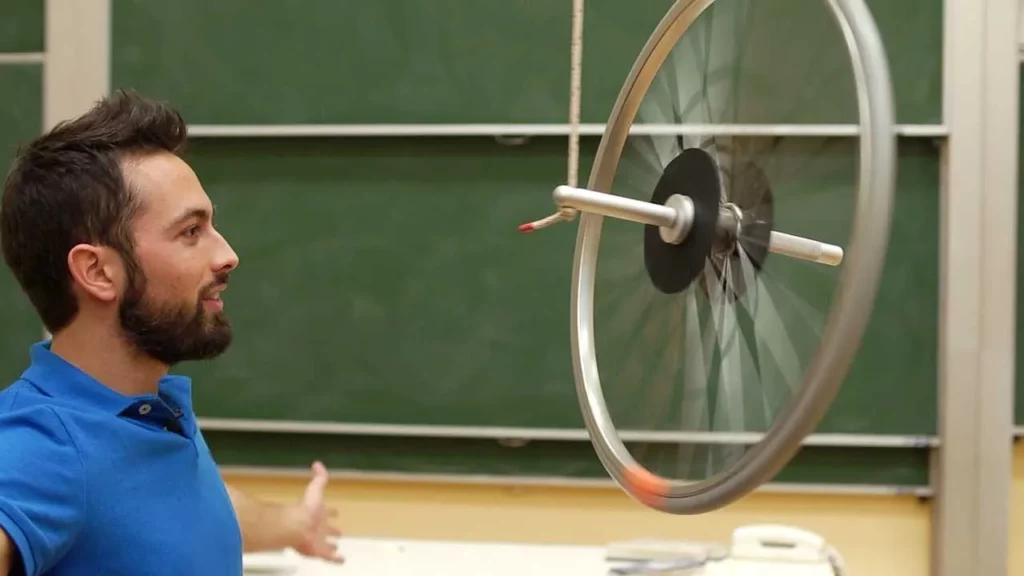
The lesson on gyroscopic precession explains the relationship between torque and angular momentum through practical demonstrations, particularly using a spinning wheel. It emphasizes the importance of understanding vectors in physics, illustrating how applied torque can influence the direction of angular momentum, resulting in the unique behavior of gyroscopic precession. This concept is not only fundamental in physics but also has real-world applications, such as in the mechanics of helicopters.
Where Do Trees Get Their Mass?

The lesson explores the surprising sources of tree mass, revealing that while many believe trees primarily derive their mass from soil, most of it actually comes from carbon dioxide in the air. Historical experiments, particularly by Johann Baptist Van Helmont, demonstrate that trees absorb nutrients slowly from the soil, allowing it to recover, while sunlight and air play crucial roles in their growth through photosynthesis. This interconnectedness highlights the relationship between trees and humans, emphasizing the importance of understanding our ecosystem.
What is a Force?
The lesson highlights how Star Wars transcends its status as a mere film series to become a significant cultural phenomenon that imparts valuable insights into storytelling, mythology, and philosophy. Through its compelling narratives and archetypal characters, the franchise explores universal themes such as good versus evil and the importance of choices, while also influencing various aspects of culture and sparking discussions on broader societal issues. Ultimately, Star Wars serves as a rich source of knowledge that continues to inspire and educate audiences worldwide.
Where Does The Sun Get Its Energy?
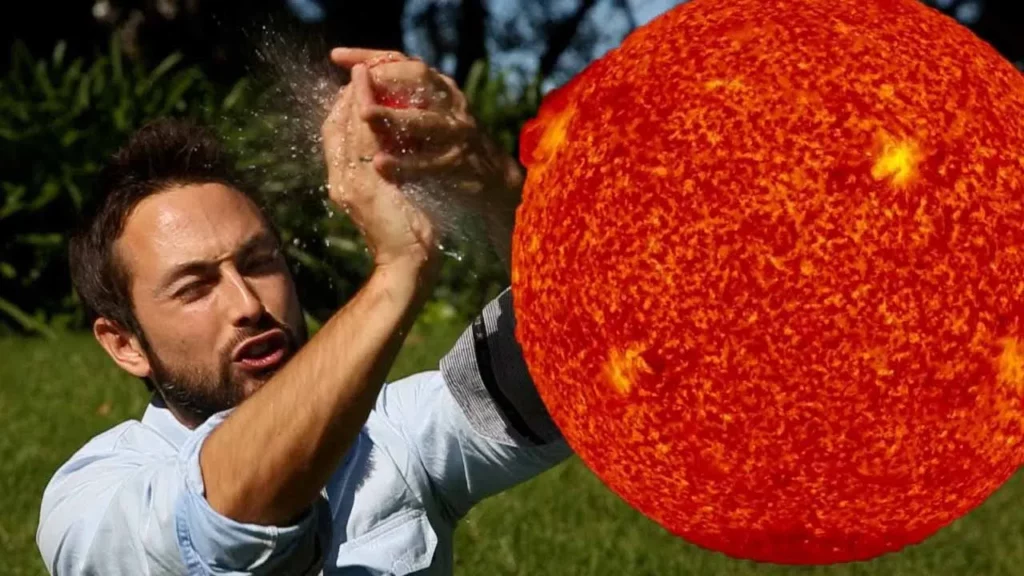
The lesson explains that the Sun shines due to the process of nuclear fusion occurring in its core, where protons collide and fuse to form helium, releasing vast amounts of energy in the process. This fusion is facilitated by the extreme temperatures within the Sun, which allow protons to overcome their natural repulsion and combine, converting a small amount of mass into energy as described by Einstein’s equation, \(E=mc^2\). Understanding this fundamental process not only illuminates the workings of our star but also enhances our knowledge of the physics governing the universe.
5 Fun Physics Phenomena
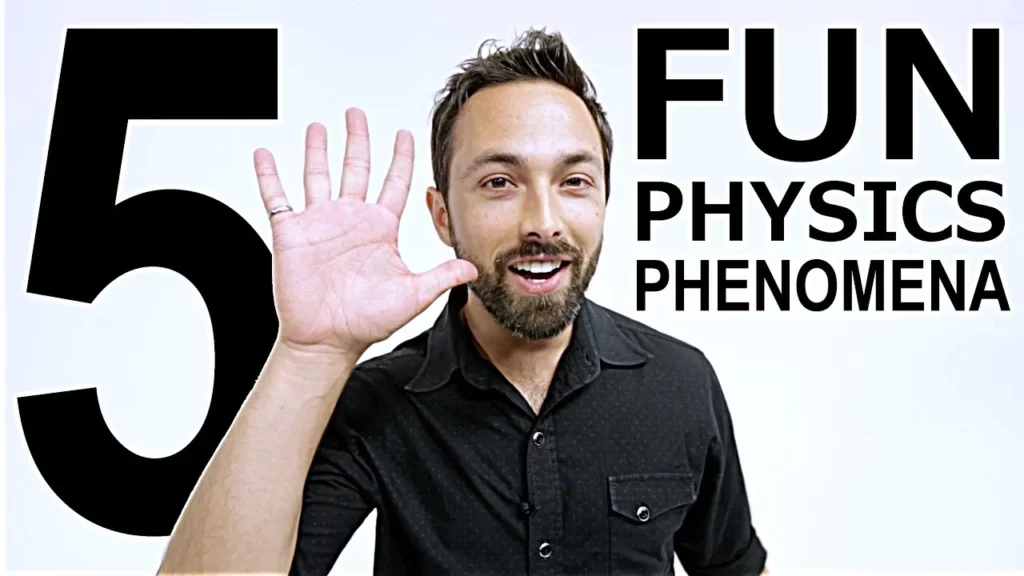
This lesson introduces five engaging physics experiments that illustrate fundamental principles in a fun and interactive way. From exploring the center of mass and the complexities of angular momentum to demonstrating electric fields and magnetic properties, each experiment provides a hands-on opportunity to understand key concepts in physics. The activities not only entertain but also encourage curiosity and further exploration of scientific principles.
In high jump, your centre of mass goes under the bar

The lesson explores high jumping techniques, particularly the Fosbury Flop, which revolutionized the sport by allowing athletes to clear greater heights with improved efficiency. It highlights the key components of the technique, such as the J-shaped run-up and body positioning, while contrasting it with older methods like the straddle and scissor jumps. The lesson emphasizes the physics behind the Fosbury Flop, illustrating how it enables jumpers to maximize their performance by allowing their center of mass to pass below the bar.
How Does A Sailboat Actually Work?

The lesson on “Understanding the Physics of Sailing” explores the intricate science behind how sailboats operate, emphasizing the importance of wind direction and sail positioning for optimal speed. It explains techniques like tacking to sail against the wind, the mechanics of sail movement akin to airplane wings, and the critical roles of the centerboard and rudder in maintaining stability. Ultimately, the lesson highlights how mastering these principles allows sailors to enhance their skills and enjoy the thrill of sailing.
How To Make Graphene
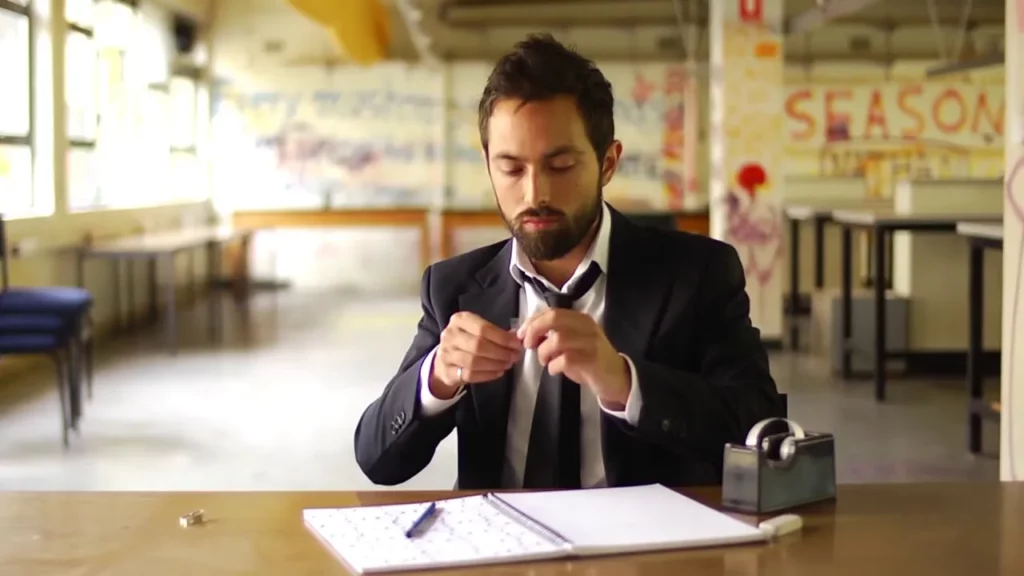
The lesson explores the fascinating world of nanotechnology, focusing on the creation and properties of graphene, a remarkable material that is both incredibly thin and strong while also being an excellent conductor of heat and electricity. It highlights the groundbreaking discovery made by physicists Andre Geim and Konstantin Novoselov in 2004, who isolated graphene using simple materials like graphite and scotch tape, leading to significant advancements in various fields. The lesson emphasizes the vast potential applications of graphene, from flexible touch screens to energy-efficient computers, showcasing the innovative possibilities that arise from working at the nanoscale.