
What Do You Hear?
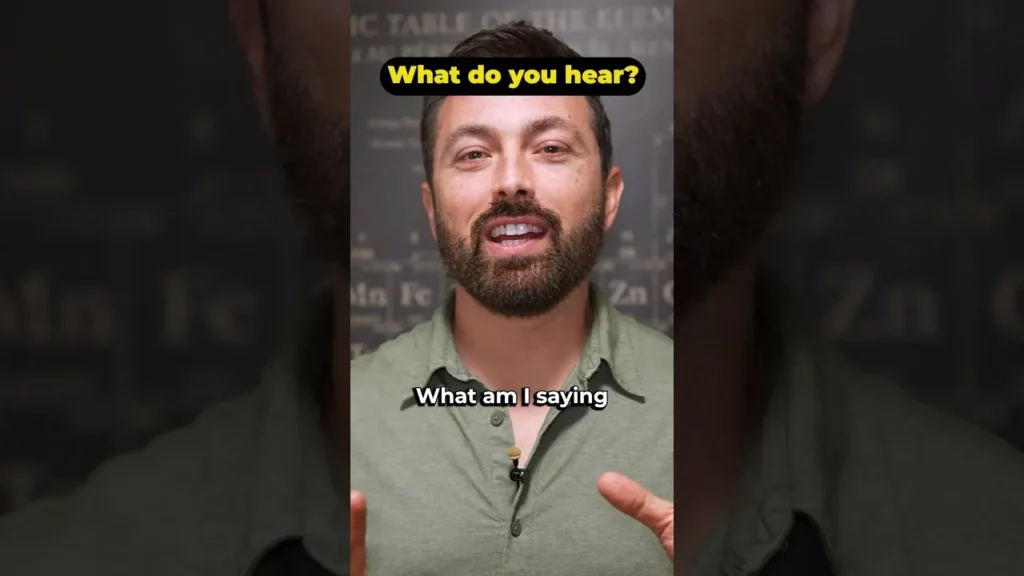
The lesson explores the intricate relationship between sight and sound, highlighting how our senses interact to shape our perception of reality. Through examples like the “Bear Illusion” and visual-auditory interactions, it demonstrates that our brains integrate visual and auditory information, leading to different interpretations of the same stimuli. This understanding emphasizes the importance of sensory collaboration in how we experience and make sense of the world around us.
How Does A Wing Actually Work?
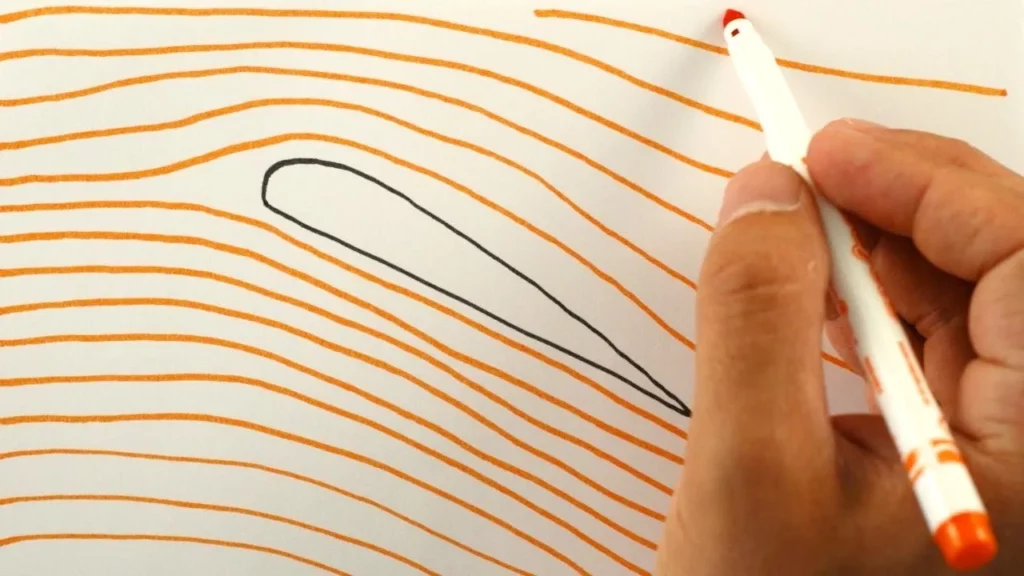
This lesson explores the science of aerodynamics and how wings generate lift, emphasizing that it’s not just about wing shape but also involves air deflection and pressure differences. While Bernoulli’s principle explains lift through pressure variations, Newton’s laws highlight the role of air deflection, offering a comprehensive understanding of flight mechanics. Ultimately, the lesson reveals that the process of lift is complex and multifaceted, enhancing our appreciation for the science behind how airplanes fly.
World’s First Electric Generator

This lesson demonstrates electromagnetic induction through a simple experiment involving a magnet and a copper pipe. As the magnet is dropped through the pipe, it slows down due to the formation of eddy currents in the copper, which generate a magnetic field that opposes the magnet’s descent. This experiment illustrates the transformation of gravitational potential energy into electrical energy and highlights the foundational principles of electricity generation discovered by Michael Faraday.
Why Are Astronauts Weightless?
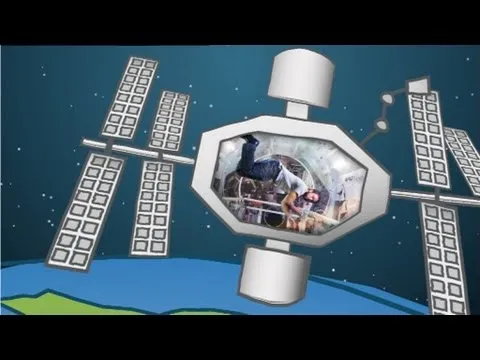
The lesson explains that astronauts float in space not because there is no gravity, but due to the phenomenon of free fall. While gravity is still present at the altitude of the International Space Station (ISS), astronauts and the ISS are in a continuous state of free fall towards Earth, moving forward at high speeds, which creates the sensation of weightlessness. This balance between gravitational pull and forward motion is what allows astronauts to experience floating in space.
Can You Solve This Shadow Illusion?

In this lesson, we explore the fascinating relationship between light and shadows through a hands-on experiment using cards with holes of different shapes. Participants are surprised to find that the shadows cast are often circular, regardless of the shape of the hole, prompting discussions about how light behaves and how our perception can be influenced by distance and clarity. Ultimately, the experiment highlights the predictable nature of light while also revealing the intriguing ways our eyes interpret shapes in the world around us.
What Forces Are Acting On You?
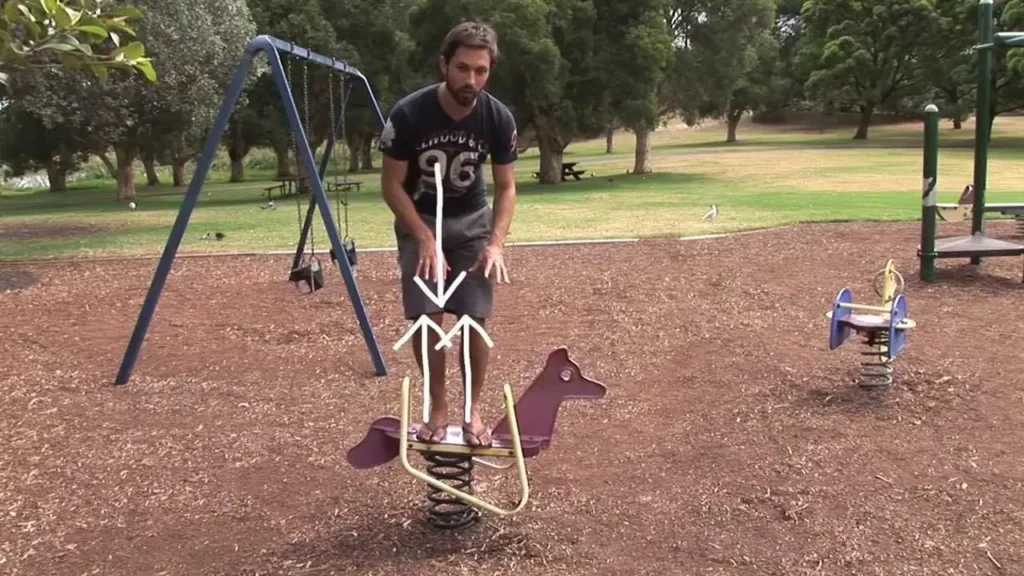
This lesson introduces the concept of free body diagrams as a tool for visualizing the forces acting on an object, particularly focusing on the gravitational force pulling downward and the normal force pushing upward from the ground. It explains how these two forces balance each other to keep an object stationary, emphasizing the importance of understanding these interactions in the study of physics and motion. By using free body diagrams, one can gain a clearer understanding of how these forces influence everyday experiences.
Does Pressure Melt Ice?

In the lesson “Discovering Regelation: A Cool Ice Experiment,” students learn about the phenomenon of regelation, where ice melts under pressure and refreezes when the pressure is removed. By conducting a simple experiment using a guitar string and a block of ice, participants observe how the string cuts through the ice as it is weighted down, demonstrating the transformation between solid and liquid states due to pressure changes. This engaging activity highlights fundamental physics concepts and illustrates the practical applications of regelation, such as in making snowballs.
What’s in a candle flame?

The lesson explores the intriguing electrical properties of candle flames, highlighting their ability to conduct electricity more effectively than air due to the presence of ions generated during combustion. When exposed to an electric field, these ions move towards charged plates, resulting in a larger spark compared to air. Additionally, the smoke produced by the flame also contains ions, further demonstrating the complex scientific behaviors associated with this seemingly simple phenomenon.
Atomic Theory

The lesson on the atomic hypothesis emphasizes its fundamental role in understanding the composition of all matter, asserting that everything around us is made up of tiny, constantly moving particles called atoms. It traces the historical roots of atomic theory back to ancient civilizations and highlights the significance of recognizing the limits of dividing matter, which underscores the importance of the atomic hypothesis in exploring the complexities of science and the universe. Ultimately, this foundational concept is essential for anyone interested in the natural world.
Congress is about to make a huge mistake for astronomy #SaveChandra
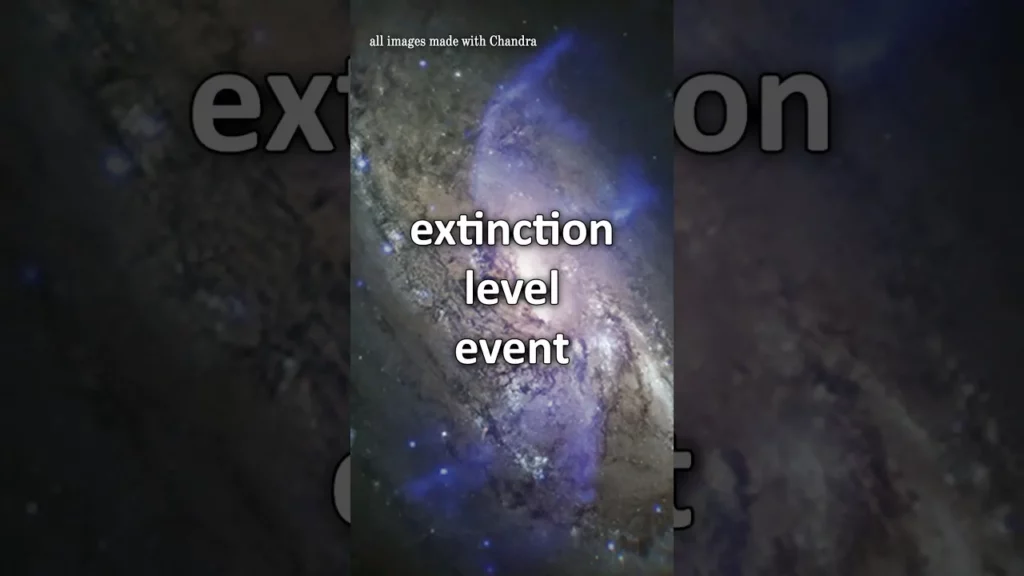
The lesson highlights the critical situation facing the Chandra X-ray Observatory due to proposed budget cuts that could severely impact X-ray astronomy. Despite its significant contributions to our understanding of cosmic phenomena, including the detection of gravitational waves and distant black holes, Chandra’s funding is at risk of being reduced by 40%, potentially leading to its shutdown. The lesson calls for action from the astronomical community and the public to advocate for Chandra’s preservation, emphasizing its irreplaceable role in scientific research.