
World’s Roundest Object

The lesson explores the significance of the world’s roundest object, which is a marvel of engineering made from pure silicon-28, designed to redefine the kilogram and enhance measurement precision. Holding this delicate object offers a unique experience, highlighting the advancements in science and the importance of accuracy in various fields. Ultimately, it serves as a symbol of humanity’s pursuit of precision and its impact on understanding the world.
Indestructible coating?!

In the Watermelon Drop Test, a group of friends conducted an experiment to observe the effects of gravity by dropping watermelons from a height of 45 meters. They discovered that while a regular watermelon shattered upon impact, a watermelon coated with a protective polymer bounced back and remained mostly intact on the outside, though its interior was damaged. This experiment highlights the interplay between gravity and material properties, demonstrating how protective coatings can influence the outcome of falls.
Raindrops aren’t shaped like raindrops

This lesson explores the dynamics of raindrops through experiments conducted in a wind tunnel, revealing how they form, move, and change shape as they fall. It highlights the unique spherical shape of raindrops, the effects of gravity and air resistance, and the behavior of larger droplets as they break apart. By understanding these processes, we gain a deeper appreciation for the science behind rainfall and its impact on our atmosphere.
How bikes *actually* work

The lesson explains how bicycles maintain stability without riders, emphasizing the importance of speed and dispelling the common misconception that gyroscopic effects are the primary reason for their balance. Instead, it highlights the bicycle’s self-steering design, which allows the handlebars to adjust automatically when the bike leans, helping to keep the wheels aligned with the center of mass. This understanding enhances appreciation for the engineering behind bicycles.
I buried myself in concrete to explain how it works

The lesson highlights the dangers associated with concrete, particularly its high alkalinity, which can cause severe chemical burns upon skin contact. It emphasizes the importance of safety precautions, such as wearing protective gear, when handling concrete to prevent injuries. Additionally, the lesson explores the unique properties of concrete, including its density, which can create unexpected experiences, reinforcing the need for awareness and caution.
Gorilla Fact File – Mammals
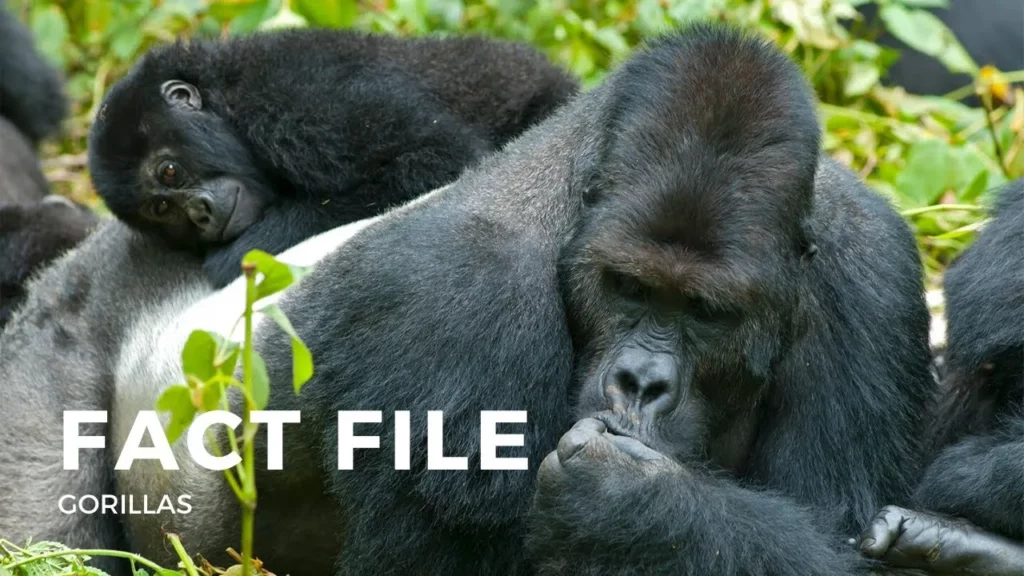
This lesson explores the fascinating world of gorillas, the largest primates in Africa, highlighting their two main types: mountain and lowland gorillas. It covers their social structure, physical characteristics, diet, habitat, reproduction, and conservation status, emphasizing the threats they face from human activities and the importance of protecting these remarkable animals to preserve their ecosystems.
Why are these Starfish Killing Themselves? | Weird Animal Facts 1
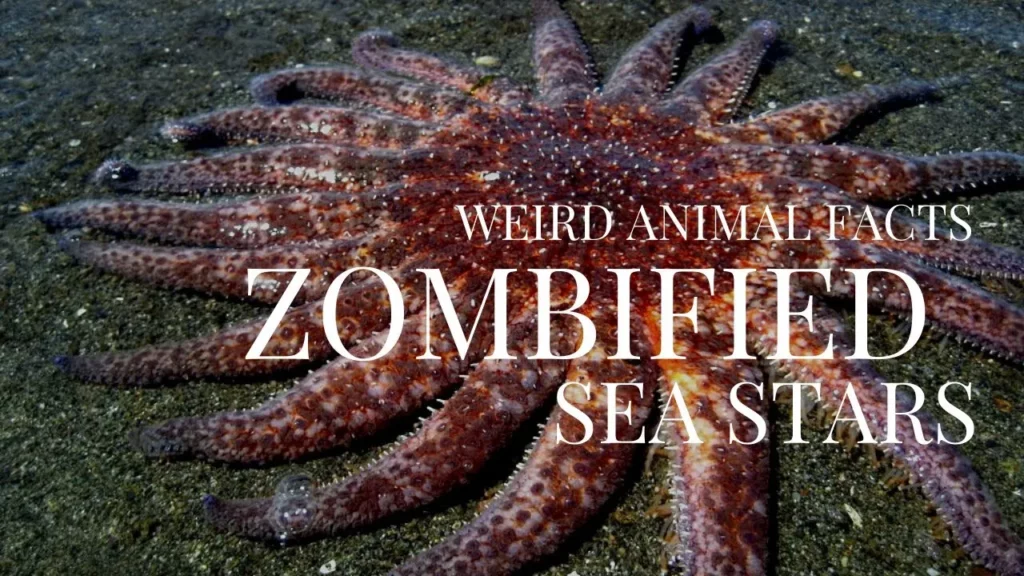
This lesson explores five fascinating and unusual animal facts that highlight the complexity of nature. From a plant that benefits from bats to the mysterious behavior of sea stars, these examples illustrate the intricate relationships and challenges within ecosystems, emphasizing the unpredictability and wonder of the animal kingdom. Each fact serves as a reminder of the ongoing discoveries in our understanding of wildlife and their environments.
What Is Symbiosis?
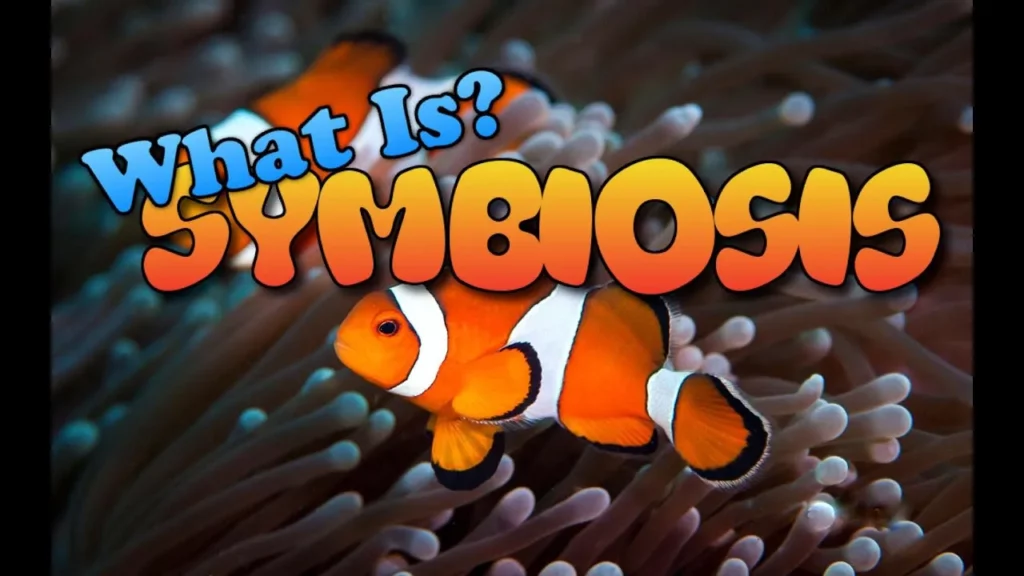
The lesson on symbiosis explores the various ways species interact and depend on one another, highlighting three main types of relationships: mutualism, parasitism, and commensalism. Mutualism benefits both species involved, parasitism benefits one at the expense of the other, and commensalism allows one species to benefit without affecting the other. Understanding these interconnected relationships is essential for appreciating the balance of ecosystems and the roles each species plays in maintaining environmental health.
Why is it Raining Fish? | Weird Animal Facts #2
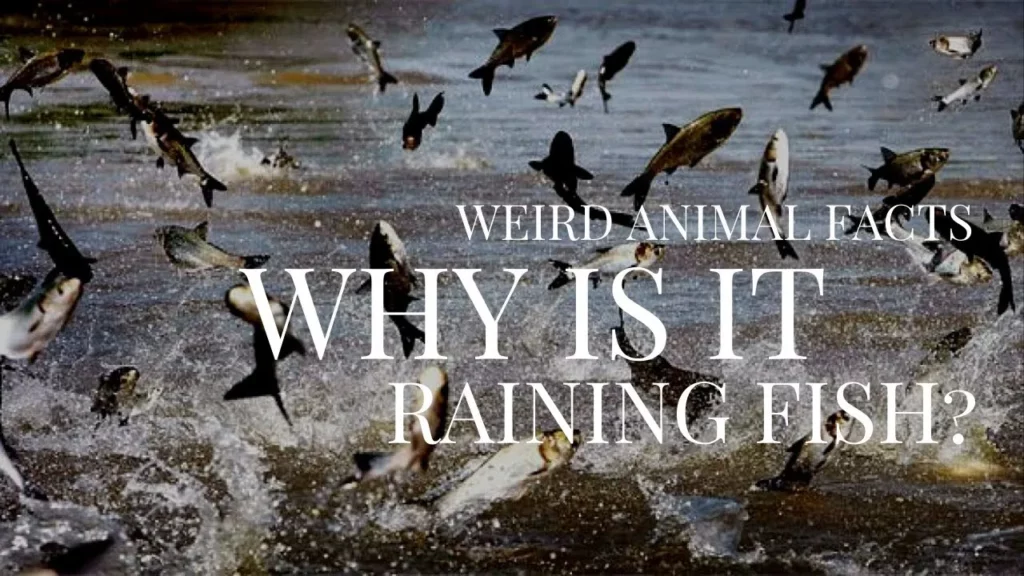
This lesson explores five intriguing and unusual animal behaviors that highlight the fascinating interactions within the animal kingdom. It covers a rare friendship between a dolphin and sperm whales, the phenomenon of fish raining from the sky, the cuckoo’s clever parenting strategy, blood-squirting lizards as a defense mechanism, and the empathetic nature of elephants in response to loss. These facts illustrate the remarkable and often unexpected ways animals adapt and connect with their environment and each other.
A Closed Terrarium after 5 Months

The lesson explores the profound impact of music on emotions, highlighting how different genres evoke specific feelings, such as calmness from classical music or happiness from pop. It also delves into the science behind this emotional response, explaining how music can trigger the release of pleasure-inducing chemicals in the brain. Ultimately, understanding these connections allows individuals to use music as a tool for enhancing their mood and emotional well-being.