
Nature’s Wonders – The Great Wildebeest Migration
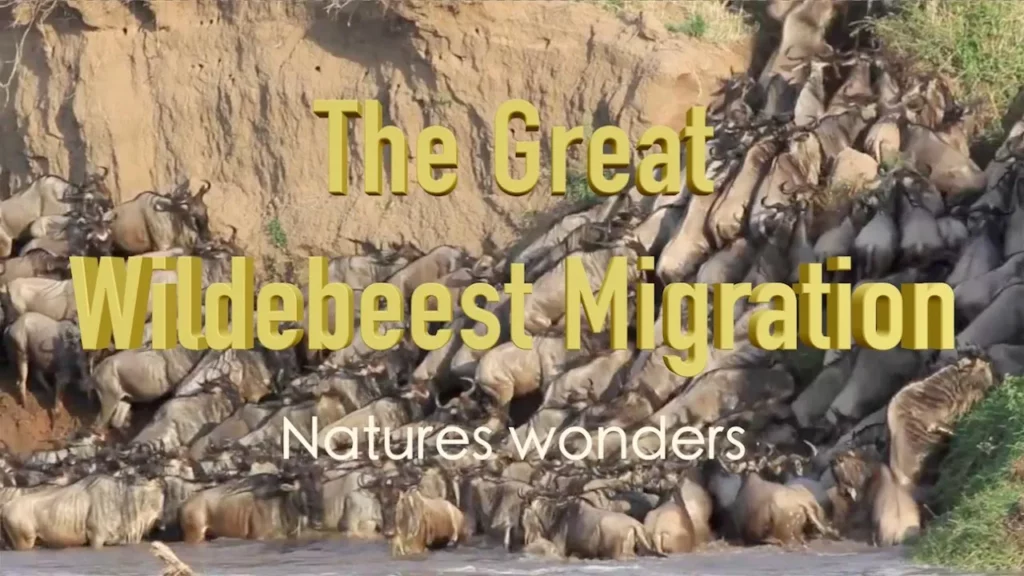
The Great Serengeti wildebeest migration is a remarkable annual event where thousands of wildebeests travel from Tanzania’s Serengeti National Park to Kenya’s Masai Mara in search of greener pastures. This perilous journey, which begins in April and includes a treacherous crossing of the crocodile-infested Mara River, highlights the resilience and survival instincts of these animals as they face numerous predators and challenges. Ultimately, the migration cycle concludes in January, showcasing the determination of the wildebeests as they navigate the dangers of their environment.
Origins of Life on Earth 4K | The Dawn

The lesson “The Marvel of Existence: Life in the Universe” explores the vastness of the cosmos, highlighting Earth’s uniqueness as the only known planet to support life amidst trillions of stars. It traces the journey of life from its origins 4.5 billion years ago through significant evolutionary milestones, emphasizing the impact of human activities in the Anthropocene era on the planet’s ecosystems and the urgent need for conservation. Ultimately, it underscores the resilience of life and our responsibility to protect it for future generations.
Nature’s Wonders – The Great Sardine Run
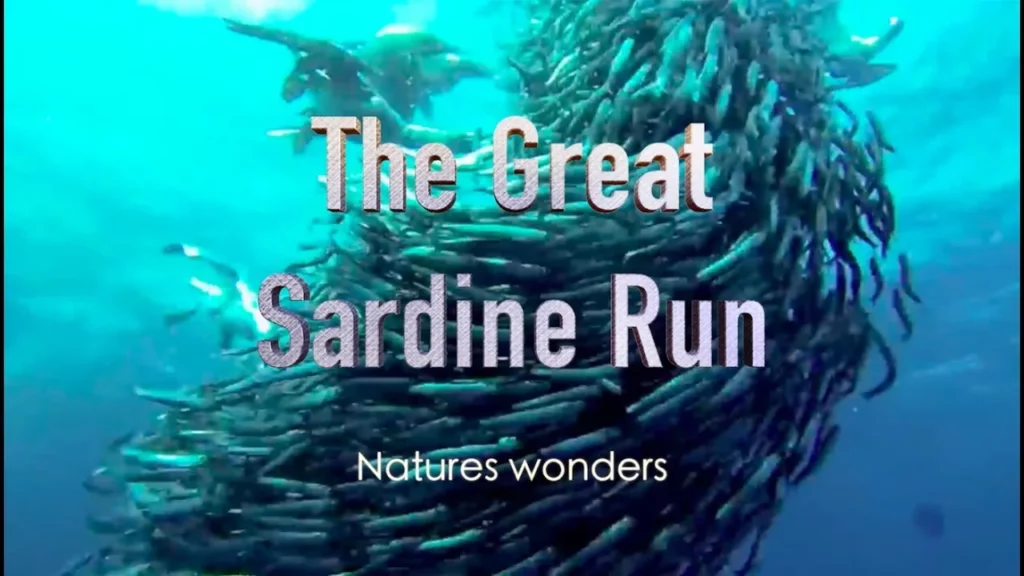
The Great Sardine Run is a spectacular annual migration of billions of sardines along the southern African coast, occurring from May to July. This event not only showcases the vastness of marine life but also highlights the interconnectedness of ocean ecosystems, as various predators like dolphins, sharks, and Cape gannets gather to feast on the sardines. The migration serves as a reminder of the delicate balance in nature and the survival strategies employed by different species.
Facts about the Lion
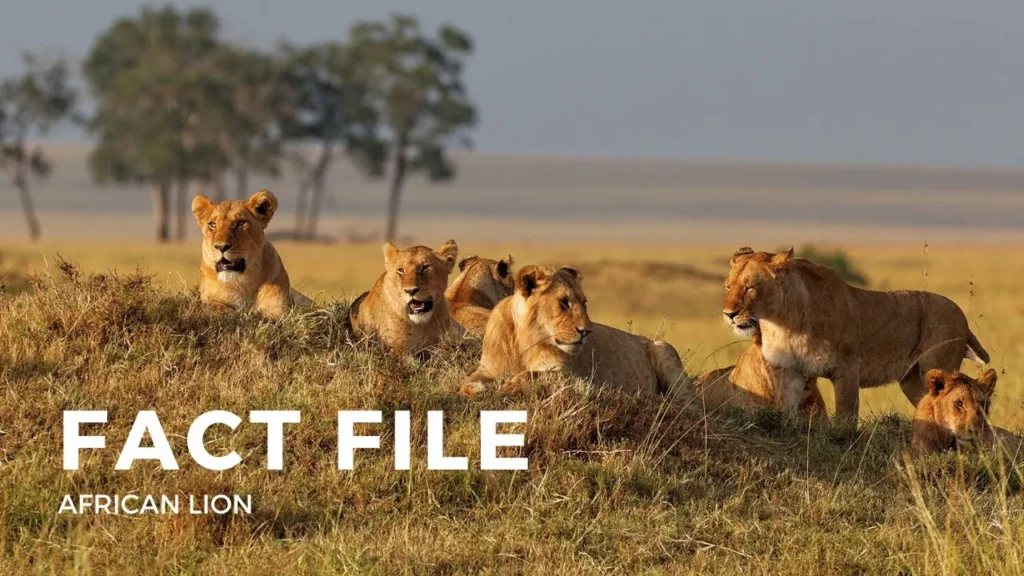
The lesson explores the unique social structure, physical characteristics, hunting strategies, and reproductive behaviors of lions, highlighting their role as social big cats that live in prides. It emphasizes the importance of conservation efforts due to the threats they face, particularly habitat loss and hunting, which have led to a vulnerable status for African lions and an endangered status for Asiatic lions. Understanding these aspects of lion life is crucial for promoting their survival and protecting their habitats.
Facts about the Whale Shark
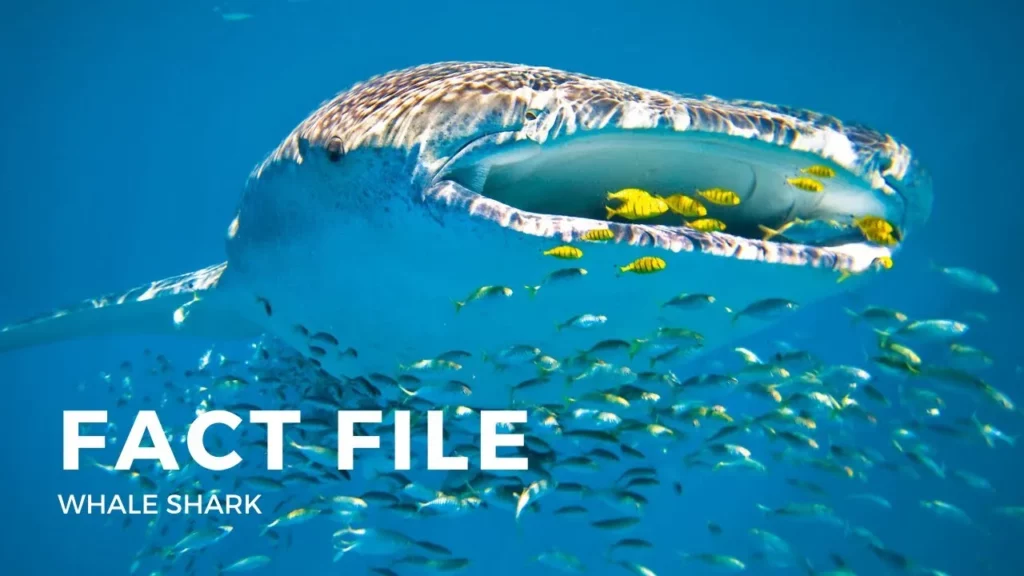
The lesson provides an engaging overview of whale sharks, the largest fish in the ocean, highlighting their impressive size, unique appearance, and gentle feeding habits as filter feeders. It emphasizes their habitat in warm tropical waters and the importance of conservation efforts due to their vulnerable status, urging readers to take action to protect these remarkable creatures for future generations.
Facts about the Rhinoceros
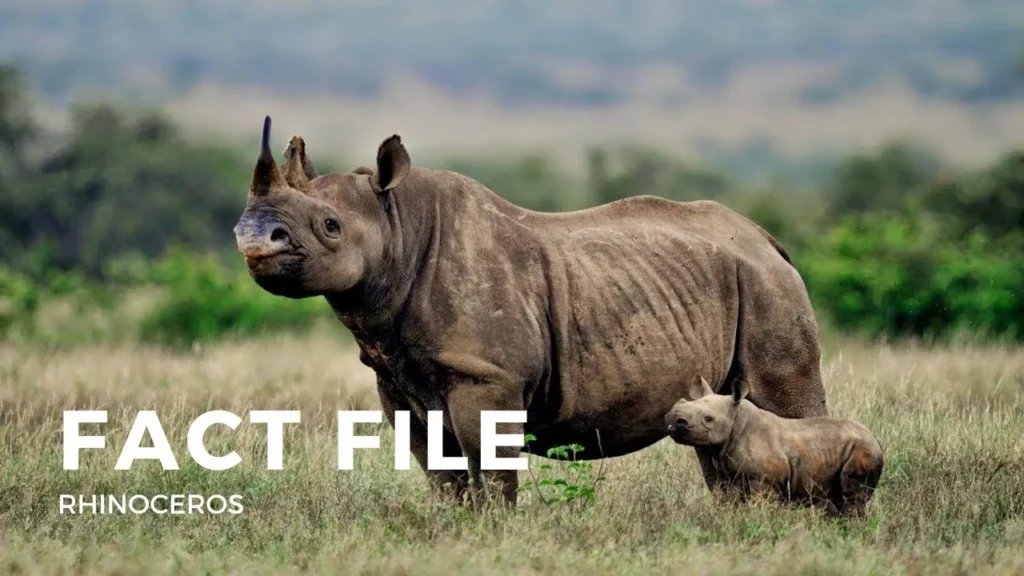
The lesson explores the fascinating world of rhinoceroses, highlighting their unique physical characteristics, social behaviors, and diverse habitats across the globe. It emphasizes the critical need for conservation efforts due to the significant threats posed by poaching and habitat loss, which have drastically reduced rhino populations. Ultimately, the lesson underscores the importance of protecting these magnificent creatures to maintain biodiversity and ensure their survival for future generations.
The Adder Fact File – Reptiles & Amphibians
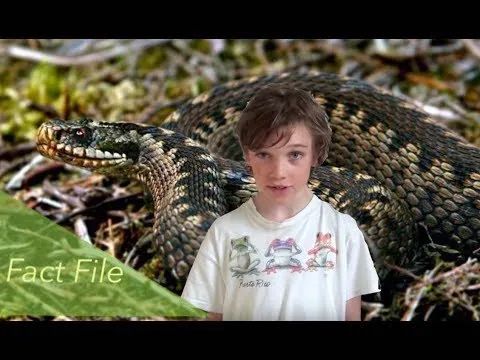
The lesson explores the adder, Britain’s most venomous snake, highlighting its unique physical characteristics, such as sexual dimorphism and distinctive coloration. It discusses the adder’s adaptable habitat, hunting behaviors, reproductive patterns, and hibernation habits, emphasizing its ecological significance in British grasslands. Overall, the adder is portrayed as a fascinating creature that intrigues wildlife enthusiasts and researchers alike.
What Is Migration? (In Animals)
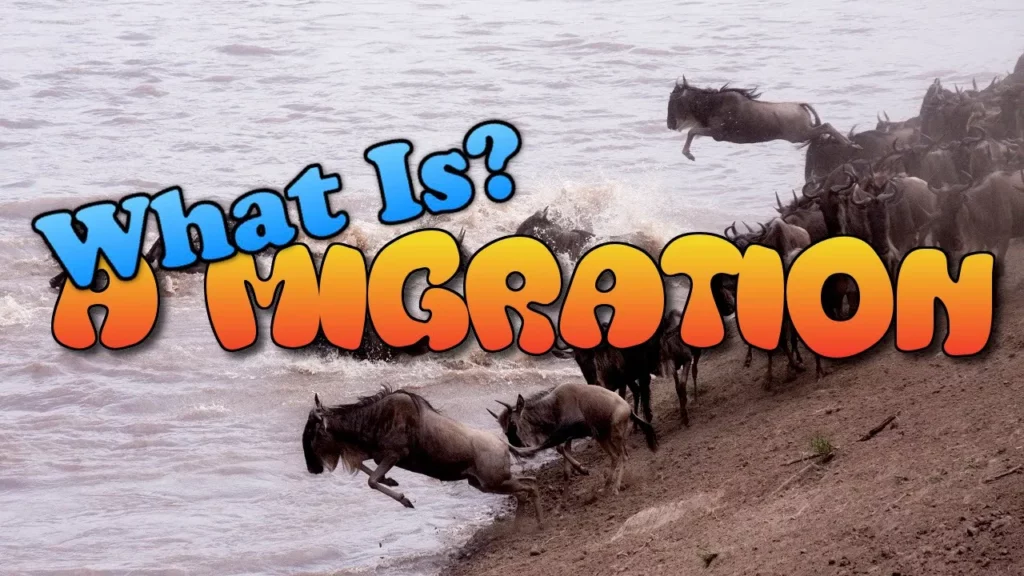
The lesson on animal migration explores the reasons behind this natural phenomenon, highlighting the search for food, breeding grounds, and suitable climates as primary motivators. It discusses the remarkable navigation skills animals employ, such as celestial navigation and sensing the Earth’s magnetic field, and provides a case study of the Great Migration of wildebeests in the Serengeti. Ultimately, the lesson emphasizes the importance of understanding and protecting the habitats that support these incredible journeys.
Facts about Penguins
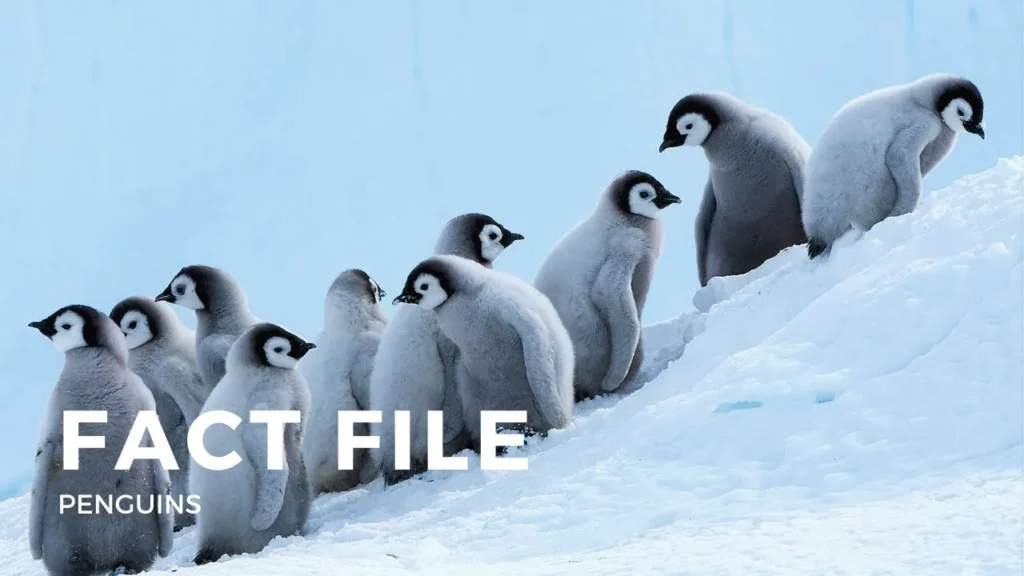
This lesson explores the fascinating world of penguins, flightless birds that excel in swimming and inhabit the southern hemisphere. It covers their physical characteristics, habitats, diet, breeding habits, and conservation status, highlighting the diversity among the 19 species and the challenges some face due to environmental threats. Understanding penguins’ unique adaptations and social behaviors emphasizes the importance of conservation efforts to ensure their survival for future generations.
British Wildlife – Common Toad
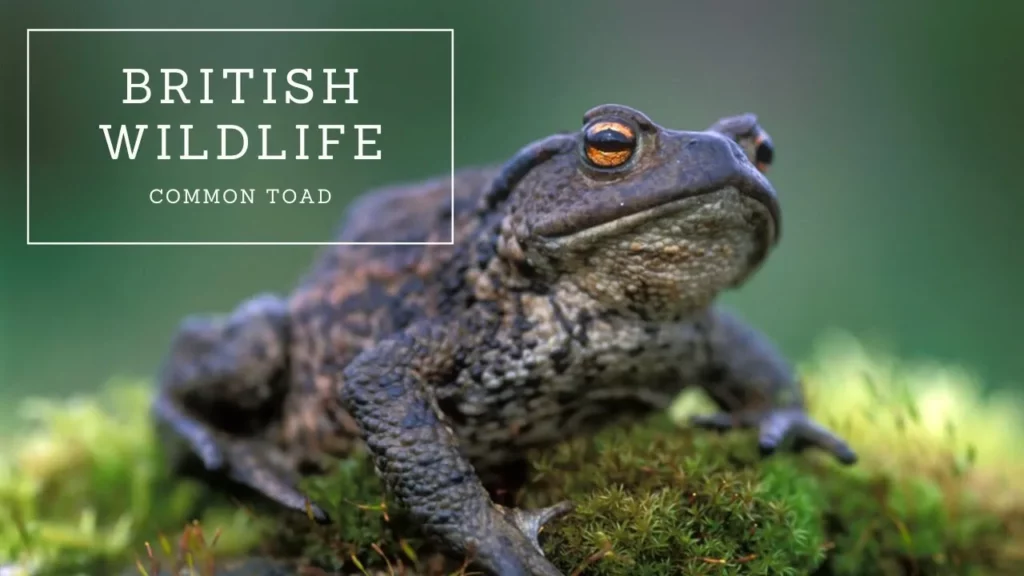
The lesson explores the common toad, an intriguing amphibian found in various habitats across Britain, particularly in places like Holland Park, London. It highlights the toad’s distinctive characteristics, such as its bumpy skin and poison glands, as well as its behavior, including hibernation and breeding patterns. Overall, the common toad exemplifies the adaptability and ecological significance of Britain’s wildlife.