
Facts about the Bald Eagle
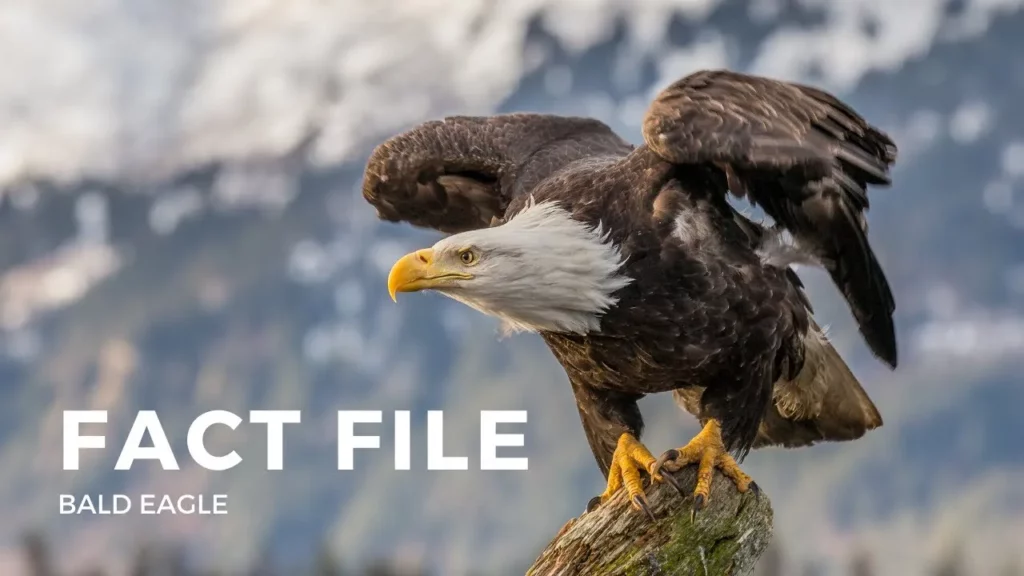
The lesson provides a comprehensive overview of the bald eagle, highlighting its impressive physical characteristics, diet, habitat, breeding habits, and conservation status. Once endangered, the bald eagle has made a remarkable recovery due to conservation efforts, symbolizing strength and resilience in North American wildlife. The lesson emphasizes the importance of protecting these magnificent birds for future generations to appreciate.
Welcome to Natural World Facts | Channel Trailer
In this lesson, we delve into the wonders of nature, highlighting the beauty of diverse ecosystems and the fascinating animals that inhabit them. By exploring the interconnectedness of life on Earth, we gain a deeper appreciation for the intricate balance of the natural world. Join us on this journey to uncover more about wildlife and the environment through engaging facts and stories.
My Black Beauty Stick Insects
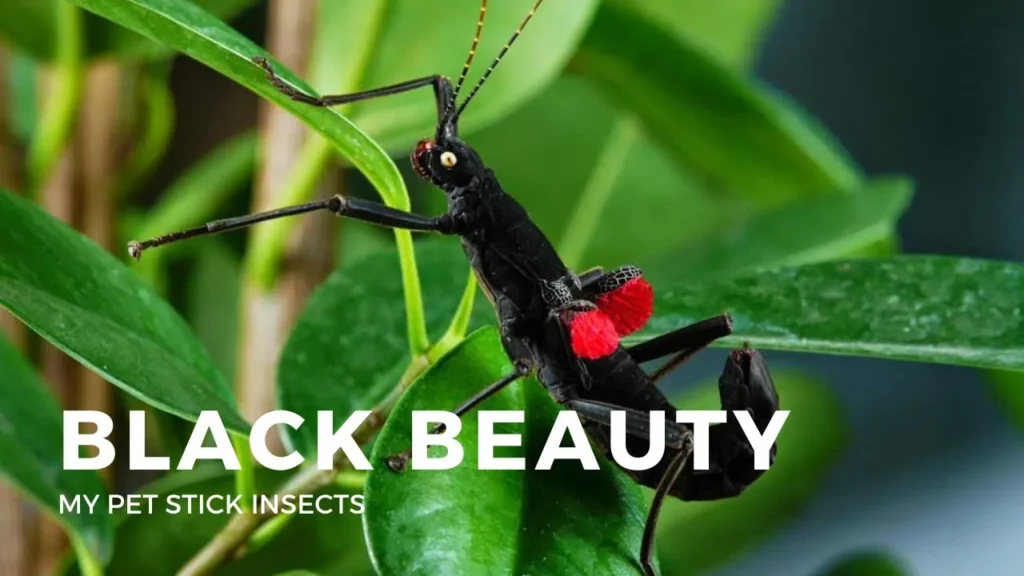
The Black Beauty Stick Insect, or *Perryphasma schultei*, is a unique species native to northern Peru, distinguished by its smooth black coloration and bright yellow eyes. Primarily nocturnal, these insects exhibit fascinating behaviors such as wing-lifting for defense and possess sensitive antennae for navigation. They thrive on a diet of pepper trees in the wild but can adapt to other plants in captivity, making them a popular choice among insect enthusiasts and researchers alike.
British Wildlife – Roe Deer
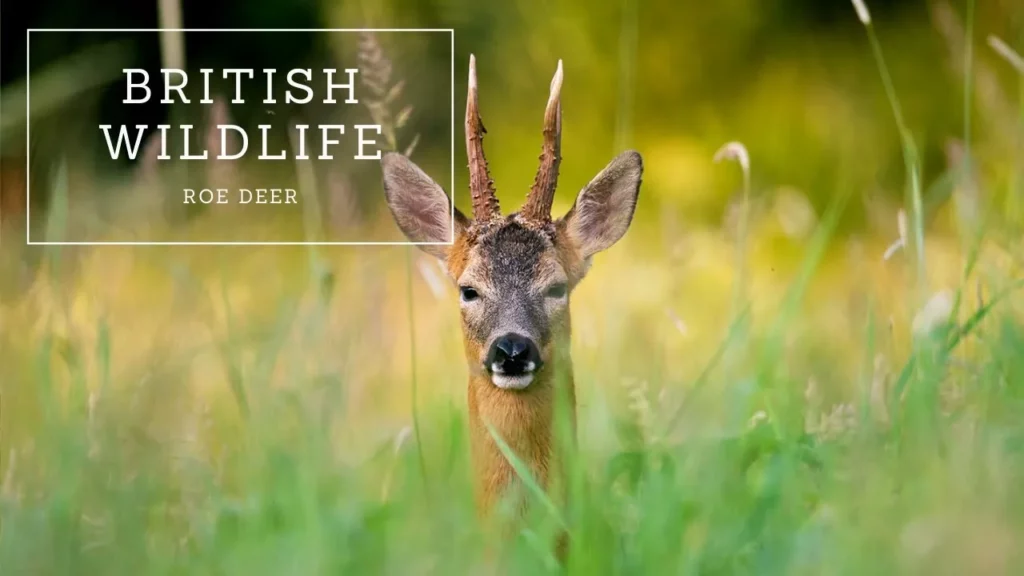
The lesson highlights the unique wildlife of the Lake District, focusing on the Roe Deer, a graceful animal known for its distinctive reddish-brown fur in summer and adaptability to various habitats. It discusses the Roe Deer’s diet, reproductive habits, and stable population status, emphasizing the importance of the Lake District as a sanctuary for diverse wildlife. Overall, the lesson showcases the beauty and ecological significance of this region in Cumbria.
What Is An Ecosystem?
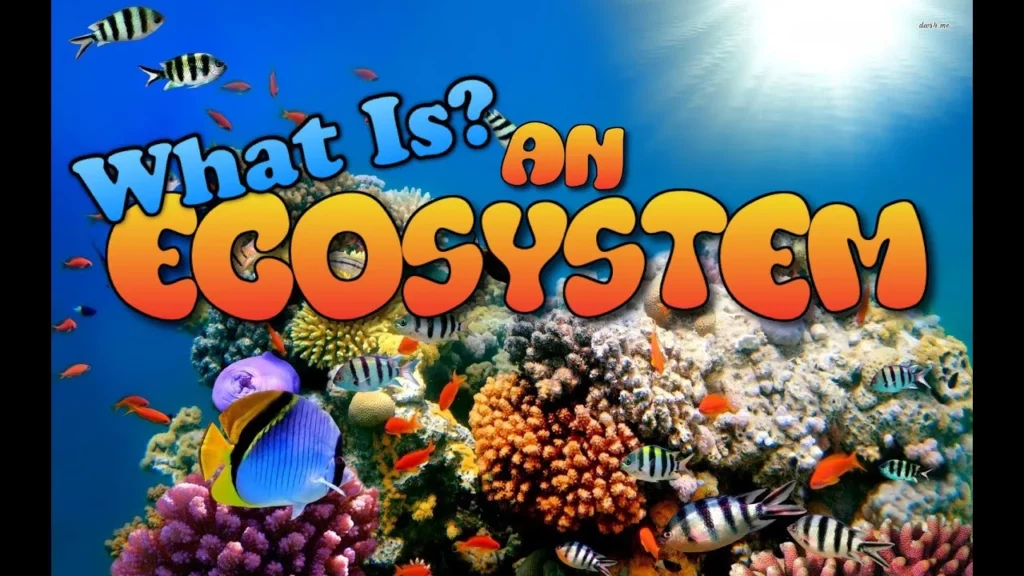
The lesson “Understanding Ecosystems: A Fun Guide” introduces the concept of ecosystems as communities where living organisms, such as plants and animals, interact with non-living elements like soil and air. It explains the importance of food chains and webs, highlighting how energy flows and materials cycle through biotic (living) and abiotic (non-living) factors, emphasizing the interconnectedness and balance necessary for ecosystem health. Understanding these dynamics fosters appreciation for the intricate relationships that sustain life in various environments.
What Is Adaptation?
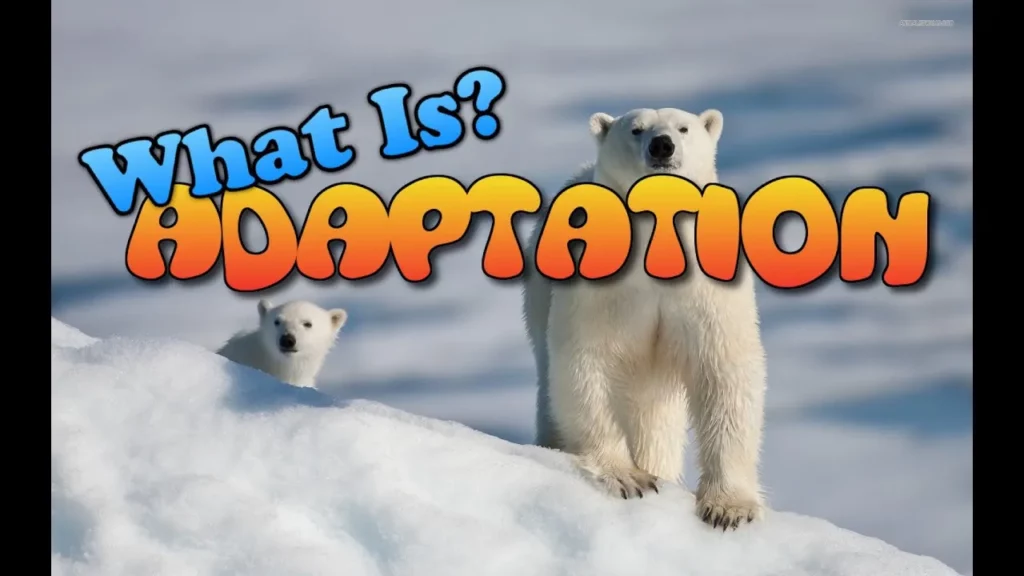
The lesson on “Understanding Adaptation in Nature” explores how living organisms change over time to better fit their environments, highlighting key concepts such as adaptation, speciation, co-adaptation, and mimicry. Through examples like the English peppered moth and the symbiotic relationship between flowers and hummingbirds, the lesson illustrates the various strategies organisms use to survive and thrive in changing conditions. Ultimately, it emphasizes the intricate relationships in nature and the importance of adaptation in the survival of species.
Facts about the Sea Turtle
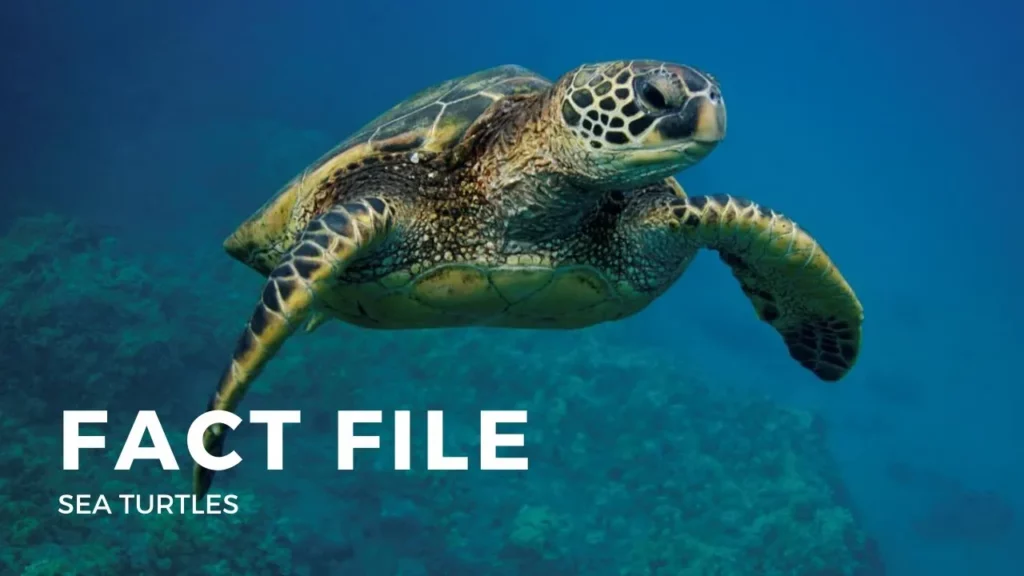
The lesson on sea turtles provides an overview of these ancient reptiles, highlighting their diverse species, unique appearances, and dietary habits. It emphasizes their remarkable breeding and migratory behaviors, as well as the conservation challenges they face, such as habitat loss and poaching. Understanding these aspects is crucial for promoting awareness and efforts to protect these fascinating marine animals.
African Wildlife Documentary | Wild Okavango episode 1
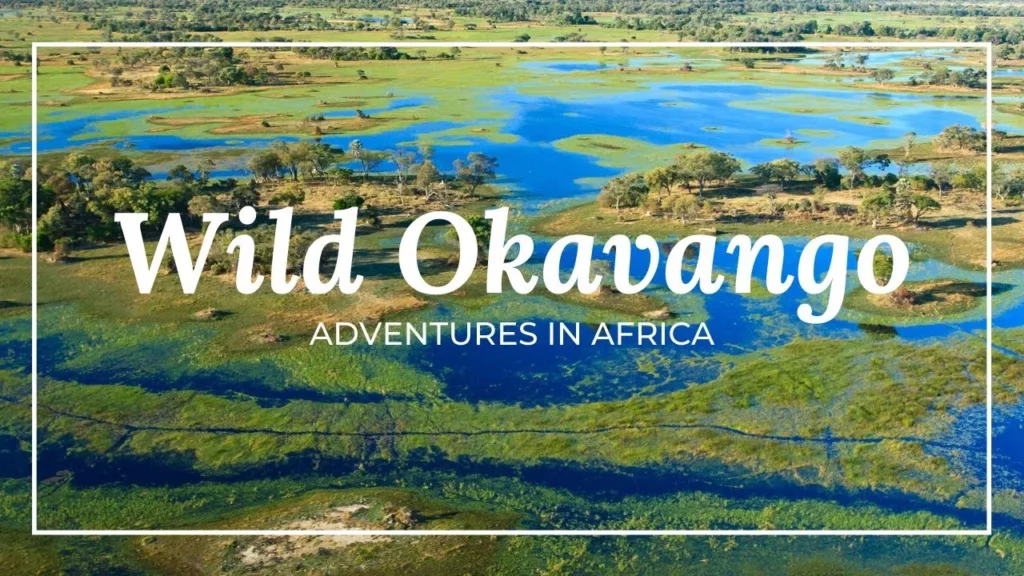
The lesson explores the Okavango Delta, a unique ecosystem in the middle of a desert that serves as a vibrant habitat for over 150 species of mammals, including elephants, lions, and antelopes. It highlights the interconnectedness of wildlife and their environment, showcasing the fascinating behaviors of animals, such as lions preparing for a hunt and the role of termites in the ecosystem. Overall, the Okavango Delta exemplifies the beauty and complexity of nature, inviting us to appreciate its wonders.
Alien World of Deep Sea Vents
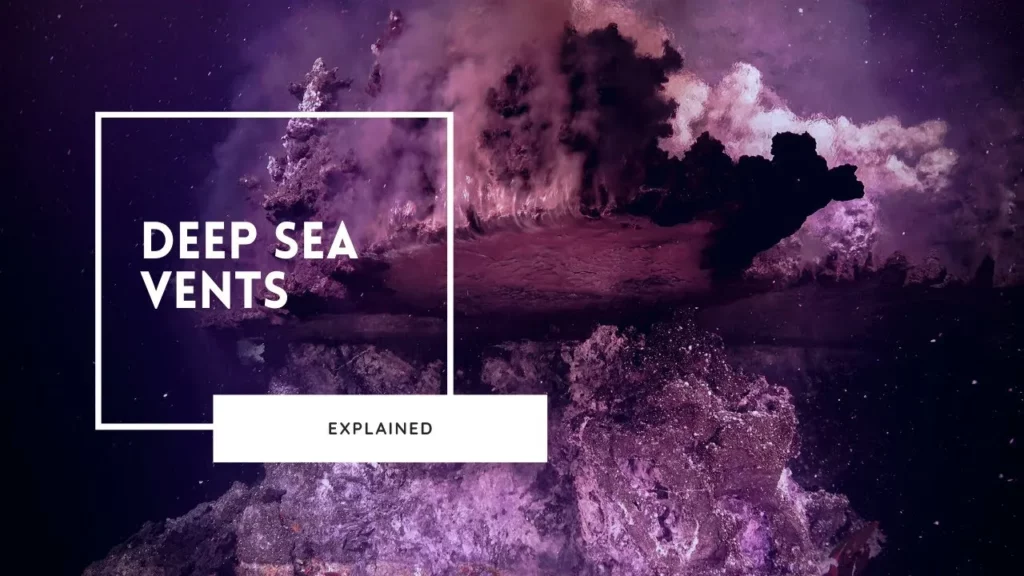
The lesson explores hydrothermal vents, unique ecosystems in the deep ocean where life thrives despite extreme conditions and the absence of sunlight. Discovered in 1977, these vents support over 300 unique species that rely on chemosynthesis for energy, highlighting the intricate food webs and symbiotic relationships that exist in this environment. The study of hydrothermal vents not only challenges our understanding of life’s adaptability but also offers insights into the origins of life on Earth.
Facts about the Crocodile
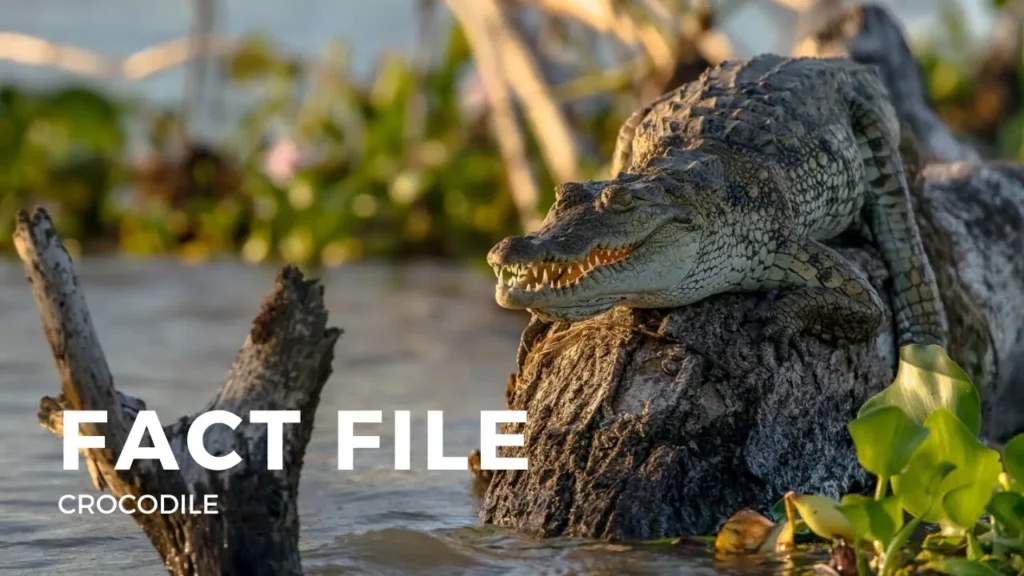
The lesson “Understanding Crocodiles: A Fun Guide” introduces students to the fascinating world of crocodiles, highlighting their diversity, physical characteristics, diet, habitats, reproductive behavior, and conservation status. It emphasizes the importance of these reptiles in their ecosystems and the need for awareness and protection, particularly for endangered species like the Cuban crocodile. Through engaging facts, the lesson aims to foster appreciation for crocodiles and their role in the environment.