
The Glass Octopus #oceanmysteries
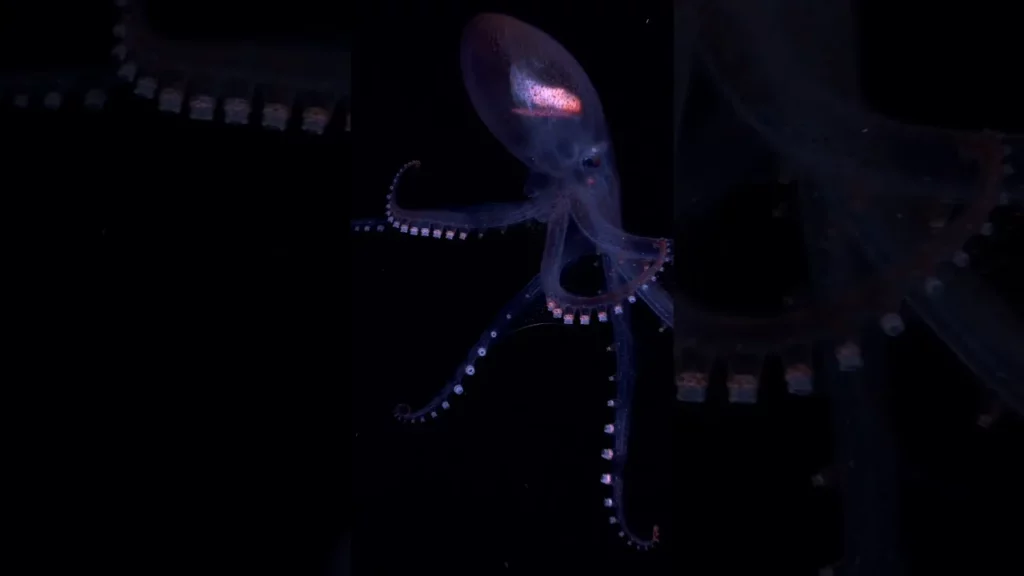
The lesson explores the fascinating biology of the glass octopus, highlighting its remarkable transparency and camouflage abilities. Its nearly see-through body aids in evading predators, while specialized cells called chromatophores allow it to change color and blend into its surroundings. This unique adaptation showcases the ingenuity of nature and emphasizes the importance of preserving marine biodiversity.
Facts about the Manta Ray
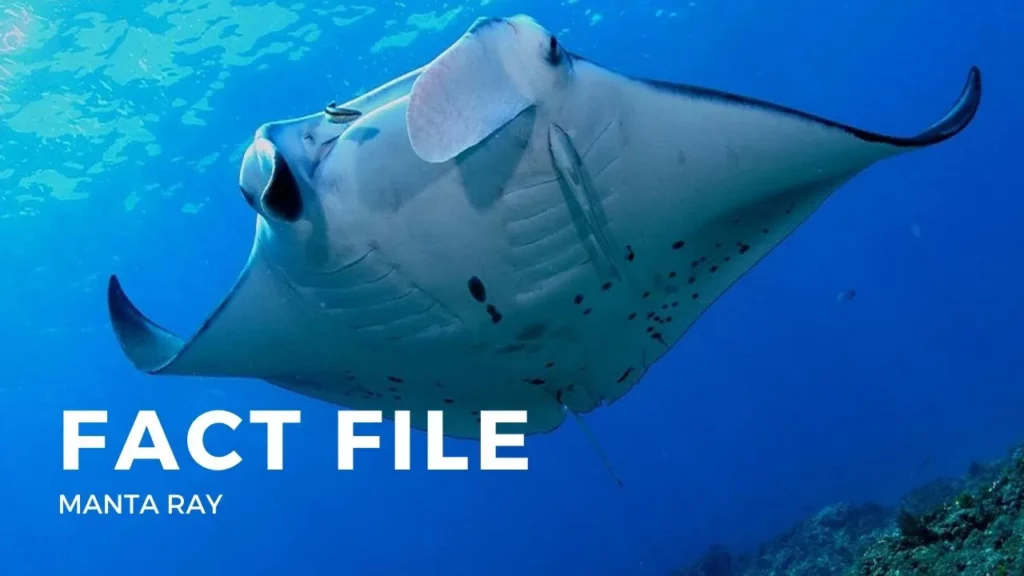
The lesson on manta rays highlights their unique characteristics, including their large size, graceful swimming abilities, and specialized feeding habits. It emphasizes their vulnerable conservation status due to past hunting and current environmental challenges, underscoring the importance of protecting these fascinating ocean giants for the health of marine ecosystems. Understanding manta rays helps foster appreciation and awareness for their preservation in the wild.
Facts about the Ostrich
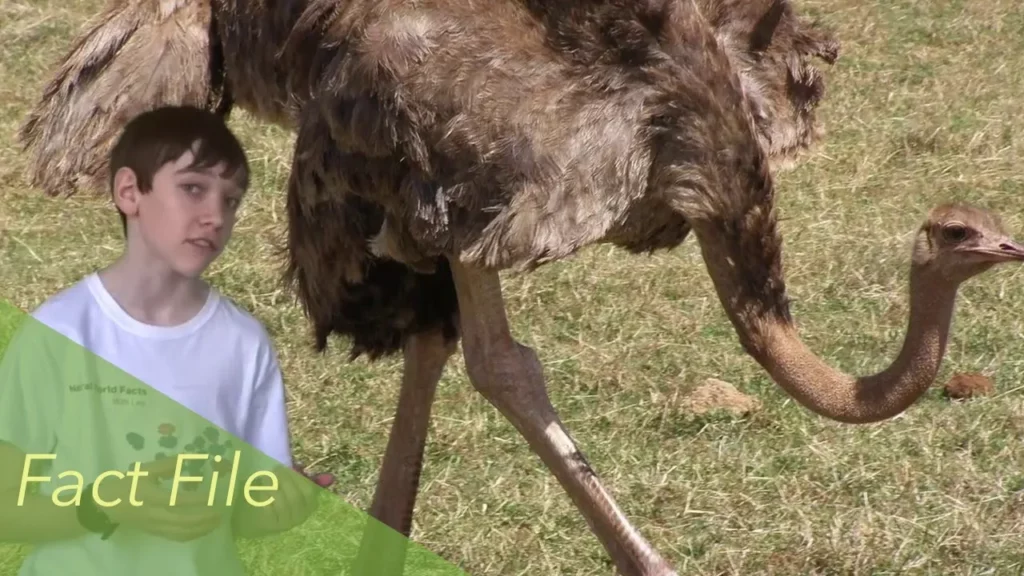
The lesson explores the fascinating characteristics of ostriches, the largest birds on Earth, highlighting their impressive size, unique physical features, and remarkable speed. It covers their omnivorous diet, breeding habits, and social structures within flocks, as well as their natural habitats in East and Southwest Africa. Additionally, the lesson addresses the conservation status of ostriches, emphasizing the need to protect vulnerable species like the Somali ostrich to ensure their survival.
Facts about the Python
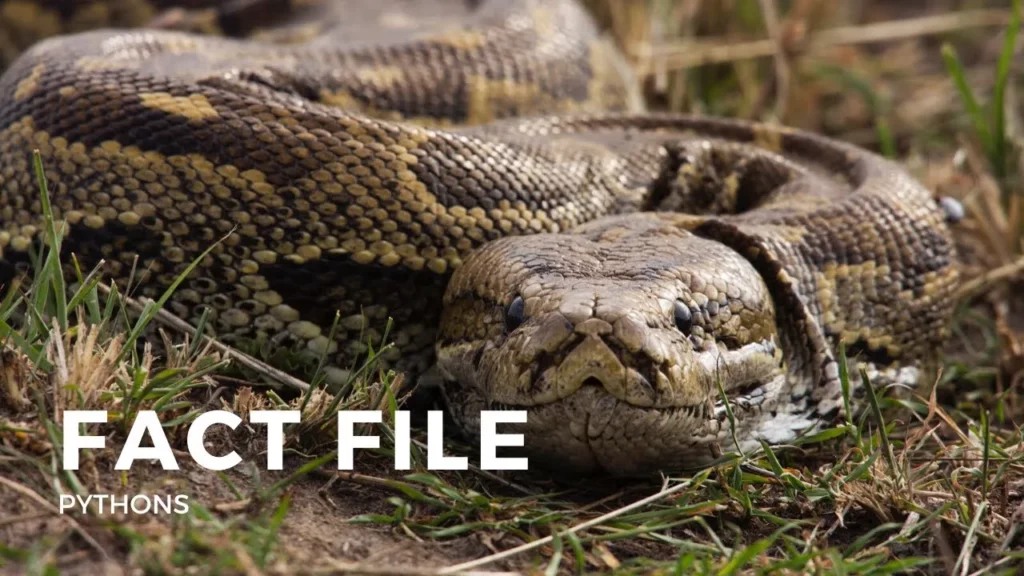
This lesson explores the fascinating world of pythons, non-venomous snakes belonging to the Pythonidae family, which includes some of the largest snakes on Earth. It covers their physical characteristics, hunting behaviors, reproductive methods, habitats, and conservation status, highlighting their unique adaptations and the importance of protecting these remarkable creatures in their ecosystems.
Facts about Reindeer
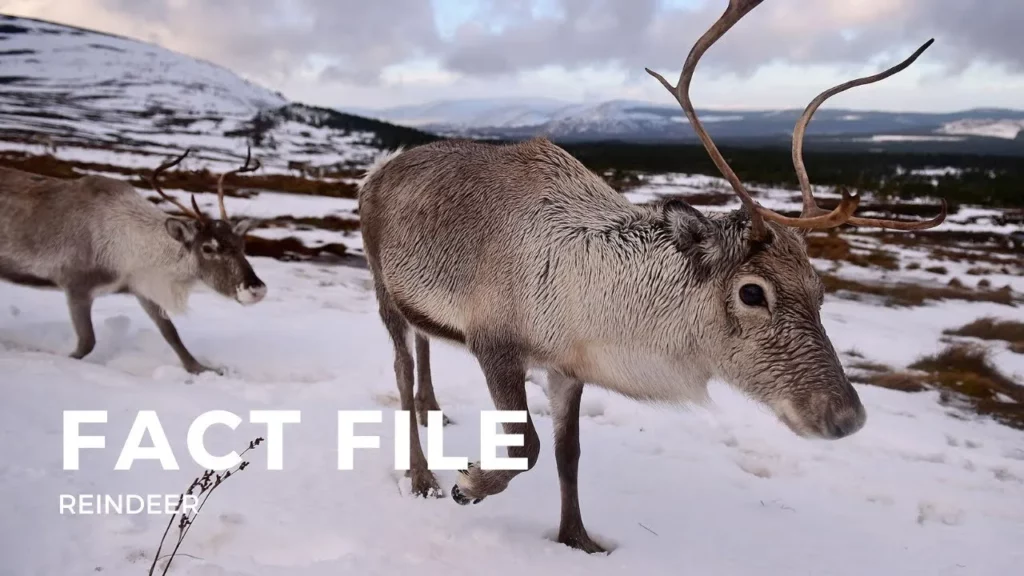
The lesson explores the unique characteristics, habitat, diet, and conservation status of reindeer, also known as caribou. It highlights their distinctive feature of both males and females growing antlers, their social behavior in herds, and their herbivorous diet, while emphasizing the importance of protecting these vulnerable animals due to a significant decline in their population over the past few decades. Understanding these aspects is crucial for ensuring the survival of reindeer in their natural environments.
Crocodiles Fact File – Reptiles & Amphibians
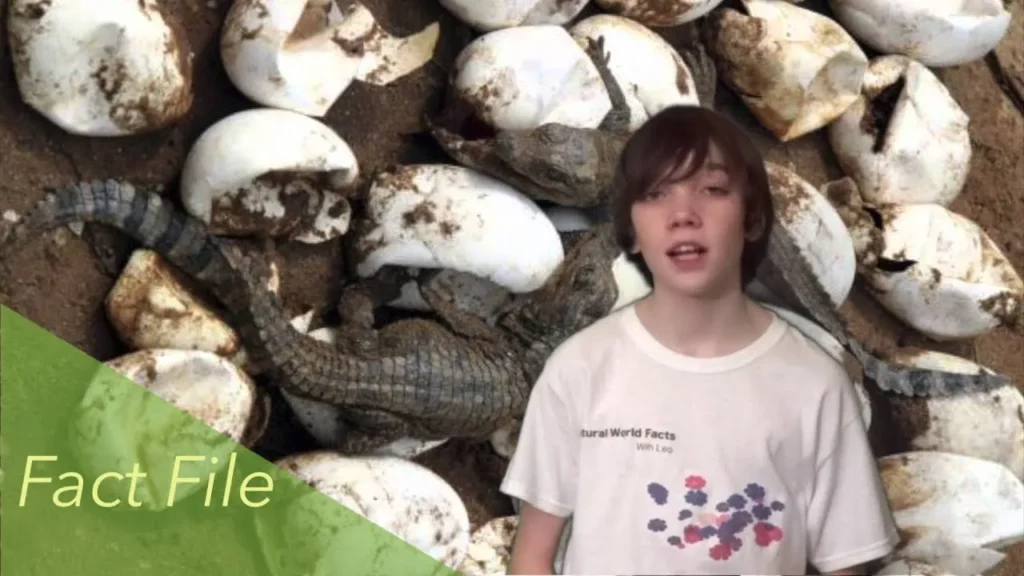
The lesson explores the fascinating world of crocodiles, highlighting their diverse species, feeding habits, habitats, breeding practices, and conservation status. With 13 different types ranging from the small pygmy crocodile to the massive saltwater crocodile, these reptiles play a crucial role in their ecosystems. The lesson emphasizes the importance of protecting endangered species like the Cuban crocodile to ensure their survival in the wild.
Wildlife of Richmond Park | Wild London
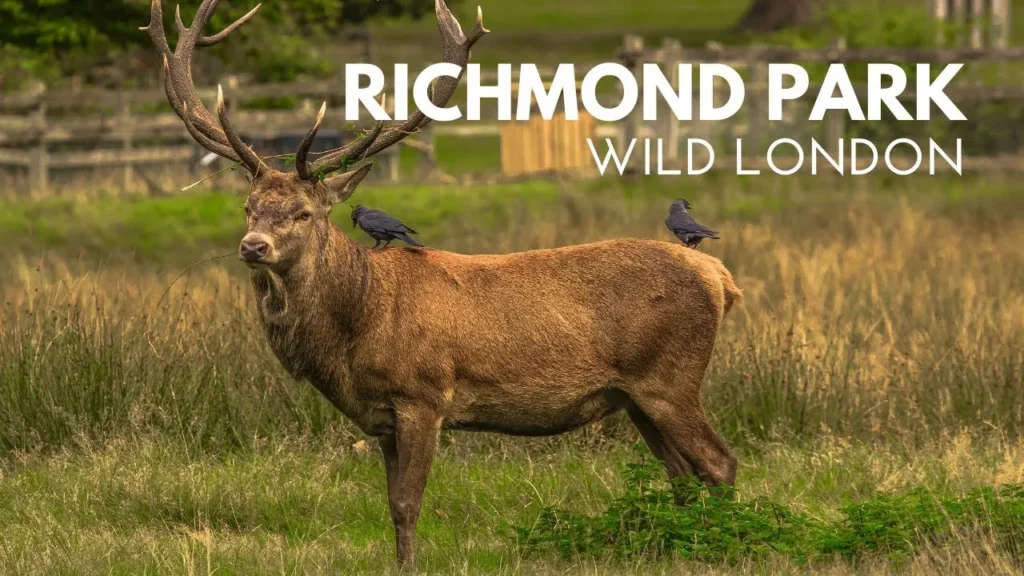
The lesson explores Richmond Park, a wildlife sanctuary in London, highlighting its diverse ecosystems and the importance of various species. It emphasizes the role of red deer in maintaining the park’s landscape, the significance of ancient trees and fungi in nutrient cycling, and the interactions among ants, insects, and other wildlife. Overall, Richmond Park serves as a vital refuge for nature amidst the urban environment, encouraging visitors to appreciate and protect its natural beauty.
BlackBirds Fact File – Birds
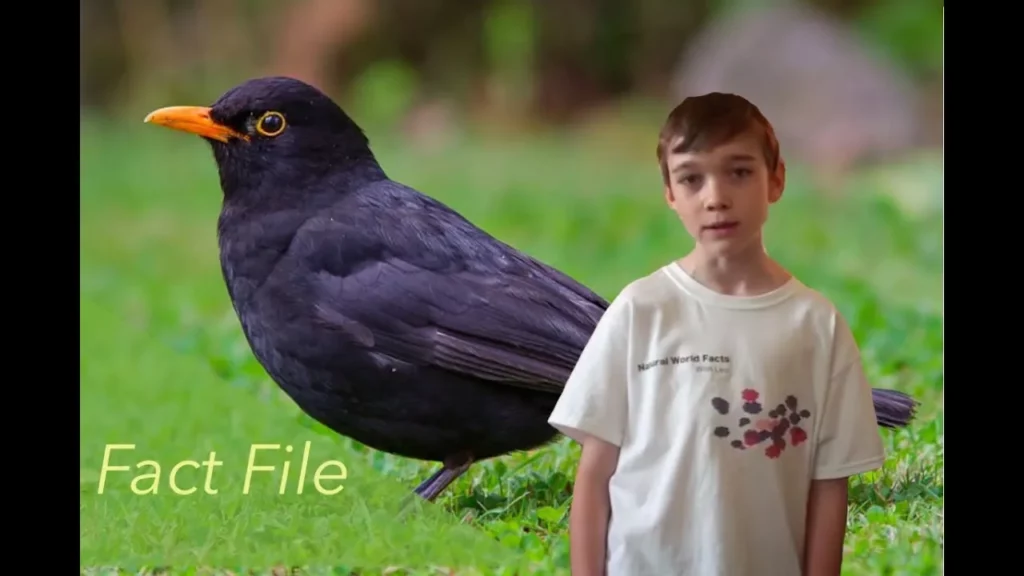
The lesson on blackbirds, or *Turdus merula*, highlights their distinctive appearance, dietary preferences, nesting habits, and migration patterns. Male blackbirds are easily identifiable by their shiny black feathers and orange beaks, while females are brown and less colorful. Understanding their behaviors and characteristics enhances our appreciation for these common yet remarkable birds found throughout Europe.
What is Marine Conservation? | How to Protect Our Oceans
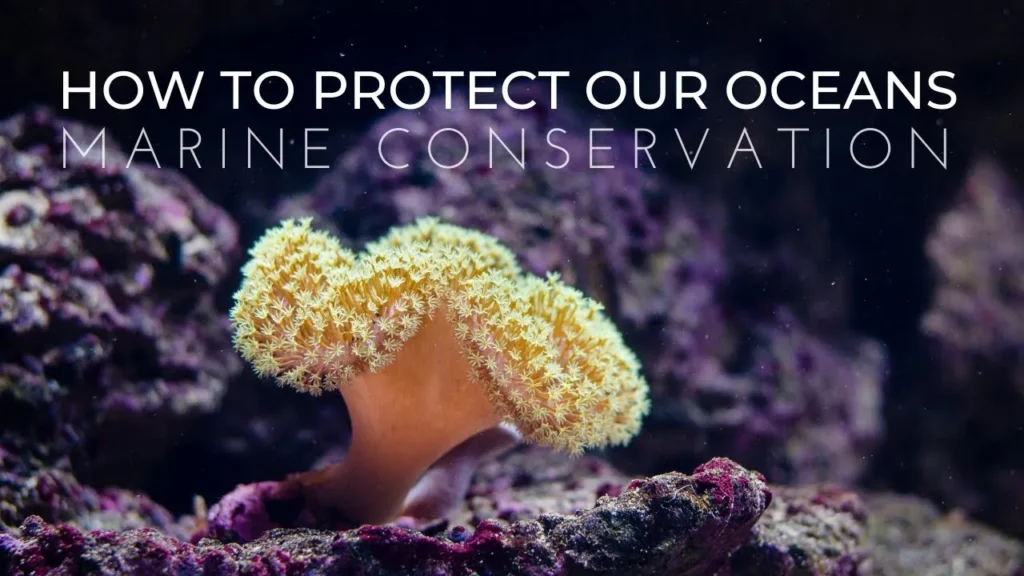
The lesson emphasizes the critical importance of marine conservation in protecting ocean ecosystems and the diverse life they support, particularly highlighting the plight of coral reefs, which are severely threatened by human activities. It outlines various strategies for conservation, such as establishing marine protected areas, creating artificial reefs, and promoting responsible fishing practices, while also encouraging individual actions to reduce pollution and support sustainable practices. Ultimately, the lesson calls for collective efforts to preserve marine environments for the benefit of both marine life and human communities.
Trek to the abandoned house – Tuscany 2015
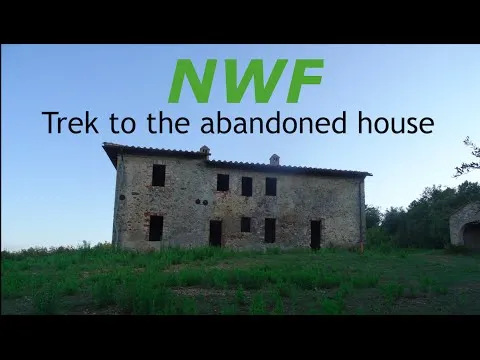
In this lesson, the narrator embarks on an adventurous exploration of an abandoned house perched on a cliff, experiencing a mix of excitement and fear as they uncover its eerie interior and forgotten structures. The journey highlights the contrast between the house’s former grandeur and its current state of decay, emphasizing the passage of time and the mysteries that abandoned places hold. Ultimately, the adventure serves as a reminder of the thrill of discovery and the stories that linger in forgotten spaces.