
Foreign Aid and Remittance: Economics #34

The lesson on foreign aid provides a comprehensive overview of its purpose, historical context, and current dynamics. It highlights that while many Americans overestimate the U.S. foreign aid budget, the aid plays a crucial role in promoting peace, democracy, and economic growth in over 100 countries. Additionally, it discusses the significance of remittances and non-profit organizations in supporting development, while also addressing the challenges and complexities associated with foreign aid.
Vectors and 2D Motion: Physics #4
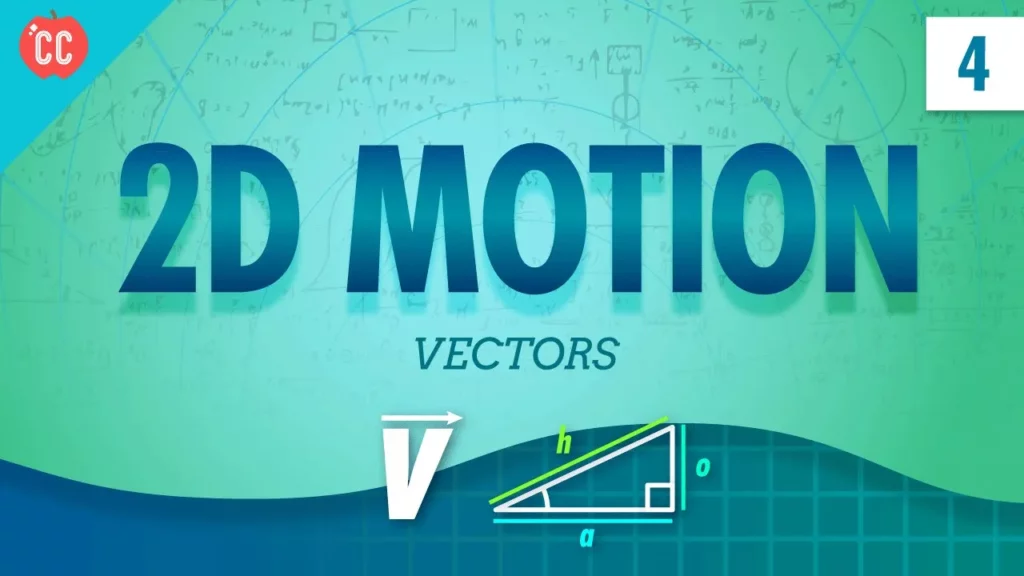
The lesson on “Understanding Motion Through Vectors” emphasizes the importance of vectors in analyzing motion in multiple dimensions. Vectors, which have both magnitude and direction, allow us to break down complex movements into horizontal and vertical components, facilitating easier calculations and predictions of motion. By applying trigonometry and kinematic equations, we can effectively describe and analyze various real-world motion scenarios.
Derivatives: Physics #2
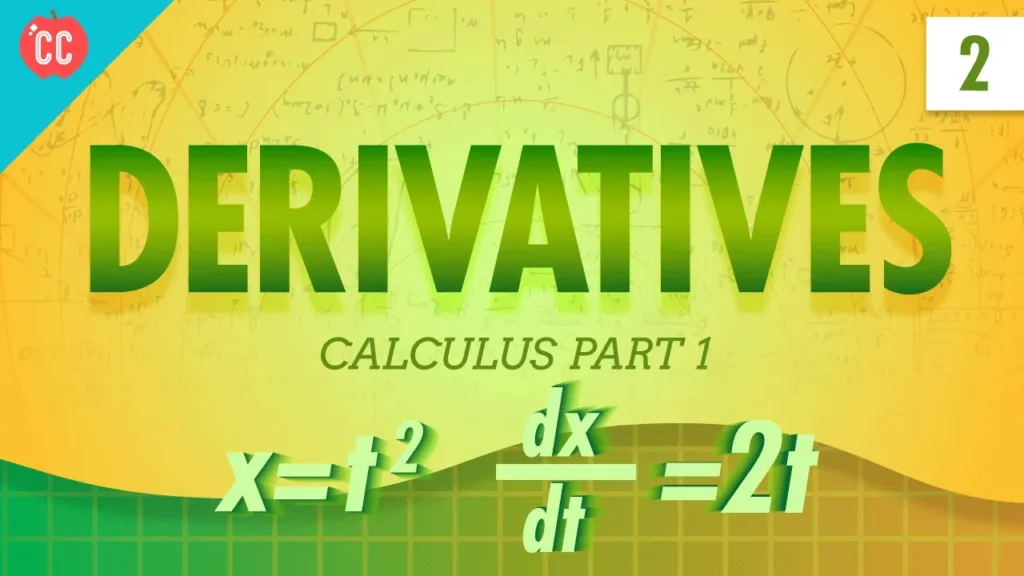
This lesson introduces the fundamental concepts of calculus and its critical role in physics, particularly in understanding motion through the relationships between position, velocity, and acceleration. It emphasizes the importance of derivatives in analyzing how these quantities change over time, using tools like limits and the Power Rule to calculate derivatives of various functions, including polynomial and trigonometric functions. The lesson concludes by highlighting the significance of mastering derivatives for modeling real-world phenomena and sets the stage for future discussions on integrals, which complement the understanding of motion.
Fiscal Policy and Stimulus: Economics #8
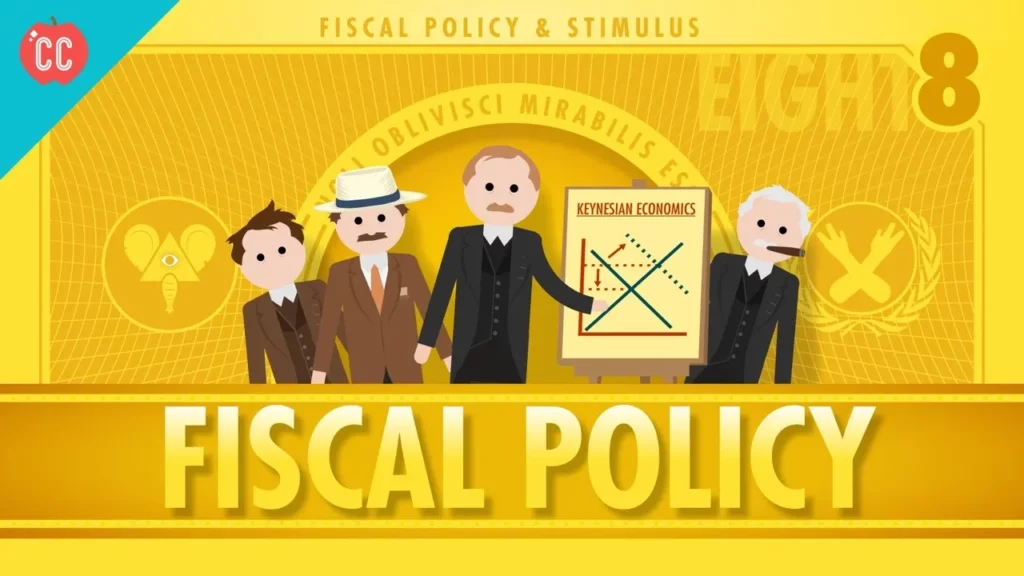
The lesson on fiscal policy highlights its role as a vital government tool for managing economic stability through adjustments in spending and taxation. It discusses the business cycle, the impact of fiscal measures during economic downturns, and the ongoing debate regarding the effectiveness of such policies, particularly contrasting Keynesian and classical economic perspectives. Ultimately, the lesson emphasizes that successful fiscal policy relies on restoring confidence in the economy to stimulate growth and mitigate the effects of recessionary and inflationary gaps.
Introduction to Media Literacy: Media Literacy #1

The lesson on “Understanding Media Literacy” emphasizes the importance of being able to critically engage with the vast array of media we encounter daily, as adults and youth spend significant time consuming various forms of media. It introduces key concepts such as the distinction between media messages and their effects, Stuart Hall’s encoding and decoding theory, and the societal implications of media influence. Ultimately, the lesson aims to empower individuals to become informed consumers and creators of media by enhancing their media literacy skills.
Unit Conversion & Significant Figures: Chemistry #2

The lesson on “Understanding Units and Measurements in Science” emphasizes the human-made nature of measurement units and the importance of the International System of Units (SI) in scientific calculations. It highlights the significance of accurate unit conversion, the role of significant figures in expressing measurement precision, and the potential consequences of unit errors, as illustrated by the Mars Climate Orbiter incident. Mastering these concepts is essential for effective scientific communication and accurate data interpretation.
Love or Lust? Romeo and Juliet Part 2: English Literature #3

The lesson explores the intricate themes of love and tragedy in Shakespeare’s “Romeo and Juliet,” highlighting the complexities of romantic relationships and the impact of societal pressures. It examines the contrast between idealized courtly love and physical desire, as well as the role of fate and personal choice in the characters’ tragic outcomes. Ultimately, the play serves as a poignant reminder of the challenges individuals face when navigating love amidst conflicting loyalties and expectations.
Freedom of the Press: Government and Politics #26
The lesson on the freedom of the press under the First Amendment emphasizes its critical role in maintaining a democratic society by preventing government censorship and ensuring accountability. It discusses key concepts such as prior restraint, libel, and national security exceptions, highlighting landmark Supreme Court cases that have shaped press freedoms. Ultimately, the lesson underscores that a free press is essential for an informed public and a check on government power, reinforcing the importance of protecting this freedom in contemporary debates.
Calorimetry: Chemistry #19
This lesson explores the neutralization reaction between hydrochloric acid (HCl) and sodium hydroxide (NaOH), highlighting their properties, the heat changes involved, and the method of calorimetry used to measure these changes. The reaction produces water and sodium chloride while releasing heat, and through calorimetry, students can calculate the heat change and compare it with theoretical values using Hess’s Law, enhancing their understanding of thermodynamics in chemical reactions.
Market Economy: Government and Politics #46
The lesson emphasizes the critical role of government in ensuring the effective functioning of a market economy. It highlights how government actions, such as establishing laws, defining property rights, regulating exchanges, providing public goods, and promoting competition, create a stable and fair environment for economic activities. Ultimately, the government’s involvement is essential for fostering trust, protecting consumers, and addressing externalities, which are vital for a thriving market economy.