
Determining SN1, SN2, E1, and E2 Reactions: Organic Chemistry #23
This lesson explores substitution and elimination reactions in organic chemistry, using an adventure game analogy to illustrate how different substrates interact with nucleophiles to form new chemical entities. It categorizes substrates into four classes—methyl, primary, secondary, and tertiary—each with distinct reactivity patterns, and outlines the four main reaction mechanisms: SN1, E1, SN2, and E2. By understanding the characteristics of each substrate and the nature of the nucleophiles, students can predict the outcomes of these chemical transformations effectively.
Digestive System, Part 3: Anatomy & Physiology #35
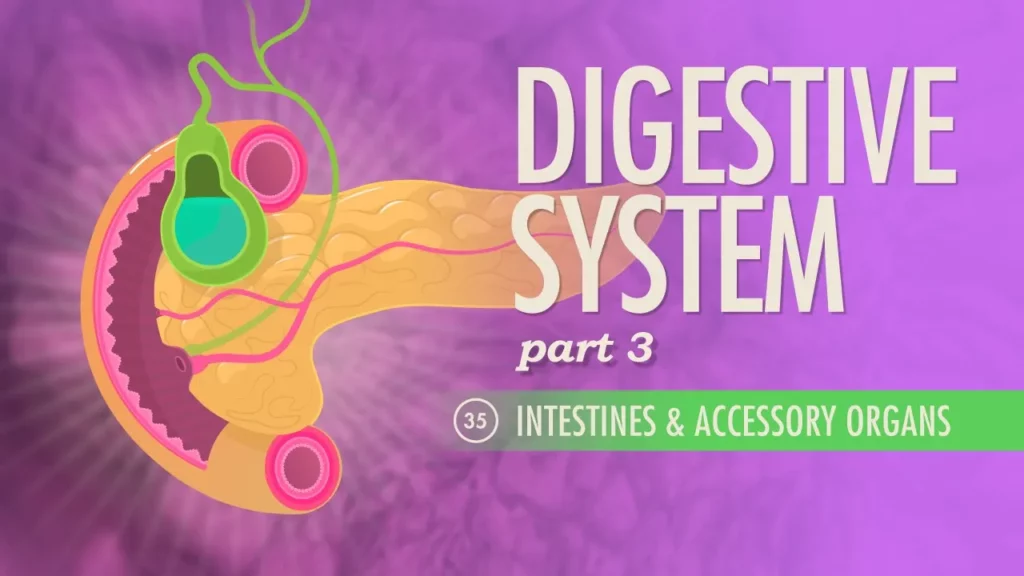
This lesson explores the complexities of digestive health, using nachos as a relatable example to illustrate the challenges faced by individuals with lactose intolerance. It details the digestive process, highlighting the roles of the stomach, small intestine, and accessory organs like the liver and pancreas, while emphasizing the importance of understanding one’s digestive system to make informed food choices. Ultimately, the lesson underscores the significance of recognizing how different foods can affect digestion, particularly for those with specific dietary restrictions.
Indus Valley Civilization: World History #2
The lesson “Understanding Civilizations: A Journey Through History” explores the concept of civilization, emphasizing its key features such as surplus production, urban development, and social stratification. It highlights the Indus Valley Civilization as a notable example, showcasing its advanced urban planning, trade networks, and peaceful society, while also discussing the mysteries surrounding its decline. Ultimately, the lesson encourages reflection on historical patterns to gain insights into contemporary relationships and societal dynamics.
The History of Electrical Engineering: Engineering #4
The lesson provides a historical overview of the evolution of electrical engineering, highlighting its significance in modern society through its three main branches: telecommunications, power and lighting, and computer engineering. It traces the field’s development from early discoveries in electricity and magnetism to key innovations such as the electric telegraph, incandescent lamp, and microprocessor, illustrating how these advancements have transformed communication, power generation, and computing. Ultimately, the lesson emphasizes the interconnectedness of these disciplines and their profound impact on everyday life.
Blood, Part 2 – There Will Be Blood: Anatomy & Physiology #30
This lesson explores the concept of doping in sports, particularly focusing on the manipulation of erythrocytes, or red blood cells, to enhance athletic performance. It explains the essential role of erythrocytes in oxygen transport, their life cycle, and the regulation of their production through erythropoietin (EPO). Additionally, the lesson highlights the dangers of blood doping, including health risks and ethical implications, emphasizing the importance of maintaining the body’s natural balance for overall well-being.
Moonlight: Film Criticism #13
The lesson explores the cinematic masterpiece “Moonlight,” highlighting its focus on the personal struggles of a young black gay man named Chiron through three pivotal phases of his life. Directed by Barry Jenkins, the film employs unique storytelling and subjective filmmaking techniques to challenge stereotypes surrounding black masculinity and delve into themes of identity, vulnerability, and self-acceptance. Ultimately, “Moonlight” stands out for its compassionate portrayal of complex issues, demonstrating that powerful narratives can emerge from intimate, character-driven stories.
Interest Groups: Government and Politics #42
The lesson on “Understanding Interest Groups in American Politics” explores the role and influence of interest groups in shaping government policies, distinguishing them from political parties and Political Action Committees (PACs). It highlights the concept of the “iron triangle,” where interest groups, Congress, and government agencies interact, and discusses the ongoing debate about their impact on democracy, weighing the benefits of pluralism against concerns of unequal influence and potential corruption. Overall, the lesson emphasizes the importance of understanding interest groups in the context of American governance and political participation.
Carbon… SO SIMPLE: Biology #1
This lesson emphasizes the foundational role of chemistry in understanding biology, highlighting the significance of atoms and chemical bonds in the functioning of living organisms. It explains how carbon’s unique bonding characteristics enable the formation of essential biological molecules and introduces various types of chemical bonds—covalent, ionic, and hydrogen—that are crucial for life processes. By grasping these concepts, students can better appreciate the molecular interactions that underpin biological systems.
Traveling Waves: Physics #17
This lesson introduces the fundamental concepts of traveling waves in physics, highlighting their characteristics such as amplitude, wavelength, frequency, and speed. It explains the different types of waves, including pulse, continuous, transverse, and longitudinal waves, and discusses how waves carry energy and interact through reflection and interference. Understanding these principles is crucial for grasping various physical phenomena, including sound and its impact on our daily lives.
Plant Cells & Hormones: Botany #3
The lesson explores the historical discovery of cells by Robert Hooke in 1665 and highlights the similarities and differences between plant and animal cells. It discusses the unique features of plant cells, such as chloroplasts and vacuoles, and the role of hormones in plant growth, while also addressing the philosophical debate between cell theory and organismal theory. Overall, the lesson emphasizes the significance of studying plant cells to understand the intricate biology of plants.