
Newtonian Gravity: Physics #8
Isaac Newton revolutionized physics with his formulation of the laws of motion and the law of universal gravitation, fundamentally changing our understanding of gravity. He connected everyday observations, like an apple falling, to celestial movements, demonstrating that gravity affects all objects, regardless of size. Newton’s insights laid the groundwork for modern physics and continue to influence scientific research and space exploration today.
Judicial Decisions: Government and Politics #22
The lesson explores the various influences on Supreme Court justices, highlighting that their decisions are shaped not only by the cases at hand but also by historical context, political ideology, and interactions with Congress and the executive branch. It discusses the roles of judicial philosophy—specifically judicial activism and restraint—and how these philosophies manifest in the current conservative majority of the Court. Ultimately, understanding these factors is essential for comprehending the complexities of judicial decision-making and the political nature of the Supreme Court’s rulings.
Federalism: Government and Politics #4
The lesson on federalism in American government explains the division of power between the national and state governments, highlighting its evolution from dual federalism, characterized by clear separations of authority, to cooperative federalism, where collaboration and shared responsibilities are emphasized. It also discusses the emergence of regulated federalism and New Federalism, reflecting ongoing debates about the balance of power and the role of the federal government in relation to the states. Understanding these concepts is crucial for comprehending the complexities of American governance and the dynamics of power distribution.
The New Anatomy: History of Science #15
The lesson highlights the transformative advancements in the understanding of life during the 16th and 17th centuries, driven by pioneering figures such as Andreas Vesalius, William Harvey, and Anton van Leeuwenhoek. Through detailed anatomical drawings, innovative experiments, and the invention of the microscope, these scientists challenged long-held beliefs and laid the groundwork for modern biology and medicine, ultimately enhancing our comprehension of the human body and its functions. Their work marked a significant shift towards empirical observation and rigorous scientific inquiry in the study of life.
Congressional Decisions: Government and Politics #10
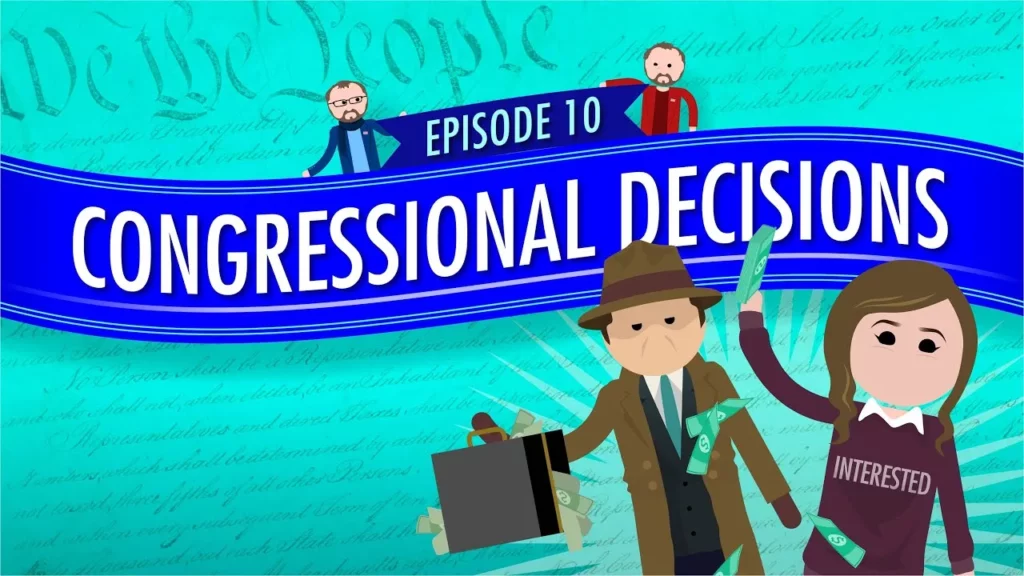
The lesson on “Understanding Congressional Decision-Making” explores the various influences that shape the decisions of Congress members, emphasizing the roles of constituents, interest groups, and political parties. It highlights how representatives prioritize constituent opinions and public sentiment, the informational role of interest groups in the legislative process, and the significant impact of party dynamics on voting behavior and legislative agendas. Overall, the lesson underscores the complexity of congressional decision-making and the interplay of different factors that affect how lawmakers represent the American public.
Torque: Physics #12

In the lesson “Understanding Motion: The Great Ramp Race,” students explore the concepts of rotational motion, torque, and moment of inertia through an experiment where a box, a ring, and a marble race down a ramp. The box wins the race by converting all its gravitational potential energy into translational kinetic energy, while the marble and ring, which roll down, split their energy between translational and rotational motion, resulting in slower speeds. This experiment illustrates the intricate relationship between rotational and translational dynamics in physics.
Sensation and Perception: Psychology #5
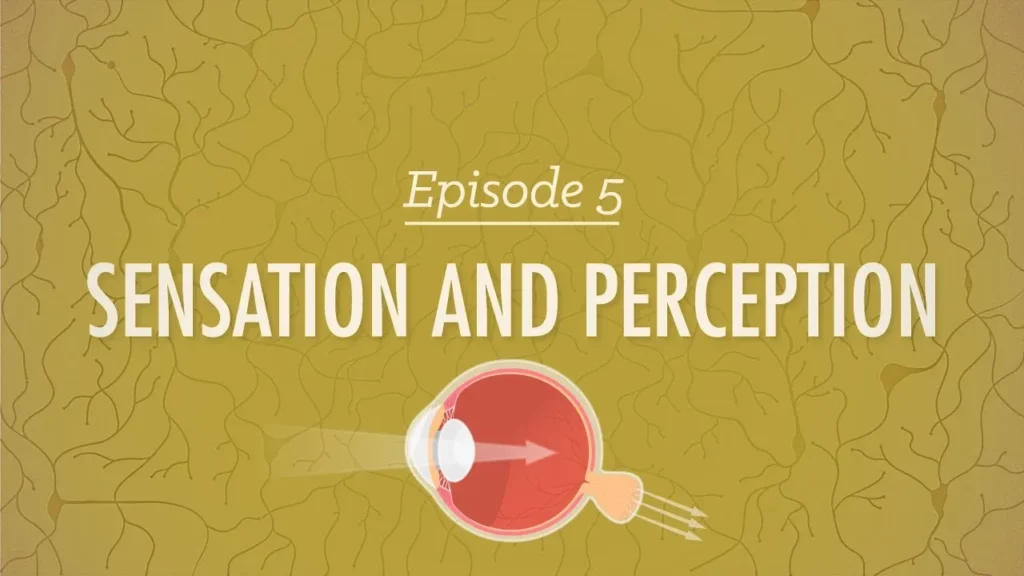
The lesson explores the life and experiences of Oliver Sacks, particularly his struggle with prosopagnosia, a condition that impairs facial recognition. It delves into the mechanisms of sensation and perception, highlighting how the brain processes visual information and the specific role of the fusiform gyrus in recognizing faces. By examining concepts like absolute threshold, signal detection theory, and the mechanics of vision, the lesson provides a deeper understanding of how we perceive our surroundings and the complexities of human cognition.
Central Nervous System: Anatomy & Physiology #11
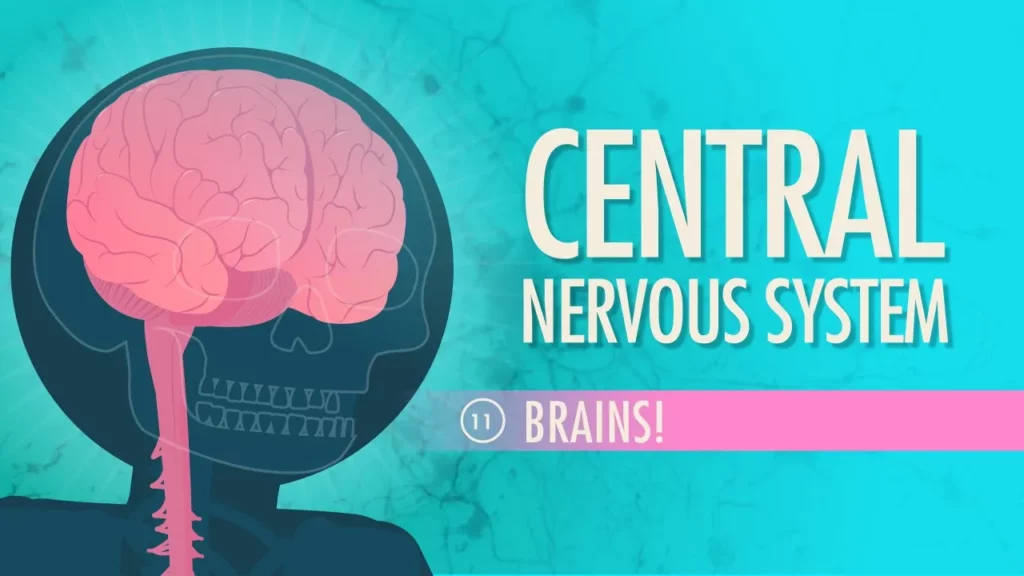
The lesson explores the intricate structure and functions of the brain, illustrated through the personal story of James, who experienced Broca’s aphasia after a stroke. It highlights the brain’s vulnerability and protective mechanisms, details its developmental stages from a neural tube to complex structures, and explains the specialized functions of different brain lobes. Overall, the lesson emphasizes the interconnectedness of the brain and body, showcasing the brain’s vital role in our daily lives and its capacity for recovery and adaptation.
Reproductive System, Part 2 – Male Reproductive System: Anatomy & Physiology #41
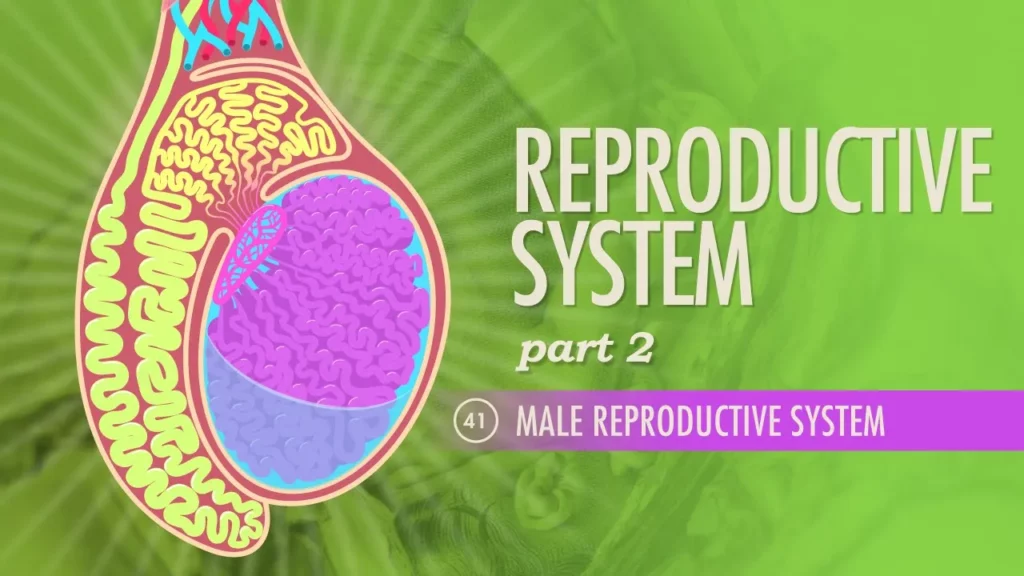
The lesson explores the contrasting reproductive strategies of males and females, highlighting the significant biological and emotional investments involved in reproduction. Females invest heavily in the production of a single egg, which requires extensive development and commitment, while males focus on quantity, producing millions of sperm to enhance their chances of successful fertilization. This examination of male reproductive anatomy and processes illustrates the complexities of human reproduction and the differing approaches taken by each sex.
The Industrial Economy: US History #23
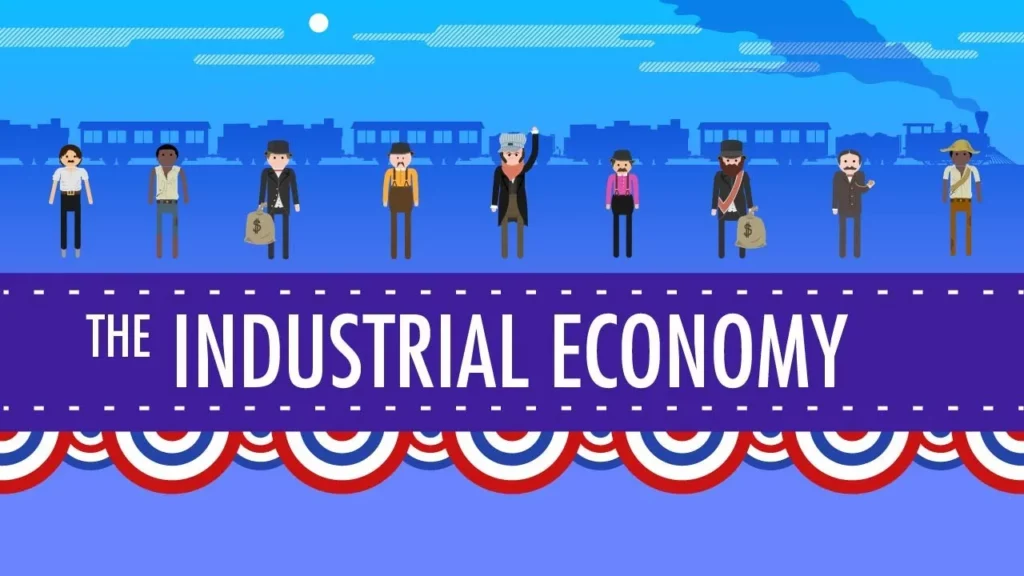
The lesson explores the transformative period of post-Civil War America, during which the nation transitioned from an agrarian society to a leading industrial power, driven by factors such as abundant natural resources, a surge in population due to immigration, and supportive government policies. It highlights the critical role of railroads in facilitating trade and the emergence of influential industrialists, while also addressing the rise of labor unions in response to poor working conditions and the social implications of economic inequality, exemplified by the ideology of Social Darwinism. Ultimately, this era set the stage for modern capitalism and ongoing discussions about wealth and social justice.