
Cycles in the Sky: Astronomy #3
The lesson “Understanding the Night Sky: A Journey Through Time and Space” explores the dynamic nature of the night sky, emphasizing how the Earth’s rotation, orbit, and axial tilt influence our perception of stars and constellations throughout the year. It highlights the importance of observing celestial movements, which serve as natural clocks and calendars, and encourages a reconnection with stargazing to foster appreciation for the universe. Additionally, it clarifies common misconceptions about the seasons and the precession of the Earth’s axis, illustrating how these factors shape our understanding of time and space.
Globalization and Trade and Poverty: Economics #16
The lesson on “Understanding Poverty and Extreme Poverty” explores the definitions, causes, and potential solutions to these pressing global issues. It highlights the progress made in reducing extreme poverty through factors like globalization and education, while also addressing the challenges that remain, such as sustainability and fair labor practices. Additionally, it emphasizes the role of microcredit in empowering individuals to improve their economic situations and the importance of continued efforts to create a more equitable future.
The Nervous System, Part 3 – Synapses!: Anatomy & Physiology #10
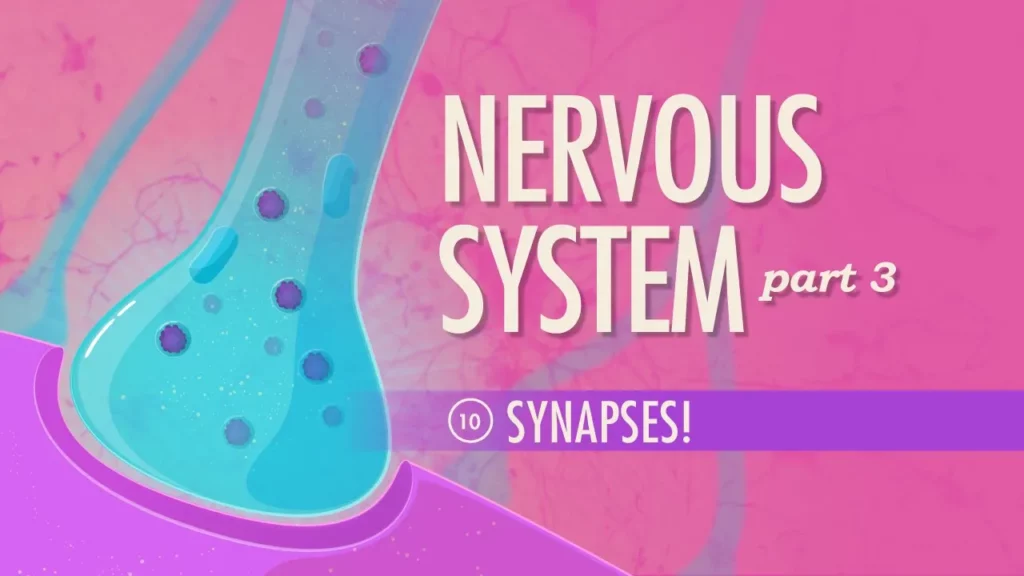
The lesson on synapses highlights their crucial role as the connections between neurons that facilitate communication within the nervous system. It explains the two main types of synaptic communication—electrical and chemical—emphasizing how chemical synapses utilize neurotransmitters to transmit signals, influencing everything from learning and memory to mood regulation. Understanding synapses is essential for grasping the complexities of brain function and the impact of substances like drugs on mental health.
Foreign Policy: Government and Politics #50
The lesson on foreign policy highlights its complex and often contradictory nature, emphasizing its crucial role in shaping both national and global landscapes. It outlines the key components and goals of U.S. foreign policy, including security, economic prosperity, and global improvement, while also discussing the formation process primarily led by the President with limited Congressional influence. Ultimately, the lesson underscores the importance of understanding foreign policy for informed civic participation, as its decisions significantly impact the lives of citizens.
What Is Myth? World Mythology #1
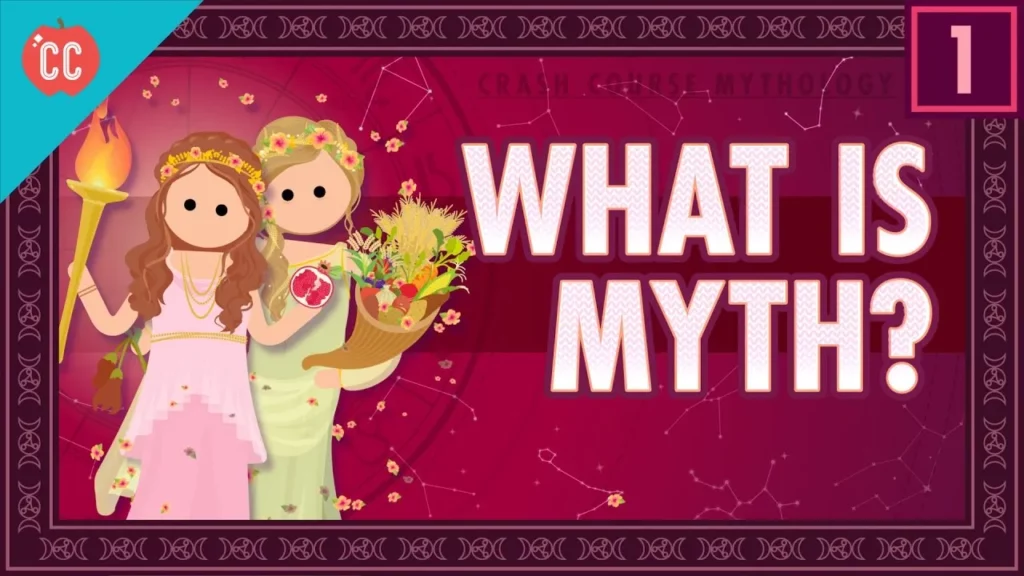
This lesson introduces the intriguing subject of mythology, highlighting its connections to various fields such as literature, history, and psychology. It emphasizes the complexity of myths, their diverse interpretations, and their cultural significance, while distinguishing them from folktales and fairy tales. The lesson sets the stage for a deeper exploration of creation myths, gods, and hero stories, illustrating how these ancient narratives continue to resonate in contemporary society.
The Montgomery Bus Boycott: Black American History #35
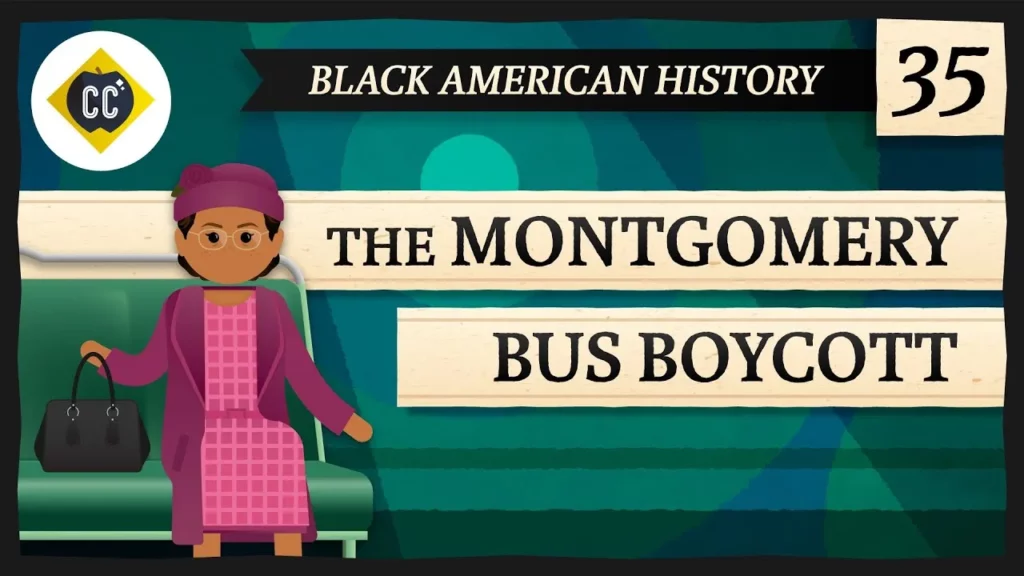
The Montgomery Bus Boycott, which lasted from December 1955 to December 1956, was a pivotal event in the fight against segregation in the United States, sparked by Rosa Parks’ arrest for refusing to give up her bus seat to a white passenger. Organized primarily by the Women’s Political Council and led by figures like Martin Luther King Jr., the boycott involved around 40,000 participants and resulted in a significant financial impact on the city, ultimately leading to a federal court ruling that declared bus segregation unconstitutional. This moment not only marked a successful non-violent protest against unjust laws but also laid the groundwork for the broader civil rights movement, highlighting both the progress made and the ongoing challenges faced by activists.
Social Class & Poverty in the US: Sociology #24
The lesson on “Understanding Social Class in America” explores the complexities of social class beyond mere financial status, emphasizing definitions by theorists like Karl Marx and Max Weber. It outlines five distinct social classes in the U.S.—upper class, upper middle class, average middle class, working class, and lower class—each with unique characteristics and challenges, particularly in relation to poverty, which affects various demographics disproportionately. The lesson highlights the systemic issues contributing to economic vulnerability and the importance of recognizing the broader social and economic structures at play.
Graffiti, Street Art & Murals: What We Learn from Public Art
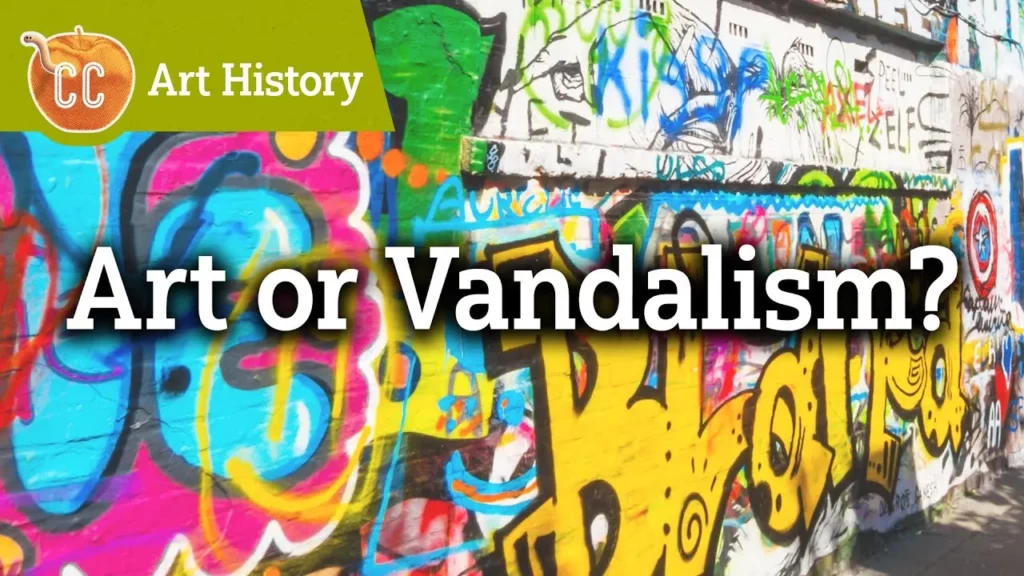
The lesson highlights the historical significance and evolving nature of independent public art, tracing its roots from ancient civilizations to modern expressions like graffiti and street art. It emphasizes the role of this art form in community engagement, political expression, and its transition from rebellion to mainstream acceptance, while also addressing the challenges of impermanence and documentation. Ultimately, independent public art serves as a vital medium for reflecting societal issues and fostering global activism.
Judicial Review: Government and Politics #21
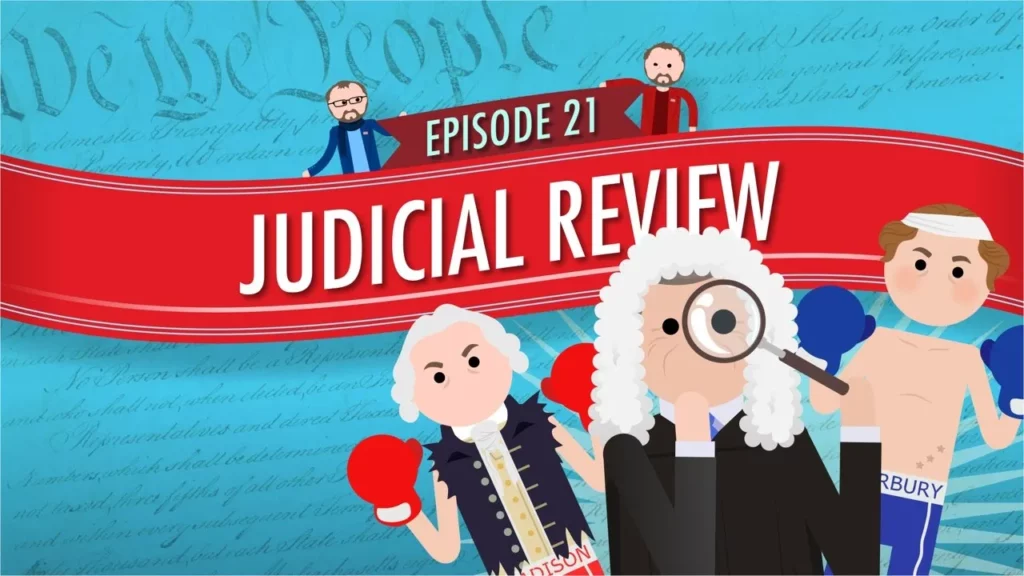
The lesson on judicial review highlights its significance as the Supreme Court’s power to determine the constitutionality of laws and actions taken by both federal and state governments. Originating from the landmark case *Marbury v. Madison* in 1803, judicial review serves as a critical mechanism for maintaining the balance of power among government branches and protecting individual rights, despite ongoing debates about its implications for democracy and the separation of powers.
How to Sell Anything: Entrepreneurship #12
The lesson “Transforming Your Side Hustle into a Full-Time Business” emphasizes the importance of building relationships and understanding customer needs through effective sales strategies. It highlights the significance of emotional appeals in sales, the necessity of establishing a strong online presence, and the value of generating leads to create a loyal customer base. Ultimately, it reassures aspiring entrepreneurs that selling is a skill that can be developed through listening and meaningful engagement.