
Economic Systems and Macroeconomics: Economics #3
The lesson on “Understanding Economic Systems: A Dive into Macroeconomics” explores the fundamental concepts of economic systems, focusing on how societies manage resources amidst scarcity. It examines the distinctions between planned economies, such as communism and socialism, and market economies, highlighting the role of government in regulating and supporting economic activities. The lesson emphasizes the importance of understanding these systems to engage in discussions about the balance of government intervention and market forces in shaping economies.
Specialization and Trade: Economics #2
The lesson on “Understanding Economics: Scarcity, Choices, and Specialization” highlights the fundamental economic principles of scarcity, specialization, and trade. It explains how limited resources necessitate making choices, and how the division of labor, as introduced by Adam Smith, enhances productivity and efficiency. By focusing on comparative advantages and engaging in trade, countries can improve their overall prosperity, demonstrating the importance of these concepts in both historical and contemporary economic contexts.
Ampère’s Law: Physics #33
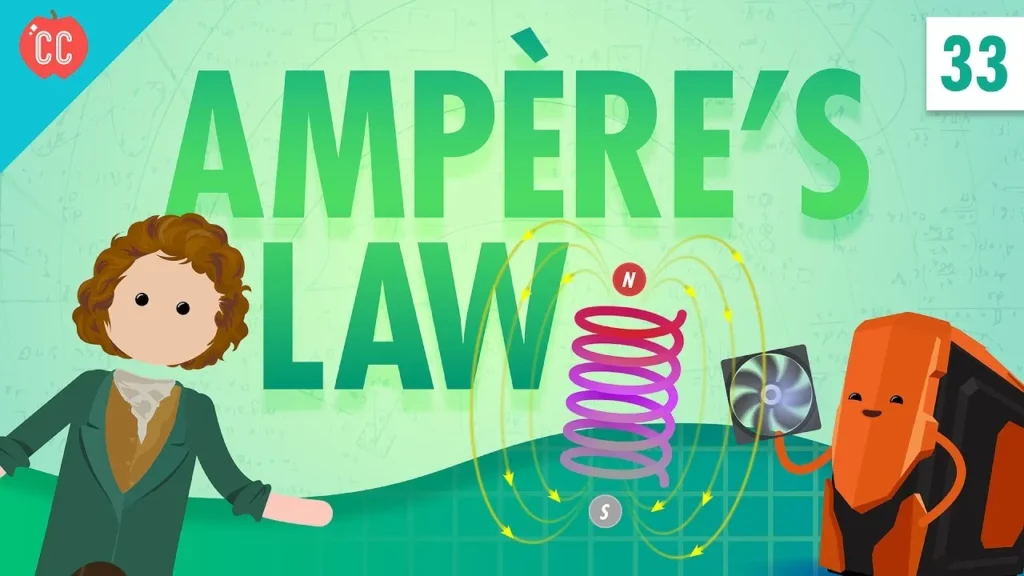
The lesson explores the discovery of Ampère’s Law, which emerged from André-Marie Ampère’s experiments on the relationship between electric currents and magnetic fields, following Hans Christian Oersted’s initial findings in 1820. Ampère observed that parallel wires carrying electric currents either attract or repel each other depending on the direction of the currents, leading to the formulation of Ampère’s Law, which mathematically describes the magnetic field generated by electric currents. This foundational understanding of electromagnetism has significant technological implications, particularly in the operation of electric motors that power various devices in our daily lives.
Adolescence: Psychology #20
This lesson explores developmental psychology through the lens of the film *The Breakfast Club*, illustrating the complexities of adolescence and identity formation. By examining the characters’ struggles with identity versus role confusion, the lesson highlights Erik Erikson’s eight stages of psychosocial development, emphasizing the ongoing nature of personal growth from adolescence to late adulthood. Ultimately, it underscores the importance of navigating life’s challenges and the evolving understanding of aging and its psychological effects.
Vision: Anatomy & Physiology #18
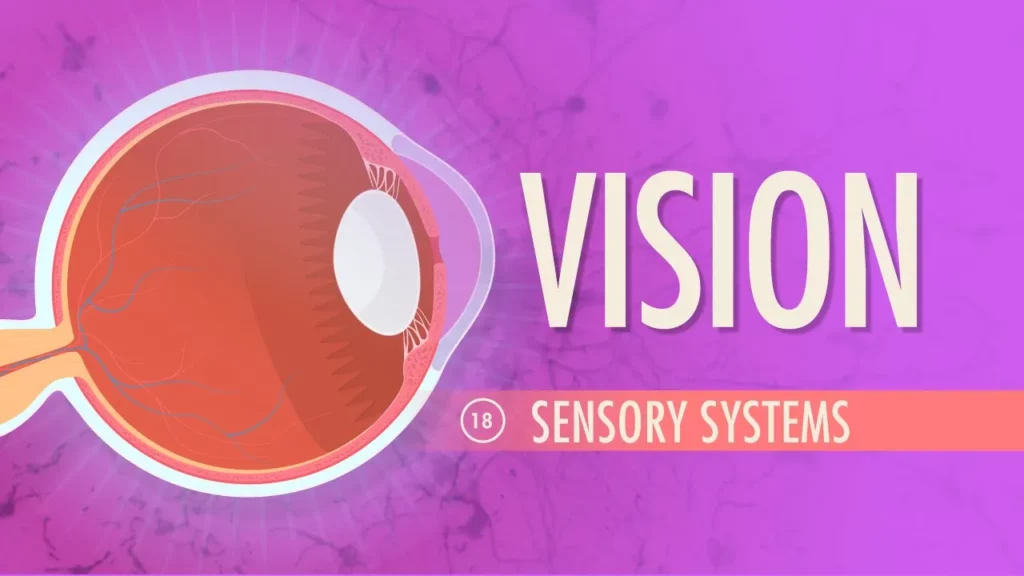
This lesson explores the fascinating world of optical illusions and the complexities of human vision, highlighting how our eyes and brain collaborate to interpret visual information. It discusses the anatomy of the eye, including the roles of rods and cones in processing light, and explains phenomena like afterimages through engaging experiments. By understanding these concepts, we gain insight into the intricate mechanisms behind our perception of the world.
Joints: Anatomy & Physiology #20
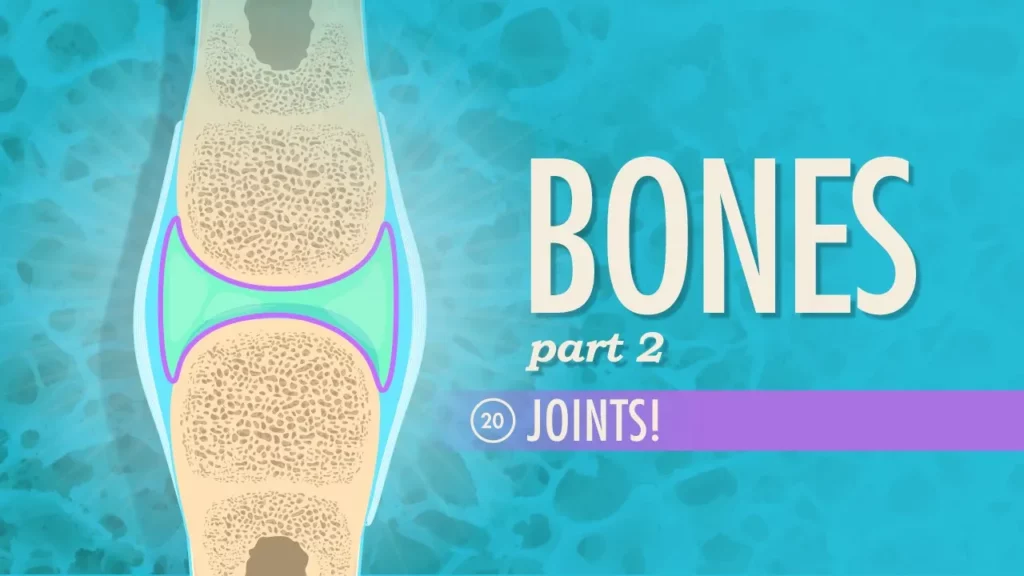
The lesson provides a comprehensive overview of the human skeletal system, detailing its structure, including the axial and appendicular skeletons, and the various types of joints that facilitate movement. It categorizes joints based on their structure and function, explaining how different movements—such as gliding, angular, and rotational movements—are enabled by these joints. This foundational knowledge is crucial for students of anatomy and physiology, as it sets the stage for deeper exploration of human anatomy.
Eukaryopolis – The City of Animal Cells: Biology #4
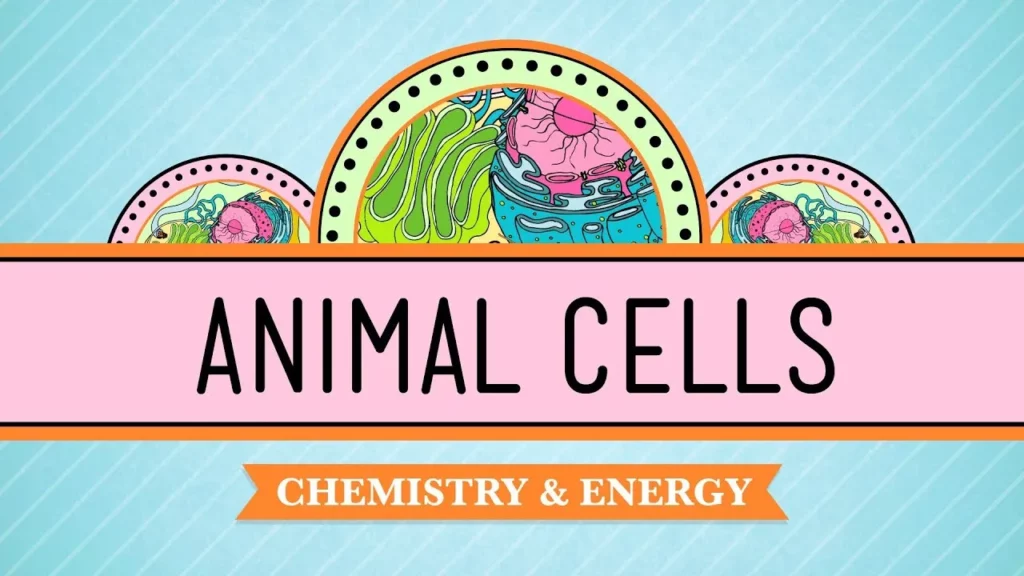
The lesson explores the fascinating world of animal cells, highlighting their classification as eukaryotic cells with a true nucleus and various organelles that perform essential functions. It contrasts animal cells with plant cells, emphasizing their flexibility and ability to form complex structures. By using a city analogy, the lesson illustrates the organization and roles of different cell components, ultimately showcasing the complexity and importance of these cellular systems in the broader context of life.
What Is Sociology?: Sociology #1
The lesson on sociology introduces the field as a scientific approach to understanding society and human behavior, tracing its origins to Auguste Comte in the 19th century. It emphasizes the interconnectedness of individual actions and societal structures, highlighting key concepts such as social location, marginalization, and power dynamics. Ultimately, sociology aims to deepen our understanding of social issues to inform public policy and drive social change.
Lab Techniques & Safety: Chemistry #21
This lesson emphasizes the importance of laboratory safety to prevent injuries while conducting experiments. Key safety measures include wearing appropriate personal protective gear, understanding the hazards of materials, using equipment correctly, and knowing emergency procedures. By adhering to these guidelines, individuals can create a safer lab environment and enhance their learning experience.
Taxes & Smuggling – Prelude to Revolution: US History #6
The lesson provides a comprehensive overview of the American Revolution, highlighting the complex factors that fueled the desire for independence beyond just taxation. Key events, such as the aftermath of the Seven Years War, the rise of colonial unity through protests, and influential works like Thomas Paine’s *Common Sense*, illustrate how economic, political, and social tensions culminated in a revolutionary movement. Ultimately, the Revolution established the foundation for the United States, shaping its identity and values.