
Muscles, Part 2 – Organismal Level: Anatomy & Physiology #22
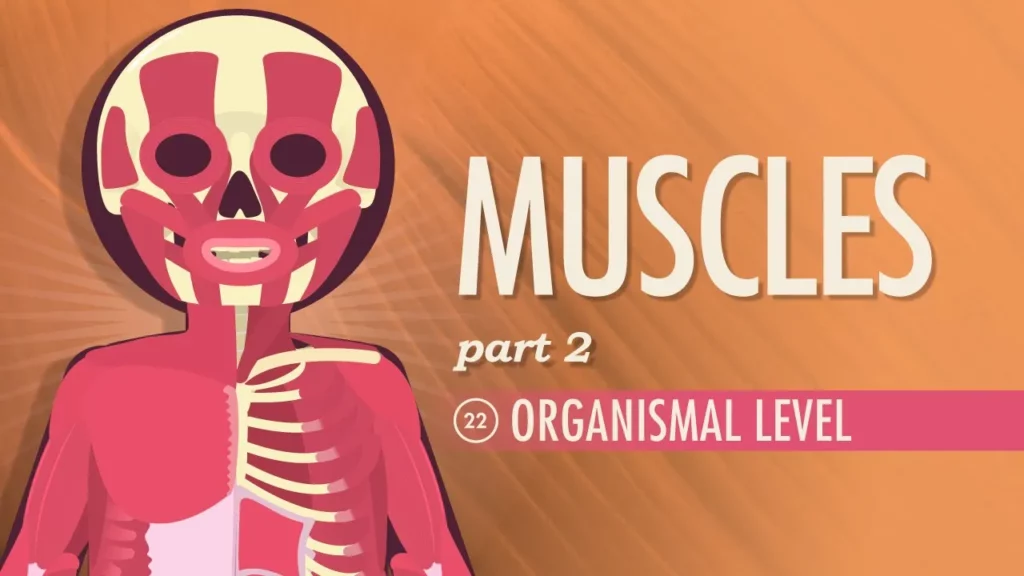
The lesson on skeletal muscles highlights their diverse functions beyond just heavy lifting, emphasizing that there are 640 skeletal muscles in the human body that facilitate a wide range of movements, from delicate tasks to powerful actions. It explains the mechanics of muscle contraction, the roles of different muscle groups (prime movers, antagonists, synergists, and stabilizers), and how muscles generate force through isotonic and isometric contractions, as well as graded muscle responses. Overall, the lesson underscores the complexity and importance of skeletal muscles in human movement.
Three Colors – Blue: Film Criticism #11

Krzysztof Kieślowski’s film *Blue* serves as a profound exploration of grief and the quest for liberation, centered around the character Julie, who grapples with the tragic loss of her family. Through the use of color, sound, and intimate character study, the film illustrates Julie’s journey from despair to healing, emphasizing the importance of connection and creativity in overcoming emotional pain. Ultimately, *Blue* invites viewers to reflect on the complexities of loss and the potential for renewal amidst sorrow.
The Physics of Music: Physics #19

The lesson explores the scientific principles behind how musical instruments produce sound, focusing on the concept of standing waves. It explains the nature of sound waves, the formation of standing waves through reflection and interference, and the roles of nodes and antinodes in different types of instruments. By understanding these principles, one can appreciate how instrument design influences sound quality and why various instruments create distinct sounds even when playing the same note.
Party Systems: Government and Politics #41
The lesson on the evolution of American political parties outlines the historical development of these parties from the early years without formal factions to the present-day two-party system. It highlights key periods, including the formation of the first party system with the Federalists and Democratic-Republicans, the emergence of the Democratic and Whig parties, and the impact of issues like slavery and civil rights on party alignment. Ultimately, the lesson emphasizes the continuous change in American political dynamics and the significant role third parties play in influencing political discourse.
Political Thought in the Harlem Renaissance: Black American History #27

The Harlem Renaissance was a pivotal era in American history marked by a flourishing of Black art and literature, alongside significant political activism aimed at addressing systemic racism and advocating for civil rights. Central to this movement was the emergence of the “New Negro,” who sought direct action for political equality, as exemplified by organizations like the NAACP and the Universal Negro Improvement Association, led by figures such as A. Philip Randolph and Marcus Garvey. Together, these artists and activists not only challenged the status quo but also laid the foundation for future civil rights movements, asserting the dignity and rights of Black Americans.
Beasts of No Nation: Film Criticism #14
The lesson explores the profound impact of child soldiers as depicted in the film “Beasts of No Nation,” directed by Cary Fukunaga. Through the story of Agu, a young boy transformed into a soldier amidst civil war, the film highlights the psychological trauma and loss of innocence experienced by children in conflict. Fukunaga’s innovative cinematic techniques and emotional soundscapes immerse viewers in Agu’s harrowing journey, ultimately conveying a message of resilience and hope despite the horrors of war.
Water – Liquid Awesome: Biology #2
The lesson highlights the essential properties of water that make it vital for life on Earth, including its ability to exist in three forms, its role as a universal solvent, and its unique characteristics such as cohesion, adhesion, and high heat capacity. These properties not only support biological processes but also regulate climate and temperature, underscoring the importance of water in sustaining life. Understanding these attributes emphasizes the need to protect this precious resource as we continue to explore the possibility of life beyond our planet.
Astrophysics and Cosmology: Physics #46
The lesson “Understanding the Universe Through Physics” delves into the roles of astrophysicists and cosmologists in exploring the cosmos, emphasizing the vastness of space and the complexities of celestial phenomena. Key concepts such as measuring cosmic distances, the Doppler effect, the Big Bang Theory, and the mysteries of dark energy and dark matter illustrate the ongoing quest for knowledge in understanding the universe. As research continues to evolve, each discovery enhances our comprehension of the cosmos and our place within it.
Women in the 19th Century: US History #16
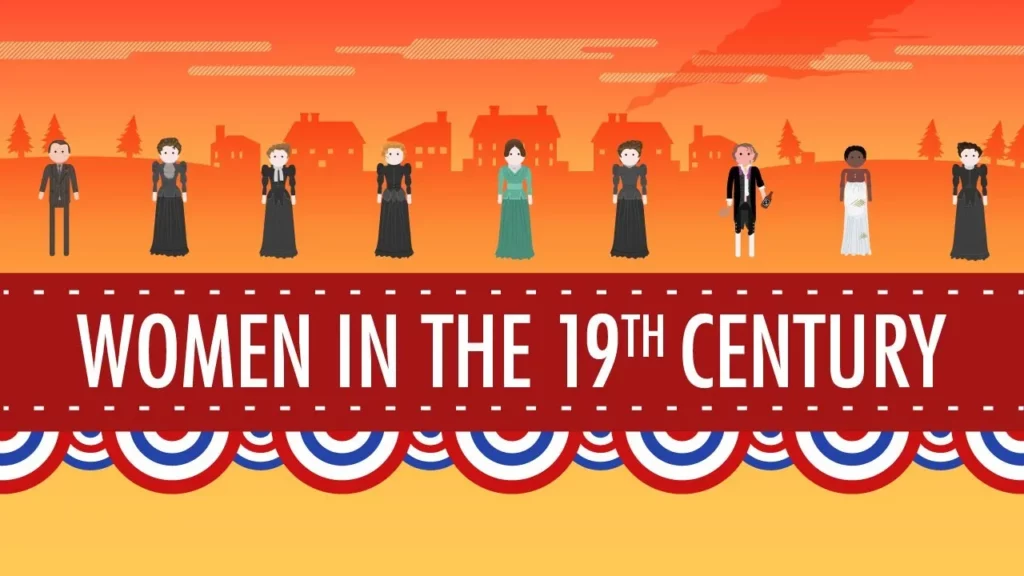
The lesson “Wonder Women: The Role of Women in Pre-Civil War America” explores how women began to challenge societal norms and assert their rights during this pivotal period in U.S. history. It highlights the transition from the restrictive roles defined by coverture and the cult of domesticity to active participation in reform movements, including temperance and abolitionism, culminating in the Seneca Falls Convention of 1848. Ultimately, the lesson emphasizes that women’s advocacy efforts not only shaped their own rights but also laid the foundation for future social justice movements.
How the Environment Affects Your Health: Public Health #3
The lesson emphasizes the significant impact of environmental factors on public health, illustrated by Chicago’s experiences during the 1995 heat wave and the COVID-19 pandemic. It highlights how disparities in infrastructure, social cohesion, and safety contribute to unequal health outcomes in marginalized neighborhoods, underscoring the urgent need for environmental justice and targeted strategies to improve community resilience and health equity. By addressing both natural and built environmental determinants, we can work towards healthier outcomes for all populations.