
Islam, the Quran, and the Five Pillars: World History #13

The lesson provides an overview of Islam, detailing its origins in the 7th century CE with the prophet Muhammad and the core beliefs that define the faith, including the importance of the Quran and the Five Pillars of Islam. It highlights the rapid expansion of Islam from a small community to a vast empire, emphasizing its influence on trade, learning, and global culture, while also noting the religion’s enduring significance in contemporary society. Understanding Islam is crucial for recognizing its historical and cultural impact worldwide.
Japan in the Heian Period and Cultural History: World History 227
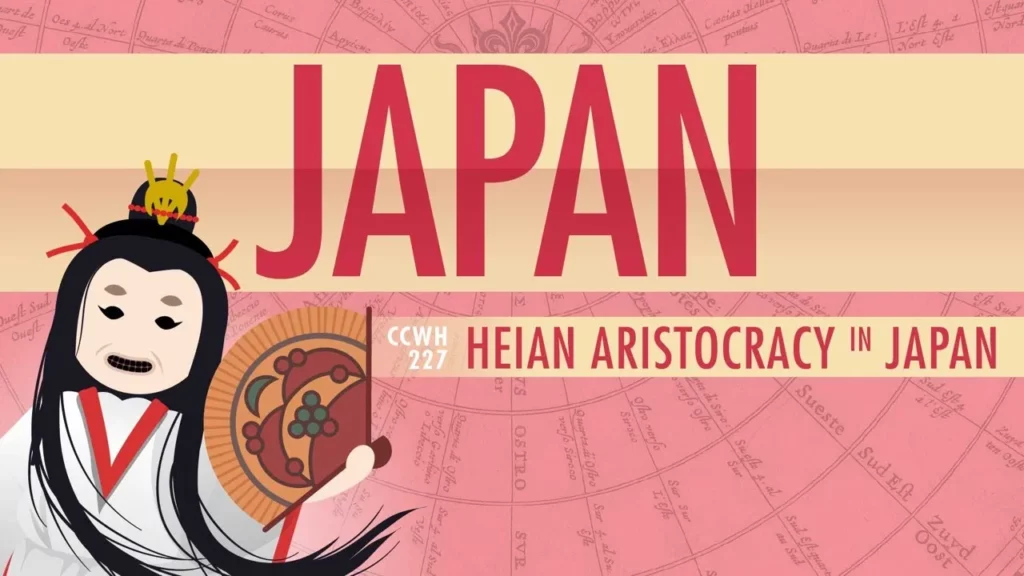
The Heian period (782-1167 CE) was a pivotal era in Japanese history, marked by significant cultural achievements, particularly in literature, with notable works like *The Tale of Genji* by Lady Murasaki Shikibu. This period showcased a unique blend of Chinese influences and Japanese traditions, especially among the aristocracy, who lived in a highly hierarchical society. Despite facing political and economic challenges, the Heian period flourished in cultural expression, especially through the contributions of women, offering valuable insights into the emotional and social dynamics of the time.
Buddha and Ashoka: World History #6

The lesson on “Understanding India’s Complex History” explores the rich and diverse tapestry of India’s past, highlighting key elements such as the Vedas, the caste system, and the philosophical concepts of dharma, saṃsāra, moksha, and karma. It also discusses the emergence of Buddhism through Siddhartha Gautama and the unique leadership of Ashoka, who promoted ethical governance based on Buddhist principles. Ultimately, the lesson emphasizes the interplay between Hinduism and Buddhism and how these elements have shaped India’s cultural and social landscape over millennia.
Do the Right Thing: Film Criticism #6

Spike Lee’s film *Do the Right Thing* offers a profound exploration of race and community dynamics within a Brooklyn neighborhood, highlighting the complexities of racial tensions and social justice. Set against the backdrop of a sweltering summer day, the film presents a diverse cast of characters whose interactions culminate in a tragic climax that critiques systemic racism and challenges viewers to reflect on their own beliefs. Through innovative cinematic techniques and a nuanced portrayal of activism, Lee’s work remains relevant, prompting ongoing discussions about race and morality in society.
Fall of The Roman Empire…in the 15th Century: World History #12
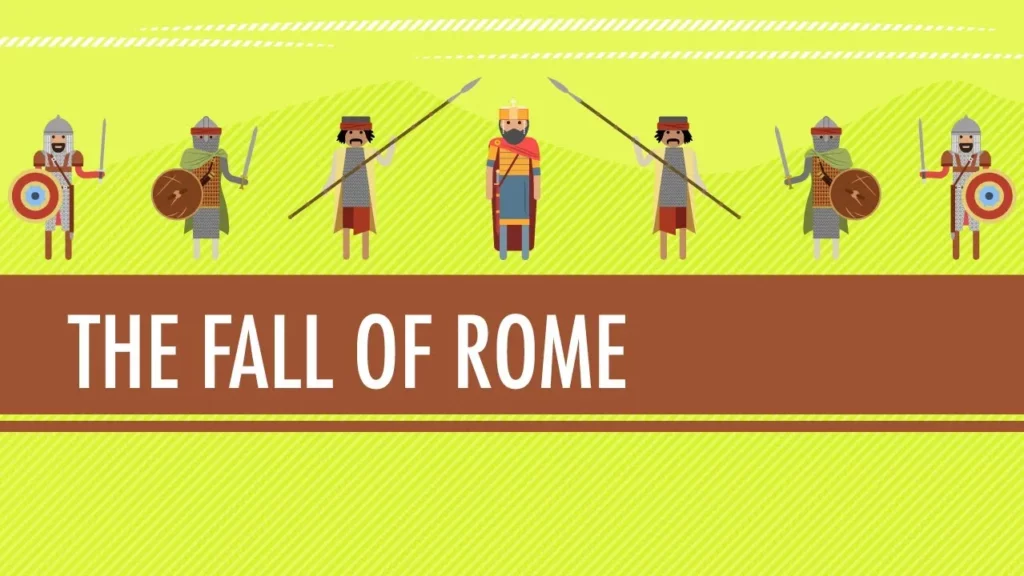
The lesson on “The Fall of Rome: A Historical Perspective” examines the complexities surrounding the end of the Western Roman Empire in 476 CE and its enduring legacy through the Byzantine Empire. It discusses traditional narratives of barbarian invasions, the challenges of managing an expansive empire, and the decline of Roman military power, while highlighting how the Byzantine Empire preserved Roman traditions and governance for nearly a thousand years. Ultimately, the lesson emphasizes the lasting influence of Rome on modern legal systems, cultural identities, and historical narratives.
Copyright Basics: Intellectual Property #2

The lesson on copyright law provides an overview of its purpose, historical background, and key principles, emphasizing the exclusive rights granted to creators over their original works. It outlines the types of works eligible for protection, the rights of authors, and the limitations of copyright, highlighting the importance of intellectual property in fostering creativity and cultural progress. Understanding these concepts is essential for navigating the complexities of copyright in the digital age.
Taxes: Economics #31
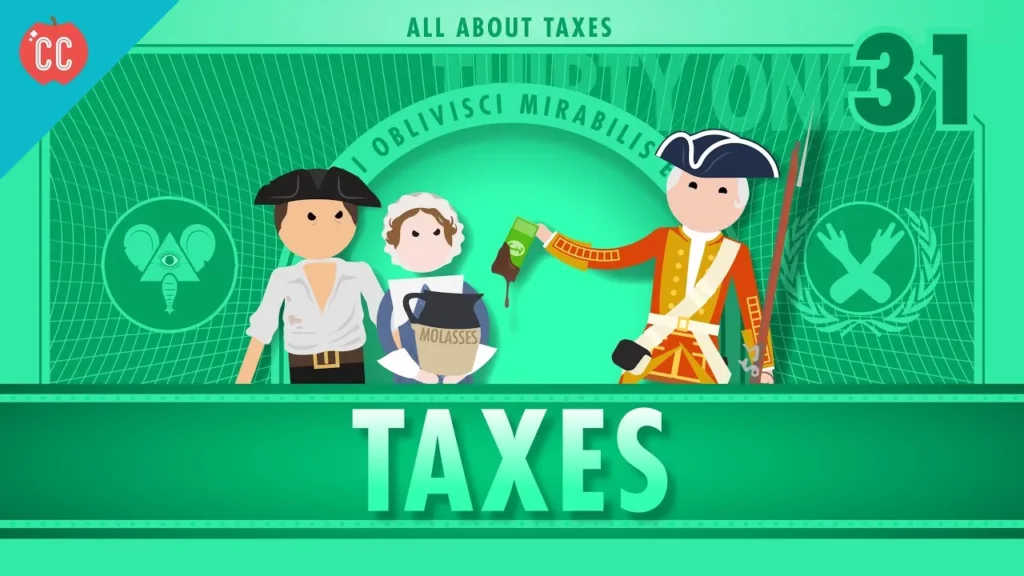
The lesson on “Understanding Taxes: Their Purpose and Impact” explores the historical context, goals, and types of taxation, highlighting their essential role in funding government services, promoting social welfare, and redistributing wealth. It distinguishes between direct and indirect taxes, as well as regressive, progressive, and proportional tax systems, while emphasizing the societal impact of tax policies. Ultimately, the lesson underscores the importance of understanding taxes as a necessary component of a functioning society, despite the common aversion to them.
The Enlightenment: European History #18
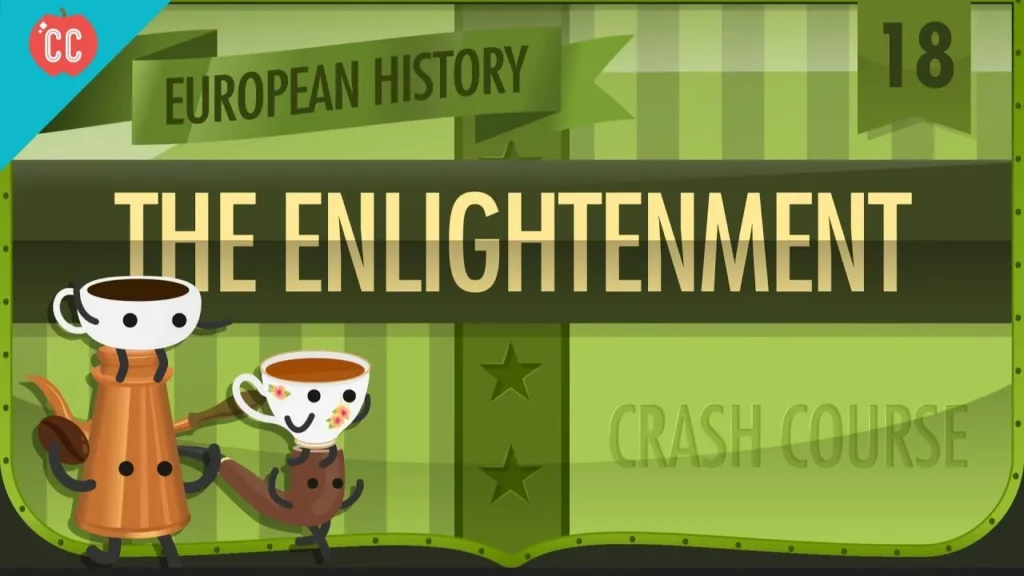
The Enlightenment was a transformative era in European history that encouraged critical thinking and challenged traditional beliefs about society, government, and human rights. This period saw a shift from supernatural explanations of natural events to rational inquiry, leading to significant social and philosophical advancements, including critiques of inequality and the promotion of individual rights. The legacy of the Enlightenment continues to influence contemporary discussions on democracy and social justice.
100 Years of Solitude Part 1: Literature 306
The lesson on Gabriel García Márquez’s “One Hundred Years of Solitude” explores the novel’s rich themes of identity, memory, and the cyclical nature of history through the lens of magical realism. Set in the fictional town of Macondo, the story follows the Buendía family across six generations, highlighting how personal and collective identities are shaped by recurring traits and mistakes. Through its non-linear narrative and fantastical elements, the novel challenges readers to reconsider their understanding of history and the complexities of human existence.
Economic Schools of Thought: Economics #14
The lesson “Understanding Economic Ideologies: A Historical Perspective” explores the evolution of economic thought through key figures and their contributions, from Malthus’s warnings about population growth to Keynes’s advocacy for government intervention during economic downturns. It highlights the ongoing debates between various schools of thought, including classical economics, Marxism, and modern approaches like monetarism and supply-side economics, illustrating how historical ideas continue to shape contemporary economic policies. Ultimately, the lesson emphasizes the need for economic theories to adapt to the complexities of the global economy and the importance of ongoing discussions about these ideologies.