
Scientific Revolution: European History #12
The Scientific Revolution marked a pivotal shift in European thought, as individuals began to question traditional beliefs, particularly those upheld by the Catholic Church, and embraced new scientific discoveries. Key figures like Copernicus, Galileo, and Newton challenged established views of the universe, laying the groundwork for modern science through the development of the scientific method and the promotion of reason and skepticism. This era not only transformed humanity’s understanding of the cosmos but also fostered a culture of inquiry that continues to shape scientific progress today.
The Market Revolution: US History #12
The Market Revolution, occurring in the first half of the 19th century, marked a significant transformation in American society, shifting from subsistence farming to a market-oriented economy characterized by the rise of factories and technological innovations like roads, canals, railroads, and telegraphs. This era not only changed the nature of work and migration patterns, driven by the belief in manifest destiny, but also sparked intellectual responses that emphasized individualism amidst the challenges of wage labor and economic inequality. Ultimately, the Market Revolution laid the groundwork for modern America, influencing its economic, social, and cultural landscape.
Slavery – US History #13
The lesson on “The Legacy of Slavery in America” examines the enduring impact of slavery on the nation’s economy, society, and culture from its inception in 1619 to its abolition in 1865. It highlights the economic reliance on slave labor, the demographics of slavery, justifications for the institution, the brutality faced by enslaved individuals, and their acts of resistance. Understanding this complex history is vital for recognizing the ongoing effects of systemic racism and the resilience of those who fought for freedom and equality.
Enthalpy: Chemistry #18

This lesson provides an overview of energy and enthalpy, emphasizing their significance in chemical reactions. It explains how energy can be transferred as heat or work, introduces the concept of enthalpy as a state function that simplifies energy change calculations, and discusses Hess’s Law and its applications in predicting heat changes during reactions. Understanding these concepts is essential for grasping fundamental chemistry principles and their practical applications.
Soviet Montage: Film History #8
The Russian Revolution of 1917 significantly transformed the film industry, leading to the emergence of Soviet Montage, a revolutionary movement that utilized editing as a powerful tool for storytelling and propaganda. Under the Bolshevik regime, filmmakers explored innovative techniques, such as the Kuleshov Effect, to convey complex meanings and emotions through the arrangement of shots. Although the movement eventually declined with the rise of Socialist Realism, its influence persists in contemporary cinema, demonstrating the enduring impact of the revolution on filmmaking.
The American Revolution: Black American History #8
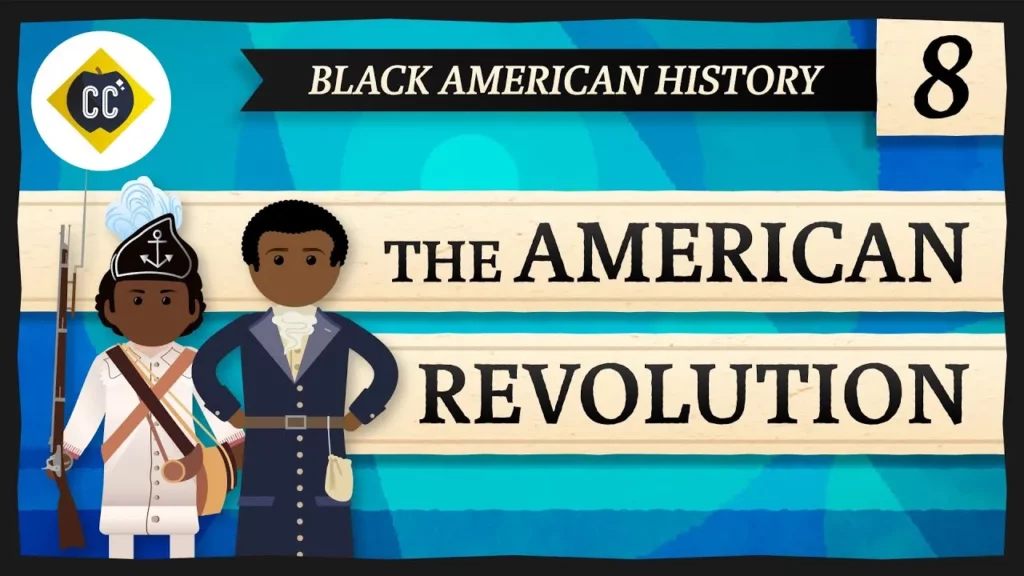
The lesson explores the significant yet often overlooked role of Black Americans in the American Revolution, highlighting the contrast between the fight for independence by white colonists and the continued oppression faced by Black individuals. Despite their contributions, including military service in hopes of gaining freedom, the revolution ultimately failed to deliver on its promises of liberty and justice for Black Americans, leaving many disillusioned and vulnerable after the war. The legacy of their sacrifices underscores the ongoing struggle for equality and justice in American history.
Controlled Experiments: Statistics #9

The lesson on “Understanding Simulations and Experiments in Research” explores the significance of simulations as virtual experiments that allow researchers to study complex issues, such as drug efficacy and climate change, without the risks of real-world experimentation. It emphasizes the importance of experimental design, randomness, control groups, and blinding techniques, particularly double-blind studies, in minimizing bias and ensuring reliable results. Ultimately, the lesson highlights how these research methods empower individuals to make informed decisions in various aspects of life.
Black Americans in the Civil War: Black American History #18
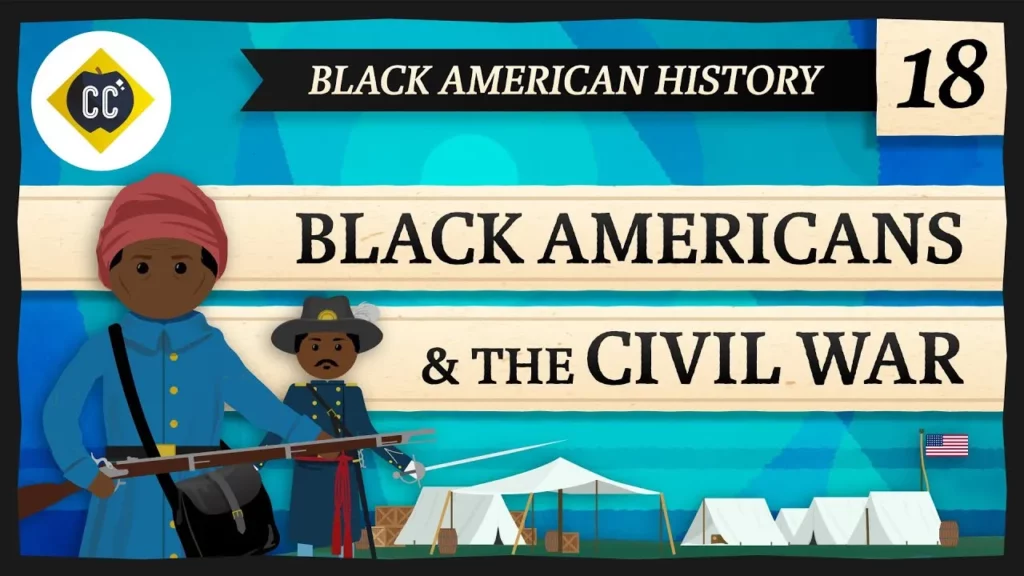
The lesson highlights the significant yet often overlooked contributions of Black Americans during the Civil War, emphasizing their role as soldiers and activists in the fight against slavery. Initially excluded from military service, Black soldiers were eventually recruited following the Emancipation Proclamation, with over 186,000 joining the Union Army and changing perceptions of Black citizenship. The lesson also acknowledges the vital contributions of Black women and notable figures like Harriet Tubman, illustrating that the Civil War was a pivotal moment for both the nation and the ongoing struggle for Black rights and equality.
When is Thanksgiving? Colonizing America: US History #2
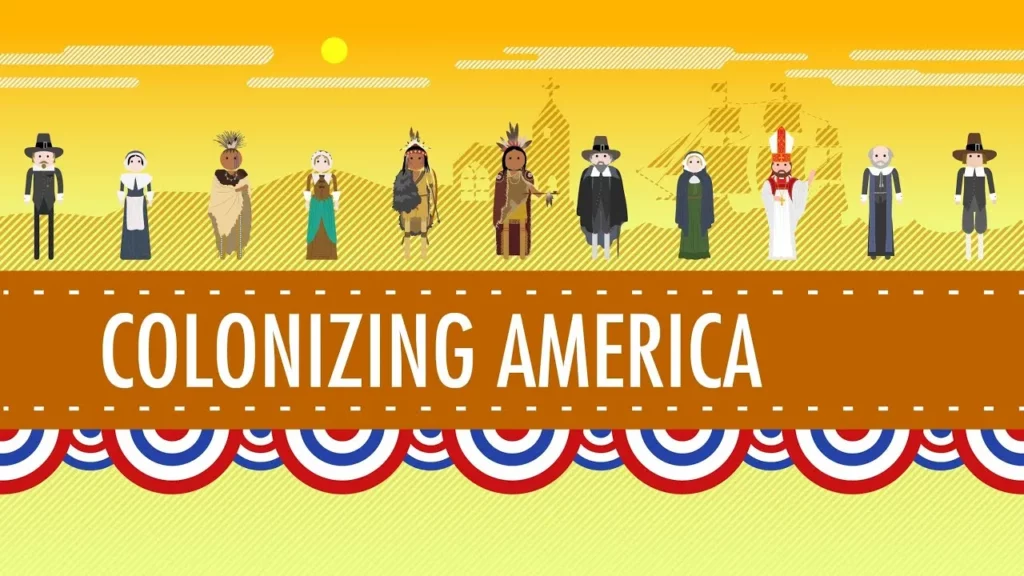
The lesson explores the early English colonies of Jamestown and Massachusetts Bay, highlighting the contrasting motivations for settlement: economic gain in Jamestown and the pursuit of religious freedom in Massachusetts. While Jamestown struggled initially but thrived through tobacco cultivation, Massachusetts Bay was founded by Puritans seeking to escape religious persecution, leading to a unique social structure and governance. Ultimately, these early settlements illustrate the complexities of American history, particularly the ongoing tensions between freedom and exclusion.
Who Even Is An Entrepreneur?: Business – Entrepreneurship #1
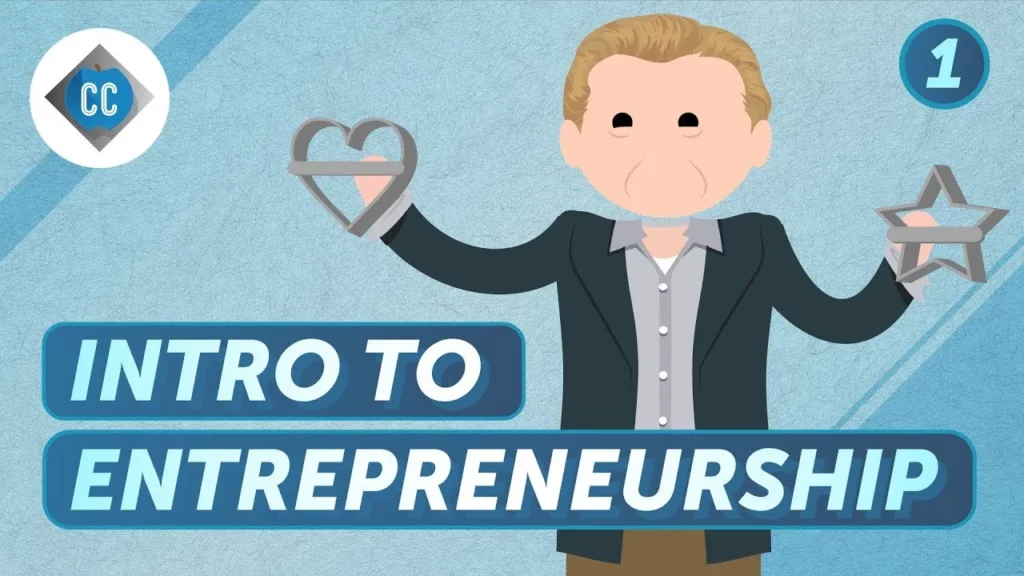
The lesson on entrepreneurship emphasizes that being an entrepreneur involves identifying market needs and taking financial risks to create solutions, with diverse paths available for individuals from various backgrounds. It highlights the evolving landscape of entrepreneurship, particularly with the rise of the gig economy, and underscores the importance of personal definitions of success and the inevitability of failure in the entrepreneurial journey. Ultimately, the lesson conveys that anyone with the right mindset and determination can embark on the entrepreneurial path.