
Georges Melies – Master of Illusion: Film History #4
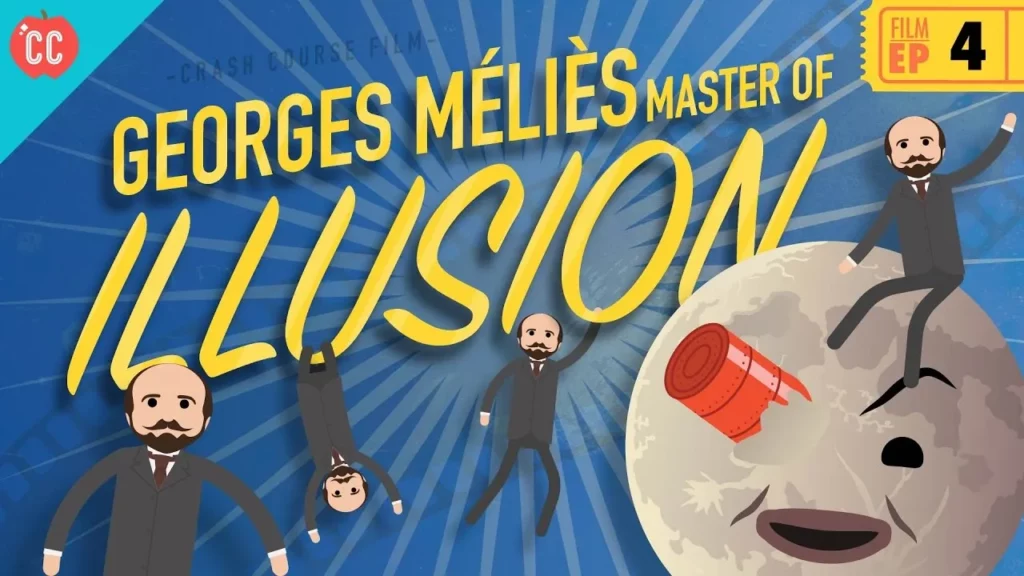
The lesson highlights the transformative impact of storytelling in early cinema, particularly through the pioneering work of Georges Méliès. As a magician turned filmmaker, Méliès utilized innovative techniques and special effects to create captivating narratives, exemplified by his iconic film *A Trip to the Moon*. His contributions laid the groundwork for modern filmmaking and showcased the power of cinema as a storytelling medium, influencing future generations of filmmakers.
Plato and Aristotle: History of Science #3
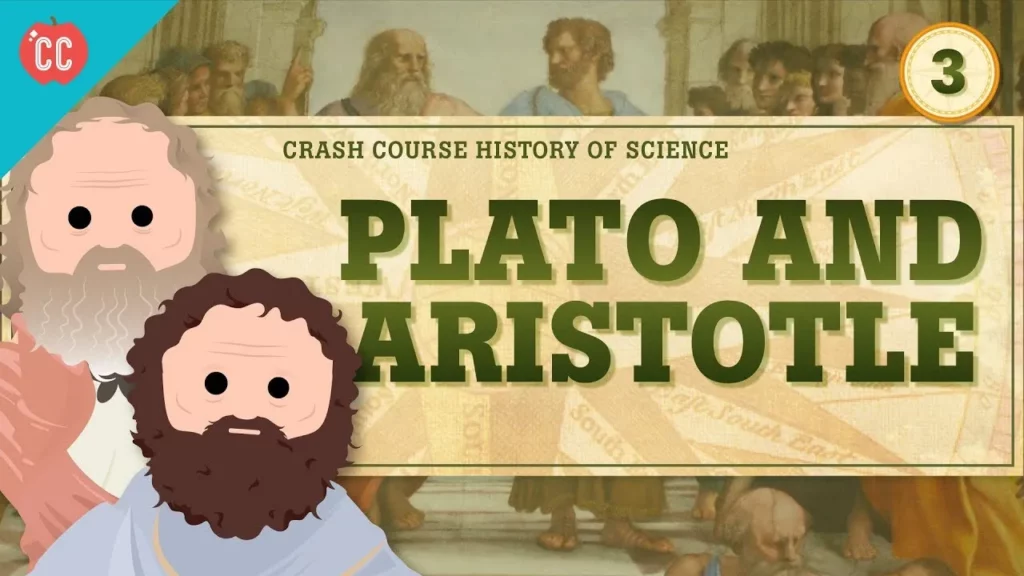
The lesson explores the foundational contributions of Socrates, Plato, and Aristotle to Western philosophy, highlighting their distinct approaches to knowledge and understanding. Socrates emphasized critical questioning to uncover truth, Plato introduced the concept of idealism with his belief in a higher reality, and Aristotle advocated for empiricism through observation and experience. Together, their legacies continue to influence contemporary thought and encourage deeper engagement with philosophical inquiries.
The Roman Empire. Or Republic. Or…Which Was It?: World History #10
The lesson explores the rise and fall of the Roman Republic, focusing on Julius Caesar’s pivotal role in this transformation. It highlights the Republic’s unique political structure, the checks on power, and the emergence of military leaders like Caesar, whose conquests and subsequent rise to power led to his assassination and the eventual shift from a Republic to an Empire. The lesson concludes by emphasizing that while Caesar was significant in this transition, the decline of the Republic was influenced by various factors, including military expansion and the concentration of power.
Nuclear Chemistry: Chemistry #38

The lesson “Understanding Radioactivity: The Science Behind the Myths” demystifies the concept of radioactivity, explaining that it involves the release of energy from unstable atomic nuclei through processes like alpha, beta, and gamma decay. It highlights the importance of nuclear chemistry, the quest for atomic stability, and the significance of half-life in understanding radioactive materials. Ultimately, the lesson emphasizes that while radioactivity can pose risks, it also offers valuable applications in energy and medicine.
Supply and Demand: Economics #4
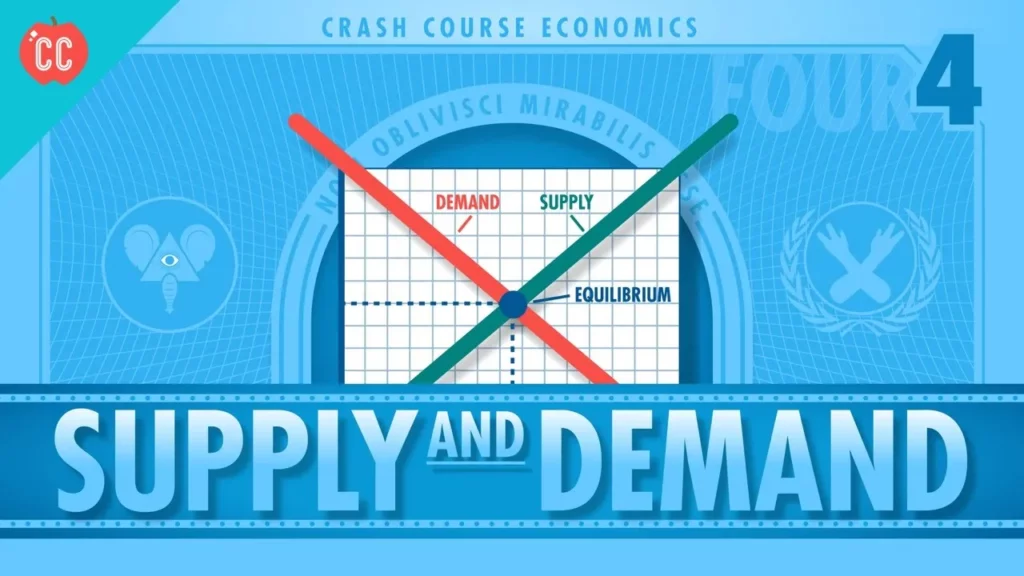
The lesson on “Understanding Markets and Supply and Demand” emphasizes the significance of markets as platforms for voluntary exchange between buyers and sellers, where mutual benefits drive transactions. It highlights how prices, influenced by supply and demand dynamics, determine resource allocation and market equilibrium, while also acknowledging the limitations of this model in certain contexts, such as essential services. Ultimately, the lesson underscores the need for regulation in specific cases to ensure fairness and efficiency in market operations.
Christianity from Judaism to Constantine: World History #11
The lesson explores the historical context of Jesus Christ, emphasizing his Jewish roots and the socio-political environment of Judea under Roman rule. It highlights how Jesus’s teachings on peace and social justice resonated with marginalized communities, leading to his eventual crucifixion and the belief in him as the Messiah. The spread of Christianity is attributed to various factors, including Roman oppression, the influential role of Paul, and the cultural appeal of the faith, ultimately transforming it into a major world religion.
Language & Meaning: Philosophy #26
The lesson explores the complexities of defining a game, highlighting that games can vary widely in nature, including competitive and non-competitive forms, as well as single-player and multi-player experiences. It delves into the philosophy of language, particularly through the perspectives of philosophers like Frege and Wittgenstein, emphasizing that meanings are shaped by usage and community context rather than fixed definitions. Ultimately, the lesson illustrates how our understanding of concepts like “game” reflects broader questions about language, communication, and the fluidity of meaning.
Copyright, Exceptions, and Fair Use: Intellectual Property #3
This lesson highlights the pervasive impact of copyright law on everyday activities, illustrating how seemingly innocuous actions, like sharing social media posts or doodling characters, can lead to significant legal repercussions for copyright infringement. It emphasizes the importance of understanding copyright exceptions, particularly the fair use doctrine, which allows certain uses of copyrighted material without infringement, while also acknowledging the unpredictability and complexity of applying these exceptions in modern society. Ultimately, the lesson calls for clearer guidelines to balance the rights of creators with the need for creativity and innovation.
Martin Luther King, Jr: Black American History #36
The lesson on Dr. Martin Luther King Jr. highlights his pivotal role in the civil rights movement, emphasizing his commitment to non-violence and social justice. It details his early life, leadership during key events like the Montgomery Bus Boycott and the Birmingham Campaign, and his collaboration with other civil rights organizations, culminating in significant legislative achievements. King’s complex legacy, marked by his advocacy for economic justice and opposition to the Vietnam War, continues to inspire contemporary movements for equality and justice.
Globalization I – The Upside: World History #41
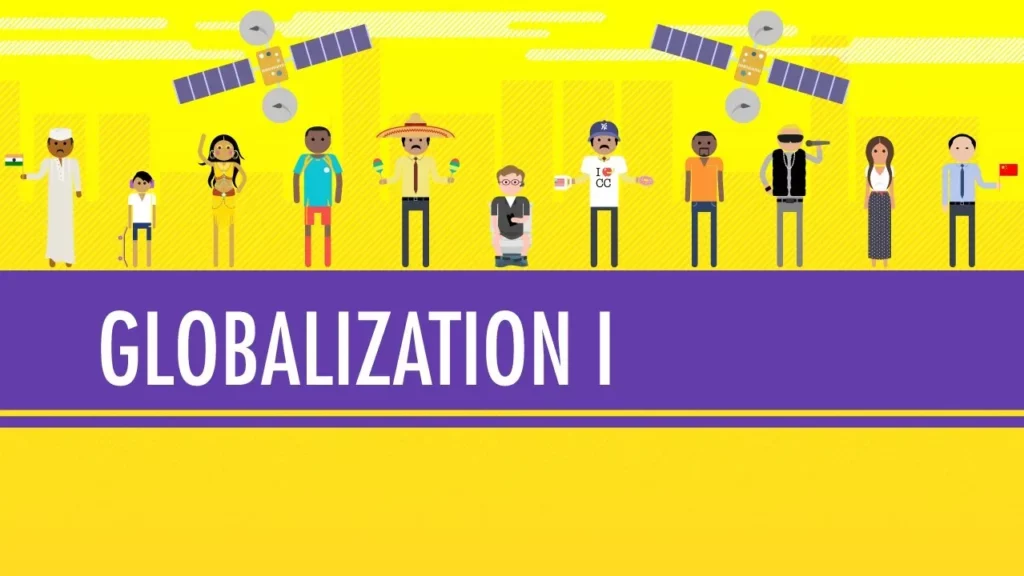
In this lesson on globalization from Crash Course World History, John Green explores the interconnectedness of trade, culture, and economic systems, emphasizing the importance of studying history to understand our daily lives. Using the example of a t-shirt, he illustrates how global trade operates through multinational corporations and advancements in transportation, highlighting both the benefits, such as economic growth and access to goods, and the challenges, including environmental issues and cultural impacts. The lesson concludes by stressing the need to recognize the complexities of globalization as we navigate its effects on our world today.