
The Epic of Gilgamesh: World Mythology #26
The *Epic of Gilgamesh* narrates the journey of a flawed king who transforms into a self-aware hero through friendship, adventure, and the confrontation of mortality. Initially a tyrant, Gilgamesh learns valuable lessons about humanity and acceptance after the death of his friend Enkidu, leading him to seek immortality but ultimately realizing the importance of living a meaningful life within human limits. His story encapsulates the essence of heroism, illustrating that true greatness lies in personal growth and the acceptance of one’s mortality.
Climate Change, Chaos, and The Little Ice Age: World History #206
The lesson “Understanding Climate Change Through History” explores the significant impact of the Little Ice Age, which lasted from the 13th to the 19th centuries, on human societies. It highlights how climate fluctuations led to poor harvests, food shortages, and social unrest, demonstrating the interconnectedness of environmental changes and societal responses. By examining historical adaptations and resilience, the lesson emphasizes the importance of learning from the past to address contemporary climate challenges.
100 Years of Solitude Part 2: Literature 307
Gabriel García Márquez’s “100 Years of Solitude” serves as a profound reflection on Latin American history, particularly addressing the impacts of colonialism and neocolonialism through the lens of the Banana Strike Massacre and the exploitation of labor in Colombia. By blending documentary realism with mythological elements, the novel highlights the stark contrasts between the lives of foreign investors and local workers, while also exploring themes of memory, language, and the importance of diverse perspectives in understanding historical narratives. Ultimately, the work invites readers to confront historical injustices and consider their connections to marginalized communities.
World War II: Black American History #31
The lesson highlights the significant contributions of Black Americans during World War II, emphasizing their military participation despite facing systemic racism and segregation. It discusses the challenges they encountered, including discrimination within the military and the unique struggles of Black women, while also recognizing notable all-Black units like the Tuskegee Airmen. Ultimately, the lesson underscores the dual fight for victory against fascism abroad and for civil rights at home, illustrating the enduring impact of Black service members on American history and the ongoing struggle for equality.
Market Failures, Taxes, and Subsidies: Economics #21
The lesson on “Understanding Market Failures and Government Intervention” highlights the limitations of competitive markets, particularly through concepts like the free rider problem, public goods, and externalities. It emphasizes the necessity for government intervention to address issues such as overuse of shared resources and unintended societal impacts, advocating for market-based solutions like taxes and cap-and-trade systems to align individual incentives with the common good. Ultimately, the lesson underscores the importance of collaboration between free markets and government to create sustainable and equitable economic systems.
Thespis, Athens, and The Origins of Greek Drama: Theater #2
The lesson explores the origins of Western drama, tracing its roots back to ancient Greece and the celebrations of Dionysus, the god of wine and fertility. It highlights the evolution of drama from religious rituals to organized theater, emphasizing the role of the first actor, Thespis, and the establishment of theater competitions in Athens under Peisistratus. Additionally, the lesson discusses the significance of tragedy, Aristotle’s theory of catharsis, and the lasting influence of playwrights like Aeschylus, Sophocles, and Euripides on contemporary drama and societal reflection.
What is Public Health? Public Health #1
The lesson emphasizes the distinction between individual health and public health, highlighting the importance of community well-being and preventive measures. It explains that public health focuses on creating environments that promote health and address inequities, using analogies like the cliff to illustrate the need for prevention over treatment. Ultimately, the lesson advocates for increased investment in public health initiatives, as they not only improve health outcomes but also provide significant financial benefits.
Dark Energy, Cosmology part 2: Astronomy #43
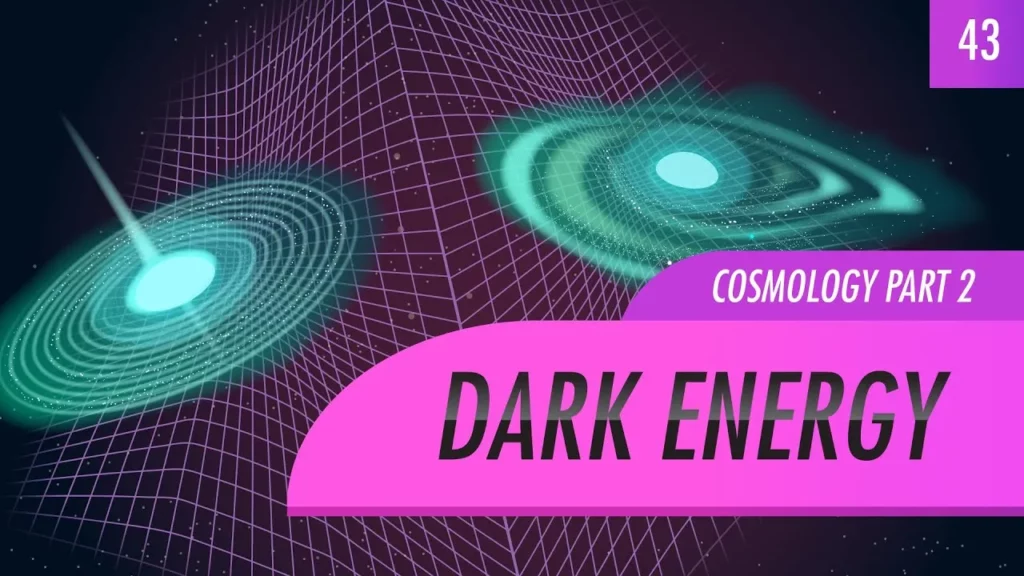
The lesson explores the concept of the expanding Universe, beginning with the Big Bang and the subsequent movement of galaxies away from each other. It highlights the surprising discovery that this expansion is accelerating due to a mysterious force known as dark energy, which constitutes about two-thirds of the Universe’s total energy. As dark energy continues to dominate, it raises questions about the Universe’s fate and our ability to observe it, suggesting that while the Universe expands, our observable horizon may shrink over time.
Media Regulation: Government and Politics #45
The lesson explores the intricate relationship between media and government regulation, highlighting the protections afforded by the First Amendment for print media while noting the stricter regulations imposed on broadcast media by the FCC. It discusses the challenges of regulating internet content, the impact of media ownership consolidation, and the ongoing debate over net neutrality, emphasizing the need to balance free expression with public access to diverse information to support a healthy democracy.
Perspectives on Death: Philosophy #17
The lesson on “Understanding Death: Philosophical Perspectives” explores how various philosophical views can reshape our understanding and feelings about death. Ancient philosophers like Socrates and Epicurus provide contrasting insights, with Socrates viewing death as a peaceful transition and Epicurus arguing that it is simply the end of sensation, thus devoid of fear. Contemporary thinkers, such as Thomas Nagel, introduce the idea of fearing missed experiences, while Zhuangzi emphasizes celebrating life rather than mourning death, ultimately encouraging a more accepting attitude towards the inevitable nature of mortality.