
DC Resistors & Batteries: Physics #29
This lesson introduces the fundamentals of basic circuits, emphasizing the roles of resistors and batteries in direct current (DC) circuits. It explains how batteries provide voltage and the impact of internal resistance on terminal voltage, as well as the differences between series and parallel connections, highlighting how these configurations affect current flow and voltage distribution. Practical applications, such as light bulb demonstrations, illustrate these concepts, laying the groundwork for further exploration of more complex circuits.
Booker T. Washington and W.E.B DuBois: Black American History #22
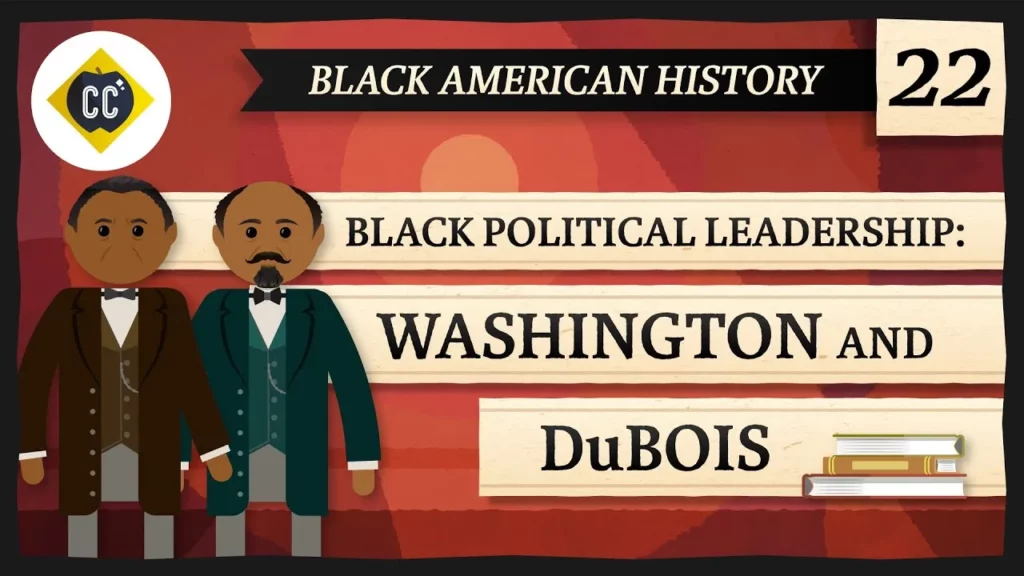
The lesson explores the contrasting philosophies of Booker T. Washington and W.E.B. Du Bois regarding the fight for Black civil rights in America during the late 19th and early 20th centuries. Washington advocated for self-sufficiency and gradual progress through economic independence, while Du Bois called for immediate civil rights and higher education for the “Talented Tenth” to lead social change. Their differing approaches highlight the complexity of Black activism and the ongoing struggle for equality, emphasizing that there are multiple paths to achieving social justice.
T-Tests: A Matched Pair Made in Heaven: Statistics #27

In this lesson, we explored the principles of statistical testing through a coffee experiment comparing two local coffee shops. By formulating null and alternative hypotheses and conducting both a two-sample t-test and a paired t-test, we determined that the coffee from The Blend Den was statistically favored over Caf-fiend, highlighting the importance of experimental design and appropriate statistical methods in drawing meaningful conclusions. Ultimately, the lesson emphasizes that while statistical tests can reveal significant differences, further experimentation may be necessary to confirm findings.
Family Obligations: Philosophy #43
The lesson explores the philosophical debate surrounding the obligations adult children have towards their parents, as presented by Jane English. It examines three perspectives: the unconditional view, which asserts that children owe their parents simply because they are parents; the conditional view, which ties obligations to the quality of parenting; and the friendship view, which posits that adult relationships should be based on mutual respect rather than obligation. Ultimately, the lesson highlights the complexity of familial relationships and the need to reconsider traditional notions of obligation in light of love and care.
Venice and the Ottoman Empire: World History #19
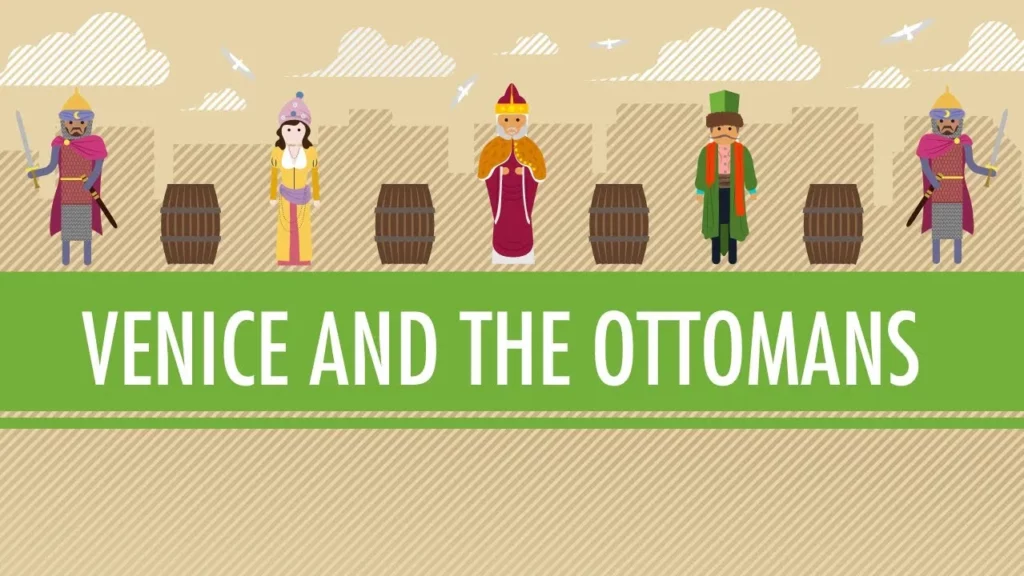
The lesson explores the significant relationship between Venice and the Ottoman Empire, highlighting how their partnership facilitated trade and cultural exchange, which in turn contributed to the economic prosperity of Venice during the European Renaissance. The Venetians’ shipbuilding expertise and strategic trade routes allowed them to thrive, while the Ottomans’ control over key territories enhanced their mutual economic benefits. This collaboration not only enriched both societies but also spurred the Age of Exploration as European nations sought new trade routes.
Money and Finance: Economics #11

The lesson “Understanding Money and Finance: A Crash Course” explores the essential role of money in economics, highlighting its functions as a medium of exchange, store of value, and unit of account. It contrasts the complexities of the barter system with the efficiency of money, discusses the evolution of money from physical forms to digital currencies, and explains the financial system’s dynamics between lenders and borrowers. Ultimately, the lesson emphasizes the importance of understanding these concepts for making informed financial decisions in everyday life.
Stoichiometry – Chemistry for Massive Creatures: Chemistry #6

This lesson emphasizes the significance of stoichiometry and moles in chemistry, which are essential for measuring and predicting chemical reactions. It explains how stoichiometry allows chemists to quantify reactants and products, while the concept of moles, defined by Avogadro’s number, facilitates the conversion of atomic mass into measurable grams. Mastering these concepts enables a deeper understanding of atomic interactions and the conservation of mass in chemical equations.
The Integumentary System, Part 2 – Skin Deeper: Anatomy & Physiology #7
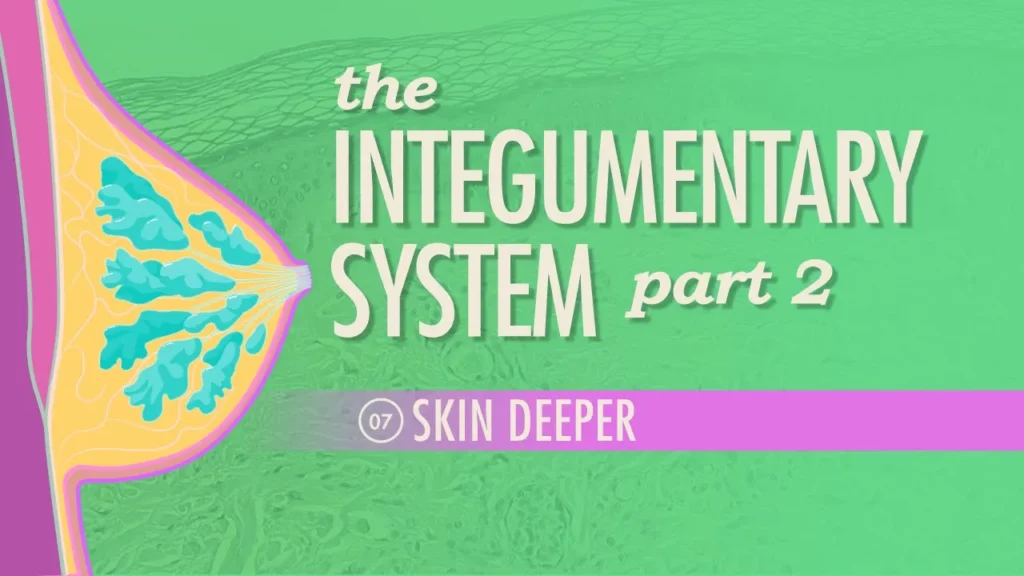
The integumentary system encompasses not only the skin but also hair, nails, and glands, playing a crucial role in protecting the body, sensing the environment, and regulating temperature. It serves as a barrier against harmful elements, aids in waste excretion, and can indicate health issues through changes in skin color. Understanding the functions and importance of this complex system highlights the necessity of proper care and hygiene for overall health.
2,000 Years of Chinese History! The Mandate of Heaven and Confucius: World History #7

This lesson explores the significance of dynasties in Chinese history and the philosophical framework of the Mandate of Heaven, which justified the rise and fall of these ruling families based on their moral conduct. It highlights the influence of Confucianism on governance and historical narratives, emphasizing the importance of virtuous leadership in maintaining political stability. Ultimately, the lesson illustrates how understanding these historical and philosophical concepts provides valuable insights into both China’s past and contemporary leadership ethics.
Luther and the Protestant Reformation: World History #218
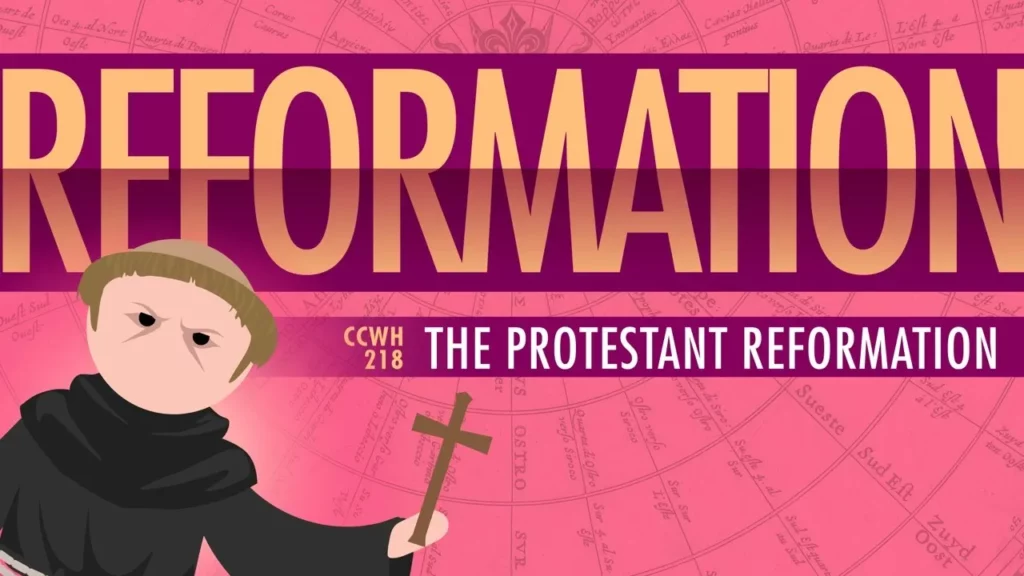
The Protestant Reformation was a pivotal moment in European history that transformed Christianity and had far-reaching effects on society, politics, and culture. Initiated by Martin Luther’s challenge to the Catholic Church’s practices, particularly the sale of indulgences, the movement led to the emergence of various Protestant sects and significant social upheaval, including the German Peasants’ Revolt. Ultimately, the Reformation not only reshaped religious beliefs but also laid the groundwork for modern political ideas and social movements, emphasizing the enduring importance of reform and the quest for justice.