
The Underground Economy: Economics #32
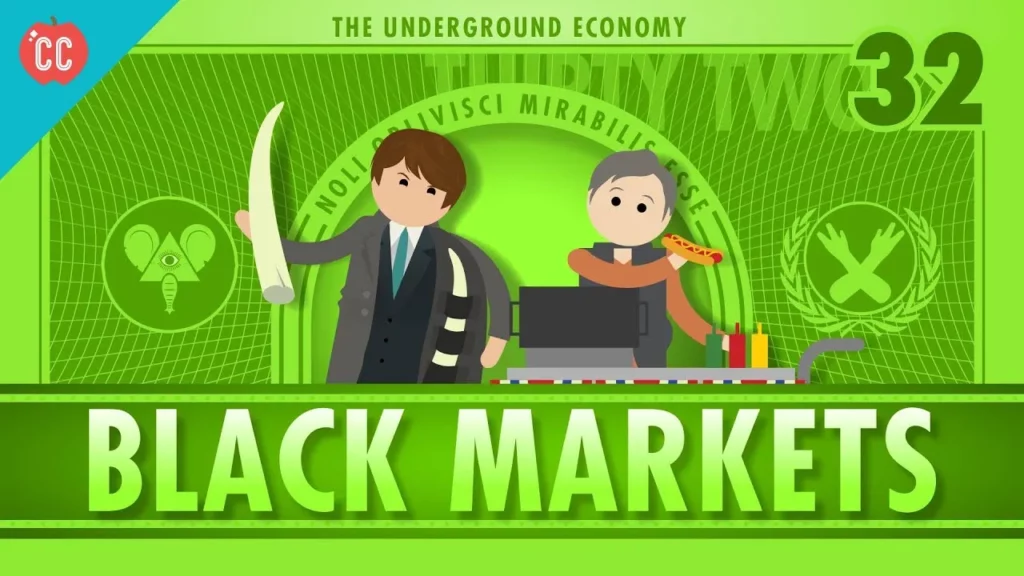
The lesson on the underground economy explores the various economic activities that occur outside official regulations, encompassing both illegal and unreported legal work. It highlights the challenges in measuring this economy, which can represent a significant portion of GDP, particularly in developing countries, and discusses the ethical implications of illegal markets. Ultimately, while the underground economy can provide essential income and jobs, it also poses difficulties for economic measurement and government policy.
The Vikings! – World History 224
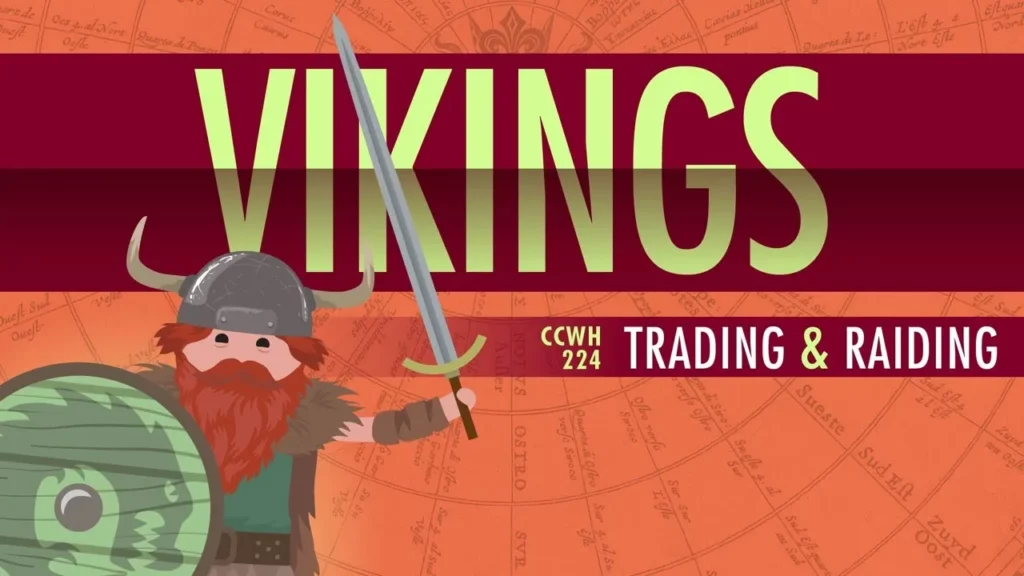
The lesson explores the multifaceted legacy of the Vikings, who originated from Scandinavia during the Viking Age (750-1100 C.E.). While often depicted as fierce raiders, they were also skilled traders and settlers, significantly influencing European history through their voyages, cultural exchanges, and the establishment of trade networks. The lesson emphasizes the importance of understanding their history through archaeological findings and sagas, while recognizing the complexities of their society and contributions beyond mere warfare.
In Da Club – Membranes & Transport: Biology #5
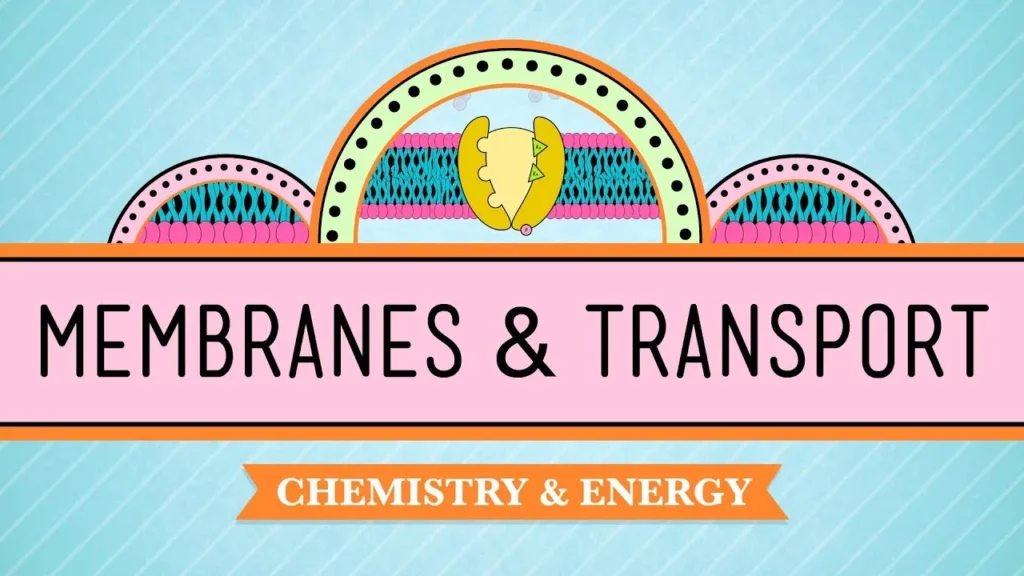
This lesson explores the mechanisms of cell membrane transport, highlighting the importance of selective permeability in maintaining cellular balance. It distinguishes between passive transport, such as diffusion and osmosis, which require no energy, and active transport, which uses energy (ATP) to move substances against their concentration gradient. Additionally, it covers vesicular transport methods, including exocytosis and endocytosis, illustrating how cells manage the intake and release of materials essential for their function.
Frederick Douglass: Black American History #17
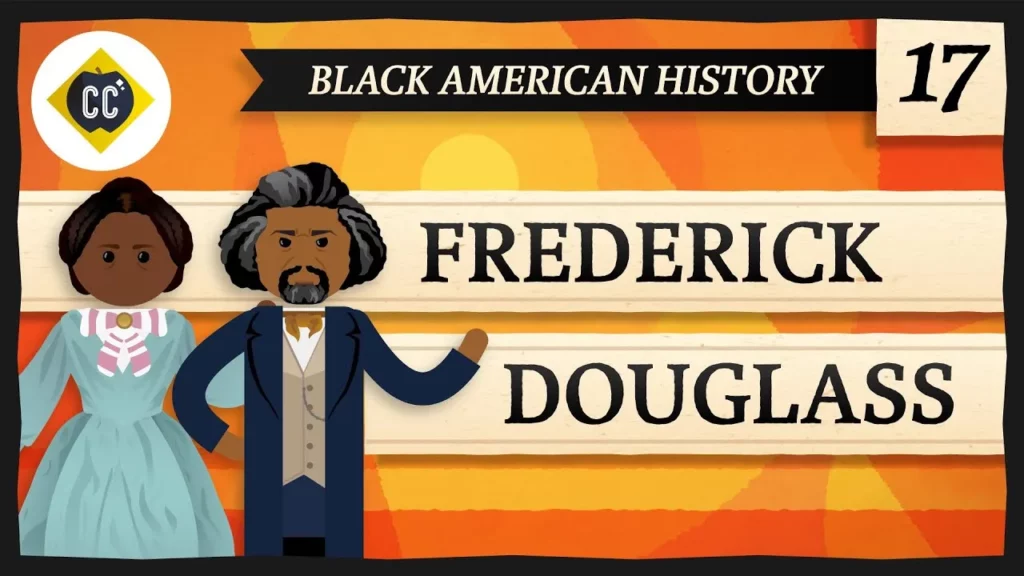
The lesson on Frederick Douglass highlights his remarkable journey from enslavement to becoming a leading abolitionist and advocate for civil rights. Born into slavery, Douglass overcame immense challenges, including family separation and brutal treatment, to educate himself and ultimately escape to freedom. His powerful speeches and writings, including his groundbreaking autobiography, not only challenged societal views on slavery but also laid the groundwork for future civil rights movements, solidifying his legacy as a pivotal figure in American history.
The Constitution, the Articles, and Federalism: US History #8
The lesson provides a historical overview of the United States Constitution, highlighting its significance as a foundational document for American governance since 1788. It discusses the shortcomings of the Articles of Confederation, the creation of the Constitution during the Constitutional Convention, and the key principles such as separation of powers and federalism that ensure a balanced government. The lesson also touches on the debates surrounding ratification and the role of the Federalist Papers in advocating for a strong national government while addressing concerns about individual freedoms.
The Economics of Death: Economics #30
The lesson explores the economic implications of death, highlighting the rising costs associated with end-of-life care and funerals in the United States. It emphasizes the importance of planning for these expenses, as well as the disparities in life expectancy linked to income levels, and encourages individuals to address their end-of-life wishes to alleviate financial burdens on their families. Ultimately, understanding and preparing for the financial aspects of dying can help ensure a smoother transition for loved ones during a difficult time.
The Underground Railroad: Black American History #15
The lesson on the Underground Railroad clarifies common misconceptions about this crucial part of American history, emphasizing that it was not a literal railroad but a secret network of individuals who risked their lives to help enslaved people escape to freedom. It highlights the significant role of Black abolitionists, such as William Still, and acknowledges the complexities of escape, including the challenges faced by those who remained enslaved. Ultimately, the lesson underscores the importance of understanding the broader experiences of enslaved individuals and the enduring legacy of resistance against slavery.
The Atlantic Slave Trade: World History #24
The lesson on “Understanding Slavery: A Historical Perspective” delves into the origins, scale, and devastating effects of slavery, particularly focusing on the Atlantic slave trade from 1500 to 1880 CE. It highlights the brutal conditions faced by enslaved Africans during their transport and labor in the Americas, emphasizing the economic motivations behind slavery and its dehumanizing impact on individuals and societies. The lesson concludes by urging a collective acknowledgment of this tragic history and its enduring consequences.
Patents, Novelty, and Trolls: Intellectual Property #4
The lesson on patent law provides a comprehensive overview of its significance in protecting inventors’ rights and promoting innovation. It outlines the requirements for patentability, the different types of patents, and the duration of their protection, while also addressing the economic impact and controversies surrounding the system, such as the role of patent trolls. Ultimately, the lesson emphasizes the ongoing need to balance the interests of inventors with public access to innovations.
The Electron: Chemistry #5
The lesson “Understanding Electrons: A Journey Through Chemistry” explores the evolution of our understanding of electrons, from early theories of periodicity to modern quantum mechanics. It highlights the significance of electron configurations, ionization energy, and electron affinity in determining atomic behavior and chemical interactions, using a musical analogy to illustrate the organization of electrons in orbitals. Ultimately, the lesson emphasizes the intricate relationship between music, math, and physics in the study of chemistry and the fundamental role electrons play in the behavior of matter.