
Social Influence: Psychology #38
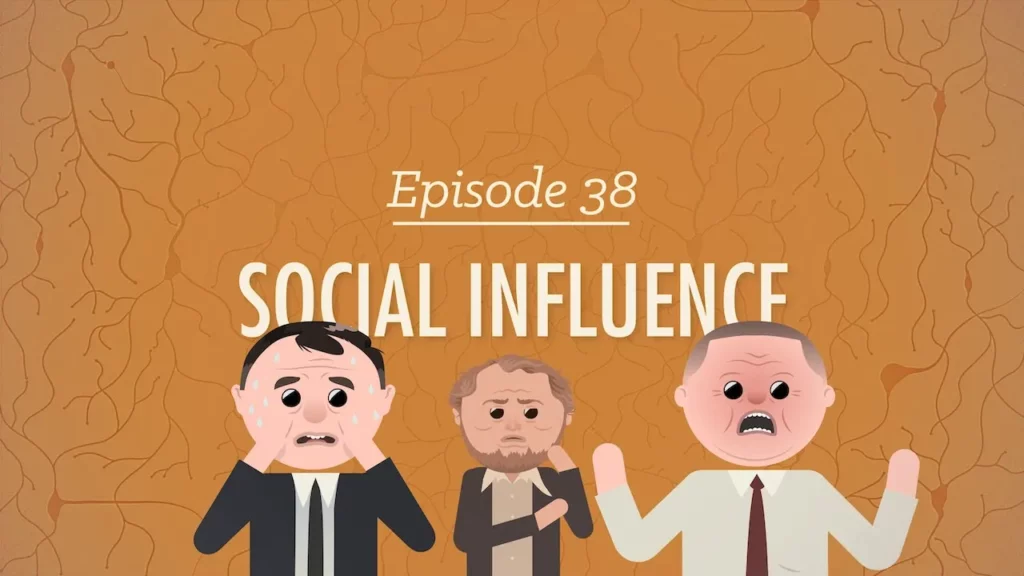
The lesson explores the profound effects of social influence on behavior through the experiments of Stanley Milgram and Solomon Asch, highlighting themes of obedience and conformity. Milgram’s research demonstrated that individuals could commit harmful acts when directed by authority figures, while Asch’s findings revealed that people often conform to incorrect group opinions due to social pressures. Together, these studies underscore the importance of understanding group dynamics and moral responsibility in shaping individual actions.
Monopolies and Anti-Competitive Markets: Economics #25
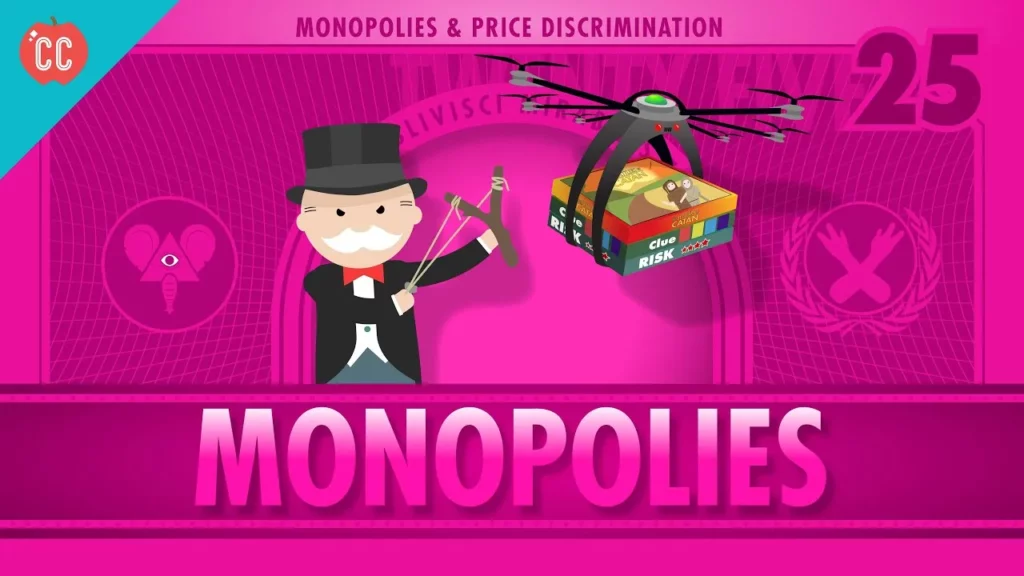
The lesson on monopolies highlights their dual nature, illustrating that while monopolies often have negative implications, such as reduced competition and higher prices, they can also foster innovation and efficiency in certain contexts. It discusses the concept of monopolies, barriers to entry, market structures like oligopolies, and the role of antitrust laws in regulating monopolistic practices. Ultimately, the lesson emphasizes the importance of understanding the complexities of monopolies to navigate their impact on consumers and the economy effectively.
Phillis Wheatley: Black American History #7
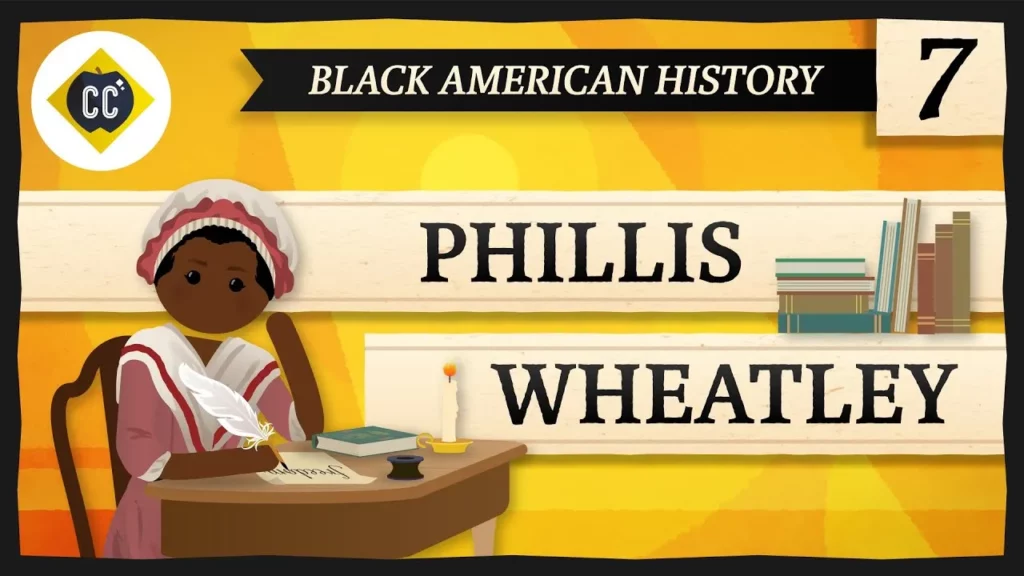
The lesson highlights the remarkable resilience of Black culture through the life and work of Phillis Wheatley, an extraordinary poet who emerged from the harsh realities of slavery. Despite facing significant societal prejudice, Wheatley’s poetry challenged stereotypes of Black inferiority and showcased the intellectual capabilities of people of African descent, ultimately paving the way for future generations of Black writers. Her legacy serves as a powerful reminder of the enduring spirit and creativity within Black culture, transcending her time and inspiring countless artists.
The Tuskegee Experiment: Black American History #29
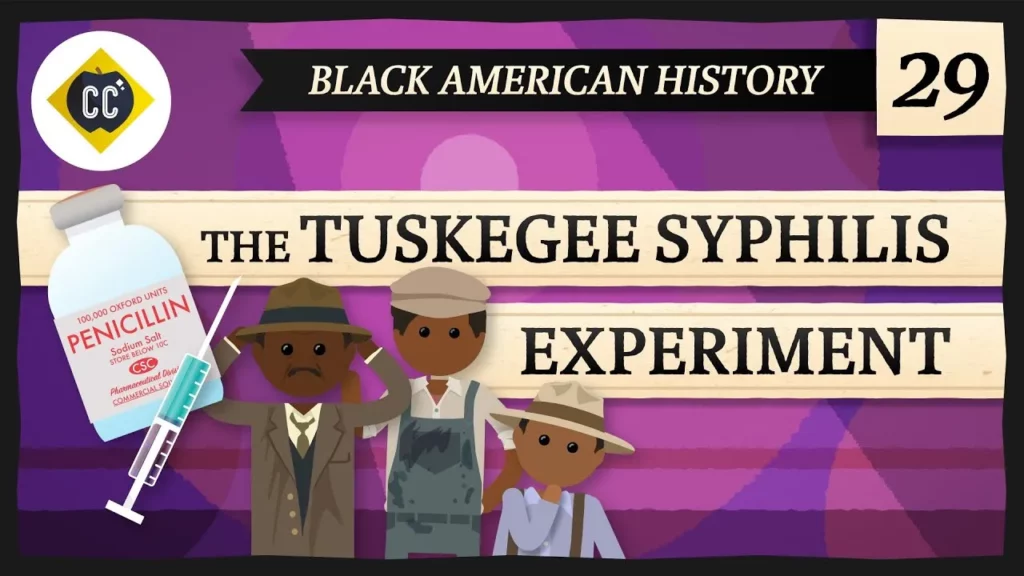
The Tuskegee Syphilis Study serves as a harrowing example of medical ethics violations, where 600 African American men were misled into participating in a study on untreated syphilis without informed consent, despite the availability of effective treatment. This unethical research, which lasted from 1932 to 1972, not only caused severe health consequences for the participants but also fostered lasting distrust between Black Americans and the medical community. The study’s legacy underscores the need to address systemic issues in healthcare, including racism and inequity, to build a more just medical system.
Psycholinguistics: Linguistics #11
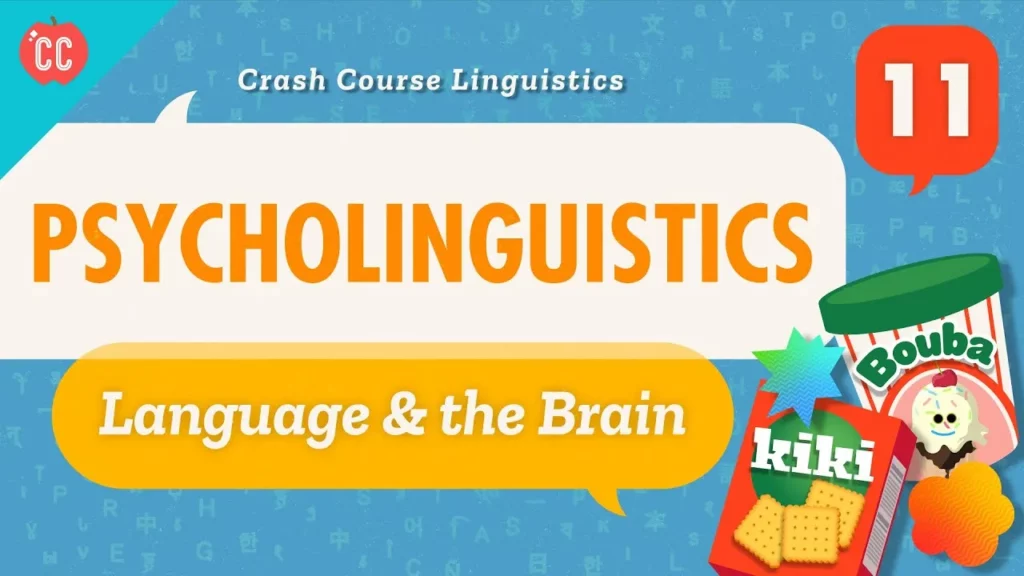
The lesson on “Understanding the Connection Between Language and the Brain” explores the field of psycholinguistics, highlighting the intricate relationship between language processing and brain function. It discusses historical discoveries related to aphasia, particularly Broca’s and Wernicke’s areas, and emphasizes the brain’s adaptability in language learning and recovery. Modern research methods, such as eye tracking and fMRI, are also examined, revealing ongoing complexities and individual differences in how language is processed, suggesting that the study of language and the brain remains a dynamic and evolving field.
The Civil War Part 2: US History #21
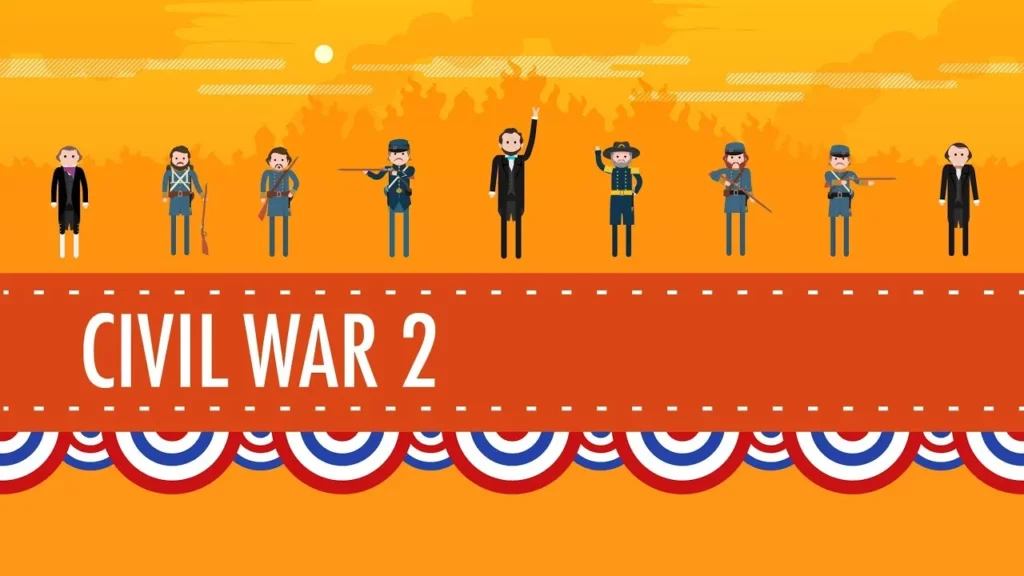
The lesson explores the multifaceted impact of the Civil War on American society, emphasizing that it was not solely about battles or slavery, but a pivotal moment that reshaped the nation’s identity and governance. It highlights Abraham Lincoln’s role in the emancipation of slaves and the significance of the Thirteenth Amendment, while also discussing the war’s influence on nation-building, industrialization, and the evolution of public perception through photography. Ultimately, the Civil War is portrayed as a transformative event that laid the groundwork for modern America, with lasting effects still felt today.
Macroeconomics: Economics #5
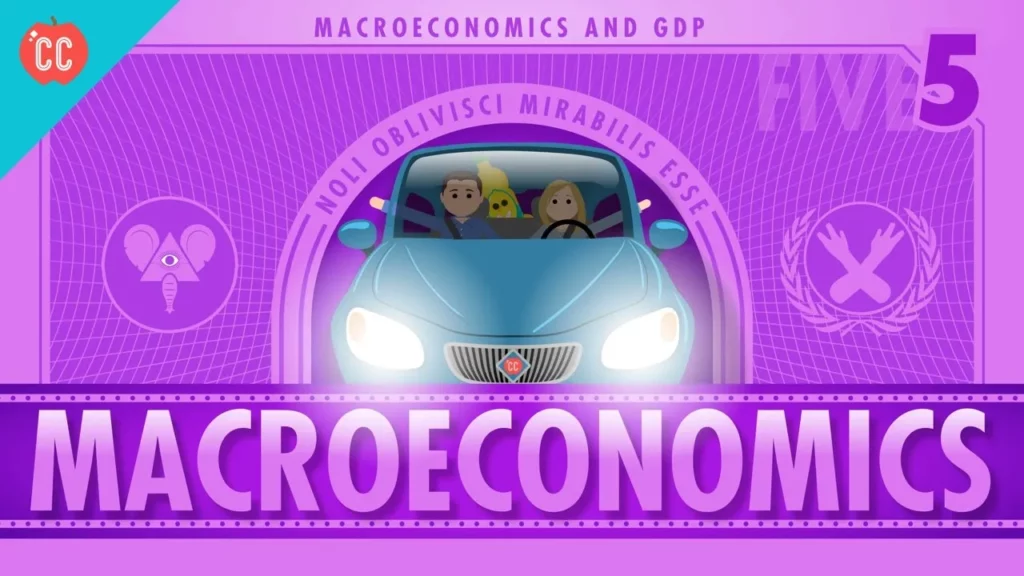
The lesson on macroeconomics provides an overview of how entire economies function, focusing on key indicators such as Gross Domestic Product (GDP), unemployment rates, and inflation. It highlights the emergence of macroeconomics during the Great Depression, the subjective nature of economic predictions, and the importance of government intervention in managing economic fluctuations. Understanding these concepts is vital for making informed decisions that impact both individuals and society.
2001 – A Space Odyssey: Film Criticism #15
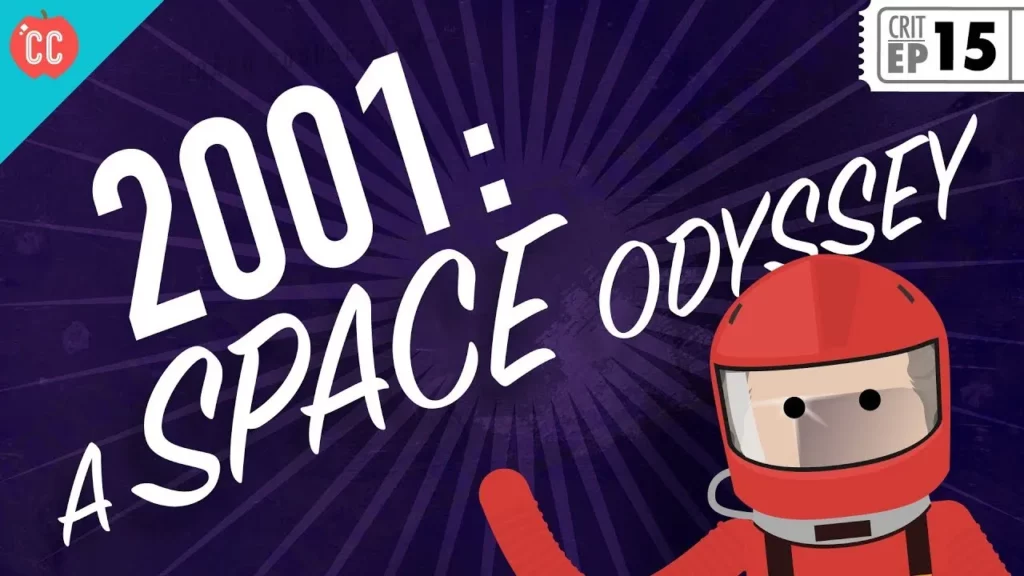
The lesson explores the enduring significance of Stanley Kubrick’s film *2001: A Space Odyssey*, highlighting its profound themes of evolution, technology, and the human experience. Through its four-part structure, the film examines humanity’s journey from prehistoric times to a transcendent future, using the monolith as a powerful symbol of growth and understanding. Ultimately, the film challenges viewers to reflect on the impact of technology on human relationships and existence, solidifying its status as a timeless cinematic masterpiece.
Einstein’s Revolution: History of Science #32
The lesson highlights Albert Einstein’s transformative impact on physics, marking a significant departure from classical theories that dominated prior to the 20th century. Through his groundbreaking theories of special and general relativity, Einstein redefined concepts of space, time, and gravity, introducing the revolutionary idea that these dimensions are relative rather than absolute. His work not only laid the foundation for modern physics but also continues to influence scientific thought and our understanding of the universe today.
Reproductive System, Part 4 – Pregnancy & Development: Anatomy & Physiology #43
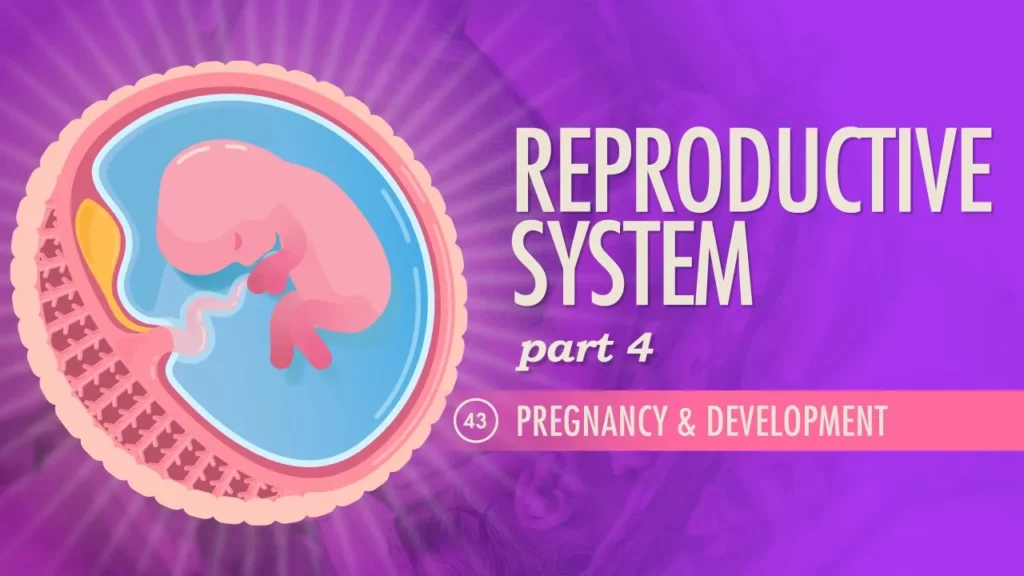
The lesson outlines the remarkable journey of human development from a single cell, the zygote, to a fully formed fetus ready for birth. It details the stages of pregnancy, including the transformation of the zygote into a blastocyst, the implantation process, the formation of the placenta, and the significant physiological changes experienced by the mother. The lesson emphasizes the intricate hormonal interactions and adaptations that facilitate this complex process, culminating in the miraculous event of childbirth.