
How Does the Earth Move? Geography #5
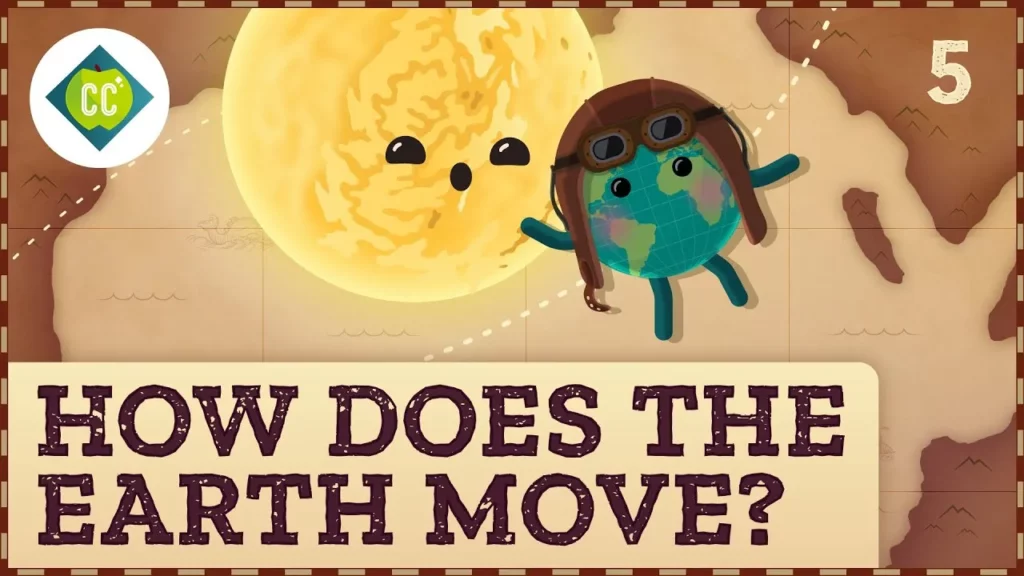
The lesson “Understanding Earth’s Motion: A Journey Through Geography” explores the fundamental movements of the Earth, including its rotation, wobble, and orbit around the Sun, and how these movements influence our environment and daily lives. It highlights the significance of Earth’s tilt and its effects on seasons, climate, and ecosystems, emphasizing the interconnectedness of humans and nature. By understanding these concepts, we gain insight into how our actions can impact the Earth’s movements and, consequently, our world.
Price Controls, Subsidies, and the Risks of Good Intentions: Economics #20

The lesson explores how government policies, such as price controls and subsidies, can unintentionally disrupt market dynamics despite their good intentions. Price controls, including ceilings and floors, can lead to shortages or surpluses, while subsidies may hinder innovation and create inefficiencies in various sectors. Ultimately, while some government intervention may be necessary in cases of market failure, economists generally advocate for minimal involvement to allow markets to function effectively.
The Fugitive Slave Act of 1793: Black American History #10

The Fugitive Slave Act of 1793, signed by President George Washington, was a significant law that allowed slave owners to reclaim escaped slaves without the need for jury trials, while imposing penalties on those who assisted runaways. This legislation heightened tensions between the North and South, as it not only reinforced the institution of slavery but also instilled fear among free Black individuals, who faced the constant threat of being wrongfully enslaved. The act served as a stark reminder of the inhumanity of slavery and its enduring impact on American society.
Exoplanets: Astronomy #27
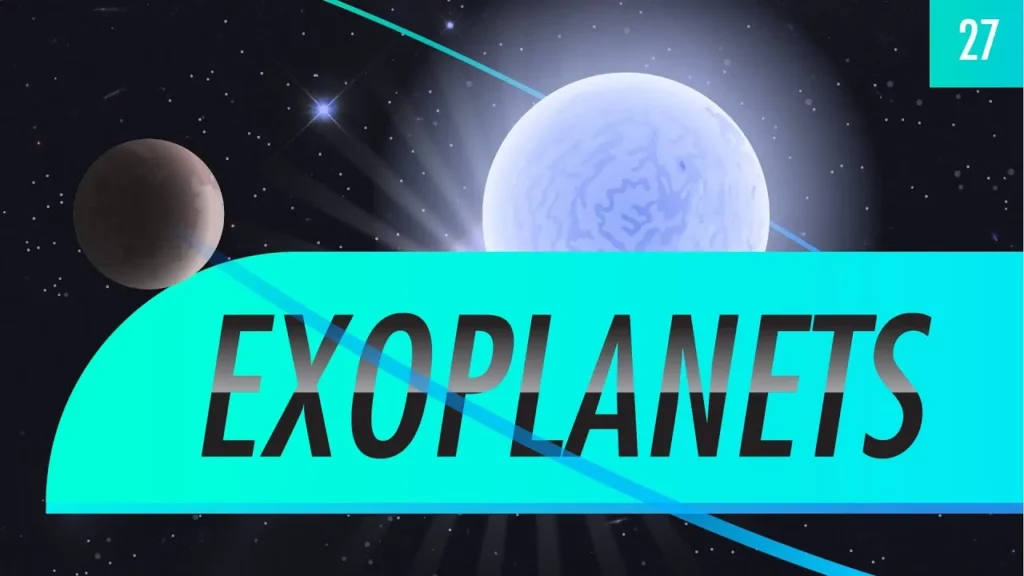
The lesson explores the discovery of exoplanets, highlighting the curiosity about planets beyond our solar system and the challenges astronomers face in detecting them. It discusses various detection methods, including indirect techniques like observing stellar motion and the transit method, which have led to significant discoveries such as 51 Peg b and the advancements made by the Kepler mission. Ultimately, the lesson emphasizes the vast diversity of exoplanets and the potential for Earth-like planets, suggesting that our galaxy may be teeming with worlds that could harbor life.
The Louisiana Rebellion of 1811: Black American History #12
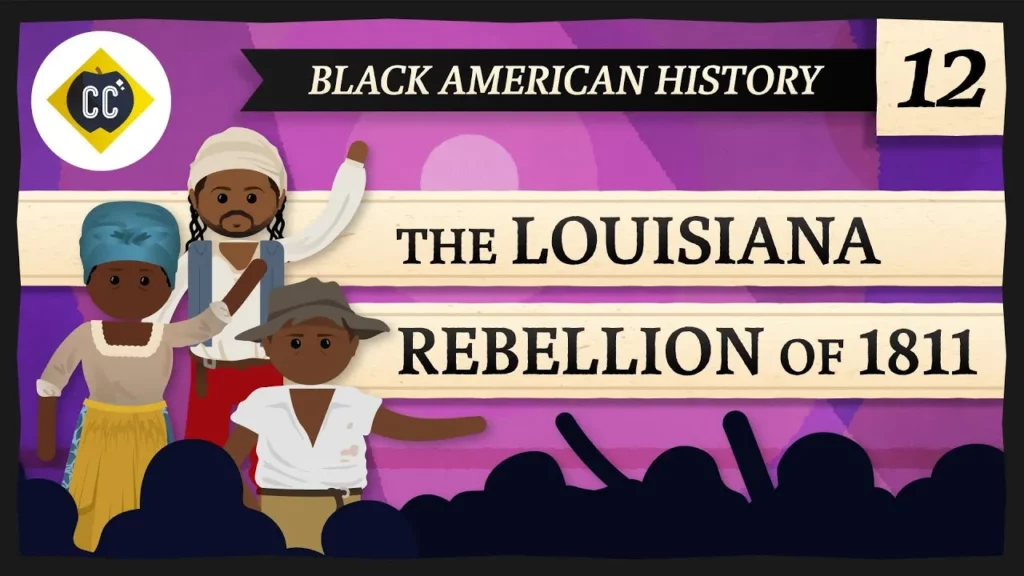
The Louisiana Rebellion of 1811, also known as the German Coast Uprising, was the largest slave revolt in American history, initiated by a group of enslaved individuals led by Charles Deslondes who sought to overthrow the oppressive system of slavery. Despite their organized efforts and initial success in gathering supporters and arms, the uprising was swiftly suppressed by local militias and federal troops within 48 hours, resulting in brutal reprisals against the enslaved population. Although the rebellion ultimately failed, it underscored the pervasive discontent among enslaved people and left a lasting impact on the institution of slavery in the United States.
America in World War I: US History #30
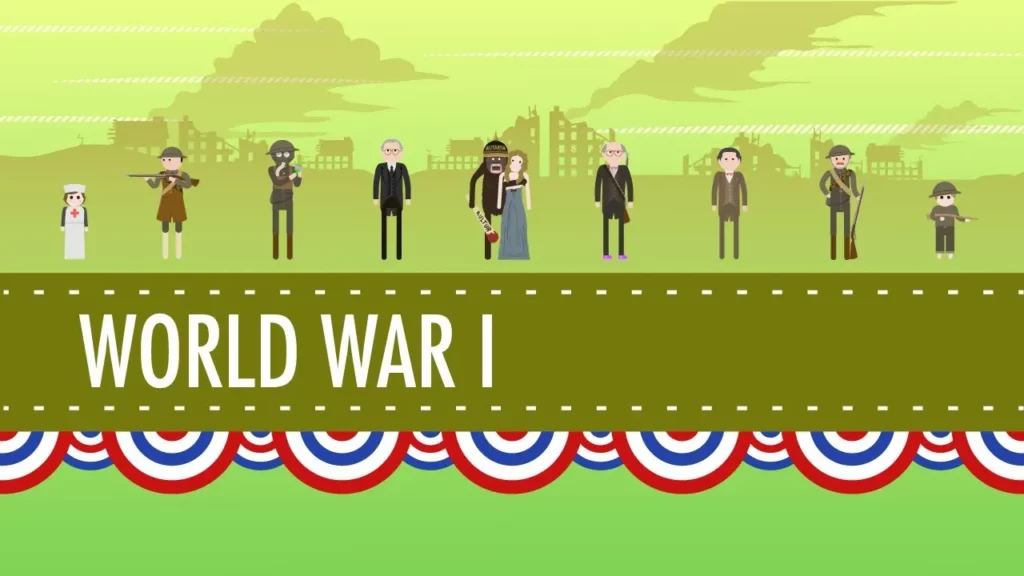
The lesson explores the United States’ involvement in World War I, highlighting its initial neutrality, the factors that led to its entry into the war, and President Woodrow Wilson’s vision for a post-war world through his Fourteen Points. It discusses the significant impact of the war on American society, including increased government power, civil liberties restrictions, and social changes like women’s suffrage and the Great Migration. Ultimately, the lesson reflects on the war’s failure to achieve its lofty goals and its lasting influence on American foreign policy.
The Heart, Part 2 – Heart Throbs: Anatomy & Physiology #26
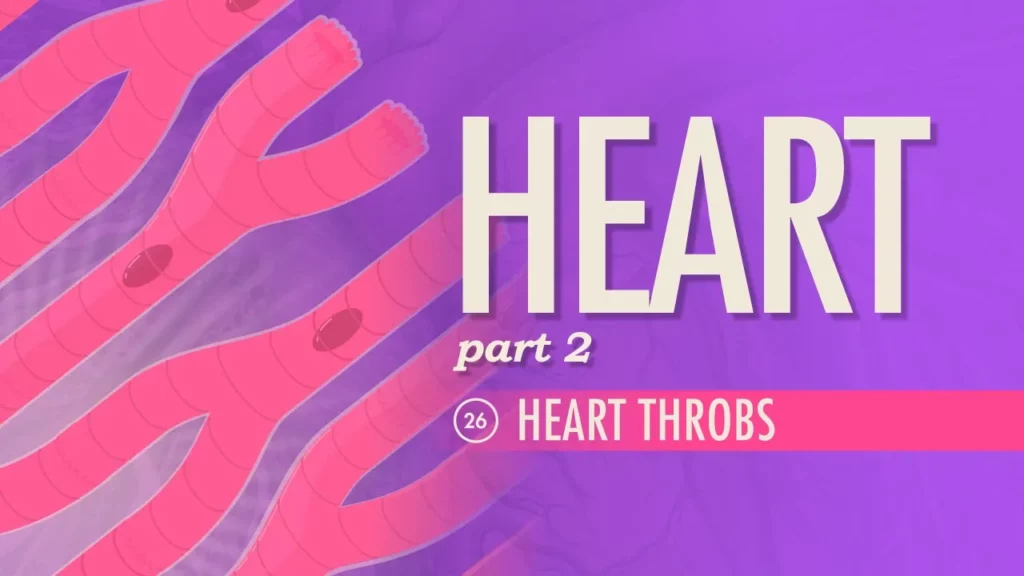
The lesson “Understanding Cardiac Arrest: The Science Behind the Drama” explores the complexities of cardiac arrest, emphasizing the difference between dramatized portrayals in media and the actual physiological processes involved. It explains how the heart’s unique cellular structure and electrical system, particularly the role of pacemaker cells and the intrinsic cardiac conduction pathway, contribute to its function, while also detailing how defibrillators and CPR work together to restore normal heart rhythm and maintain blood circulation during a cardiac emergency. Ultimately, the lesson highlights the importance of understanding these biological processes for effective response to cardiac arrest situations.
Reproductive System, Part 1 – Female Reproductive System: Anatomy & Physiology #40
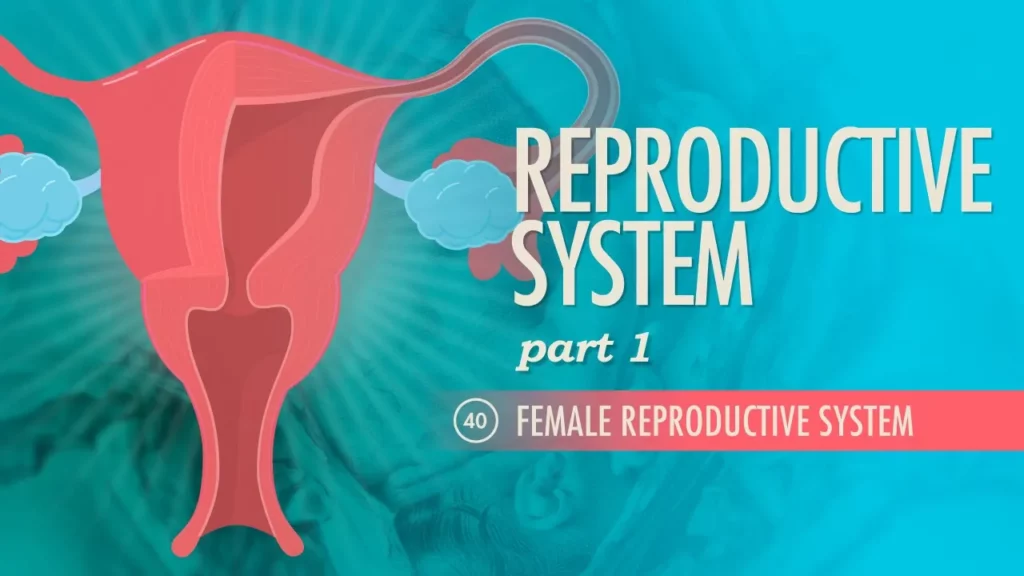
The lesson on the female reproductive system highlights its essential role in human biology, focusing on its anatomy, hormonal regulation, and the menstrual cycle. Key components include the ovaries, which produce eggs and hormones, and the various phases of the menstrual cycle that prepare the body for potential pregnancy. Understanding these elements is crucial for comprehending human reproduction and will lead to further exploration of fertilization and embryonic development.
Who Won the American Revolution?: US History #7
The American Revolution, while celebrated as a triumph of independence, presents a complex legacy that reveals significant social and political contradictions. Although it introduced revolutionary ideas about equality and rights, the war did not fundamentally alter the social order for many groups, including enslaved people, women, and Native Americans, who faced ongoing struggles and limited changes in their status. Ultimately, the revolution laid the groundwork for future movements toward equality and democratic participation, highlighting the ongoing tension between the ideals of liberty and the realities of social hierarchies.
Muscles, Part 1 – Muscle Cells: Anatomy & Physiology #21
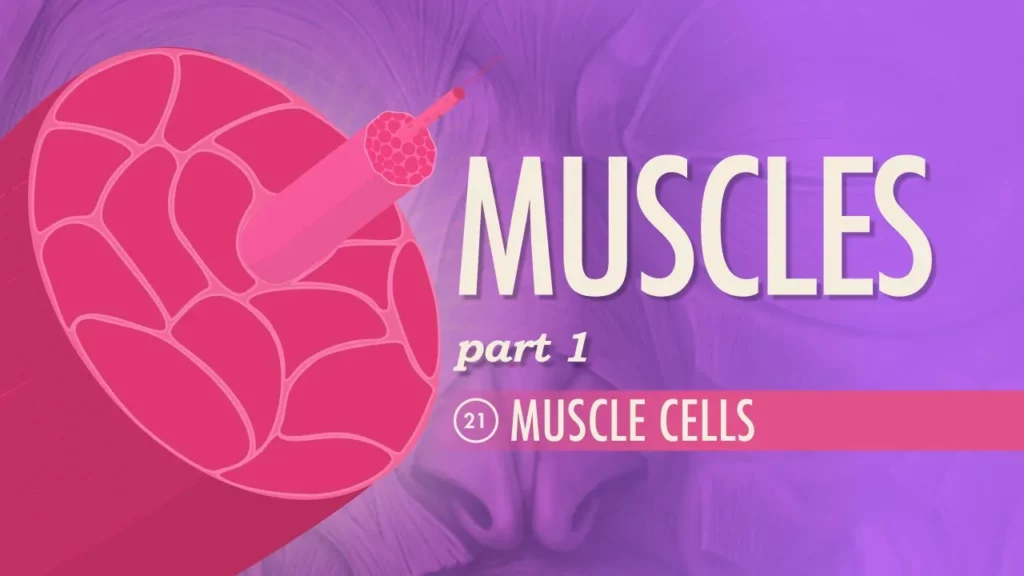
The lesson explores the intricate relationship between the proteins actin and myosin, likening their interaction to a romantic partnership that facilitates muscle contraction and movement. It details the structure of skeletal muscle, the mechanics of contraction through the sliding filament model, and the essential roles of different muscle types in the body. Ultimately, it emphasizes the complexity and beauty of muscle function, driven by the continuous cycle of actin and myosin interactions.