
Labor Markets and Minimum Wage: Economics #28
The lesson on labor markets explains how wages are determined by the interplay of supply and demand, highlighting factors such as skill levels, market conditions, and discrimination. It discusses the dynamics of job searching, the impact of monopsony power, the role of unions, and the implications of minimum wage laws, emphasizing that valuable skills significantly enhance earning potential. Understanding these concepts is essential for navigating career opportunities and achieving financial stability in a changing economy.
Equilibrium: Chemistry #28

The lesson emphasizes the significance of balance, or equilibrium, in both life and chemistry. It illustrates how natural systems, like deer populations, and chemical reactions, such as the Haber process, strive for balance despite disturbances. By understanding the factors that influence equilibrium—concentration, temperature, and pressure—we can gain insights into maintaining stability in our lives and the chemical processes that underpin our world.
Marsha P. Johnson and the Stonewall Rebellion: Black American History #41
The lesson highlights the significance of the Stonewall Rebellion, which began on June 28, 1969, as a pivotal moment in the LGBTQ rights movement, driven by activists like Marsha P. Johnson and Sylvia Rivera. It outlines the oppressive environment faced by the LGBTQ community prior to Stonewall, the rebellion’s immediate impact in sparking activism and pride parades, and Johnson’s enduring legacy as a champion for marginalized communities. Ultimately, the lesson emphasizes the importance of collective resistance in the ongoing struggle for equality and human rights.
Gilded Age Politics: US History #26
The Gilded Age was a period of significant economic growth in the United States, characterized by rampant political corruption and the rise of urban political machines, such as Tammany Hall. Despite the widespread corruption exemplified by figures like Boss Tweed and national scandals during President Grant’s administration, reform efforts emerged, including the Civil Service Act and the Sherman Anti-Trust Act, aimed at addressing these issues. The era also saw the rise of the Populist movement, which sought to represent the interests of farmers and workers, ultimately influencing future political developments and the ongoing struggle for civil rights and equality.
The Stono Rebellion: Black American History #6
The Stono Rebellion, which occurred in South Carolina in 1739, was a significant uprising led by enslaved people seeking freedom amidst the oppressive conditions of slavery. Sparked by a combination of economic tensions, the promise of freedom from the Spanish, and a growing population of enslaved individuals, the rebellion ultimately resulted in a violent confrontation with white colonists and led to harsher laws governing enslaved people. This event highlights the resilience and courage of enslaved Black Americans in their fight for liberty and underscores the ongoing struggle against oppression throughout history.
The Renaissance: Was it a Thing? – World History #22
The Renaissance is often regarded as a pivotal moment in European history, characterized by a revival of art, culture, and humanism, particularly in Italy during the 15th and 16th centuries. However, the period’s significance is debated, as many historians argue it may not have been a distinct era, given that most Europeans remained largely unaffected by the cultural advancements and continued their traditional lifestyles. Ultimately, while the Renaissance contributed to lasting changes in art and thought, its impact was limited primarily to the wealthy elite, necessitating a more nuanced understanding of its complexities and legacy.
Political Campaigns: Government and Politics #39
The lesson on “Understanding American Political Campaigns” explains the structure and purpose of political campaigns in the U.S., highlighting their lengthy duration and high costs. It details how campaigns inform voters through various communication channels, including media appearances and social media, while also addressing the financial aspects, regulations, and court rulings that shape campaign spending. Ultimately, the lesson emphasizes the importance of understanding these dynamics for informed voter participation.
The Civil War, Part I: US History #20
The American Civil War (1861-1865) was a pivotal event in U.S. history primarily driven by the issue of slavery, with significant implications for the nation. The conflict saw the Union, with its greater resources and manpower, ultimately prevail over the Confederacy, despite the latter’s initial advantages and motivations rooted in regional identity and religion. Key victories, such as those at Vicksburg and Gettysburg, shifted the war’s momentum, leading to a Union victory that would shape the future of the United States.
What is Urban Planning? Geography #47
The lesson on envisioning the cities of the future emphasizes the importance of inclusive urban planning that prioritizes sustainability, community involvement, and social equity. It explores how urban geography shapes city dynamics and highlights historical influences on urban design, using Brasília as a case study to illustrate the complexities and challenges of rigid planning. Ultimately, the lesson advocates for a collaborative approach that incorporates diverse voices to create vibrant and equitable urban environments that meet the needs of all residents.
The Transatlantic Slave Trade: Black American History #1
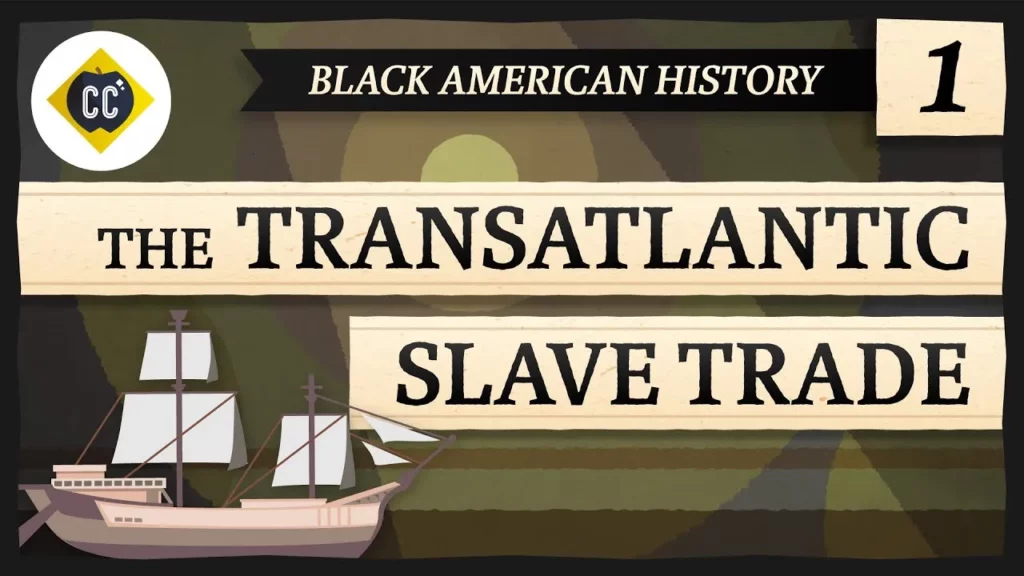
The lesson on the Trans-Atlantic slave trade explores the tragic history of the forced migration of approximately 12.4 million Africans from the late 1400s to the late 1800s, highlighting the inhumane conditions of the Middle Passage and the complex dynamics of capture and resistance. It emphasizes the significant death toll, the role of institutions like the Royal African Company, and the lasting impact of slavery on societies, while also acknowledging the resilience of those who endured this horrific experience. Understanding this history is essential for recognizing its ongoing legacy in contemporary society.