
What Is Artificial Intelligence? AI #1
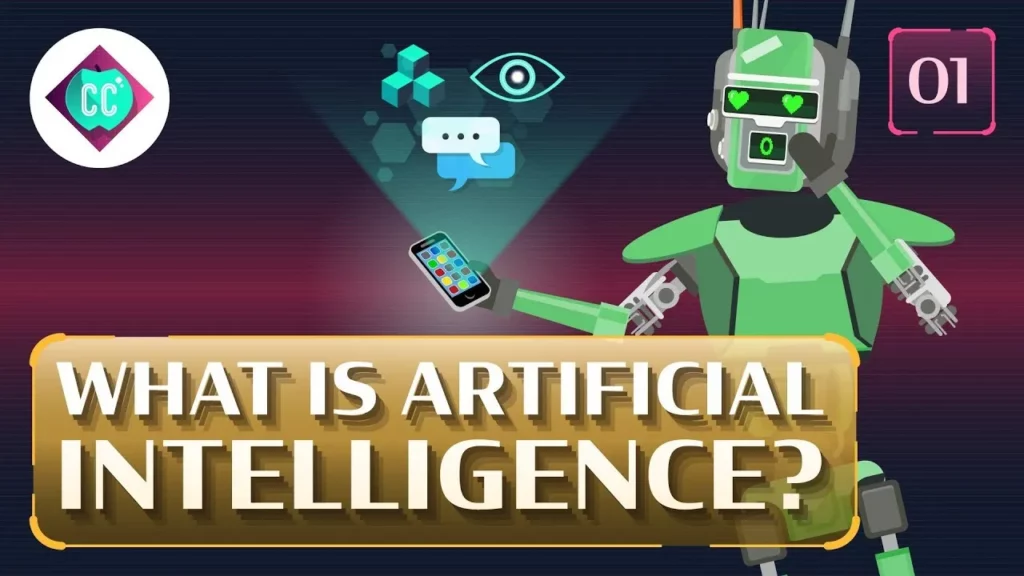
The lesson “Understanding Artificial Intelligence: A Journey Through Its Evolution” explores the significance of AI in our daily lives, its historical development, and the technological advancements that have fueled its growth. It highlights the dual perspectives on AI’s future, addressing both the excitement surrounding innovations like self-driving cars and concerns about job displacement and privacy. The lesson emphasizes the importance of understanding AI’s mechanisms to navigate its evolving role in society effectively.
Anselm & the Argument for God: Philosophy #9
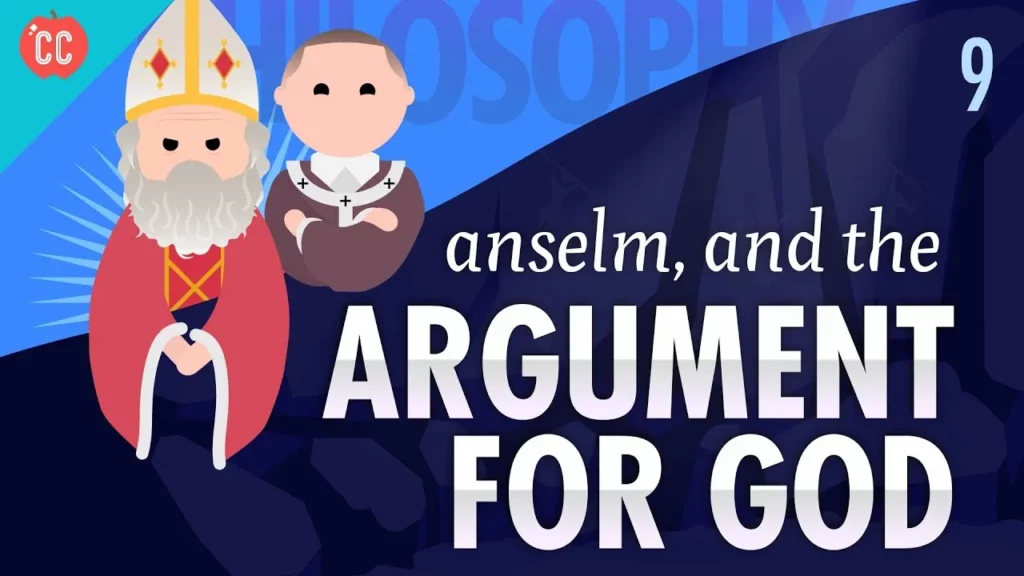
The lesson on the philosophy of religion explores the critical examination of religious beliefs, particularly the existence of God, through rigorous argumentation rather than accepting assumptions. It distinguishes between philosophy and theology, emphasizing that while theology starts with the belief in God, philosophy questions all beliefs, including faith itself, and requires logical reasoning and evidence. The lesson also discusses Anselm’s ontological argument for God’s existence and critiques from philosophers like Gaunilo and Kant, highlighting the ongoing debate surrounding the nature of belief and evidence in religion.
Ida B. Wells: Black American History #20
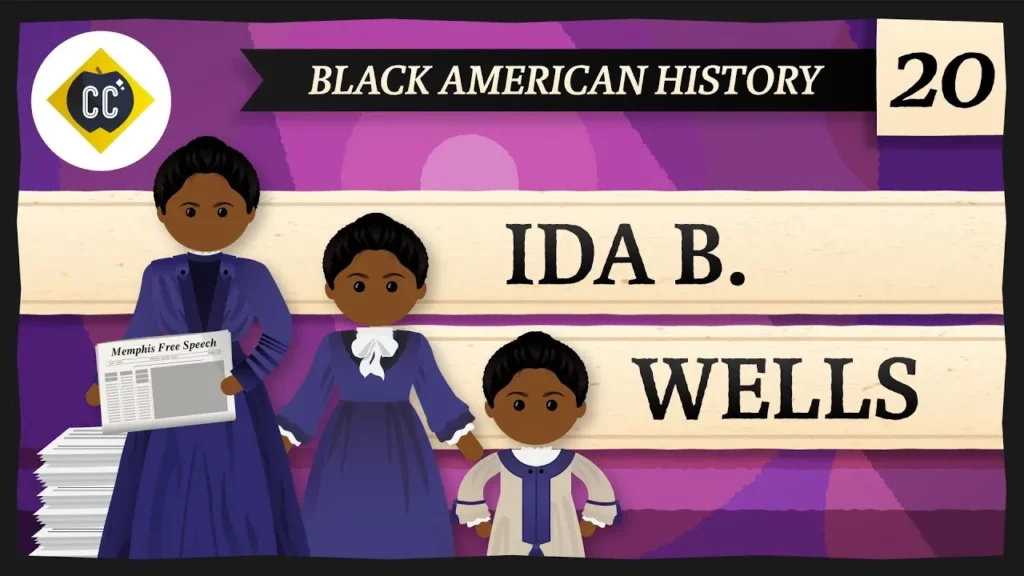
The lesson highlights the life and legacy of Ida B. Wells-Barnett, a pioneering journalist and civil rights advocate who fought against lynching and racial injustice in America. Born into slavery, she used her writing to expose the brutal realities faced by Black Americans, becoming a key figure in the anti-lynching movement and advocating for civil rights and women’s suffrage. Her enduring impact is evident in the continued relevance of her work in today’s social justice movements, illustrating the importance of advocacy against oppression.
How to Find Your Leadership Style: Business – Soft Skills #14
The lesson on “Understanding Leadership: Skills, Styles, and Strategies” emphasizes that leadership is a skill that can be learned and developed by anyone, countering the myth that leaders are born. It outlines essential leadership skills, various leadership styles, and the importance of adapting these styles to fit different situations and teams. Ultimately, effective leadership hinges on treating others with respect and recognition, fostering a positive work environment, and celebrating team achievements.
Lost in Translation: Film Criticism #7
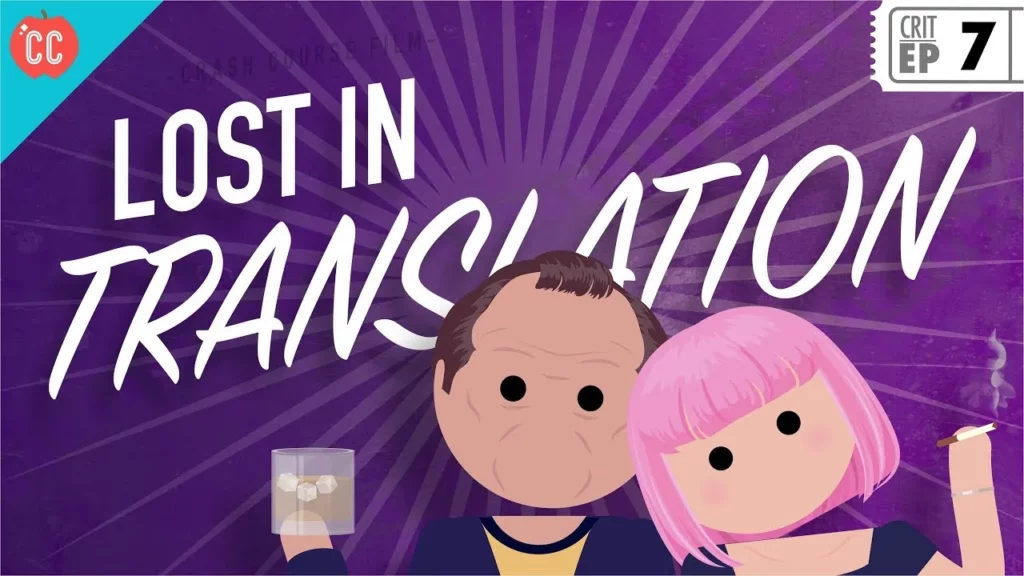
The lesson on “Lost in Translation” delves into Sofia Coppola’s exploration of emotional depth and connection amidst themes of alienation and consumer culture. Through the nuanced relationship between the characters Charlotte and Bob, the film highlights the significance of small, meaningful moments over material excess, while also inviting critical reflection on cultural representations and feminist perspectives in cinema. Ultimately, it emphasizes the beauty of genuine human connection in a modern, often isolating world.
Creation from the Void: World Mythology #2
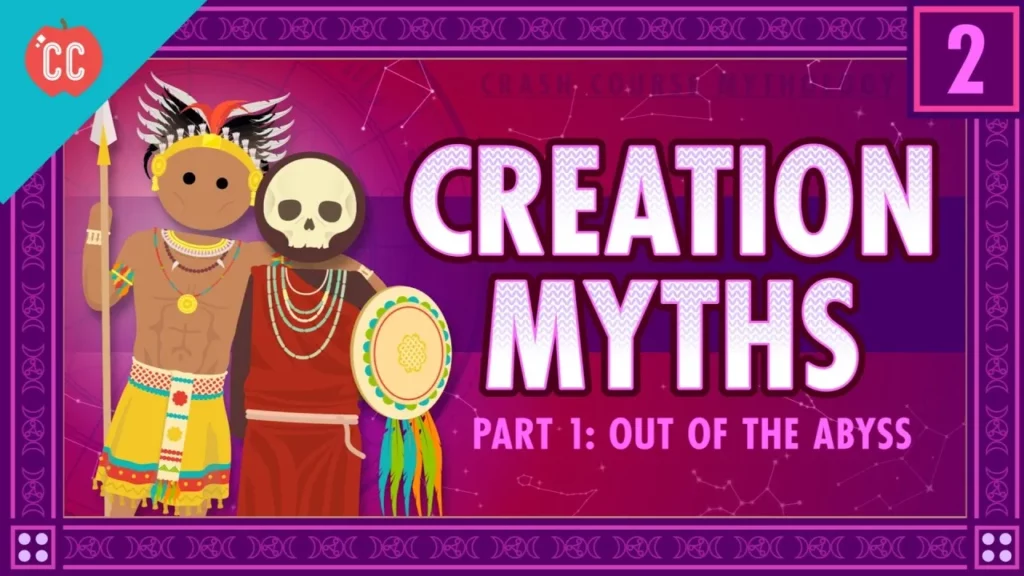
The lesson explores the concept of “ex nihilo,” or creation from nothing, through various cultural myths, highlighting their similarities and differences. It examines stories from the Bible, ancient Near Eastern religions, the Kono people of Guinea, and the Maya, all of which depict a transition from chaos or void to order and existence, often involving elements like water and divine intervention. Additionally, it draws parallels between these ancient narratives and the modern Big Bang theory, emphasizing humanity’s enduring quest to understand the origins of the universe.
Digestive System, Part 2: Anatomy & Physiology #34
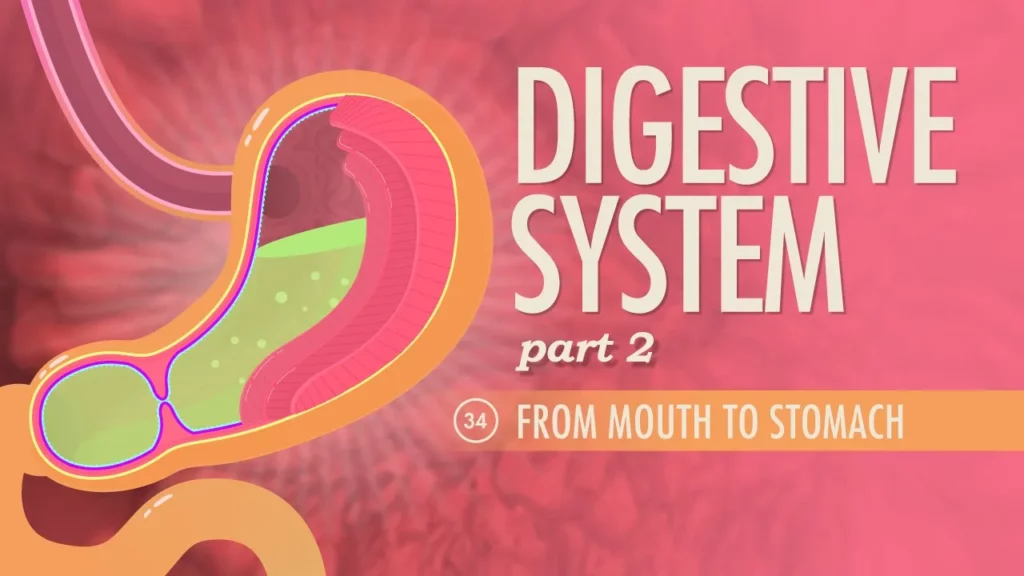
The lesson explores the remarkable partnership between Alexis St. Martin, a fur-trapper who survived a gunshot wound to the stomach, and Dr. William Beaumont, who conducted pioneering experiments on digestion through St. Martin’s unique condition. Beaumont’s observations revealed critical insights into the digestive process, including the roles of stomach acids, enzymes, and the effects of stress on digestion, laying the groundwork for modern physiology. This story highlights the intersection of medical science and human resilience, showcasing how unexpected events can lead to significant discoveries about our bodies.
World War II Part 1: US History #35
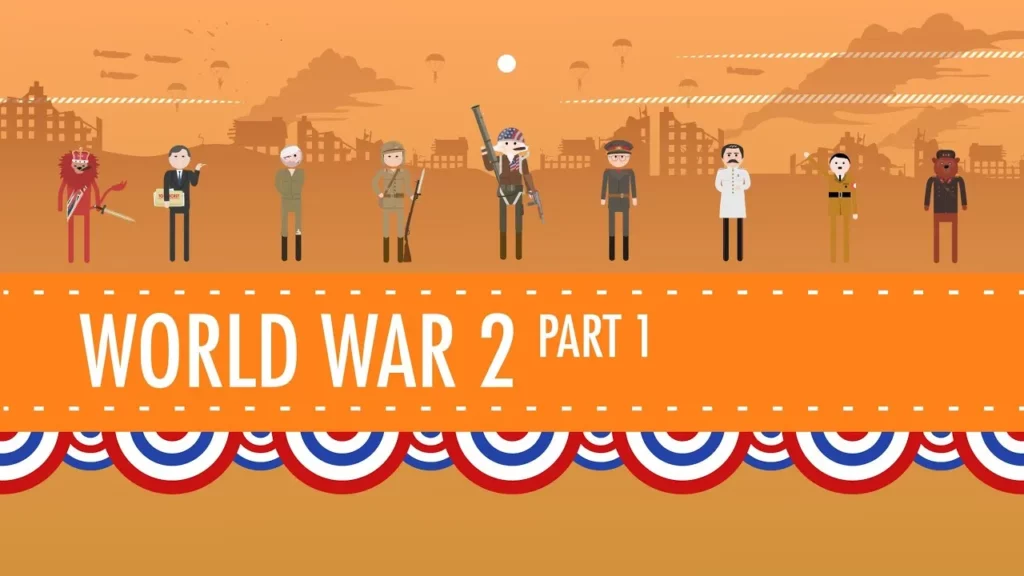
The lesson explores America’s involvement in World War II, highlighting the shift from isolationism to active engagement following the attack on Pearl Harbor. It discusses the historical context of U.S. foreign policy, the impact of the Neutrality Acts, and significant military campaigns in both the Pacific and European theaters. Ultimately, the lesson emphasizes the complexities of history and the moral implications of war, encouraging a nuanced understanding of the diverse perspectives surrounding this pivotal event.
School Segregation and Brown v Board: Black American History #33
The lesson on Brown v. Board of Education explores its pivotal role in challenging racial segregation and reshaping civil rights in America. The Supreme Court’s unanimous ruling in 1954 declared that segregated public schools were unconstitutional, marking a significant victory for Black Americans in their fight for equal education. However, the aftermath revealed deep societal resistance and ongoing challenges, underscoring the complexities of achieving true educational equity and the enduring legacy of the case in contemporary discussions about race and equality.
The Nervous System, Part 2 – Action! Potential!: Anatomy & Physiology #9
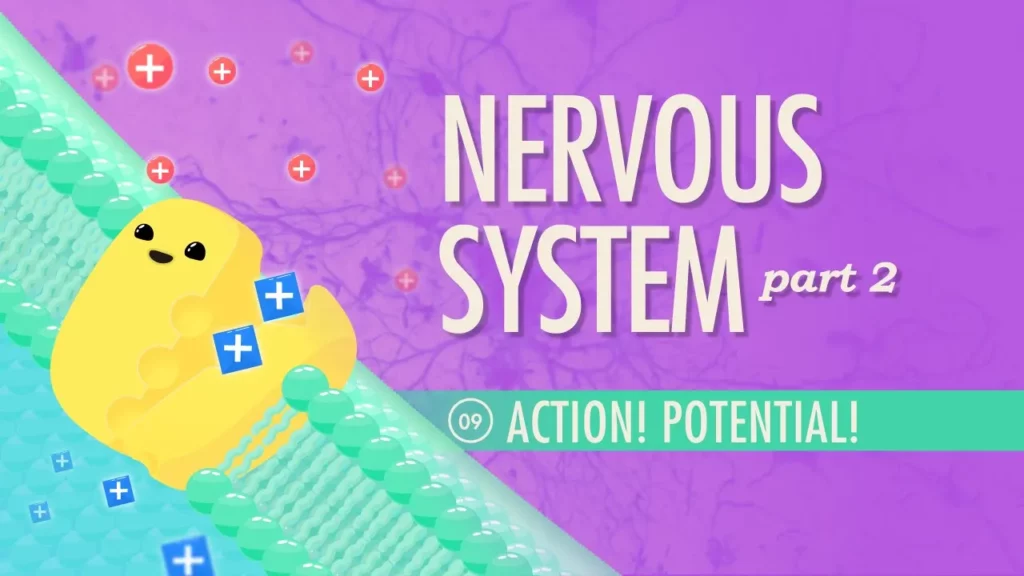
This lesson explains the fundamentals of neuronal communication, focusing on action potentials, which are electrical signals that enable neurons to transmit information. It covers key concepts such as membrane potential, the process of depolarization and repolarization, and the refractory period, highlighting how the frequency and speed of action potentials vary based on stimulus strength and axon myelination. Understanding these mechanisms provides insight into how our nervous system governs thoughts, feelings, and actions.