
German Expressionism: Film History #7
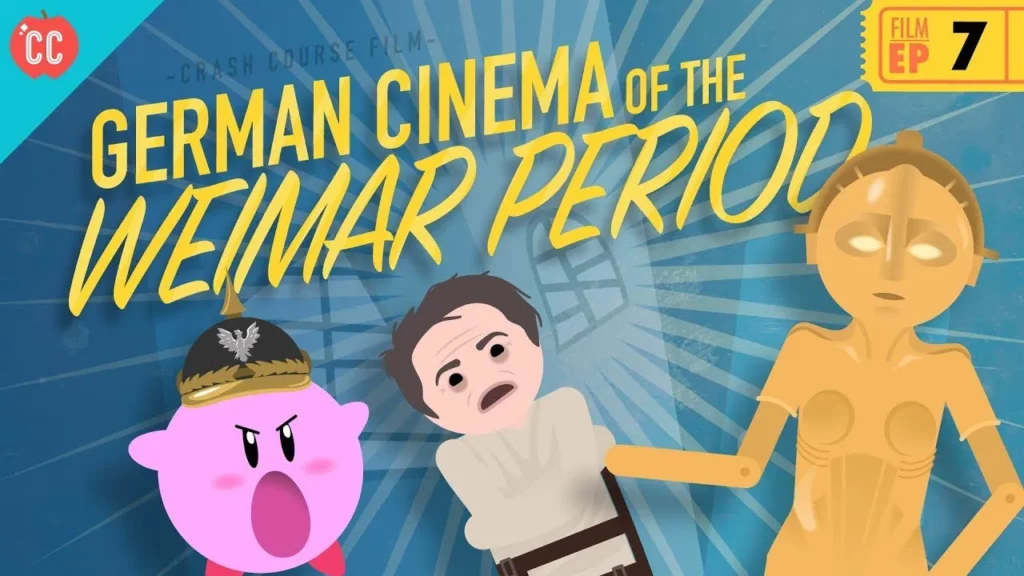
The lesson explores the profound impact of World War I on German cinema, highlighting the transition from entertainment-focused films to the emergence of German Expressionism during the Weimar Period. It details how the war disrupted the film industry, leading to the establishment of UFA and the creation of influential works like *The Cabinet of Dr. Caligari*, which utilized innovative visual techniques to reflect psychological themes. Ultimately, the lesson underscores the lasting legacy of German Expressionism on global cinema, influencing various genres and filmmakers even today.
Cinema, Radio, and Television: History of Science #29
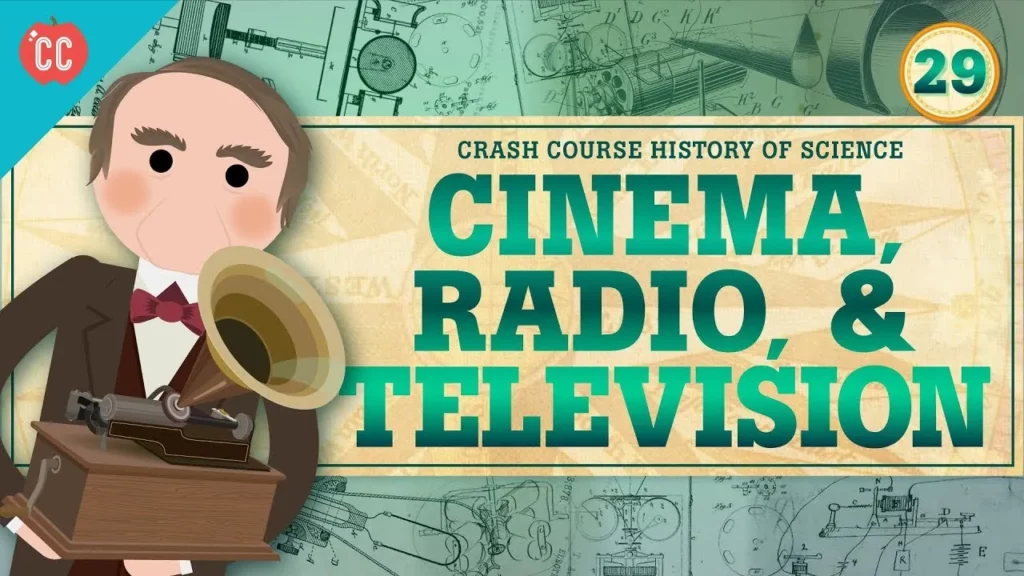
The lesson outlines the significant advancements in communication technologies from the mid-1800s to the present, highlighting key inventions such as the telegraph, telephone, phonograph, radio, and television. Each innovation transformed the way people connect and share information, ultimately shaping modern communication and entertainment. The lesson concludes by emphasizing the lasting impact of these early inventions on our daily lives and sets the stage for exploring the development of psychology and psychiatry.
Introduction to Anatomy & Physiology: Anatomy & Physiology #1
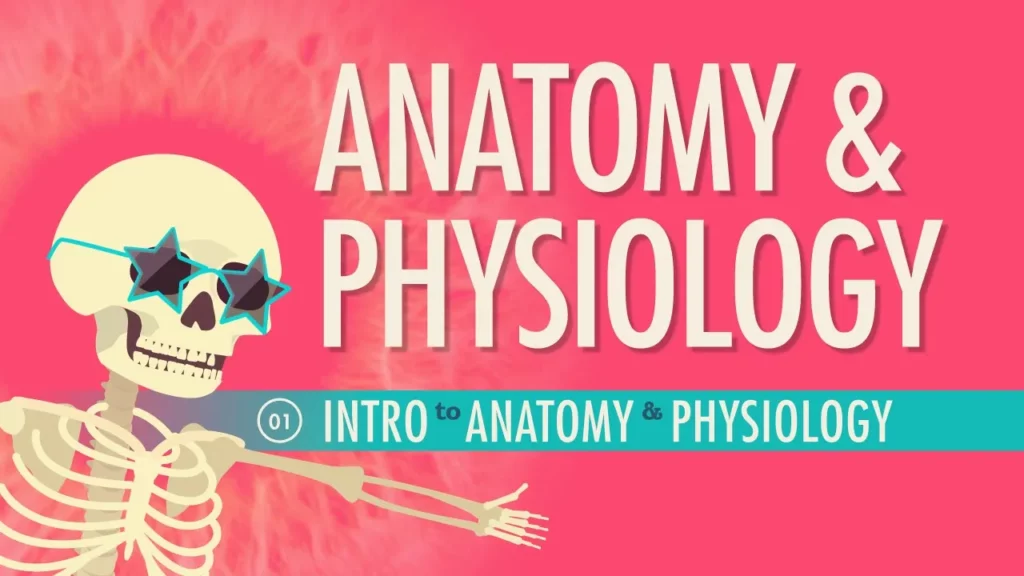
The lesson “Understanding the Human Body: A Journey Through Anatomy and Physiology” explores the intricate systems that make up the human body, emphasizing the importance of anatomy and physiology in understanding how these systems work together to sustain life. It highlights key concepts such as the complementarity of structure and function, the levels of organization within the body, and the critical role of homeostasis in maintaining health. By delving into the historical context and standardized language of anatomy, the lesson encourages a deeper appreciation for the complexity and beauty of human life.
Where Does Wind Come From? Geography #8
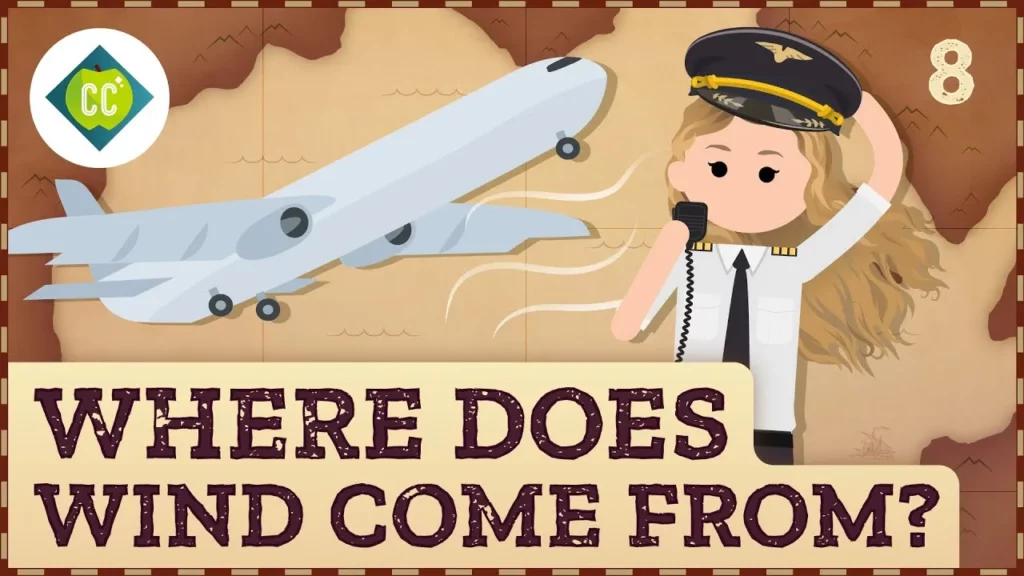
The lesson explores the significance of wind as an invisible yet powerful force that impacts various aspects of our lives, including weather, climate, and energy production. It delves into the science behind wind, explaining how air pressure differences create wind patterns and the Coriolis effect’s role in shaping these patterns. Additionally, the lesson highlights wind’s historical importance in navigation and trade, as well as its potential for sustainable energy in the future.
Star Clusters: Astronomy #35
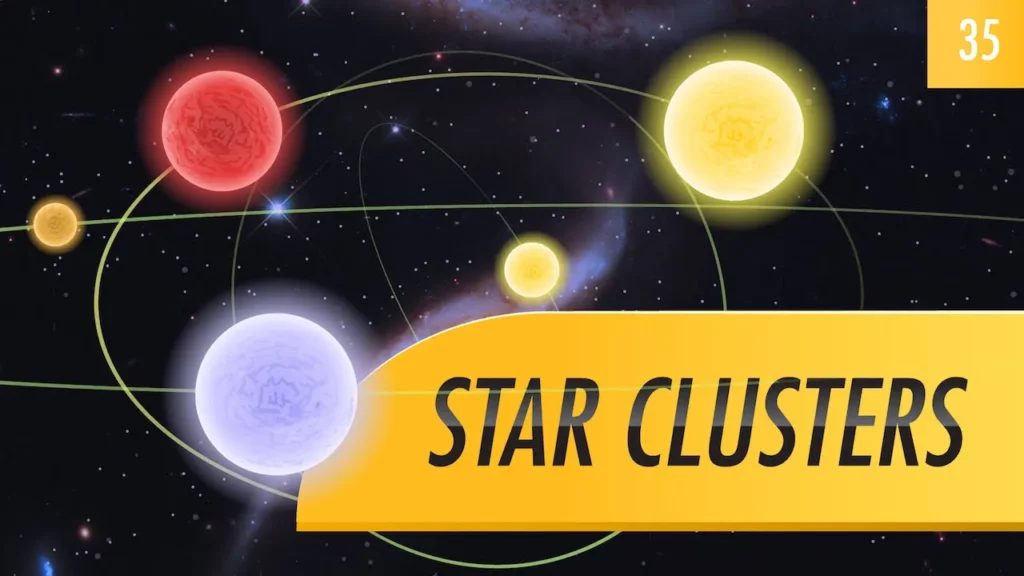
This lesson explores stellar clusters, focusing on two primary types: open clusters and globular clusters. Open clusters are younger, loosely grouped collections of stars that gradually disperse over time, while globular clusters are older, densely packed groups that have existed for billions of years. Both types provide valuable insights into stellar evolution and the broader dynamics of the universe.
Like Pale Gold – The Great Gatsby Part 1: English Literature #4
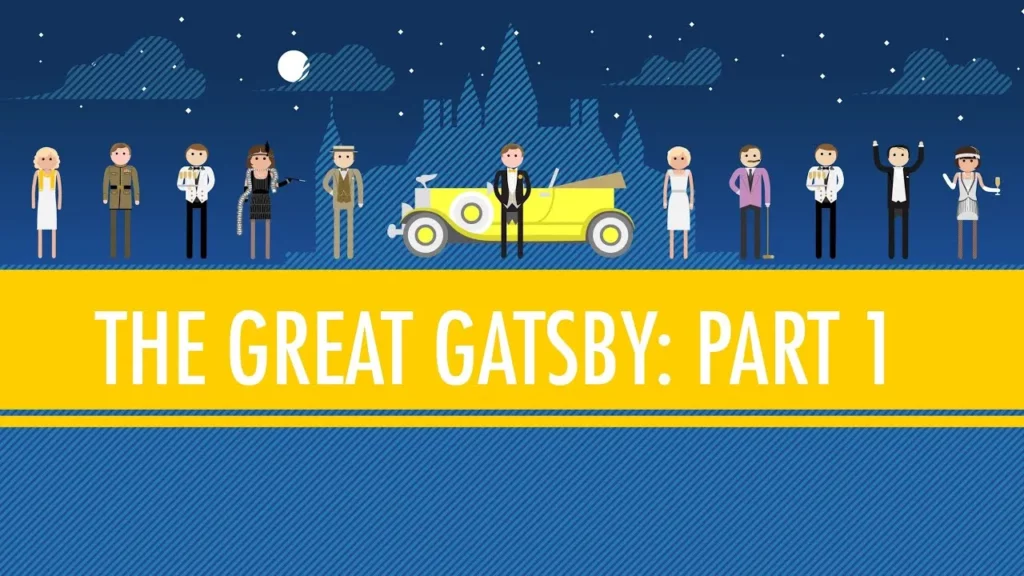
The lesson on *The Great Gatsby* explores the complexities of the American Dream through its characters and symbolism, particularly focusing on the themes of wealth, opportunity, and moral decay. The novel critiques the superficiality of the upper class and highlights the futility of pursuing unattainable desires, as exemplified by Gatsby’s tragic longing for Daisy. Ultimately, Fitzgerald’s work serves as a timeless reflection on ambition and the societal structures that influence our dreams and aspirations.
Ancient Egypt: World History #4
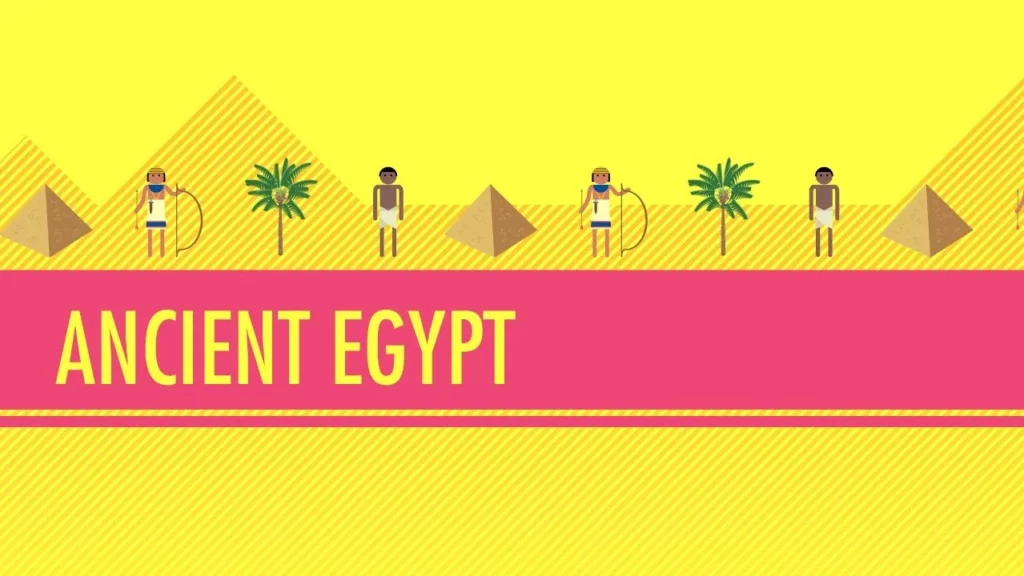
The lesson explores the rich history and enduring legacy of Ancient Egypt, highlighting its remarkable achievements, particularly in agriculture and monumental architecture, facilitated by the reliable Nile River. It outlines the civilization’s three main historical periods—the Old Kingdom, Middle Kingdom, and New Kingdom—each marked by significant developments in governance, religion, and culture. Ultimately, the lesson emphasizes Ancient Egypt’s lasting influence on modern society and its continued fascination for historians and enthusiasts alike.
Westward Expansion: US History #24
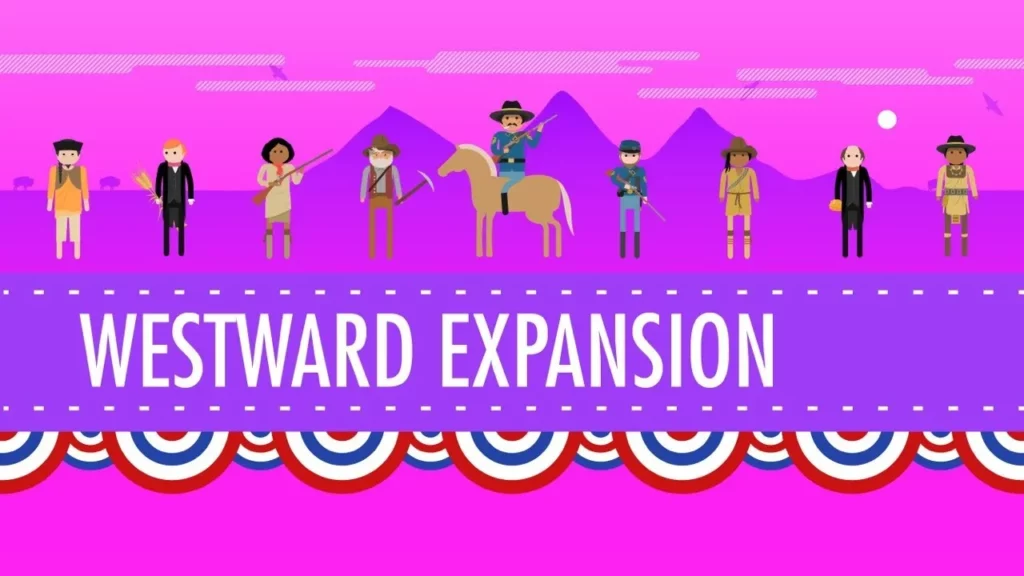
The lesson explores the complexities of the Wild West, contrasting the romanticized myths of cowboys and rugged individualism with the realities of government involvement, Native American displacement, and the rise of agribusiness. It highlights how the westward expansion was not just a tale of adventure but also a period marked by cultural genocide, economic transformation, and the integration of diverse communities. Understanding this nuanced history is essential for grasping its lasting influence on modern American society and agriculture.
Controversy of Intelligence: Psychology #23
The lesson explores the multifaceted nature of intelligence, emphasizing that it encompasses more than just cognitive abilities, including creativity and emotional intelligence. It discusses historical theories, such as the G-Factor and multiple intelligences proposed by Howard Gardner, while also addressing the controversial history of intelligence testing and its misuse. Ultimately, the lesson highlights the ongoing debates surrounding the definition and measurement of intelligence, urging a nuanced understanding of this complex concept.
Taxonomy: Life’s Filing System – Biology #19
The lesson on taxonomy explores the science of classifying living organisms, emphasizing the interconnectedness of life through a common evolutionary ancestor. It highlights the historical contributions of Carl Linnaeus, who established a systematic approach to classification, and introduces the modern framework that includes three domains: Bacteria, Archaea, and Eukarya. Through examples like the classification of the domestic cat, the lesson illustrates how taxonomy helps us understand the diversity and evolutionary relationships among all living things.