
Social Thinking: Psychology #37
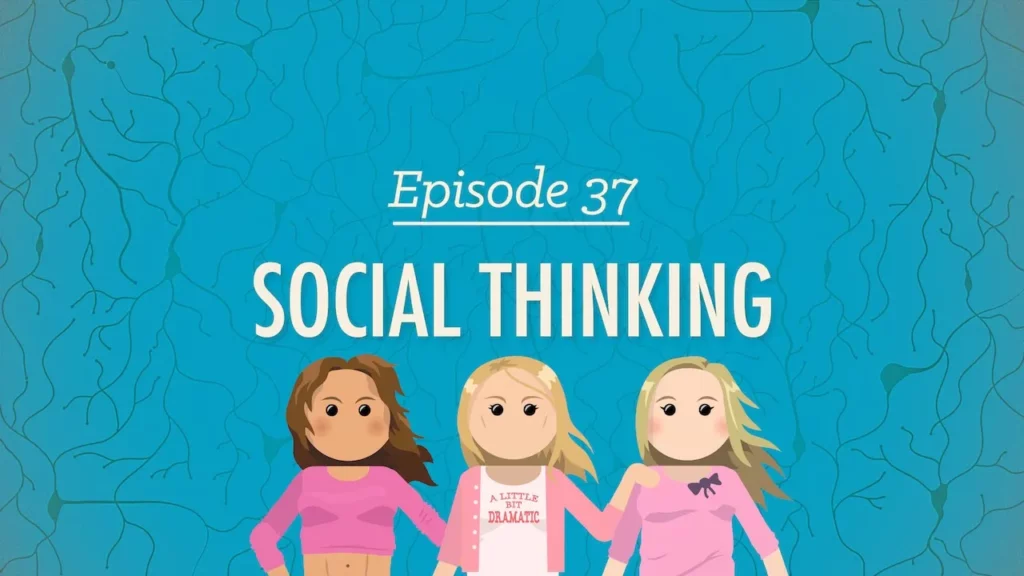
The lesson explores the complexities of human behavior through the lens of social psychology, examining the factors that lead individuals to act either heroically or villainously. Key concepts such as Attribution Theory, the power of persuasion, and the influence of situational factors, exemplified by the Stanford Prison Experiment, illustrate how context can shape actions and attitudes. Ultimately, the lesson emphasizes the importance of understanding these dynamics to foster empathy and promote positive social change.
To College or Not To College | How to College
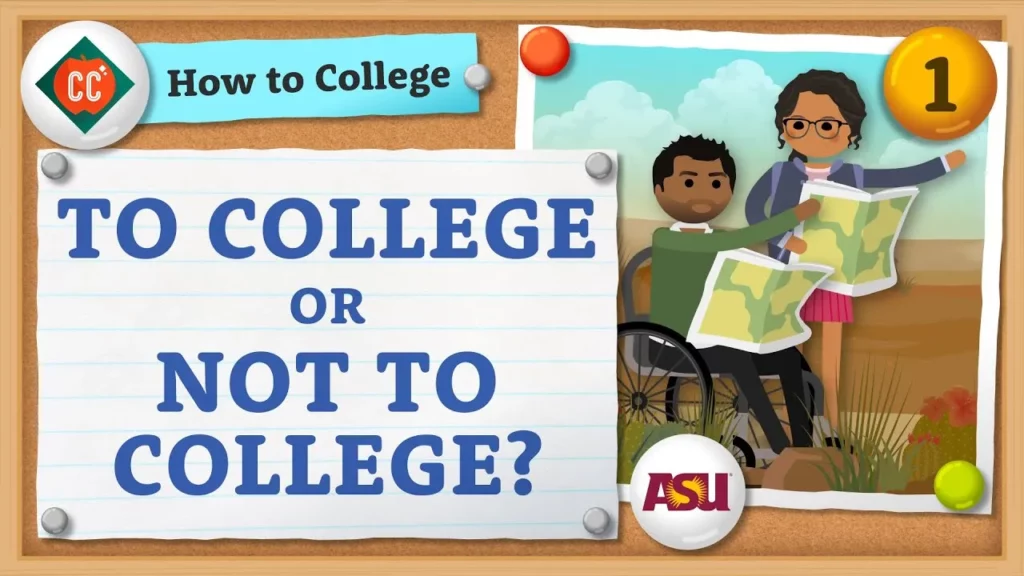
The lesson “Understanding College: A Guide to Your Educational Journey” emphasizes the transition from high school to college, highlighting the independence and diverse options available in higher education. It outlines various types of colleges, the importance of mentorship from professors, and the significant financial and personal benefits of obtaining a college degree. Additionally, it encourages students to set personal goals and consider their unique paths in navigating their college experience.
How to Train a Brain: Psychology #11
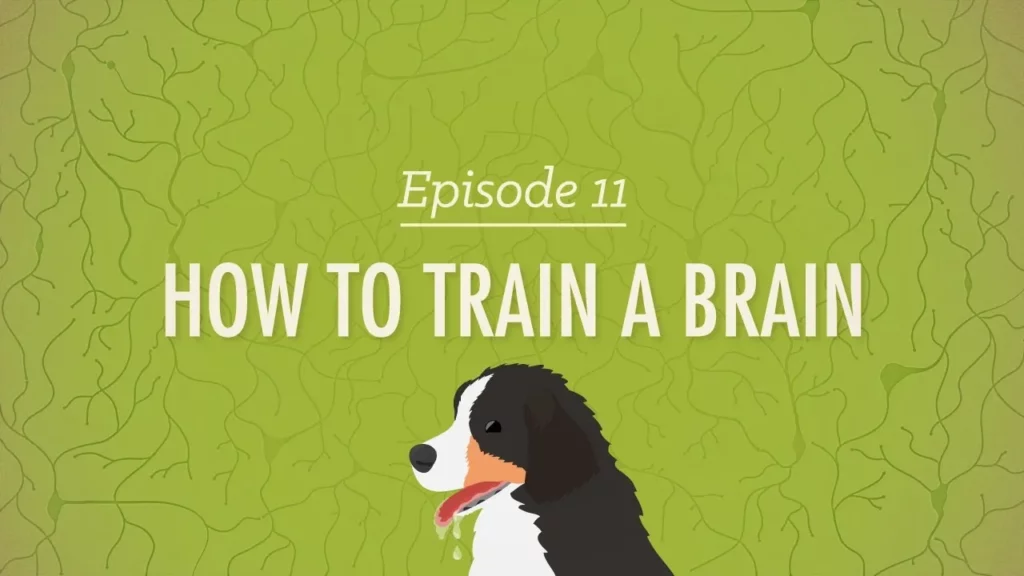
The lesson explores the contributions of Ivan Pavlov to psychology, particularly his discovery of classical conditioning, which demonstrated how behaviors can be learned through association. It highlights the shift in focus from internal mental processes to observable behaviors, laying the groundwork for the behaviorist movement, which was further developed by psychologists like B.F. Skinner. Ultimately, the lesson emphasizes the significance of both classical and operant conditioning in understanding learning and behavior, while acknowledging the evolving perspective that incorporates cognitive processes.
Mansa Musa and Islam in Africa: World History #16
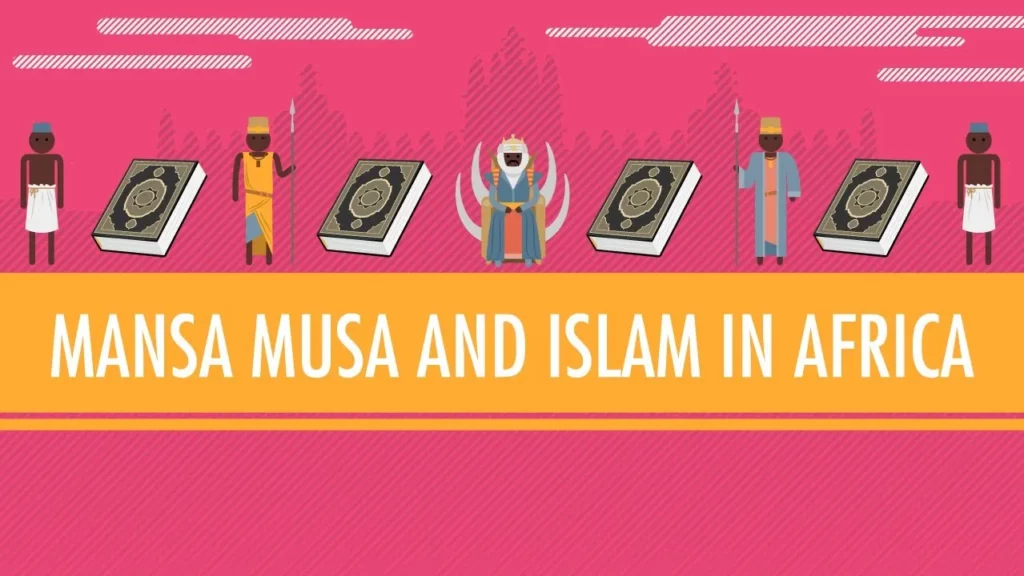
The lesson “Understanding Africa: A Rich Tapestry of History” emphasizes the continent’s diverse and complex past, particularly focusing on regions south of the Sahara Desert. It highlights the significance of oral traditions in preserving history, the wealth and influence of the Mali Empire under Mansa Musa, and the unique development of the Swahili civilization along the eastern coast, showcasing Africa’s vital role in global history and challenging stereotypes of the continent.
Capitalism and the Dutch East India Company: World History 229
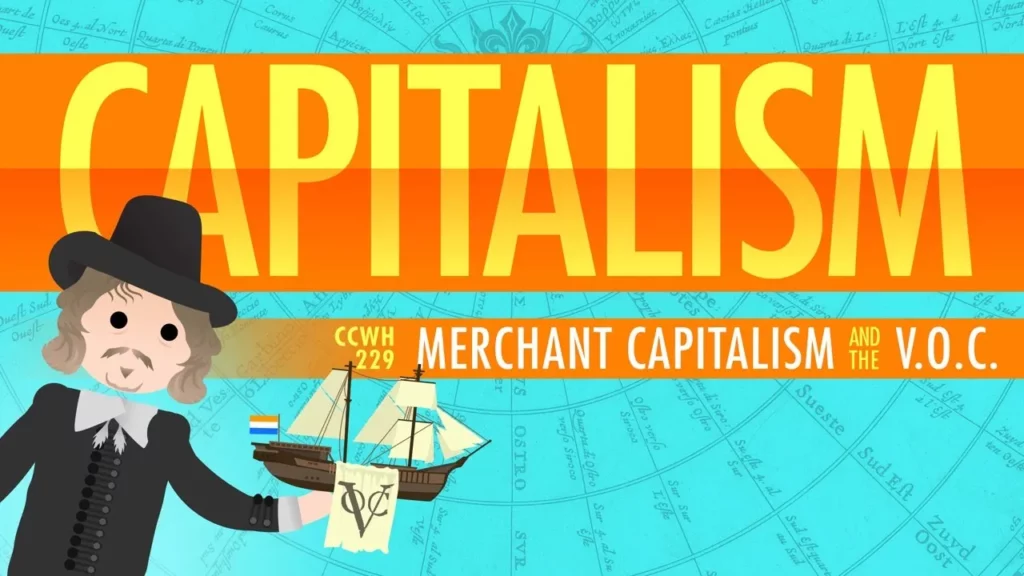
The lesson explores the rise and fall of the Dutch East India Company (VOC), which became a dominant force in global trade during the 17th century through a combination of military strength and innovative financial practices. While the VOC initially aimed for fair trade, its pursuit of profit led to violent tactics and exploitation, particularly in the spice trade, ultimately resulting in its decline and bankruptcy by 1799. The history of the VOC serves as a cautionary tale about the dangers of unchecked corporate power and the importance of balancing economic interests with ethical considerations and accountability.
Political Ideology: Government and Politics #35
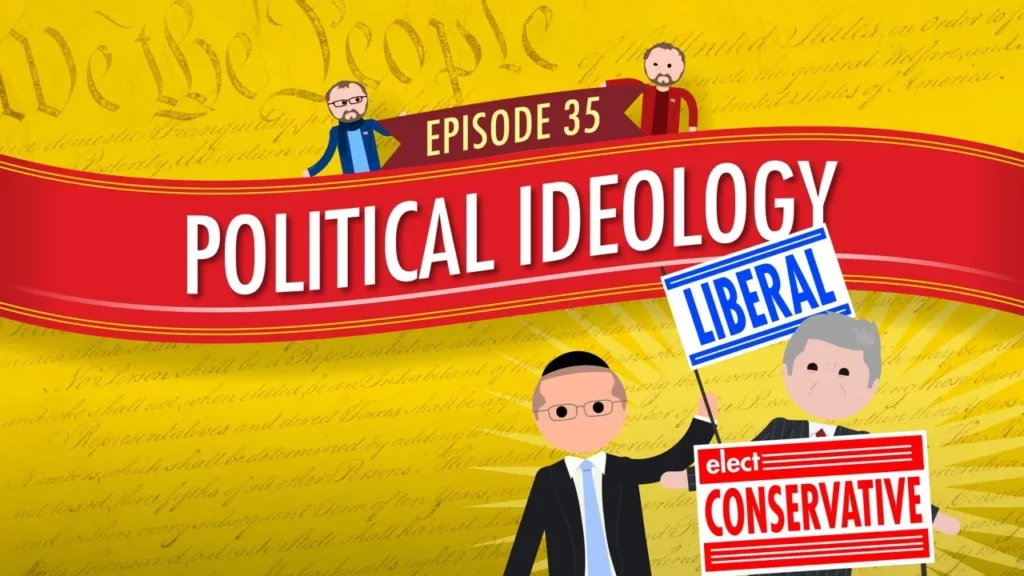
The lesson on “Understanding Political Ideologies in America” explores how individuals develop their political beliefs through a process called political socialization, influenced by factors such as family, social groups, education, and political conditions. It categorizes American political ideologies primarily into liberals and conservatives, highlighting their differing views on government roles, social issues, and economic policies. Ultimately, the lesson emphasizes the complexity and fluidity of political beliefs, underscoring the importance of understanding these dynamics for informed political discourse.
Iran’s Revolutions: World History 226
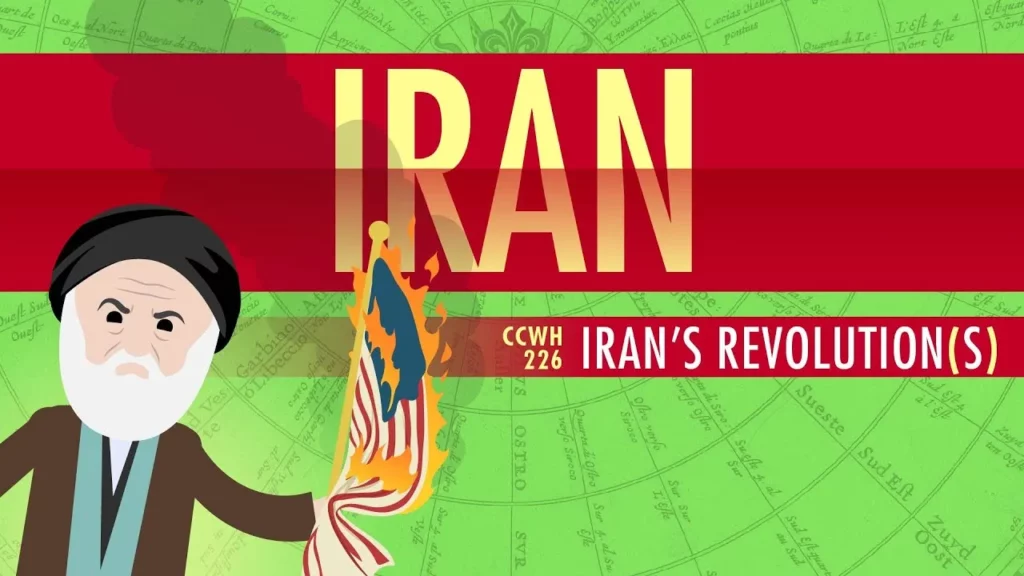
The 1979 Iranian Revolution marked a significant turning point in Iran’s history, leading to the overthrow of the Pahlavi Dynasty and the establishment of the Islamic Republic under Ayatollah Khomeini. Rooted in a complex interplay of historical, social, and political factors, the revolution began as a movement for political reform and social justice but ultimately transformed into a theocratic regime that implemented strict Shia Islamic law. Understanding this revolution is crucial for grasping the contemporary dynamics of Iranian society and its ongoing struggles for reform and freedom.
Medieval Europe: European History #1
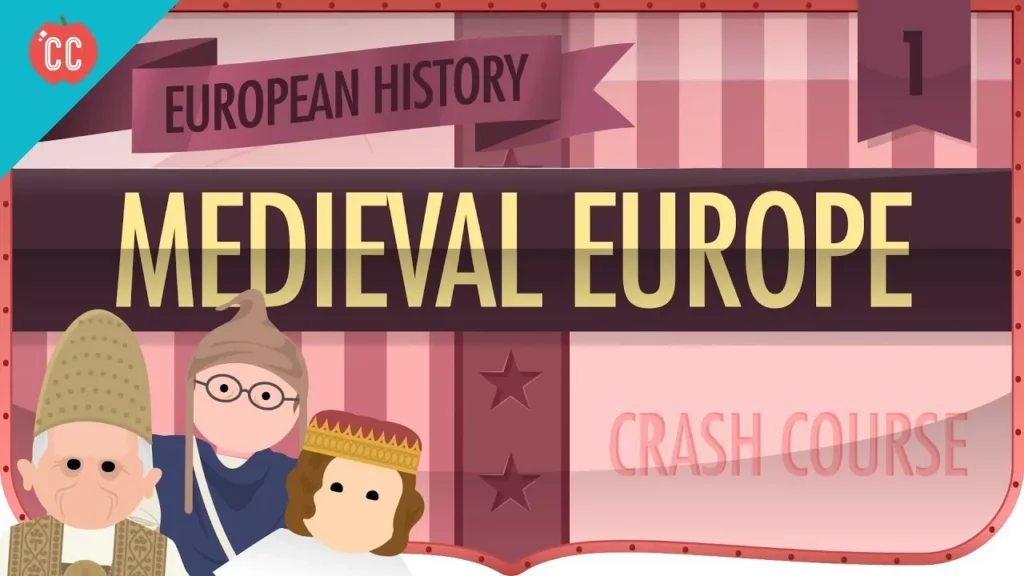
The lesson explores the complexities of life in Medieval Europe, highlighting significant events such as the Black Death, the Hundred Years War, and the Great Schism in the Catholic Church. It emphasizes the harsh realities of daily life during this turbulent period, including social upheaval and the decline of feudalism, while also noting how these challenges ultimately paved the way for the cultural rebirth of the Renaissance.
Arts and Letters of the Harlem Renaissance: Black American History #26
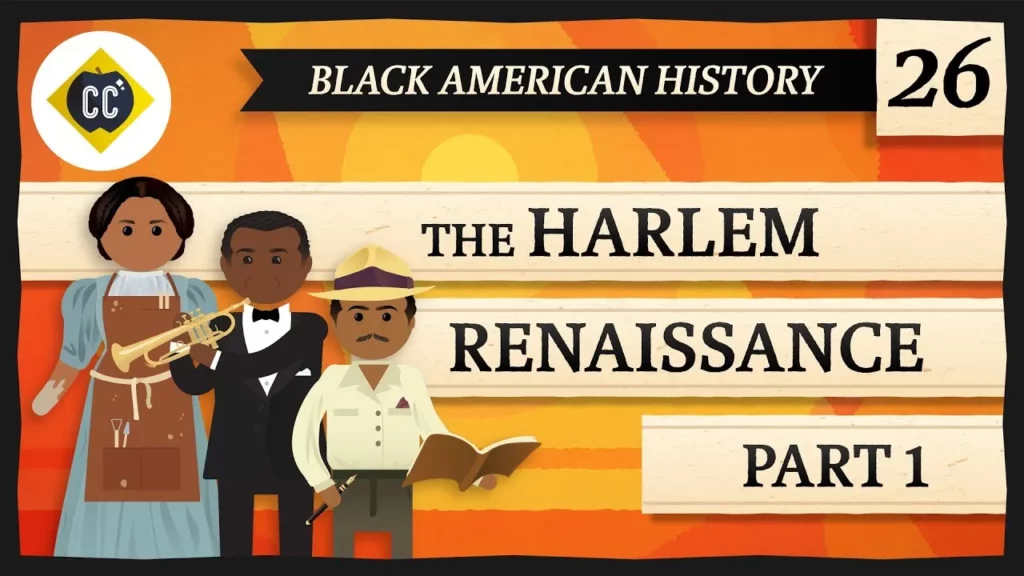
The Harlem Renaissance was a transformative cultural movement that emerged after World War I, characterized by a flourishing of artistic expression among Black Americans in Harlem. This period, fueled by the Great Migration and a response to social injustices, produced significant contributions in visual arts, literature, and music, with influential figures like Langston Hughes and Duke Ellington shaping the landscape of American culture. The legacy of the Harlem Renaissance continues to resonate today, highlighting the enduring power of art in advocating for social change and celebrating Black identity.
The Industrial Revolution: European History #24
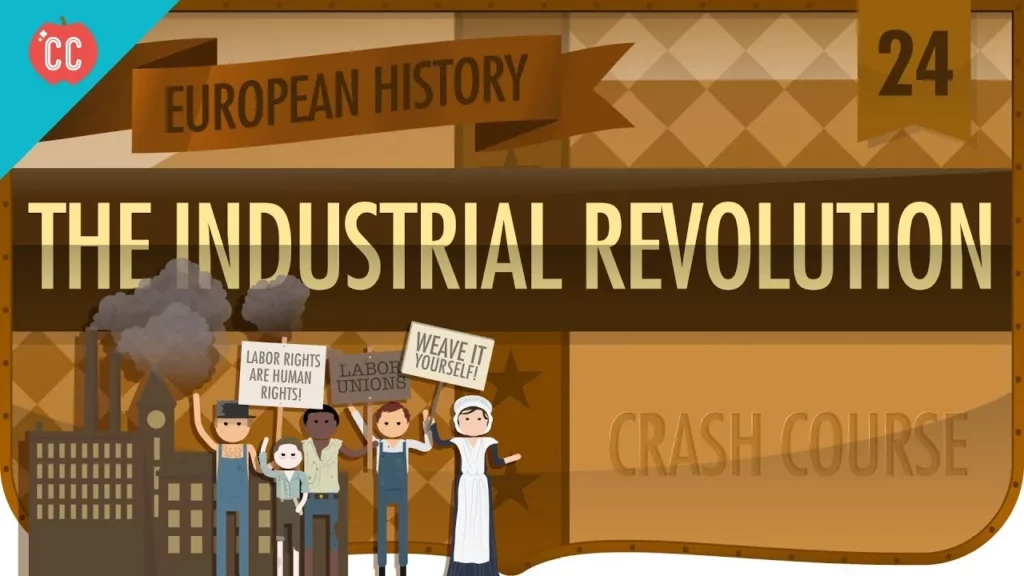
The Industrial Revolution was a pivotal period in European history that fundamentally altered how people lived and worked, transitioning from agrarian lifestyles to industrialized urban centers between 1820 and 1920. This era was marked by significant technological innovations, such as the steam engine, which revolutionized industries and transportation, while also giving rise to new social classes and challenging living conditions in rapidly growing cities. Despite its advancements, the Industrial Revolution also highlighted serious issues like exploitation, child labor, and poor working conditions, underscoring the complex legacy of this transformative era.