
ATP & Respiration: Biology #7
The lesson on cellular respiration explains how our cells convert food, particularly glucose, into usable energy in the form of adenosine triphosphate (ATP). It outlines the three main stages of this process: glycolysis, the Krebs Cycle, and the electron transport chain, highlighting the production of ATP and the importance of oxygen in these reactions. Understanding cellular respiration is crucial for appreciating how our bodies generate energy and maintain proper function.
Big Guns: The Muscular System – Biology #31
The lesson on “Understanding Muscle Function: The Science Behind Movement” explores the anatomy and physiology of muscles, detailing the three main types—cardiac, smooth, and skeletal—and their roles in movement. It explains the structure of muscles, the sliding filament model of contraction involving actin and myosin, and the critical role of adenosine triphosphate (ATP) in both muscle contraction and relaxation. Overall, the lesson emphasizes the intricate processes that enable movement and the importance of energy production in muscle function.
The Protestant Reformation: European History #6
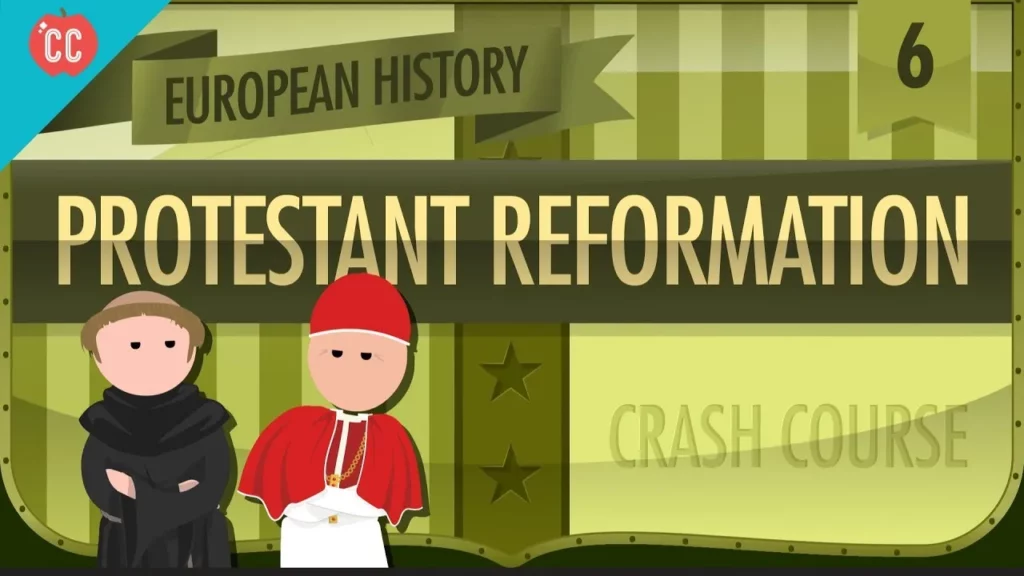
The lesson explores the significant role of religion in the rivalry between Spain and England during the mid-1500s, highlighting how the Catholic Church’s dominance and the Protestant Reformation, initiated by figures like Martin Luther, reshaped European history. Luther’s challenge to the Church’s authority and the subsequent rise of Protestantism not only led to social and political upheaval but also deepened the divide between Catholics and Protestants, setting the stage for ongoing conflicts and power struggles in early modern Europe. Ultimately, the Reformation was a catalyst for profound changes that influenced the trajectory of European politics and religion for centuries to come.
Galaxies, part 2: Astronomy #39
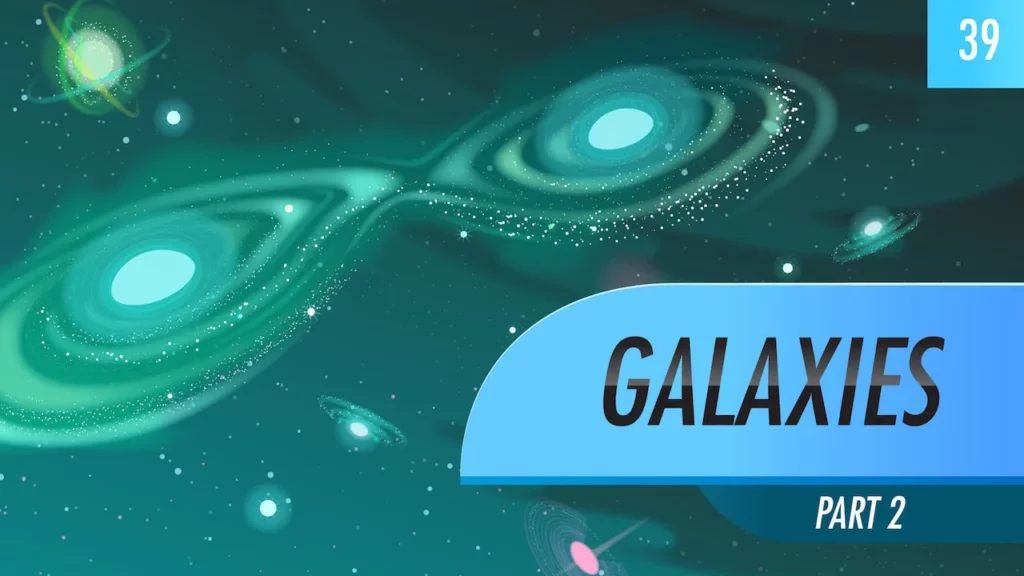
The lesson explores the nature of active galaxies, particularly quasars, and their relationship with supermassive black holes, which generate immense energy through accretion processes. It discusses the various classifications of galaxies, the structure of the universe, and the future of our Milky Way, highlighting its potential collision with the Andromeda Galaxy. Ultimately, the lesson emphasizes the vastness of the cosmos and our ongoing quest to understand its complexities.
The Problem of Evil: Philosophy #13
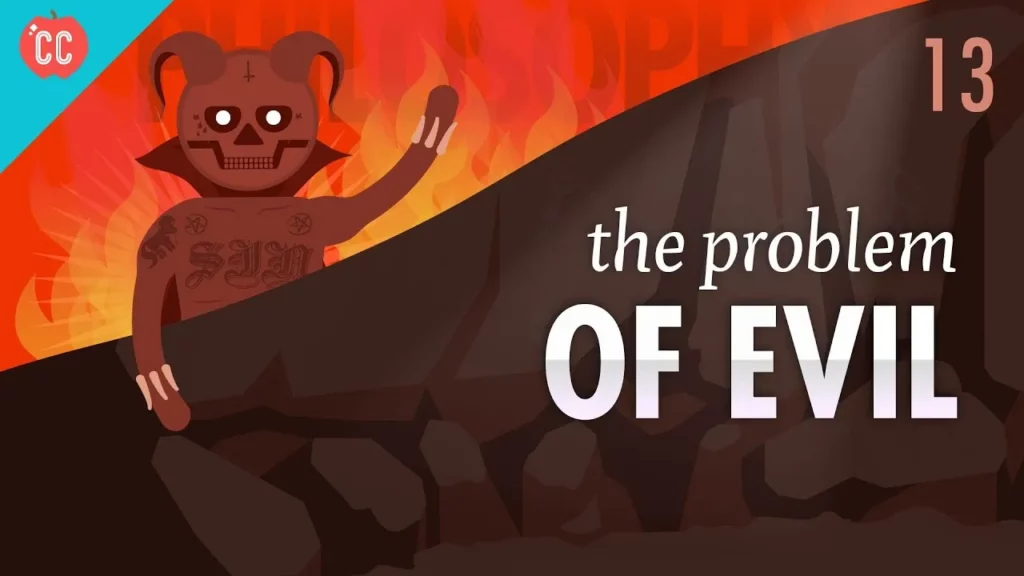
The lesson explores the philosophical problem of evil, particularly in relation to the belief in an all-knowing, all-powerful, and all-good God. It examines the distinctions between moral and natural evil, presents various theodicies that attempt to justify the existence of evil, and highlights the challenges posed by both the logical and evidential problems of evil. Ultimately, the inquiry into the problem of evil raises significant questions about the nature of God and the human experience, prompting ongoing reflection and debate.
Where US Politics Came From: US History #9
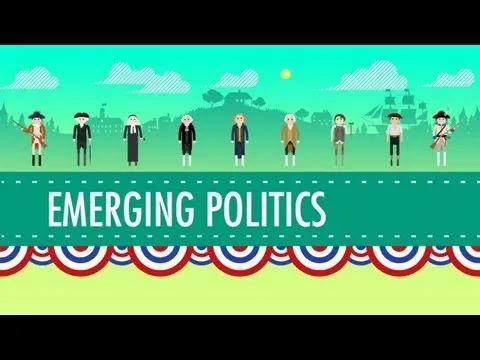
The lesson explores the early political landscape of the United States following the ratification of the Constitution, highlighting the contrasting visions of Alexander Hamilton and Thomas Jefferson. Hamilton advocated for a strong, trade-oriented federal government, while Jefferson envisioned an agrarian republic with decentralized power. Their ideological clash led to the formation of political parties and set the stage for ongoing debates about governance and democracy in America.
Utilitarianism: Philosophy #36

The lesson explores the ethical dilemma of whether Batman should kill the Joker, highlighting Batman’s strict no-killing moral code rooted in Kantian ethics, which emphasizes absolute adherence to moral rules. It contrasts this with utilitarianism, which evaluates actions based on their outcomes and the potential to maximize overall happiness, raising questions about the moral implications of inaction versus the sacrifice of individual lives for the greater good. Ultimately, the lesson underscores the tension between adhering to a moral code and considering the consequences of one’s actions in complex ethical situations.
The Oort Cloud: Astronomy #22
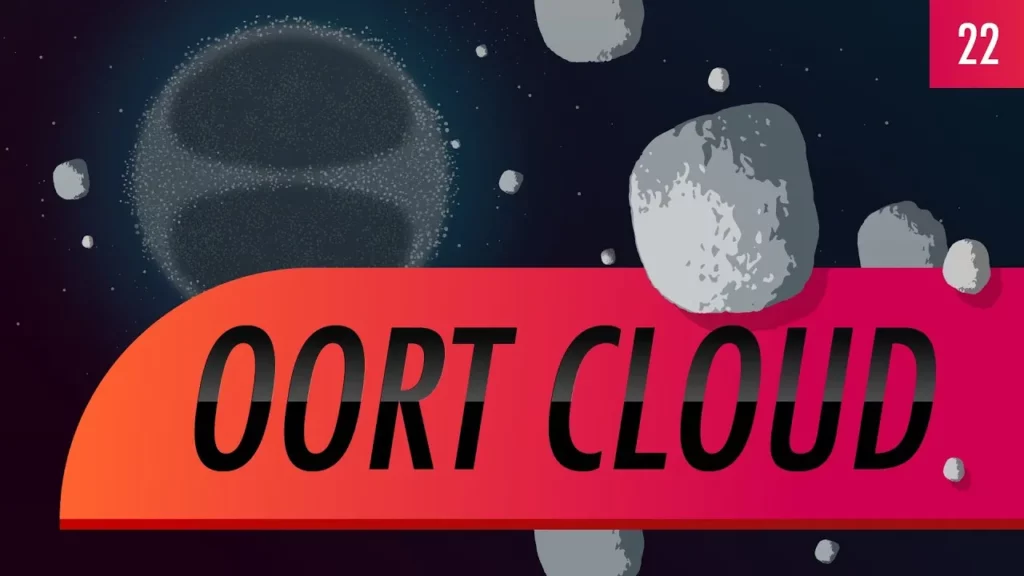
This lesson explores the significance of comets and their origins in understanding the solar system, highlighting the distinction between short-period and long-period comets. It delves into the formation of the solar system, the roles of the Kuiper Belt, scattered disk, and Oort Cloud, and discusses the ongoing mysteries surrounding these icy bodies, particularly the Oort Cloud, which remains largely unexplored. The lesson emphasizes the potential for future research to uncover more about the dynamics and history of our cosmic neighborhood.
If One Finger Brought Oil – Things Fall Apart Part 1: Literature 208
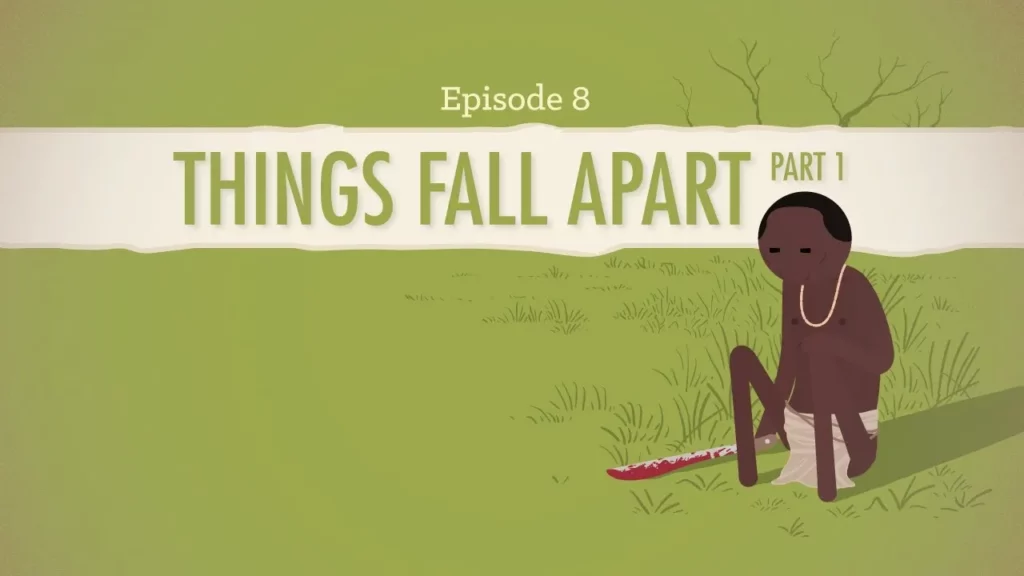
In “Things Fall Apart,” Chinua Achebe presents a nuanced portrayal of Igbo society and the impact of colonialism through the tragic story of Okonkwo, a man driven by fear of weakness and failure. Okonkwo’s internal struggles and violent actions lead to his downfall, reflecting broader themes of identity, power, and the complexities of humanity in the face of colonial change. The novel challenges stereotypes and encourages readers to critically examine their perceptions of strength and community.
The Persians & Greeks: World History #5
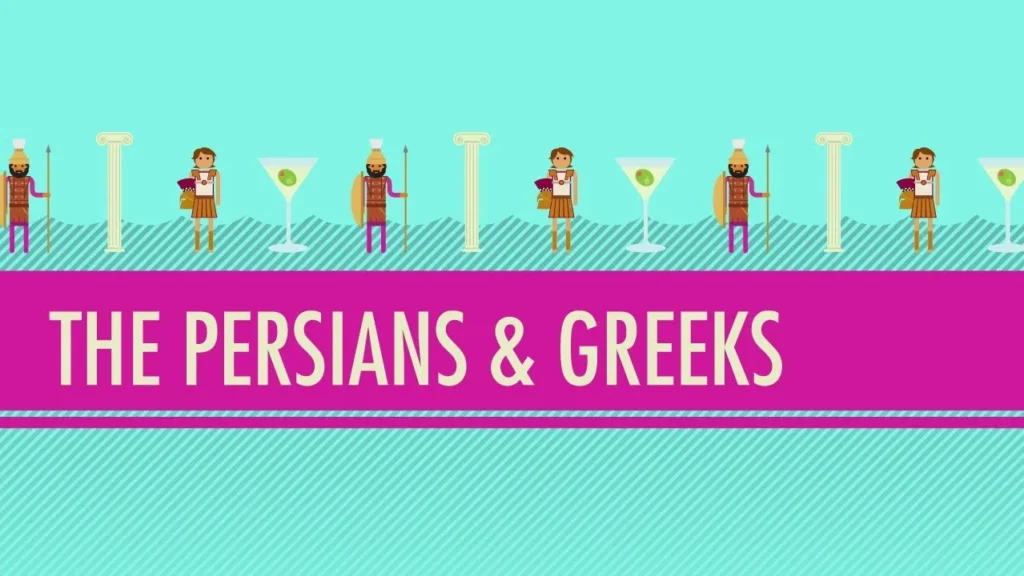
The lesson explores the historical dynamics between the Persian Empire and the Greek city-states, highlighting their governance, cultural achievements, and the significance of their conflicts. The Persian Empire, known for its fair rule and religious tolerance, contrasted with the culturally rich yet complex and sometimes hypocritical Athenian democracy, particularly during and after the Persian Wars. Ultimately, the lesson prompts reflection on the legacies of both civilizations and the ongoing relevance of their governance philosophies in contemporary society.