
Binary and Multiple Stars: Astronomy #34
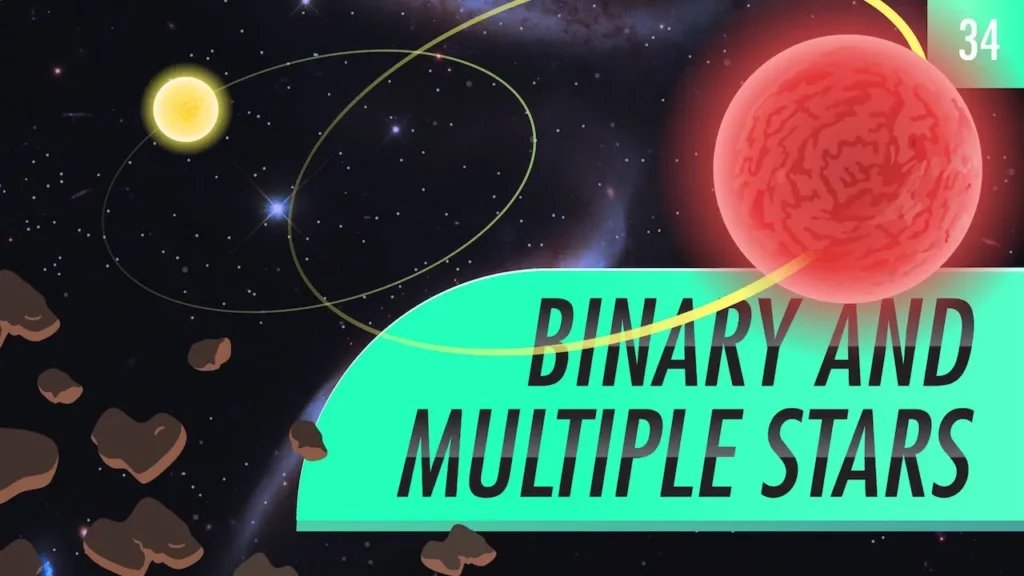
The lesson explores the intriguing dynamics of binary and multiple star systems, highlighting that many stars in the universe are not solitary but rather exist in gravitationally bound pairs or groups. It distinguishes between optical double stars, which appear close but are not, and true binary stars, which orbit each other, while also discussing various types of binary systems such as visual, spectroscopic, eclipsing, and contact binaries. Through the study of these systems, astronomers gain insights into stellar evolution, mass transfer, and explosive phenomena like novae and supernovae, enhancing our understanding of the cosmos.
Non-Human Animals: Philosophy #42

The lesson explores the ethical dilemma surrounding animal treatment, highlighting the concept of speciesism as introduced by philosopher Peter Singer. It challenges traditional justifications for differing treatment of animals based on intelligence, cultural practices, and necessity, advocating for “Equal Consideration of Interests” to ensure that the capacity to suffer is the primary focus in ethical discussions. Ultimately, it calls for a reevaluation of our moral beliefs and actions towards all sentient beings, encouraging consistent and compassionate treatment.
The Dark Ages…How Dark Were They, Really?: World History #14
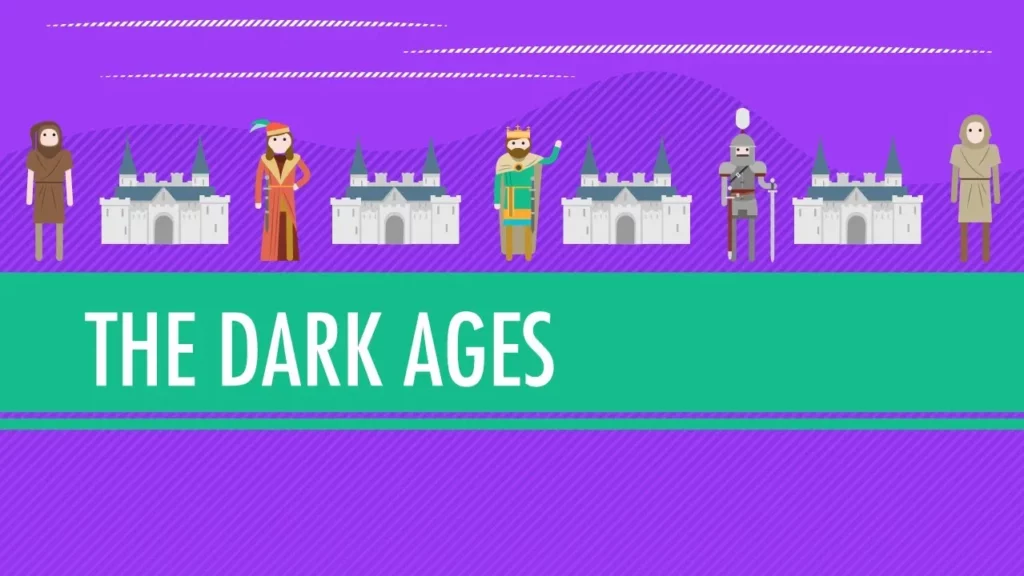
The lesson challenges the misconception of the “Dark Ages” as a period devoid of cultural and intellectual progress, highlighting that this view is largely Eurocentric. It emphasizes that while Europe experienced certain declines after the fall of the Roman Empire, significant advancements were occurring in other regions, particularly during the Islamic Golden Age and China’s Golden Age, where notable contributions in philosophy, science, and the arts flourished. Ultimately, the lesson advocates for a more nuanced understanding of this historical period, recognizing the interconnectedness of diverse cultures and their roles in shaping human progress.
Mechanical Engineering: Engineering #3
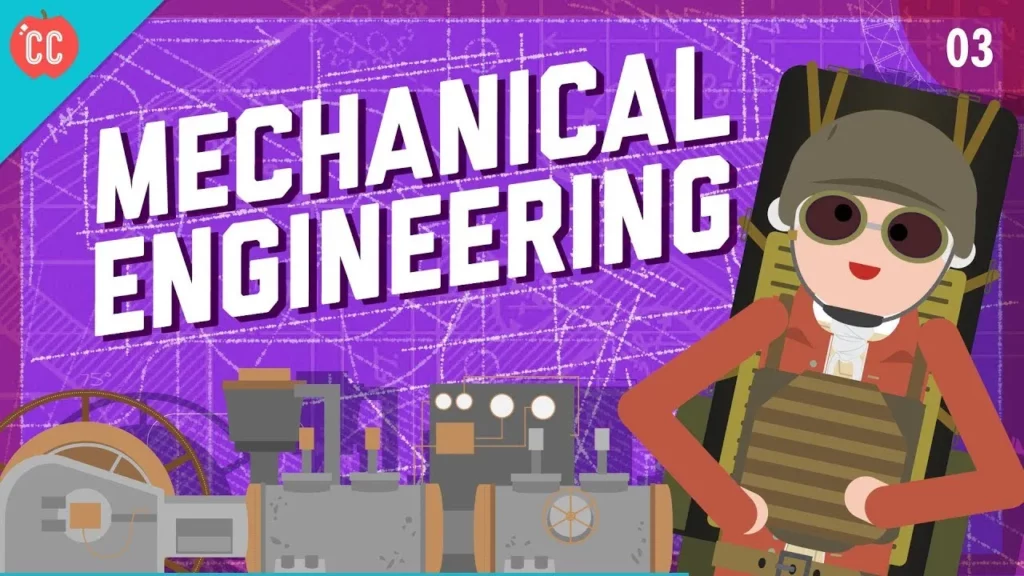
The lesson highlights the significant impact of mechanical engineering on society, tracing its evolution from early inventions like the wheel to groundbreaking advancements such as the steam engine, robotics, and biomechanics. It emphasizes how mechanical engineers have continuously addressed challenges, transforming transportation, manufacturing, and even healthcare, while paving the way for future innovations that enhance efficiency and improve quality of life. Ultimately, the field exemplifies humanity’s relentless pursuit of progress and problem-solving.
The Black Legend, Native Americans, and Spaniards: US History #1
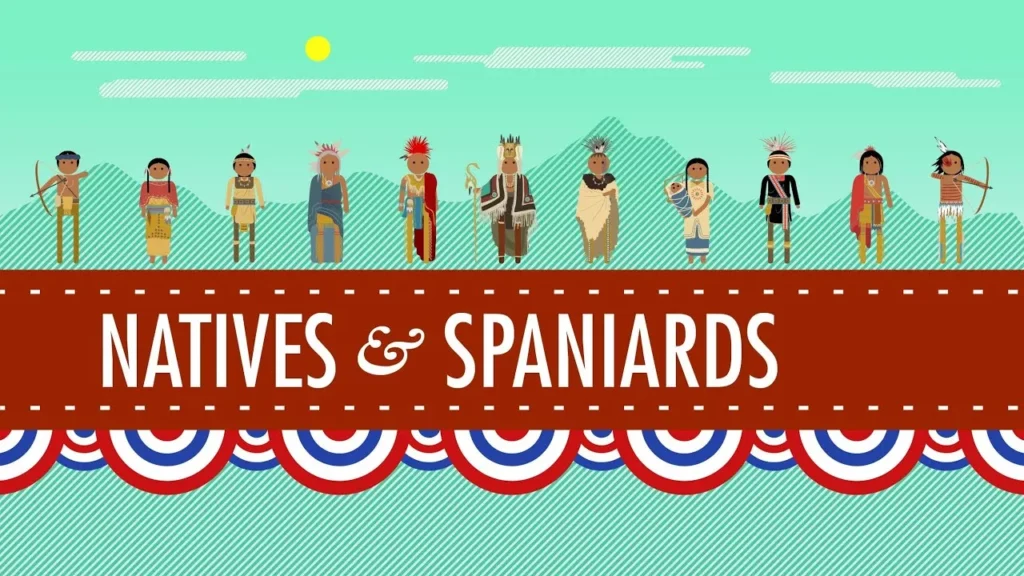
The lesson on “Understanding Pre-Columbian North America” emphasizes the rich diversity and complexity of indigenous cultures before European contact, challenging the notion of “primitive” societies. It highlights the significant population estimates, the impact of European diseases, and the unique social structures, spiritual beliefs, and land ownership perspectives of Native American tribes. Ultimately, the lesson underscores the importance of recognizing diverse voices in history, particularly in understanding the nuanced experiences of indigenous peoples amidst European colonization.
Stars: Astronomy #26

The lesson “Understanding Stars: From Twinkling Dots to Cosmic Giants” explores the diverse characteristics of stars, including their brightness, color, and composition, and how these factors contribute to our understanding of the universe. It highlights the development of spectroscopy for studying stars’ light spectra, the classification of stars using the Hertzsprung-Russell Diagram, and the evolutionary processes that stars undergo throughout their lifecycles. Ultimately, the lesson emphasizes the importance of these tools and concepts in expanding our knowledge of celestial bodies and their roles in the cosmos.
Dark Matter: Astronomy #41
The lesson explores the concept of dark matter, an invisible substance that constitutes about 85% of the universe’s matter, and its significant role in shaping cosmic structures. Pioneering work by astronomers like Vera Rubin and Fritz Zwicky revealed that the gravitational effects observed in galaxies and galaxy clusters could not be explained by visible matter alone, leading to the hypothesis of dark matter. Despite ongoing challenges in identifying its true nature, dark matter remains a central focus in modern astronomy, influencing the formation and behavior of galaxies throughout the universe.
Aliens: Film Criticism #2
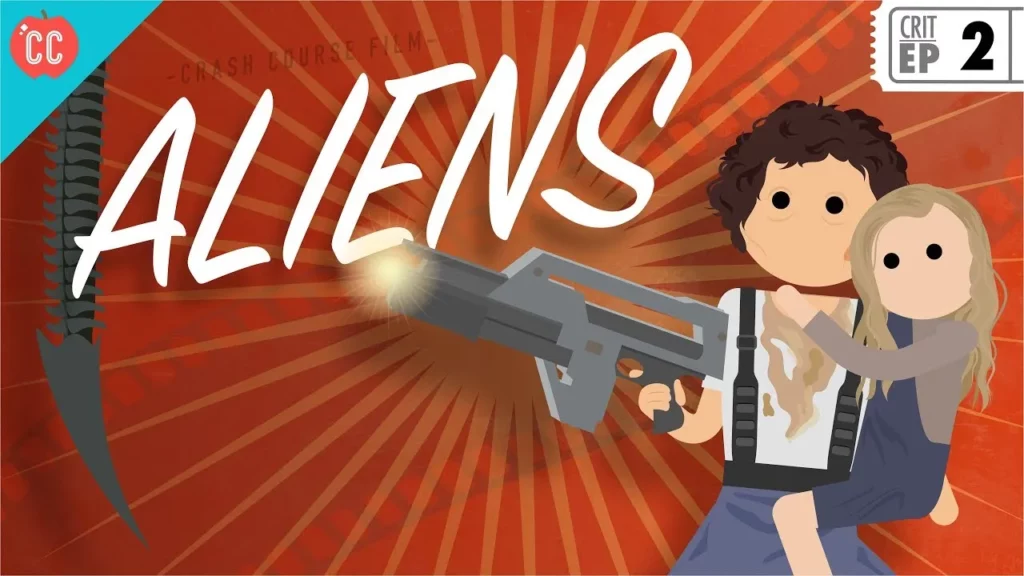
The lesson provides an in-depth analysis of James Cameron’s *Aliens*, highlighting its unique blend of sci-fi, horror, and action while exploring complex themes such as motherhood, survival, and military ethics. It examines the evolution of the character Ellen Ripley, emphasizing her transformation from a survivor to a protective mother figure, and discusses the film’s cultural commentary on xenophobia and the portrayal of “the other.” Ultimately, *Aliens* is presented as a seminal work that resonates on multiple levels, solidifying its significance in cinematic history.
African Pantheons and the Orishas: World Mythology #11
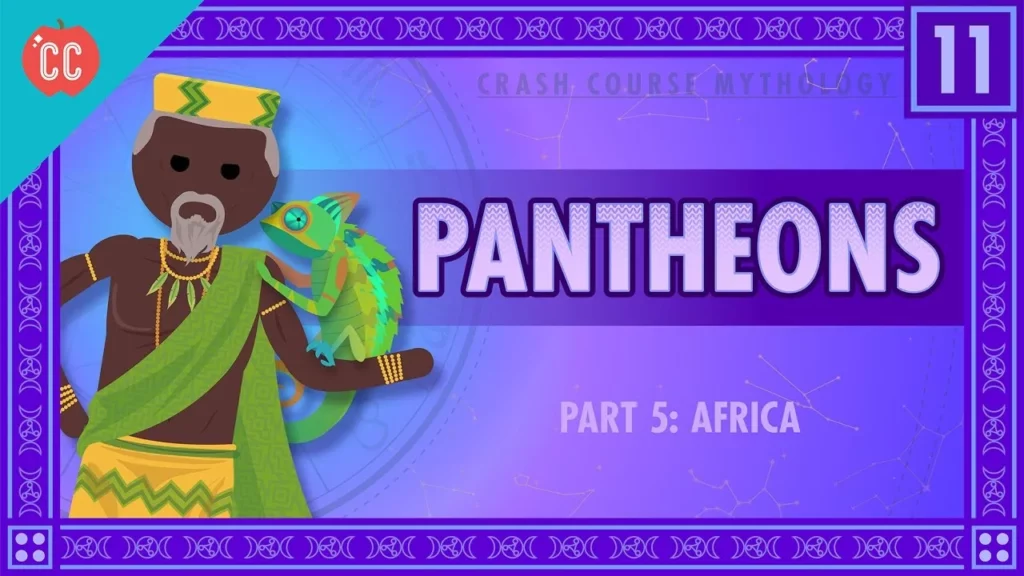
This lesson explores the rich tapestry of Yoruba mythology, focusing on the pantheon of deities known as the Orishas, who embody various aspects of life and nature. It highlights the cultural significance of these myths, their historical context, and the lessons they impart about wisdom, power, and the complexities of the human experience. Through the stories of the Orishas, we gain a deeper understanding of the Yoruba people’s heritage and the broader diversity of African mythology.
The Natives and the English – US History #3
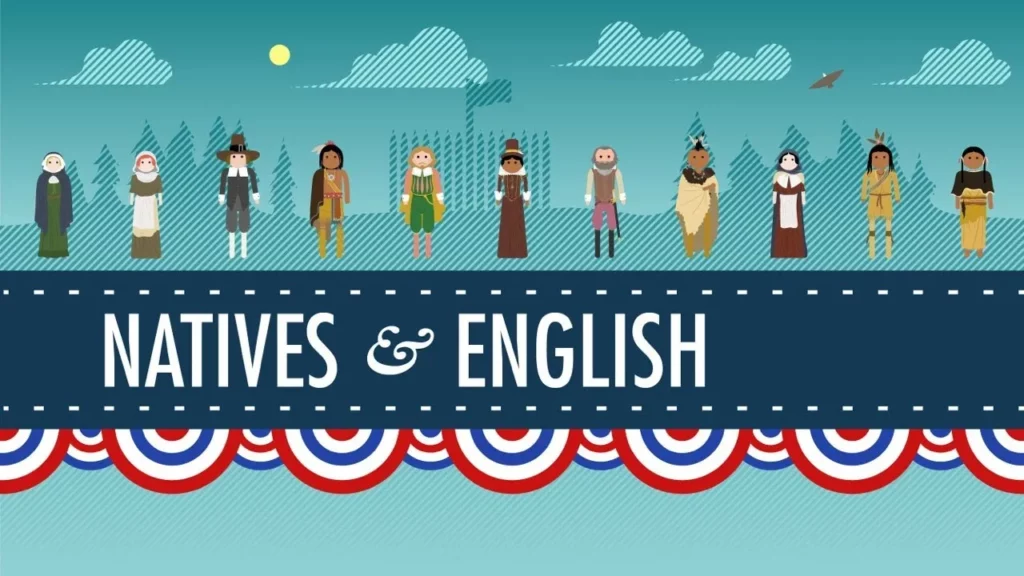
The lesson examines the complex and often troubled relationship between Native Americans and English settlers, beginning with initial cooperation and mutual benefit, particularly in trade and survival. However, as settlers’ demands for land and resources grew, tensions escalated, leading to violent conflicts such as the Pequot War and King Philip’s War, which devastated Native populations and altered power dynamics. Ultimately, the lesson underscores the importance of understanding this shared history, highlighting the resilience of Native American communities amidst colonization.