
Aliens, Time Travel, and Dresden – Slaughterhouse-Five Part 1: Literature 212
The lesson on Kurt Vonnegut’s *Slaughterhouse-Five* delves into the novel’s anti-war themes, particularly its exploration of the trauma of World War II and the bombing of Dresden. Through the non-linear narrative of Billy Pilgrim, Vonnegut illustrates the chaos of war and the complexities of witnessing trauma, while also reflecting on the ethical implications of storytelling. Ultimately, the novel serves as a profound commentary on memory, the human experience of suffering, and the absurdity of life.
Alexander the Great: World History #8
The lesson on Alexander the Great explores the complexities of greatness through his life, achievements, and the societal values that shaped his legacy. It examines the quest for fame, the historical focus on “Great Men,” and how Alexander’s military successes, lasting impact, and the legends surrounding him contribute to our understanding of greatness. Ultimately, the lesson encourages reflection on how greatness is defined and celebrated, emphasizing that history is influenced by collective societal narratives rather than solely by individual accomplishments.
The Roaring 20’s: US History #32
The 1920s, known as “The Roaring Twenties,” was a transformative decade in America characterized by economic growth, cultural flourishing, and significant social changes, yet it was also marked by contradictions and tensions. While consumer culture thrived and new freedoms emerged, particularly for women, the era also saw rising social prejudices, income inequality, and a clash between science and religion exemplified by the Scopes Trial. Ultimately, this complex legacy foreshadowed the challenges that would lead to the Great Depression, highlighting the fragility of progress and the ongoing struggle to define American values.
American Imperialism: US History #28
The lesson on American imperialism explores the United States’ expansionist policies during the late 1800s and early 1900s, highlighting economic motivations, national pride, and strategic interests that drove this movement. Key events, such as the Spanish-American War, resulted in significant territorial gains but also sparked conflicts and raised moral questions about democracy and the treatment of conquered peoples. The legacy of this period continues to influence U.S. foreign policy and global relationships today.
Columbus, Vasco da Gama, and Zheng He – 15th Century Mariners: World History #21
This lesson compares the contributions of three significant 15th-century explorers: Zheng He, Vasco da Gama, and Christopher Columbus. Zheng He, a Chinese admiral, focused on trade missions that showcased China’s power, while Vasco da Gama pioneered a sea route to India, establishing a Portuguese trading empire. Columbus, often celebrated for his voyages, inadvertently opened the Americas to European colonization, leading to complex and often detrimental consequences for indigenous populations. The lesson encourages reflection on the legacies of these figures and the values they represent in exploration and leadership.
The Agricultural Revolution: World History #1
In this lesson, we explore the transformative journey of humanity from foraging to agriculture over the past fifteen thousand years. While early foragers enjoyed a relatively healthy and creative lifestyle, the shift to farming brought about a more stable food supply and the rise of complex societies, but also introduced significant environmental changes and social inequalities. Understanding this evolution highlights the ongoing nature of historical revolutions and the importance of making informed choices that impact future generations.
Florence and the Renaissance: European History #2
The Renaissance was a transformative period in Europe characterized by a revival of classical ideas and humanism, largely influenced by thinkers like Francesco Petrarch. While often viewed as a departure from the Middle Ages, the Renaissance shared many elements with its predecessor, including ongoing social unrest and political instability, particularly in city-states like Florence, where wealthy patrons like the Medici played a crucial role in fostering artistic and cultural developments. Despite its advancements, the Renaissance’s impact on ordinary people was uneven, with many remaining largely unaffected by the era’s intellectual and cultural shifts.
High Mass Stars: Astronomy #31
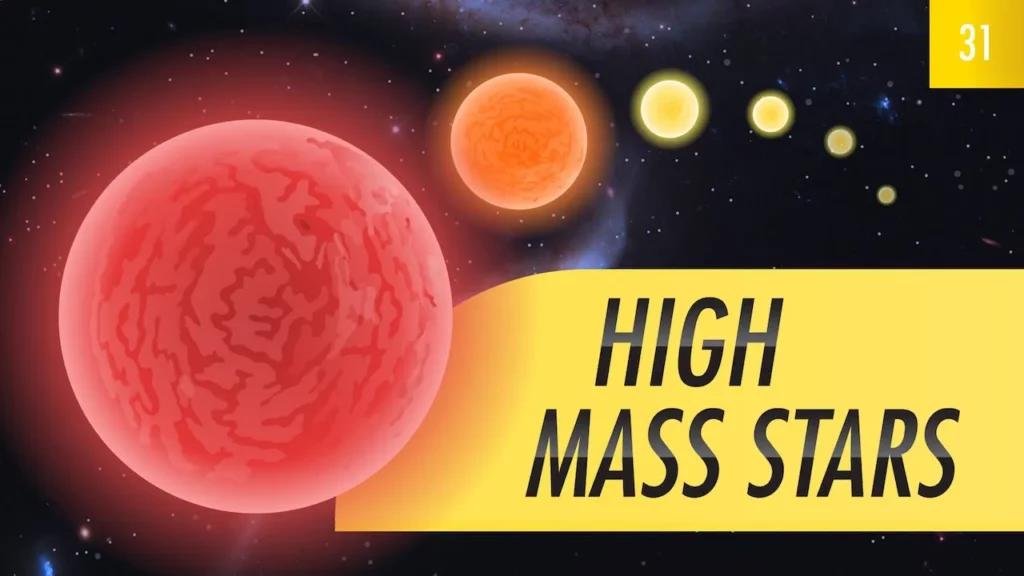
The lesson explores the life cycle of massive stars, emphasizing the balance between gravitational forces and internal heat that governs their existence. As these stars evolve, they undergo fusion processes that create heavier elements until they reach iron, leading to a catastrophic collapse and a supernova explosion. This explosive event not only marks the end of the star’s life but also disperses essential elements into the universe, contributing to the formation of new stars and planets, including the building blocks of life on Earth.
Galaxies, part 1: Astronomy #38
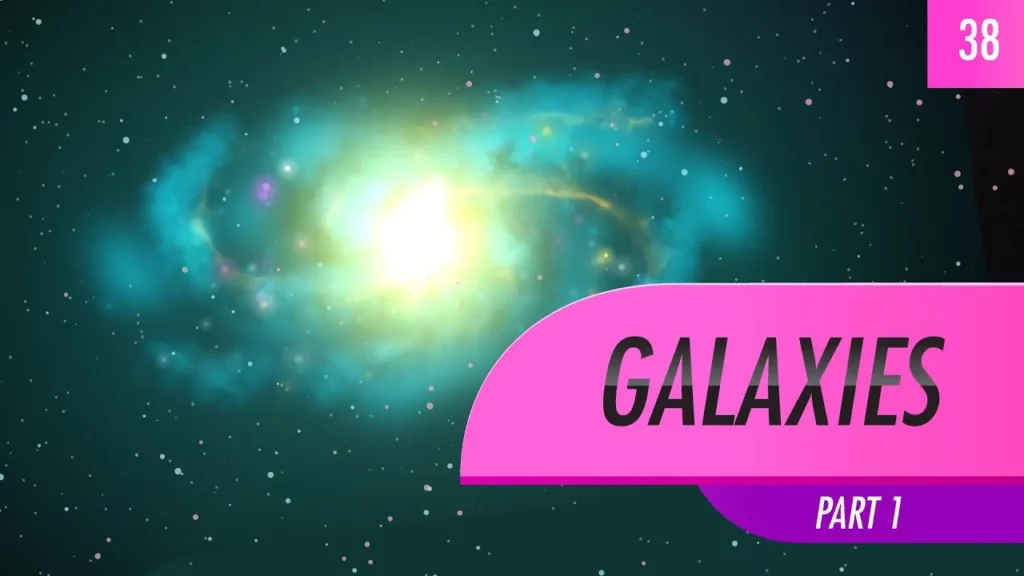
The lesson “Exploring Our Cosmic Neighborhood: The Milky Way and Beyond” introduces the Milky Way galaxy as a bustling cosmic environment filled with various celestial structures, such as stars, nebulae, and clusters. It highlights key historical developments in astronomy, including the Great Debate of 1920 and Edwin Hubble’s groundbreaking discovery of the Andromeda galaxy, which reshaped our understanding of the universe. The lesson concludes by categorizing galaxies into four main types—spiral, elliptical, peculiar, and irregular—and emphasizes the significance of galactic collisions and the vastness of the cosmos, reminding us of our small place within it.
Endocrine System, Part 1 – Glands & Hormones: Anatomy & Physiology #23
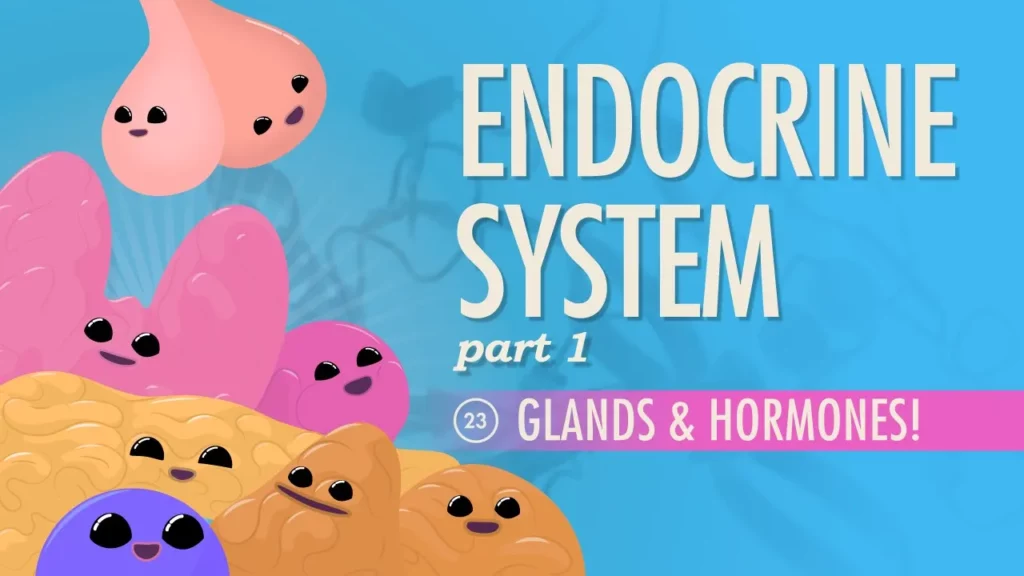
The lesson on hormones emphasizes the complexity and significance of the endocrine system, debunking common stereotypes that oversimplify their roles. It highlights that hormones, which number over 50, are essential for various bodily functions, including metabolism, stress response, and maintaining homeostasis. By understanding how hormones interact and the importance of the endocrine system, we can better appreciate their critical contributions to our overall health and well-being.