
OCD and Anxiety Disorders: Psychology #29
The lesson on anxiety disorders highlights the stigma surrounding mental illness and the importance of understanding psychological disorders, particularly anxiety disorders such as OCD, GAD, panic disorder, and phobias. It emphasizes that these conditions are serious and can significantly impact daily functioning, while also exploring their origins from both learning and biological perspectives. By promoting awareness and empathy, the lesson aims to combat misconceptions and foster a more informed discussion about mental health.
Compatibilism: Philosophy #25
The lesson explores the complex nature of free will through the case of a man whose criminal behavior was linked to a brain tumor affecting his impulse control. It contrasts hard determinism, which denies free will, with libertarian free will, which asserts individual choice, and introduces compatibilism as a middle ground that allows for moral responsibility despite deterministic influences. Ultimately, the lesson emphasizes the importance of understanding the degree of control individuals have over their actions, particularly in the context of mental illness and external influences, to better assess accountability.
Lymphatic System: Anatomy & Physiology #44
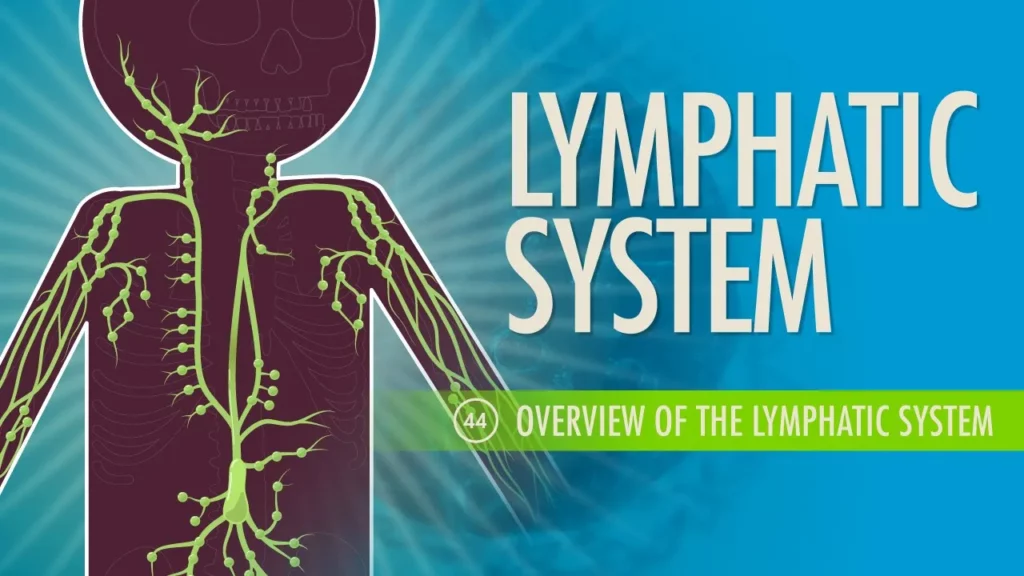
The lymphatic system is an essential yet often underappreciated component of the body, playing a critical role in maintaining fluid balance and supporting the immune system. It collects excess fluid from tissues, preventing swelling and low blood pressure, while also serving as a defense mechanism against infections through lymph nodes that filter harmful invaders. Understanding the structure and function of the lymphatic system highlights its importance in overall health and disease prevention.
Where Does Your Mind Reside?: Philosophy #22
The lesson explores the mind-body problem through the case of Phineas Gage, whose personality changed dramatically after a brain injury, raising questions about the relationship between physical changes in the brain and personality. It contrasts reductive physicalism, which posits that all aspects of identity can be explained by physical processes, with substance dualism, which argues for a distinction between mind and body. The lesson also discusses thought experiments like Mary’s, which challenge physicalist views, and introduces alternative perspectives such as epiphenomenalism and mysterianism, highlighting the ongoing philosophical debate about consciousness and human existence.
Locke, Berkeley, & Empiricism: Philosophy #6
The lesson delves into the philosophical exploration of reality through the lenses of empiricism and rationalism, highlighting the contributions of key philosophers such as René Descartes, John Locke, and George Berkeley. It examines the foundational skepticism in philosophy, contrasting rationalist beliefs in innate knowledge with empiricist views that emphasize sensory experience, ultimately leading to Berkeley’s radical assertion that existence is contingent upon perception. The discussion invites reflection on the complexities of reality and the significant role perception plays in shaping our understanding of the world.
Moon Phases: Astronomy #4
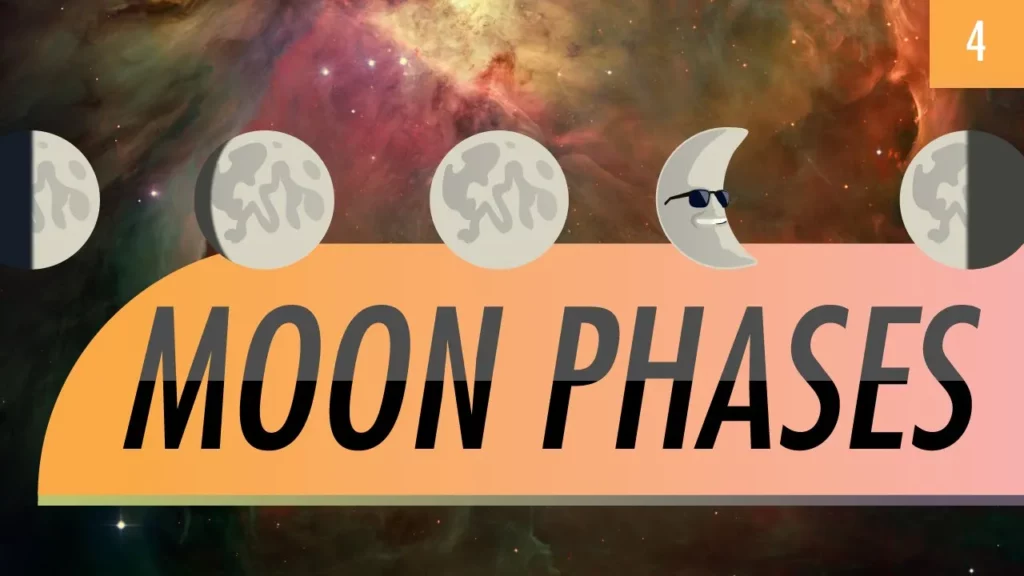
The lesson on “Understanding the Phases of the Moon” explains how the Moon’s appearance changes due to its orbit around the Earth and the way sunlight illuminates its surface. It outlines the lunar cycle, detailing each phase from the New Moon to the Full Moon and back, while also introducing the concept of Earthshine. By grasping these concepts, we can better appreciate the Moon’s beauty and its role in the universe.
Special Relativity: Physics #42
The lesson on special relativity introduces the fundamental concepts of time and space as described by Albert Einstein’s theory, emphasizing how objects behave at speeds close to the speed of light. Key ideas include the uniformity of physical laws across different reference frames, the constancy of the speed of light, and the implications of time dilation, lack of universal simultaneity, and length contraction. Ultimately, the lesson reveals that space and time are interconnected in a four-dimensional spacetime fabric, challenging our conventional understanding of the universe.
How to Argue – Philosophical Reasoning: Philosophy #2
This lesson explores the concepts of rationality and argumentation in philosophy, emphasizing the importance of logical thinking in discussions and debates. It introduces Plato’s tripartite soul, which divides human psyche into rational, spirited, and appetitive parts, and highlights the structure of arguments, including premises and conclusions. By understanding the distinction between validity and soundness in arguments, learners can enhance their persuasive skills and engage in more meaningful conversations.
Aristotle & Virtue Theory: Philosophy #38
Aristotle’s virtue theory emphasizes the development of strong character traits as the foundation for ethical behavior, focusing on the pursuit of eudaimonia, or a well-lived life. By understanding the concept of the Golden Mean, individuals can navigate moral dilemmas by finding balance between extremes, cultivating virtues through experience and imitation of role models. Ultimately, the journey toward virtue is continuous, requiring dedication to personal growth and a commitment to contributing positively to society.
What Is a Good Life?: Philosophy #46
The lesson “Reflecting on Life: What Constitutes a Good Life?” explores the subjective nature of a fulfilling life, emphasizing the importance of self-examination and personal values in determining one’s sense of meaning. Through philosophical perspectives, including the myth of Sisyphus and the Experience Machine, it highlights that true fulfillment comes from real-world connections and contributions rather than mere pleasure. Ultimately, the lesson encourages individuals to actively define their own lives and pursue what brings them joy and purpose.