
Monetary and Fiscal Policy: Government and Politics #48
This lesson explores the essential roles of monetary and fiscal policy in managing the economy. Monetary policy, overseen by the Federal Reserve, focuses on controlling the money supply and interest rates to maintain economic stability, while fiscal policy involves government decisions on taxation and spending, which can lead to budget deficits. Understanding the interplay between these two policies is crucial for navigating economic challenges and shaping the financial landscape.
Consciousness: Psychology #8
The lesson on consciousness explores the elusive nature of awareness, highlighting how it shapes our experiences and interactions with the world. It discusses the dynamic “stream” of consciousness, the different states we navigate throughout the day, and the advancements in neuroimaging that help us understand brain activity related to conscious experiences. Additionally, it examines concepts like selective attention, the cocktail party effect, and inattentional blindness, illustrating how our awareness is often limited and can lead to significant implications in perception and memory.
Your Mental Health in College | How to College
The lesson emphasizes the importance of prioritizing mental health during the college experience, which can be both exciting and overwhelming. Key strategies include ensuring adequate sleep, maintaining a balanced diet, engaging in regular physical activity, building a support system, and seeking help when needed. By taking proactive steps to care for their mental, emotional, and physical well-being, students can navigate the challenges of college life more effectively and enjoy a fulfilling experience.
Personal Identity: Philosophy #19
The lesson explores the concept of personal identity, focusing on two main theories: the Body Theory, which posits that identity is tied to the physical body, and the Memory Theory, which suggests that our consciousness and memories define who we are. Both theories present challenges, such as the continuous physical changes of our bodies and the unreliability of memories, prompting deeper questions about what it truly means to be the same person over time. Understanding personal identity is crucial, as it influences our responsibilities, relationships, and societal commitments.
Atomic Hook-Ups – Types of Chemical Bonds: Chemistry #22
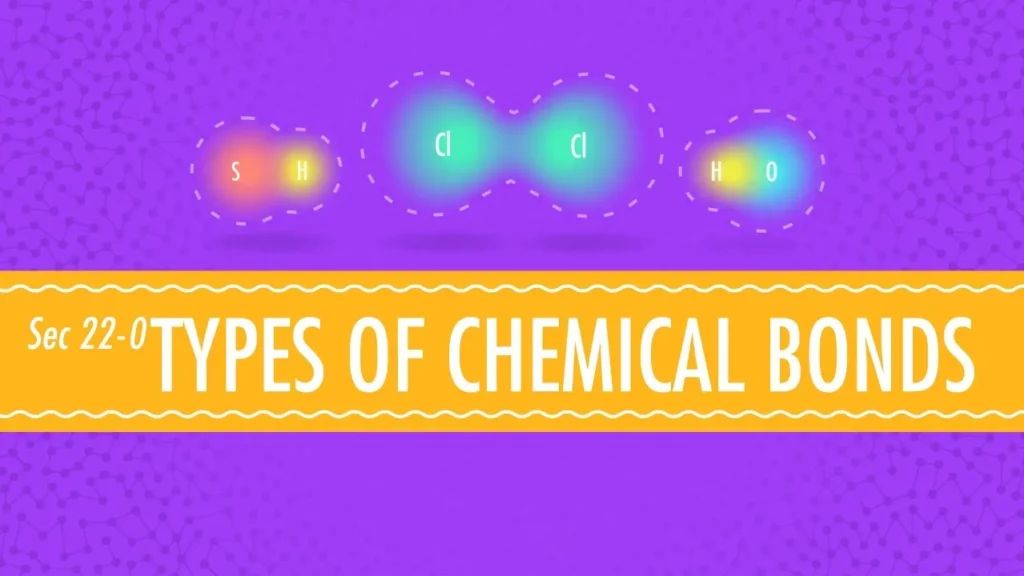
The lesson draws a parallel between chemical bonds and human relationships, illustrating how both require a balance of closeness and distance to thrive. Atoms form bonds—covalent or ionic—to achieve stability and minimize energy, much like how individuals navigate their social connections. By understanding the types of chemical bonds and their properties, we gain insight into the complexities of both chemistry and human interactions.
Immune System, Part 1: Anatomy & Physiology #45
The lesson explains the immune system as the body’s defense mechanism against pathogens like bacteria and viruses. It highlights the two main components of the immune system: the innate defense, which includes physical barriers and chemical defenses that act as the first line of protection, and the adaptive defense, which provides targeted responses to specific invaders. Understanding these systems emphasizes the importance of maintaining a healthy immune system for overall well-being.
Congressional Elections: Government and Politics #6
The lesson on “Understanding Elections in American Politics” emphasizes the significance of both presidential and congressional elections in shaping the government and reflecting the people’s will. It highlights the mechanics of congressional elections, including the role of incumbency, candidate selection, and the influence of the electoral connection, which suggests that members of Congress prioritize re-election through activities like advertising and credit claiming. Understanding these dynamics is crucial for grasping the complexities of American political processes and the behavior of elected officials.
Aesthetic Appreciation: Philosophy #30

The lesson delves into the philosophy of art and aesthetic appreciation, using the case study of a bronze statue known as the “chained cat” to explore whether the chain is part of the artwork itself. It discusses the subjective nature of aesthetic value, the role of the artist’s intention, and how personal experiences shape our understanding of art, while also referencing philosophers like David Hume who argue that certain aesthetic values can be universally recognized. Ultimately, the lesson emphasizes the complexity of defining art and the importance of cultivating an appreciation for aesthetics in enriching our lives.
Netflix & Chill: Philosophy #27

This lesson delves into the intricacies of language and communication, highlighting how words can have flexible meanings that extend beyond their literal definitions. It introduces key concepts from philosophers like Ludwig Wittgenstein and Paul Grice, including conversational implicature and Grice’s maxims, which guide effective communication by emphasizing clarity, relevance, and truthfulness. Additionally, the lesson explores the transformative power of language, as discussed by J. L. Austin, illustrating how certain utterances can create new social realities.
The History of Chemical Engineering: Engineering #5
The lesson provides a comprehensive overview of chemical engineering, highlighting its integration of chemistry and engineering principles to create manufacturing processes for various industries. It traces the discipline’s historical roots, significant developments, and current trends, including advancements in biotechnology, pharmaceuticals, and environmental sustainability. Ultimately, the lesson emphasizes the evolving nature of chemical engineering and its critical role in addressing modern challenges and innovations.