
Batman & Identity: Philosophy #18

The lesson on the Ship of Theseus delves into the philosophical complexities of identity, questioning whether an object remains the same when all its parts are replaced. Through examples like Batman and Bruce Wayne, as well as the sculptor’s dilemma, the lesson highlights the distinction between essential and accidental properties, emphasizing how change can challenge our understanding of identity. Ultimately, it illustrates the significance of identity in both philosophical discourse and everyday life, prompting deeper reflection on what defines our sense of self.
Environmental Econ: Economics #22
The lesson on “Understanding Environmental Economics: Balancing Growth and Conservation” emphasizes the importance of finding a balance between economic growth and environmental protection. It highlights the challenges of pollution, the need for global cooperation, and the role of government intervention in addressing market failures related to environmental issues. Ultimately, achieving a sustainable future requires collective efforts from governments, industries, and individuals to reduce pollution and promote greener technologies.
Quantum Mechanics – Part 1: Physics #43
The lesson explores the complex nature of light, highlighting its wave-particle duality, which emerged from historical scientific challenges such as the ultraviolet catastrophe. Key breakthroughs by Max Planck and Albert Einstein demonstrated that light behaves both as a wave and as a particle (photons), fundamentally reshaping our understanding of physics and leading to the development of quantum mechanics. This duality continues to influence contemporary scientific thought and our comprehension of the universe.
The Bobo Beatdown: Psychology #12
Albert Bandura’s Bobo Doll experiment in 1961 demonstrated the significance of observational learning, revealing that children can imitate aggressive behaviors they observe in adults. This research challenged traditional behaviorist views by highlighting the role of cognition and social context in learning, leading to the development of social-cognitive learning theory. Bandura’s findings underscore the importance of role models, as both positive and negative behaviors observed in childhood can have lasting impacts on individuals throughout their lives.
Autonomic Nervous System: Anatomy & Physiology #13
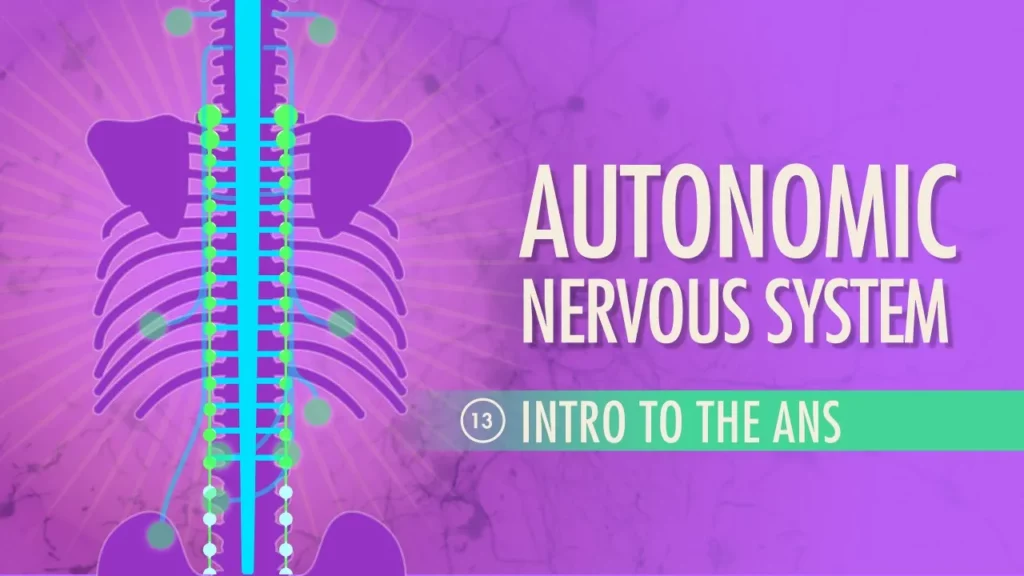
The lesson explores the autonomic nervous system (ANS), which regulates involuntary bodily functions through its two complementary branches: the sympathetic nervous system (SNS) and the parasympathetic nervous system (PNS). The SNS acts as the body’s alarm system, preparing it for stress and danger, while the PNS promotes relaxation and recovery. Understanding the anatomical differences and functions of these systems provides insight into how our bodies manage stress and maintain balance.
Existentialism: Philosophy #16
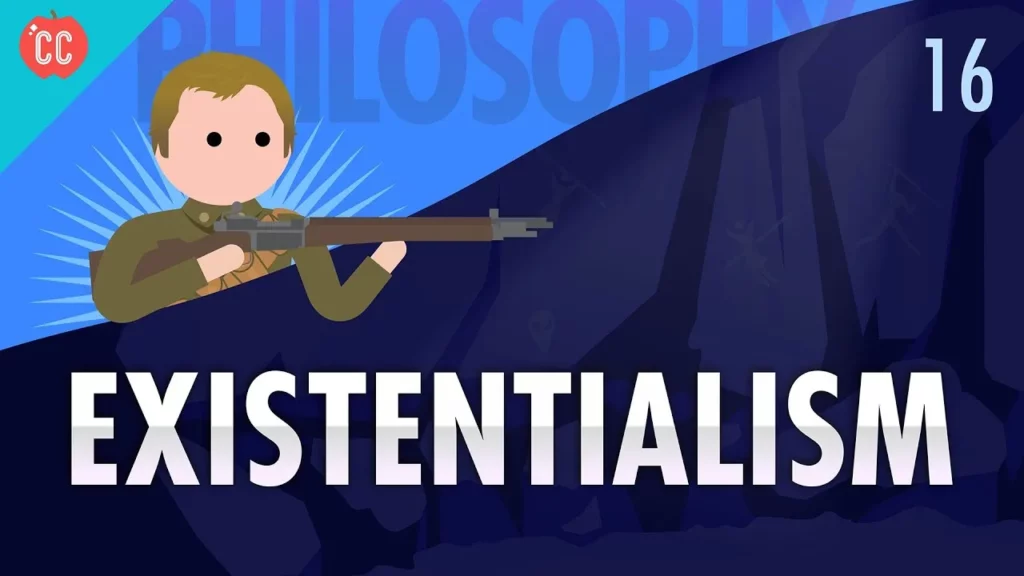
The lesson explores the philosophical concepts of essentialism and existentialism in the context of finding meaning in life. While essentialism posits that everything has a predetermined essence that defines its purpose, existentialism, particularly through the ideas of Jean-Paul Sartre, argues that individuals must create their own meaning through choices and actions in a universe that lacks inherent significance. Ultimately, the lesson emphasizes the empowering notion that we have the freedom and responsibility to shape our own lives and define our purpose.
Due Process of Law: Government and Politics #28
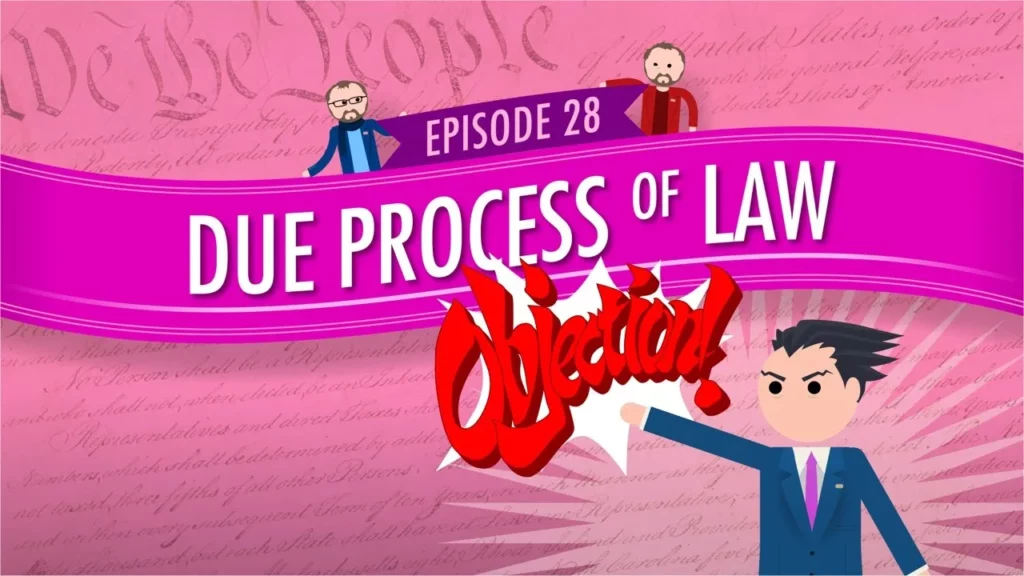
The lesson on “Understanding Due Process in the U.S. Legal System” explains the fundamental concept of due process, emphasizing its significance in ensuring fair trials and protecting individual rights under the Fourteenth, Fifth, and Sixth Amendments. It distinguishes between substantive and procedural due process, highlighting landmark Supreme Court cases like Miranda v. Arizona and Gideon v. Wainwright that have shaped these rights. Ultimately, the lesson underscores the importance of due process in safeguarding individuals from government overreach and ensuring justice within the legal system.
Karl Popper, Science, & Pseudoscience: Philosophy #8
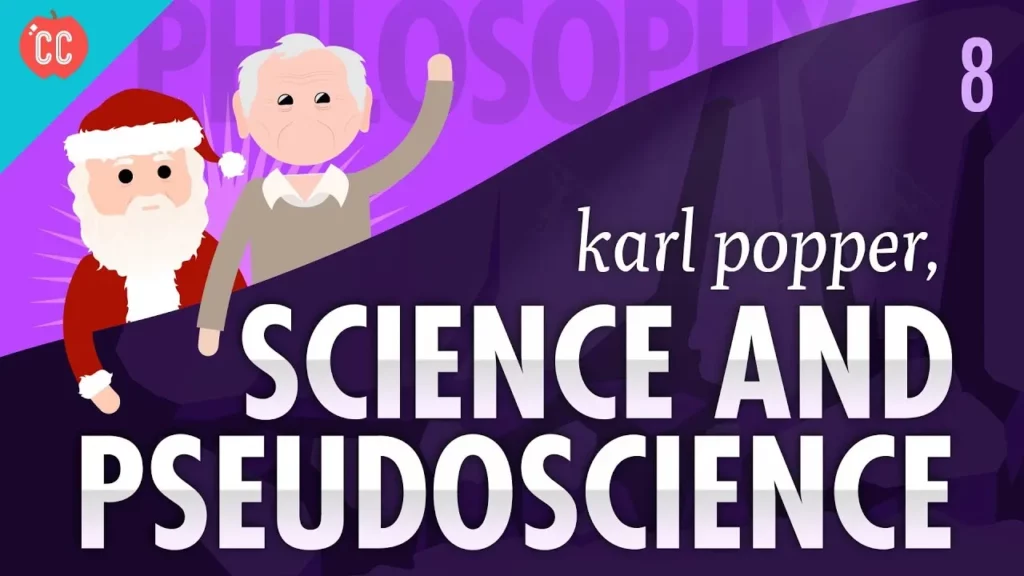
The lesson explores Karl Popper’s significant contributions to the philosophy of science, particularly his distinction between science and pseudoscience. Popper emphasized the importance of falsifiability and rigorous testing in scientific inquiry, arguing that genuine knowledge is provisional and should be open to revision based on new evidence. His insights encourage critical thinking and a willingness to challenge existing beliefs, highlighting the dynamic nature of knowledge.
Civil Rights & Liberties: Government & Politics #23
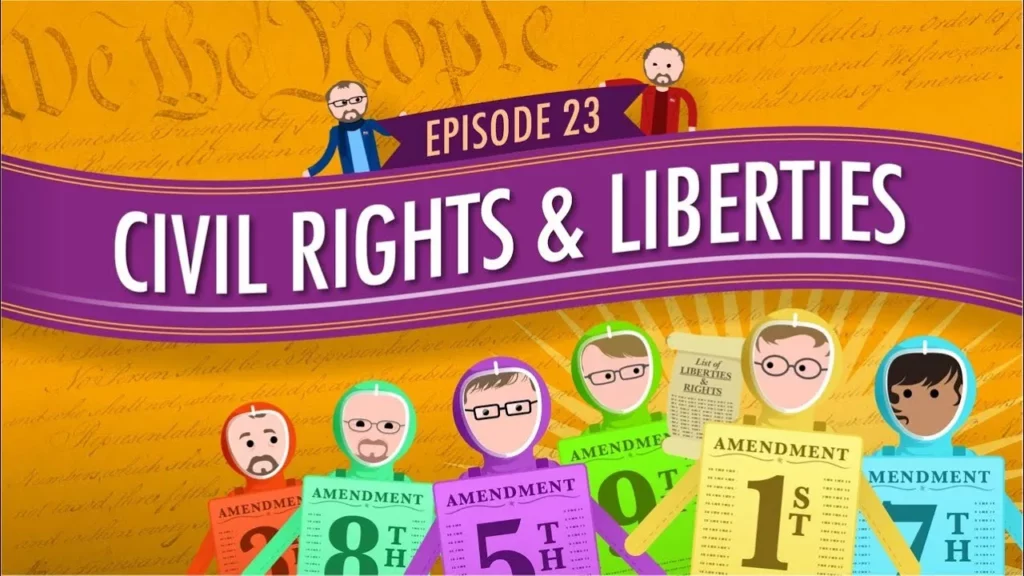
This lesson explores the distinctions between civil rights and civil liberties within the American legal system, emphasizing that civil liberties protect individuals from government interference, while civil rights ensure protection against discrimination. It discusses the historical context of these concepts, particularly the role of the Bill of Rights and the 14th Amendment in extending protections to state governments through selective incorporation. Ultimately, the lesson highlights the importance of understanding these differences to safeguard individual freedoms and promote equality in society.
Congressional Leadership: Government and Politics #8
This lesson explores the structure and functions of congressional leadership in the U.S. Congress, focusing on the key roles within the House of Representatives and the Senate. It highlights the importance of leaders like the Speaker of the House and the Majority Leader in shaping legislative agendas, managing party discipline, and influencing the law-making process through committee assignments and media access. Understanding these dynamics is essential for grasping how political parties and their leaders impact governance and legislation.