
How to Transfer Colleges | How to College
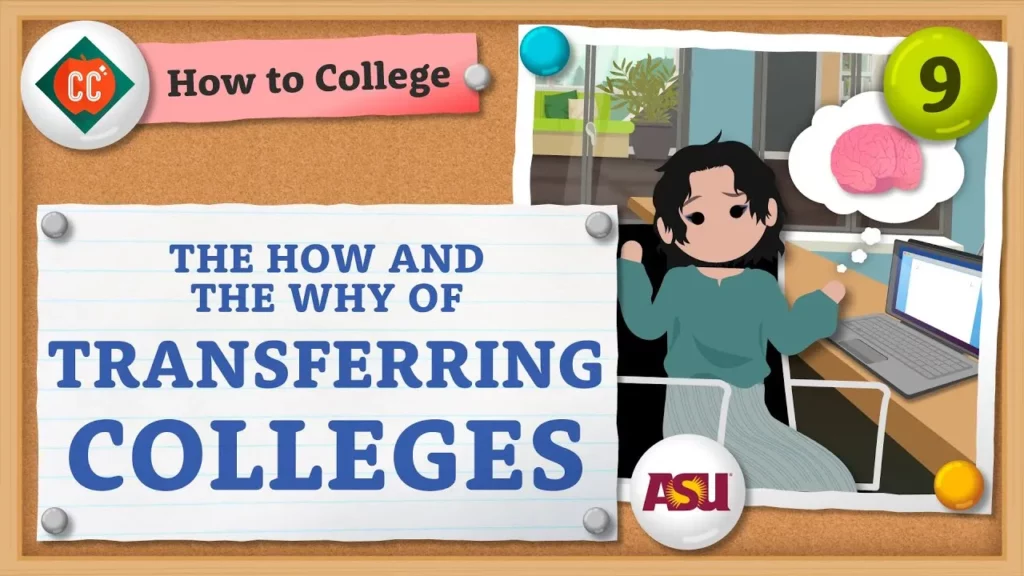
The lesson on “Understanding College Transfers” emphasizes the complexities and opportunities associated with transferring colleges, highlighting that nearly 38% of students make this transition within six years. It outlines various scenarios for transferring, such as moving from community colleges to four-year institutions or changing majors, while also addressing important considerations like financial implications, admission requirements, credit transfer processes, and the importance of finding a suitable fit at the new school. Ultimately, the lesson encourages students to embrace change as a pathway to achieving their educational goals.
Deficits & Debts: Economics #9
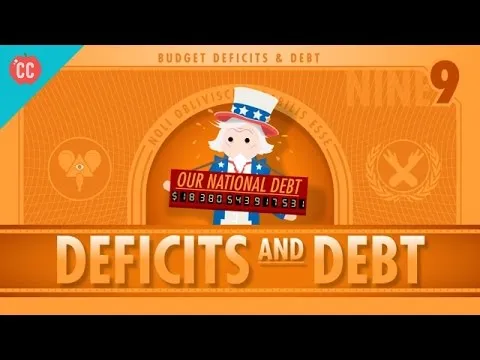
The lesson on “Understanding National Deficits and Debt” explains the distinction between budget deficits, which occur when a government spends more than it collects in taxes within a year, and national debt, the cumulative total of these deficits over time. Using the fictional example of Cliffordonia, the lesson illustrates how deficits contribute to national debt, while also discussing the implications of the U.S. national debt, its comparison to other countries, and the potential risks associated with continued borrowing, particularly in relation to future government spending on social programs.
How to Apply to College | How to College
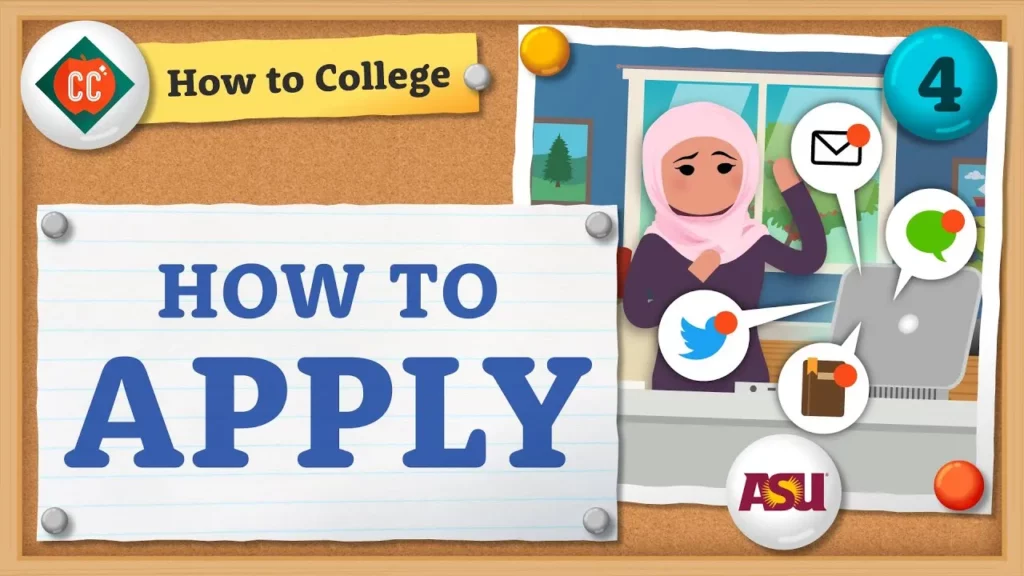
This lesson provides a comprehensive guide to the college application process, emphasizing the importance of breaking it down into manageable steps. It covers key aspects such as selecting the right colleges based on personal priorities, researching schools, preparing necessary application documents, revising personal statements, and staying organized to meet deadlines. By following these steps, students can effectively showcase their skills and personal stories, setting themselves up for a successful college experience.
How Voters Decide: Government and Politics #38
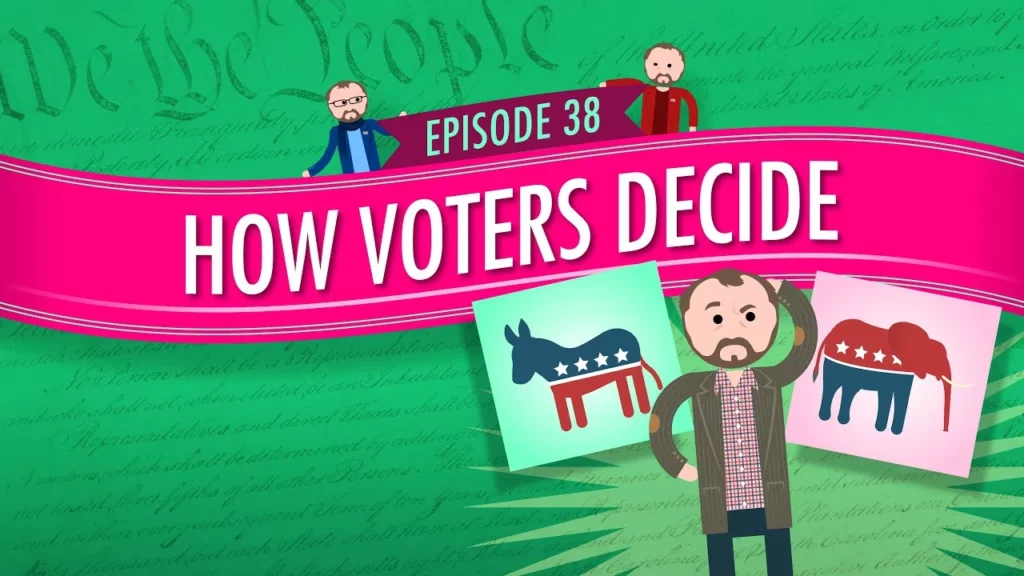
The lesson explores the complexities of American voter behavior, highlighting three key factors that influence voting decisions: party loyalty, candidate characteristics, and the issues at stake. Party loyalty is identified as the strongest predictor of voting behavior, with many voters remaining loyal to their political party due to familial and psychological ties. Additionally, candidate traits and voters’ perceptions of issues—both retrospective and prospective—play significant roles, though they often take a backseat to party affiliation in shaping electoral outcomes.
How a Bill Becomes a Law: Government and Politics #9
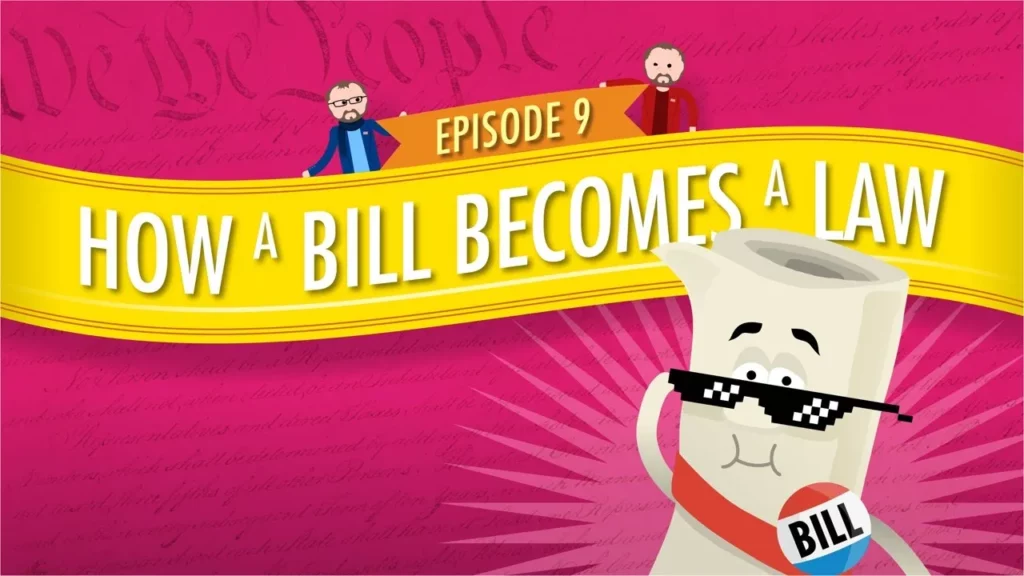
The lesson explains the intricate process of how a bill becomes a law in the United States, starting from its introduction by a Congressman or Senator to its final approval by the President. It highlights key stages, including committee reviews, debates in both the Senate and House, potential changes by a conference committee, and the President’s options for signing or vetoing the bill. The lesson emphasizes the complexity of this process, designed to ensure thorough consideration and collaboration, while also noting the significant challenges that often prevent bills from becoming law.
Search and Seizure: Government and Politics #27
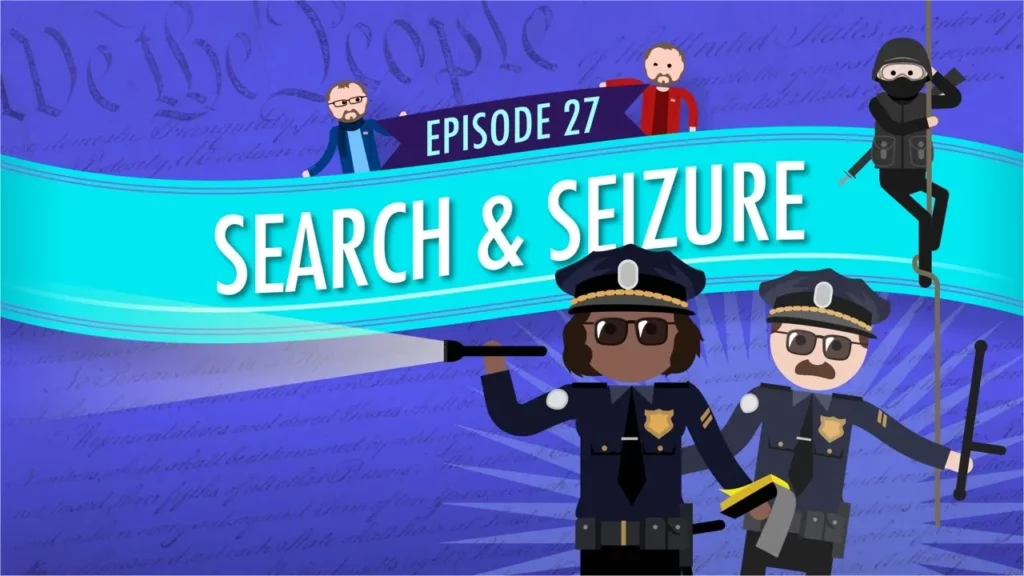
The lesson on the Fourth Amendment emphasizes the importance of understanding your rights regarding police searches and seizures, highlighting that while individuals have a right to privacy, this right is not absolute. It explains the necessity of warrants, the concept of probable cause, and outlines exceptions to the warrant requirement, such as in cases of immediate danger or traffic stops. Additionally, it discusses how these rights can vary in different contexts, such as in schools, underscoring the need for awareness to effectively navigate interactions with law enforcement.
Taking Notes: Study Skills #1
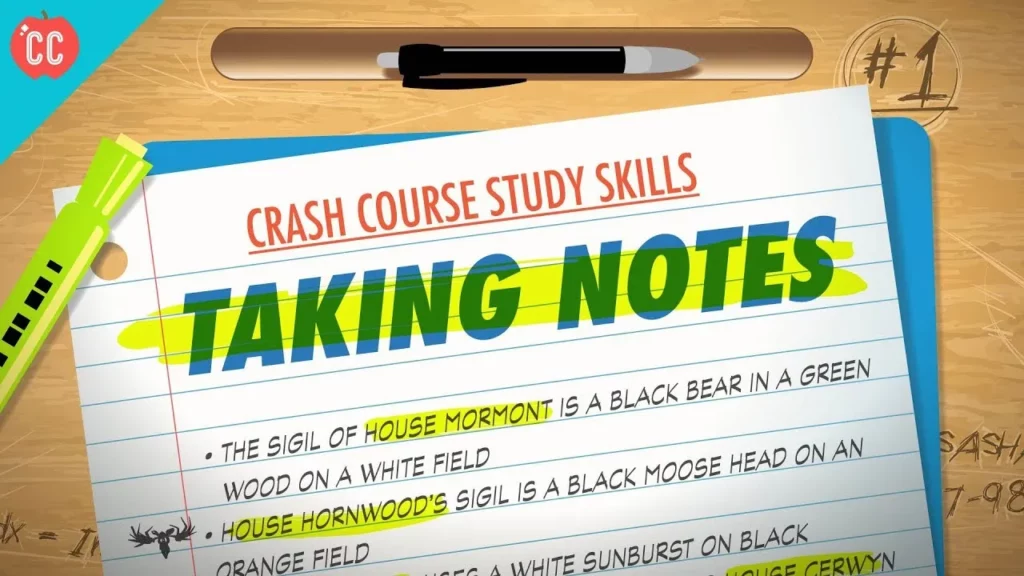
The lesson on “Mastering the Art of Note-Taking” emphasizes the significance of effective note-taking for enhancing learning and retention. It discusses various tools and methods, such as the Outline Method, Cornell Method, and Mind Mapping, highlighting the advantages of taking notes by hand over typing for better comprehension. Ultimately, the lesson encourages students to experiment with different techniques to find the most suitable approach for their learning style and subject matter.
How to Choose a School | How to College
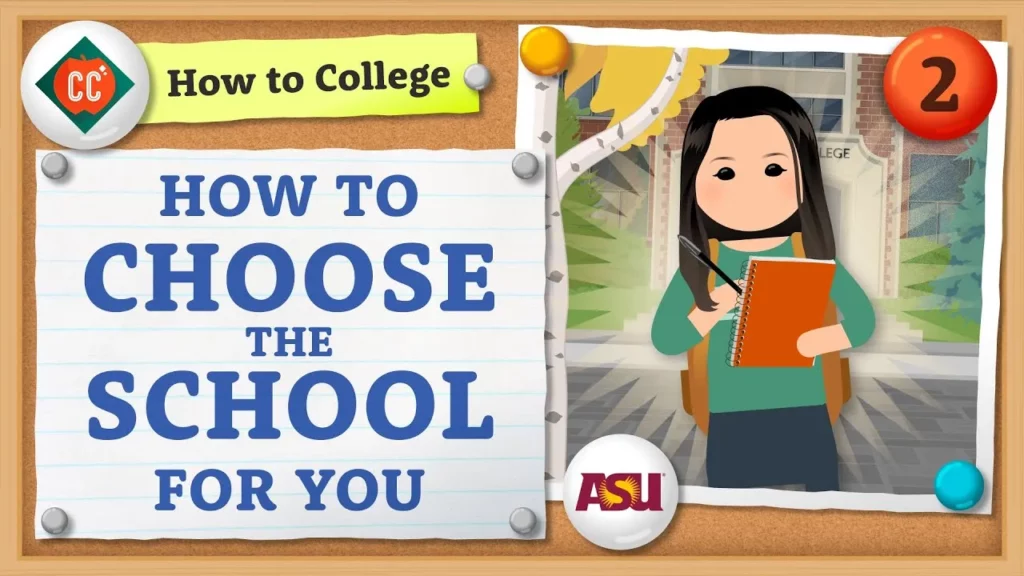
This lesson provides a comprehensive guide to selecting the right college by outlining various types of educational institutions, such as trade schools, community colleges, and four-year universities. It emphasizes the importance of self-advocacy, understanding personal learning styles, and researching resources, while also encouraging campus visits and utilizing online tools for informed decision-making. Ultimately, the lesson highlights that careful consideration of factors like time commitment, financial cost, and learning modalities is essential for finding the best fit for one’s educational journey.
Supreme Court of the United States Procedures: Government and Politics #20
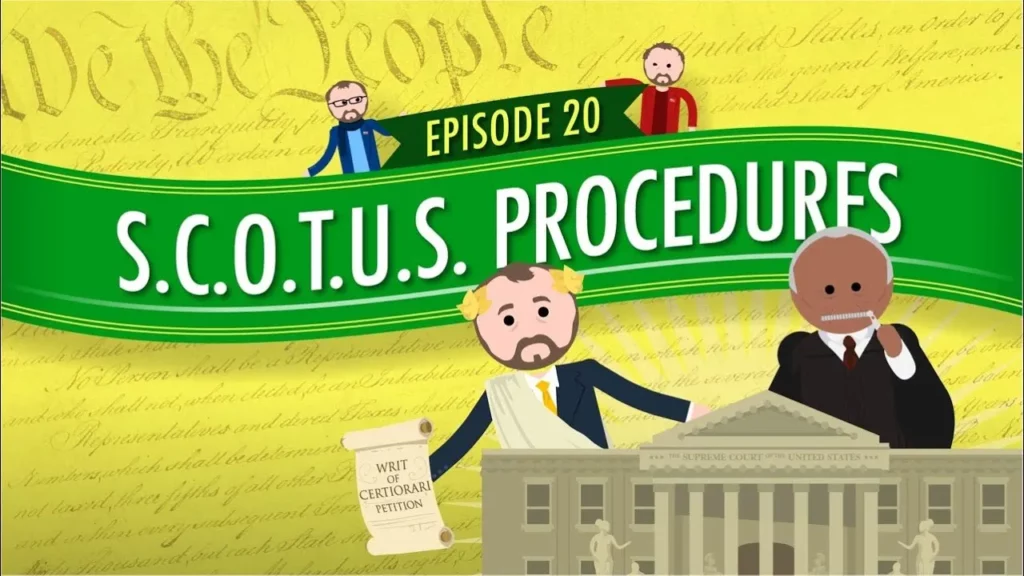
This lesson provides an overview of the Supreme Court’s operations, detailing how cases are brought before the Court, the decision-making process, and the significance of the justices’ opinions. It explains the steps involved, from filing a petition for a writ of certiorari to the submission of briefs and oral arguments, culminating in the Court’s decision and the writing of majority, concurring, and dissenting opinions. Understanding these processes is crucial for grasping the Court’s role in shaping American law and society.
Everything, The Universe…And Life: Astronomy #46
In the final episode of Crash Course Astronomy, Phil Plait reflects on humanity’s quest to understand the universe, emphasizing the intriguing question of whether we are alone in it. He highlights the excitement surrounding the discovery of exoplanets and the potential for life beyond Earth, while also discussing the ongoing efforts of the Search for Extraterrestrial Intelligence (SETI). Ultimately, Plait encourages a spirit of exploration and curiosity, reminding us that the journey of discovery in astronomy is as important as the answers we seek.