
What is a function? | Functions and their graphs | Algebra II
In this lesson, we explored the concept of functions in mathematics, likening them to machines that transform inputs into outputs based on specific rules. We examined examples of functions, such as determining outputs for even and odd inputs, and learned how to identify non-functions by recognizing instances where a single input yields multiple outputs. Understanding these principles equips us with essential skills for tackling more advanced mathematical concepts.
Introduction to arithmetic sequences | Sequences, series and induction | Precalculus
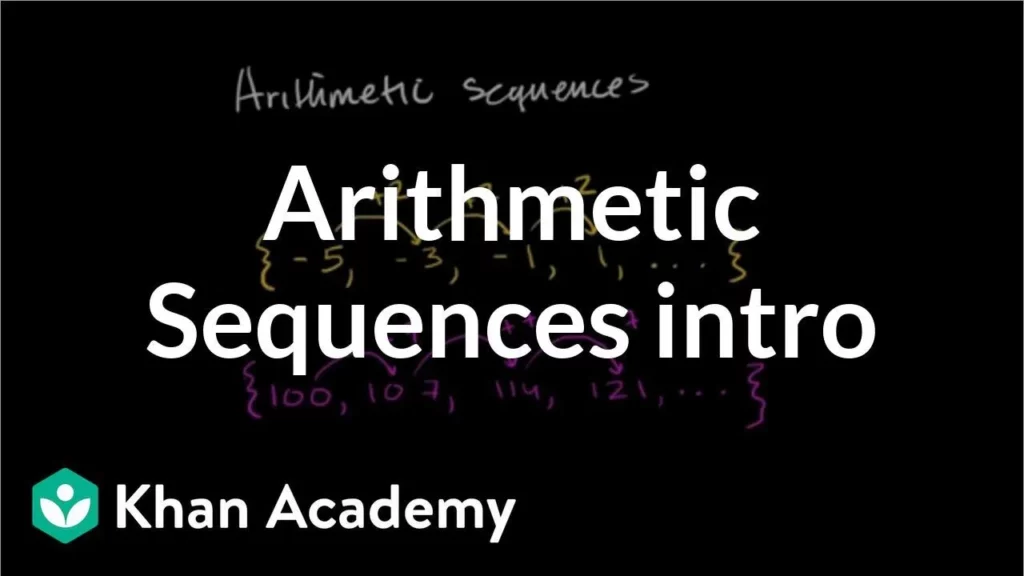
This lesson introduces arithmetic sequences, which are sequences of numbers where each term is generated by adding a fixed common difference to the previous term. It explains how to identify arithmetic sequences by examining the differences between terms and provides both explicit and recursive definitions for describing them. Additionally, the lesson highlights the distinction between arithmetic and non-arithmetic sequences, emphasizing the importance of understanding these concepts for further mathematical study.
Pre Columbian Americas | World History
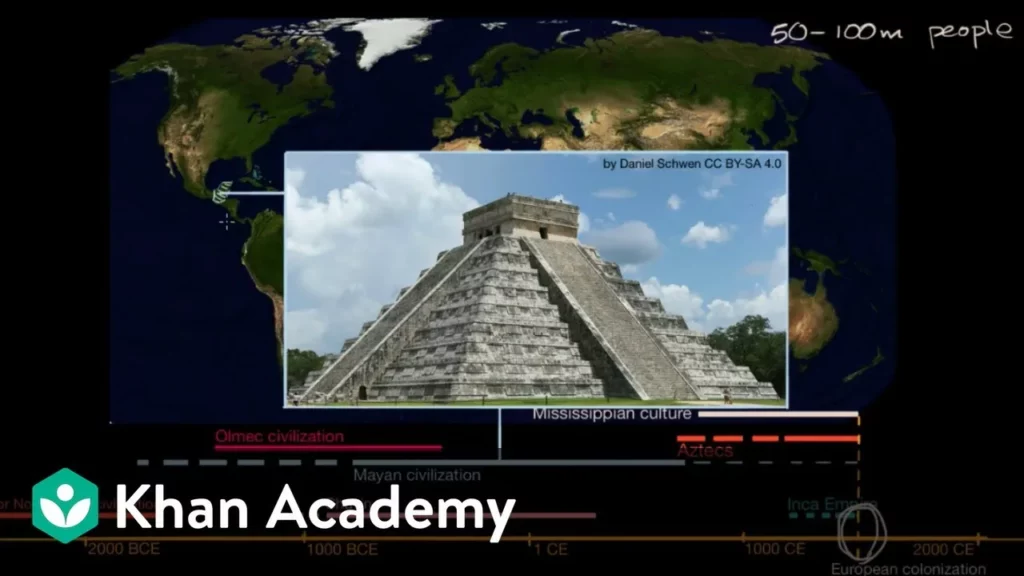
The lesson explores the rich history of the Americas prior to European colonization, highlighting early human migration, the development of agriculture, and the existence of advanced civilizations such as the Aztecs, Mayans, and Incas. It challenges the misconception that the Americas were sparsely populated and primitive, revealing that by 1500, there were millions of people and sophisticated cultures thriving across the continent. The arrival of Europeans drastically altered this landscape, leading to a significant decline in the native population and the loss of diverse cultures and traditions.
Monetary policy tools | Financial sector | AP Macroeconomics
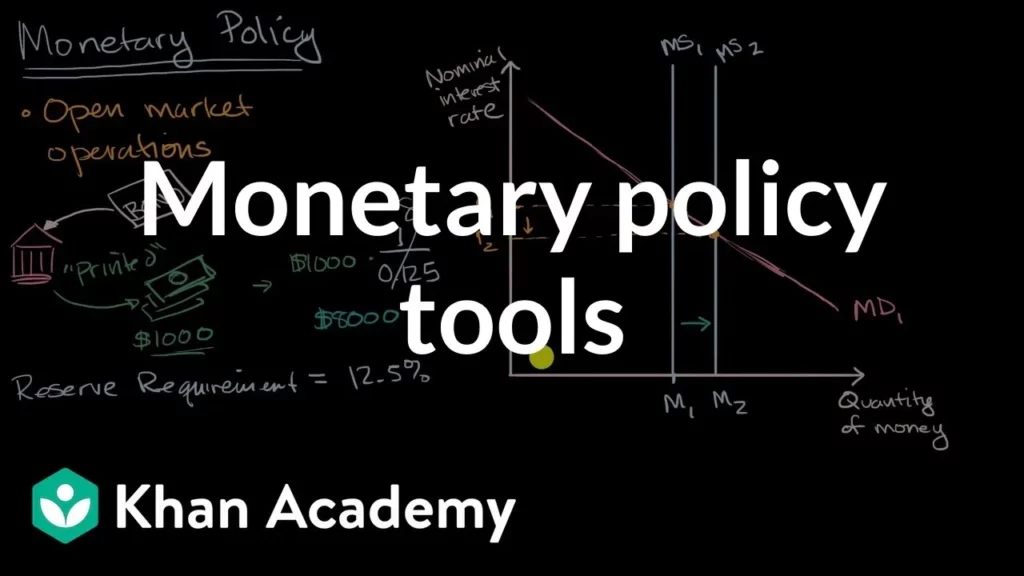
This lesson provides an overview of monetary policy, highlighting its role as a central bank strategy to manage the economy through tools like interest rates and money supply adjustments. It contrasts monetary policy with fiscal policy, explains the money market model, and discusses how central banks respond to economic conditions such as recessions and inflation. The lesson emphasizes the importance of understanding the mechanisms of monetary policy and the inherent delays in its effects on the economy.
Complementary and supplementary angles | Angles and intersecting lines | Geometry
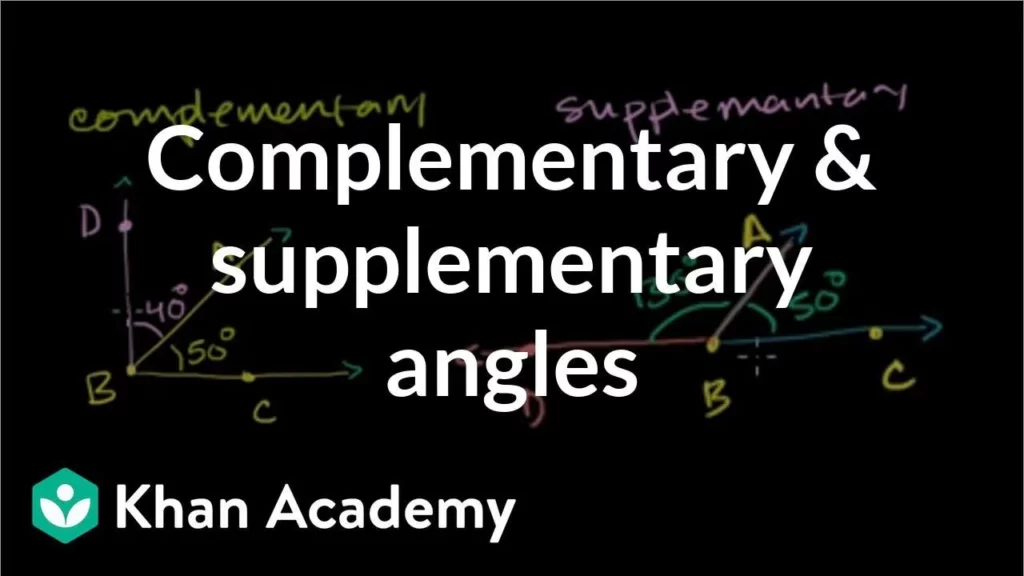
In this lesson, we explored the concepts of adjacent, complementary, and supplementary angles in geometry. Adjacent angles share a common side, complementary angles add up to 90 degrees, and supplementary angles total 180 degrees. Understanding these definitions and relationships is essential for grasping more complex geometric principles.
Triangle inequality theorem | Perimeter, area, and volume | Geometry
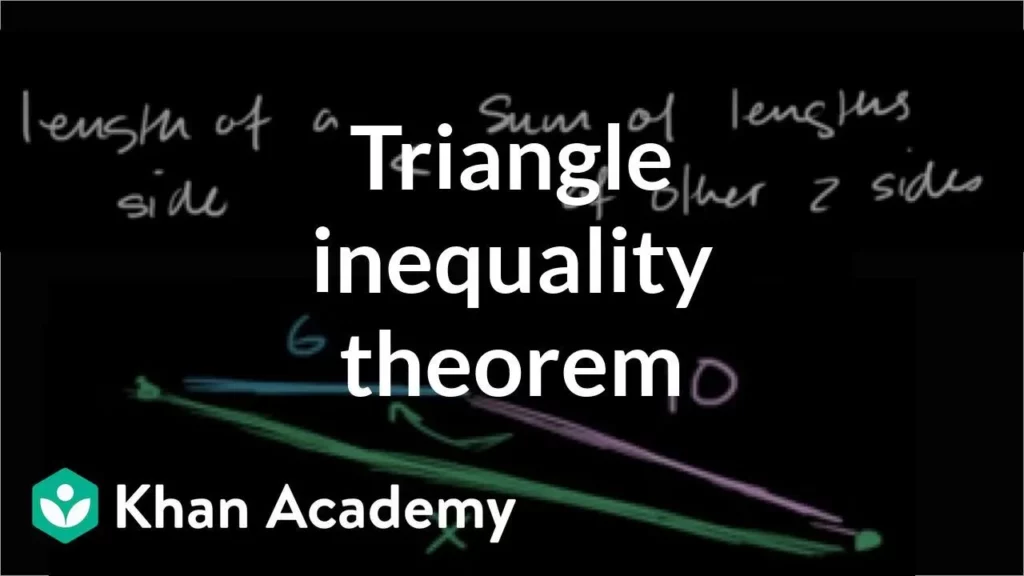
The lesson on the Triangle Inequality Theorem explains how the lengths of the sides of a triangle must relate to one another to form a valid triangle. Specifically, for a triangle with sides of lengths 6 and 10, the third side (x) must be greater than 4 and less than 16, illustrating that the sum of the lengths of any two sides must always exceed the length of the third side. This fundamental principle is crucial in geometry and has applications in various mathematical contexts.
Chemical reactions introduction | Chemistry of life | Biology
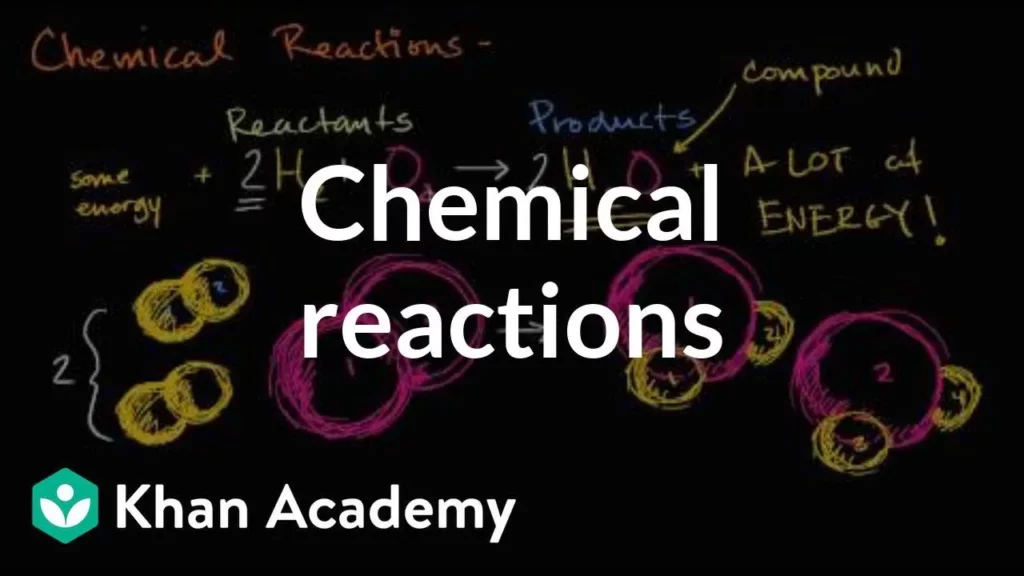
This lesson emphasizes the critical role of chemical reactions in sustaining life and the universe, highlighting how they involve the formation and breaking of bonds between atoms to create new substances. It explains key concepts such as reactants and products, the energy involved in reactions, and the distinction between irreversible and reversible reactions, using the formation of water as a primary example. Ultimately, understanding chemical reactions is essential not only for scientific knowledge but also for appreciating their impact on health, the environment, and technology in our daily lives.
Arrhenius definition of acids and bases | Biology
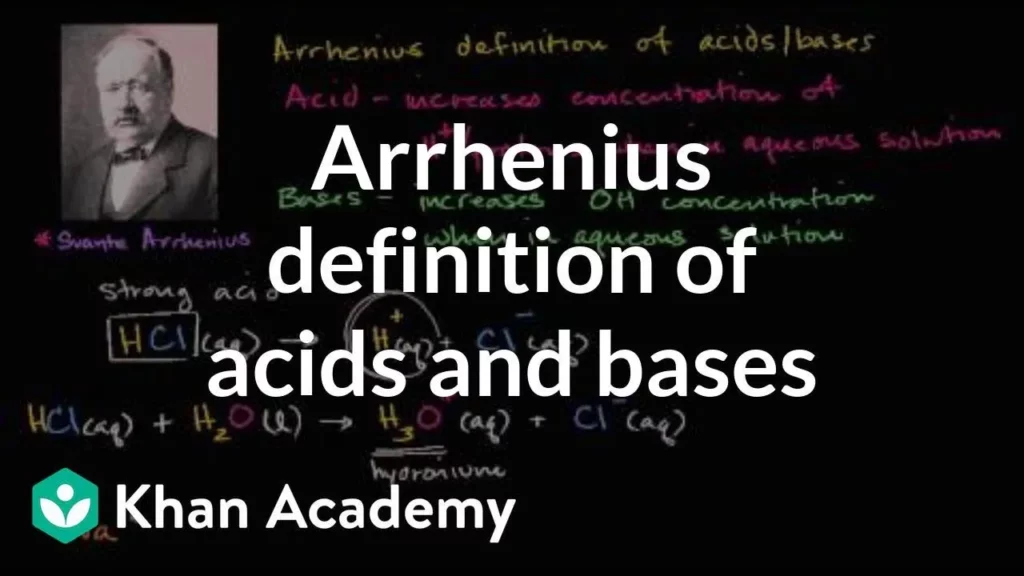
The lesson introduces the Arrhenius definition of acids and bases, which categorizes acids as substances that increase hydrogen ions (H⁺) in water and bases as those that increase hydroxide ions (OH⁻). Using hydrochloric acid (HCl) and sodium hydroxide (NaOH) as examples, it illustrates how these substances dissociate in water to produce hydronium and hydroxide ions, respectively. This foundational understanding sets the stage for exploring more complex theories of acids and bases.
Identity matrix | Matrices | Precalculus
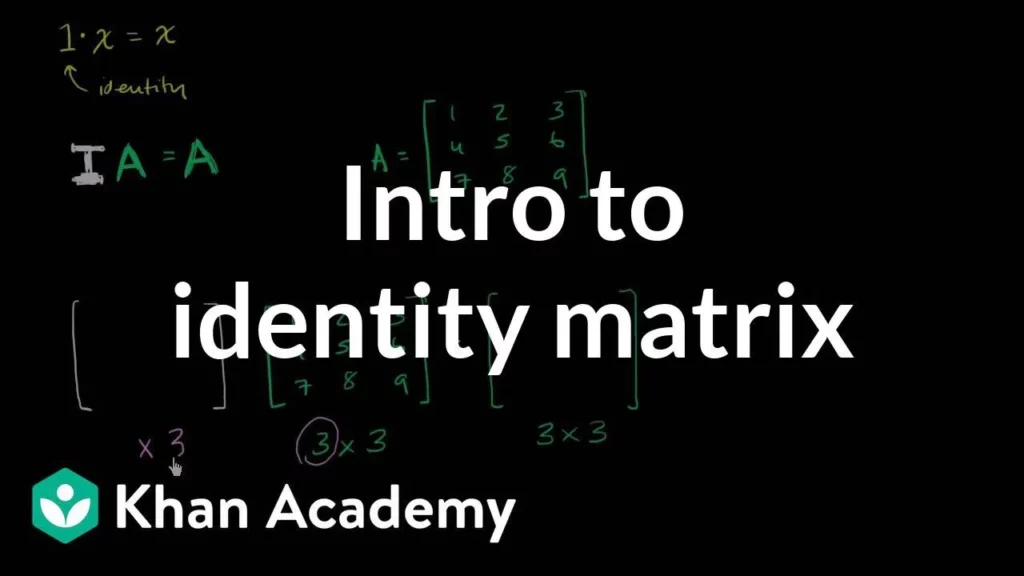
This lesson introduces the concept of the identity matrix in matrix multiplication, highlighting its role as the matrix equivalent of the number one in traditional multiplication. The identity matrix, denoted as **I**, maintains the original matrix **A** when multiplied, provided it has the same dimensions as **A**. The lesson emphasizes the unique structure of the identity matrix, characterized by ones on the diagonal and zeros elsewhere, and encourages further exploration of matrix multiplication properties.
One-sided limits from graphs | Limits | Differential Calculus
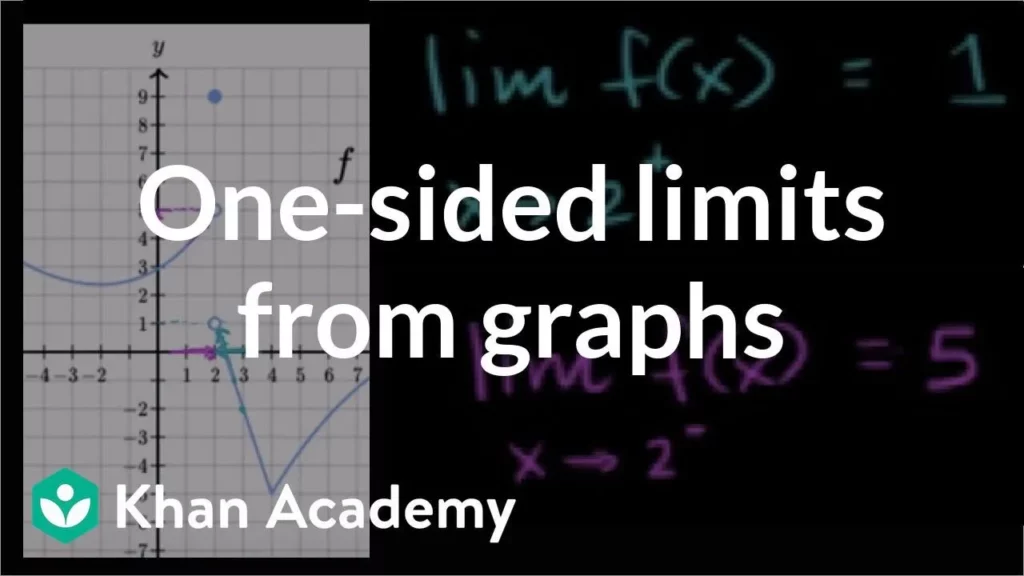
This lesson on limits in calculus focuses on the concepts of one-sided and two-sided limits, illustrating how to determine the existence of a limit at a given point. It emphasizes that a limit exists only when the one-sided limits from both directions are equal; otherwise, the limit does not exist. Through examples involving limits approaching specific values, the lesson provides a clear understanding of how to analyze and conclude the behavior of functions near those points.