
Multiplying a matrix by a matrix | Matrices | Precalculus
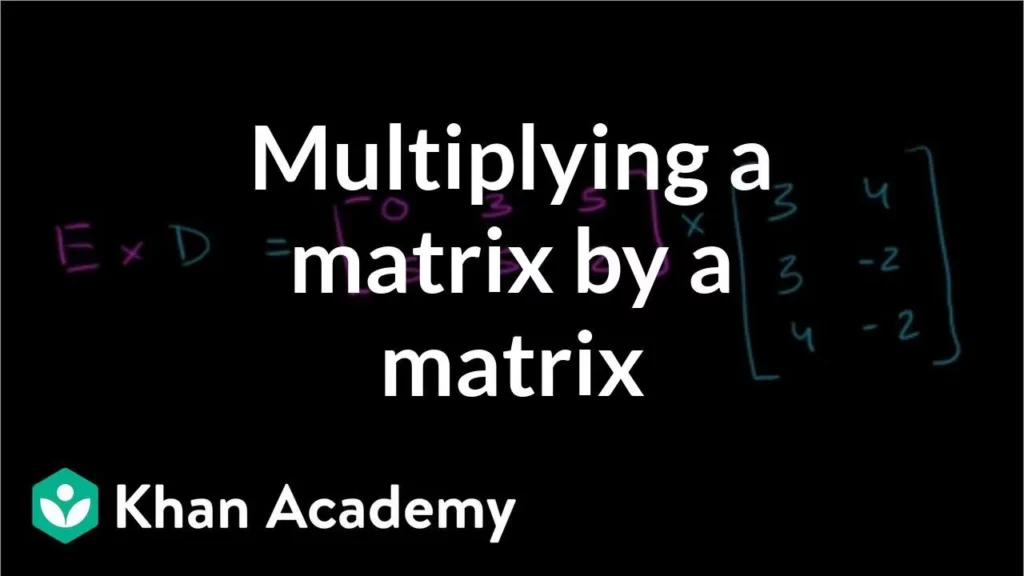
In this lesson, we explored the process of multiplying two matrices, specifically matrix E and matrix D, ensuring that the multiplication is valid by confirming the dimensions. We calculated the resulting 2×2 matrix by taking the dot products of the rows of matrix E with the columns of matrix D, ultimately finding the product to be \(\begin{bmatrix} -1 & -6 \\ 7 & 10 \end{bmatrix}\). This example illustrates the systematic approach to matrix multiplication while adhering to the necessary rules.
Law of sines | Trig identities and examples | Trigonometry
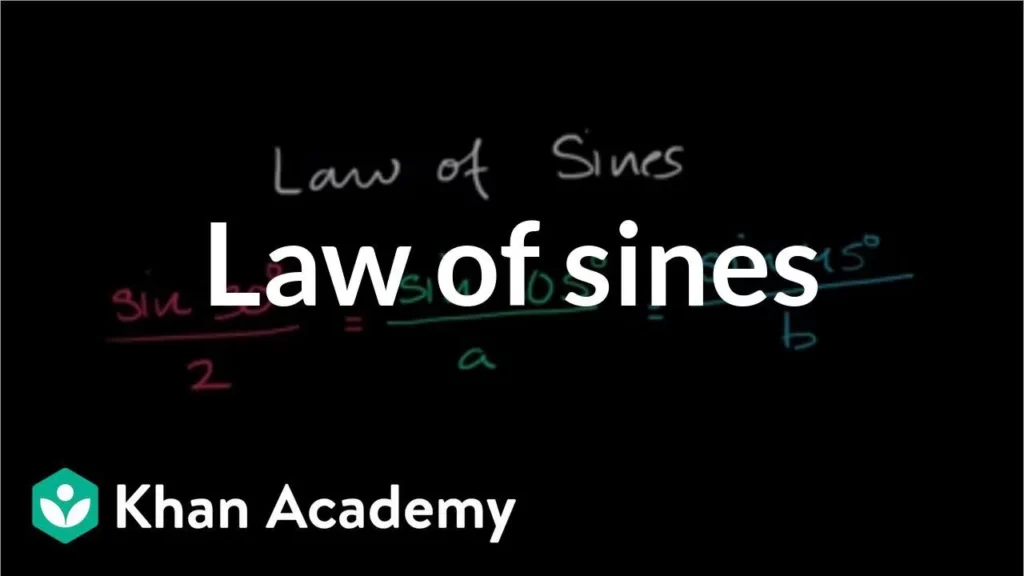
In this lesson, we explored how to determine the unknown sides and angles of a triangle using the Law of Sines when two angles and one side are known. By calculating the third angle and applying the Law of Sines, we successfully found the lengths of the unknown sides, demonstrating a systematic approach to solving triangles. This method is applicable to any triangle configuration with the same initial conditions, making it a valuable tool in trigonometry.
Introduction to the Black-Scholes formula | Finance & Capital Markets
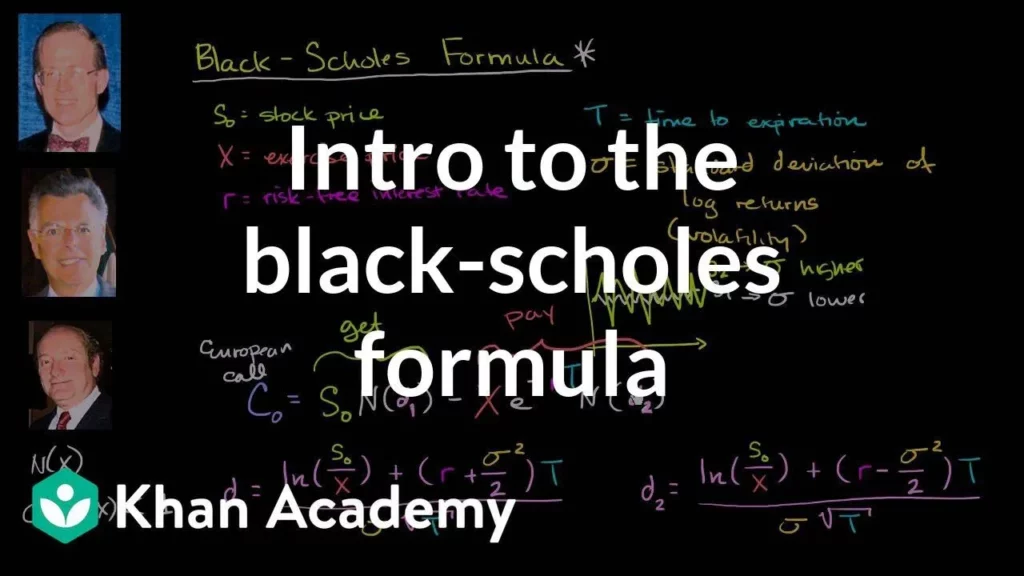
The Black-Scholes Formula, developed by Fischer Black, Myron Scholes, and Bob Merton, revolutionized options trading by providing a systematic method for valuing options based on key factors such as current stock price, exercise price, risk-free interest rate, time to expiration, and volatility. Understanding these components, particularly the role of volatility, is crucial for traders and investors to make informed decisions in financial markets. The formula’s significance lies in its ability to quantify the value of options, transforming the landscape of options trading and financial theory.
Introduction to radians | Unit circle definition of trig functions | Trigonometry
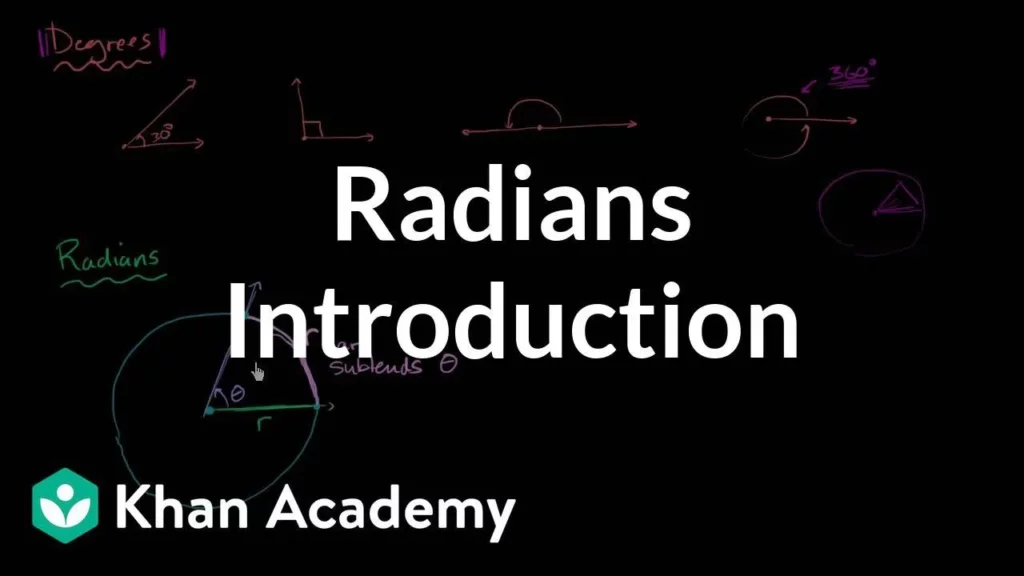
This lesson explores the concepts of measuring angles in degrees and radians, highlighting their significance in mathematics and everyday life. Degrees are commonly used for practical applications, while radians provide a more precise measurement based on the radius of a circle. The lesson also covers the historical origins of the degree system and provides essential conversion formulas between degrees and radians, emphasizing the importance of understanding both systems for various fields such as math, physics, and engineering.
Introduction to cube roots | Numbers and operations | 8th grade
This lesson introduces the concepts of square roots and cube roots, explaining their significance in mathematics. Square roots relate to the area of squares, while cube roots pertain to the volume of cubes, with both concepts allowing for the determination of side lengths from given areas or volumes. Additionally, the lesson covers the calculation of cube roots for both positive and negative numbers, emphasizing their practical applications in solving various mathematical problems.
Matching ratios to trig functions | Trigonometry
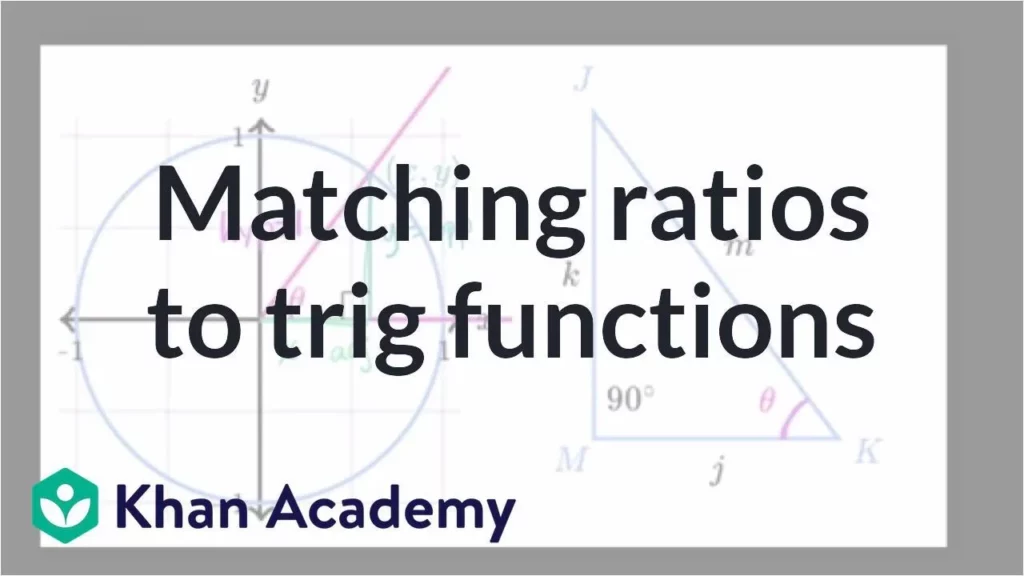
This lesson explores the relationship between trigonometric functions—sine, cosine, and tangent—and angles through the use of diagrams, specifically focusing on angle MKJ (theta). By utilizing the acronym “SOH CAH TOA” and the unit circle, the lesson illustrates how to derive these functions from the sides of a right triangle, reinforcing the geometric interpretations of the ratios and enhancing the understanding of trigonometry. Ultimately, this approach simplifies the application of trigonometric concepts in various mathematical contexts.
Why a negative times a negative is a positive | Pre-Algebra

In this lesson, we explored the multiplication of negative numbers, clarifying how to approach this concept using the distributive property. We learned that multiplying a positive number by a negative number results in a negative product, while multiplying two negative numbers yields a positive product. By applying these principles, we can better understand and navigate the complexities of negative multiplication in mathematics.
Linear equation word problem | Linear equations | Algebra I
In this lesson, we explored a math problem involving MacDonald and his orange trees, where we needed to determine the initial number of trees he had before cutting some down due to insect issues. By setting up an equation based on the number of remaining trees and the total oranges produced, we solved for the initial count using two different methods, ultimately finding that MacDonald started with 204 orange trees. This exercise highlights the importance of proper equation formulation and the validity of multiple solving approaches.
Interphase | Cells | MCAT
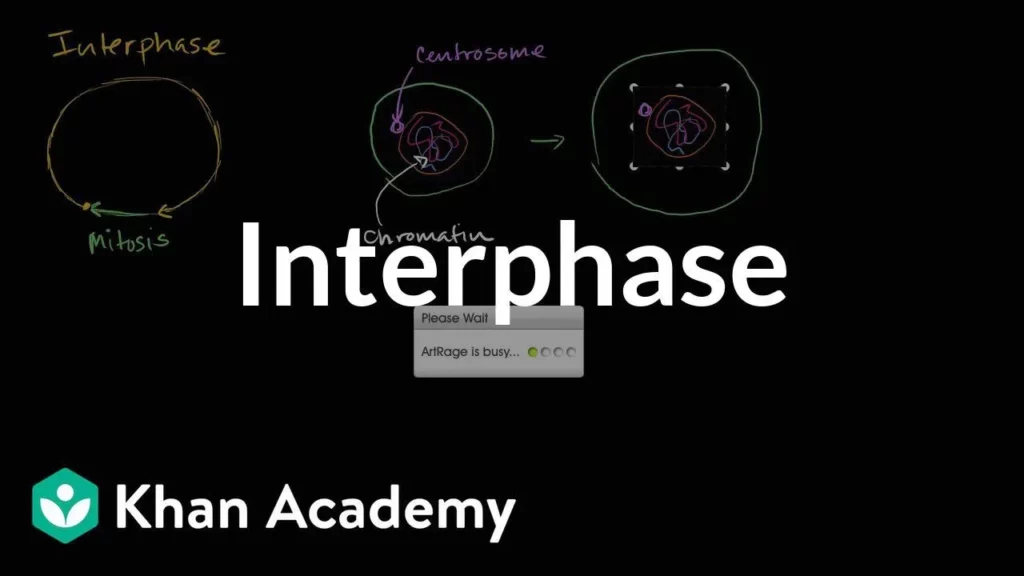
The lesson focuses on interphase, the longest stage of the cell cycle, where a cell prepares for division through growth and DNA replication. It consists of three phases: G1 (growth and nutrient intake), S (DNA synthesis and chromosome duplication), and G2 (final preparations for mitosis). Understanding interphase is essential for grasping how cells function and prepare for reproduction, highlighting its significance in the overall life cycle of a cell.
Isomers | Properties of carbon | Biology
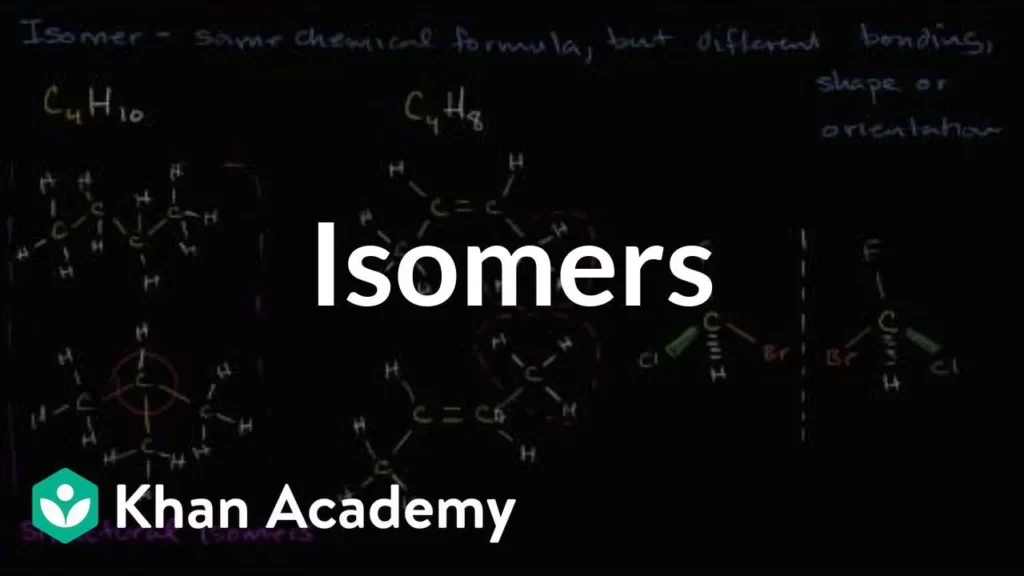
The lesson on isomers in chemistry explains that isomers are molecules with the same chemical formula but different arrangements of atoms, leading to distinct properties. It categorizes isomers into structural isomers, which differ in bonding patterns, and stereoisomers, which vary in spatial orientation, including cis-trans isomers and enantiomers. Understanding these differences is crucial for predicting chemical behavior, particularly in biological systems where specific isomers can have significant effects on health and activity.