
Brain Bias: Why You Shouldn’t Emulate Geniuses and Their Rigid Thinking Processes | Barbara Oakley
The lesson emphasizes the importance of flexibility in thinking to overcome “Einstellung,” a mental rut where rigid beliefs hinder growth and adaptability. It advocates for embracing novelty, engaging with diverse perspectives, and developing critical thinking skills to foster open dialogue and counteract misinformation. By actively seeking new experiences and remaining open to change, individuals can cultivate a more adaptable mindset essential for navigating today’s polarized society.
Richard Dawkins: No Civilized Person Accepts Slavery So Why Do We Accept Animal Cruelty?
In “Science in the Soul,” Richard Dawkins examines the ethical implications of our treatment of nonhuman animals, arguing against the double standard that places humans above other species. He emphasizes the shared biological connections between humans and animals, particularly in terms of suffering, and advocates for a moral framework that prioritizes compassion and acknowledges the capacity for pain in all sentient beings. Dawkins encourages a reevaluation of our ethical perspectives, suggesting that future generations may judge our current treatment of animals with the same disapproval we now reserve for historical injustices like slavery.
How fast is Earth traveling through space? That depends. | Michelle Thaller
The lesson explores the various scales of cosmic motion, revealing that our solar system orbits the Sun, which itself moves at approximately 560,000 miles per hour around the Milky Way’s center. Additionally, it discusses the expansion of the universe, where galaxies appear to move away from each other due to the stretching of space, and highlights other significant motions, such as the Milky Way’s approach to the Great Attractor at over 1.5 million miles per hour. Ultimately, it emphasizes that our speed and motion are relative, shaped by multiple frames of reference within the vast cosmos.
Michio Kaku: Genetic and digital immortality are within reach
The lesson explores the emerging concepts of digital and genetic immortality, highlighting advancements in technology that allow for the digitization of personal lives and the mapping of the human brain through projects like the Connectome Project. Additionally, it discusses scientific progress in understanding aging and gene-editing technologies, such as CRISPR, which may enable significant extensions of human lifespan by addressing cellular errors. Overall, the lesson emphasizes that the pursuit of immortality—both digitally and biologically—is becoming a tangible reality, potentially ushering in a new era of human longevity.
Why hierarchical power breeds paranoia: Stalin, Xi Jinping, Macbeth | Niall Ferguson
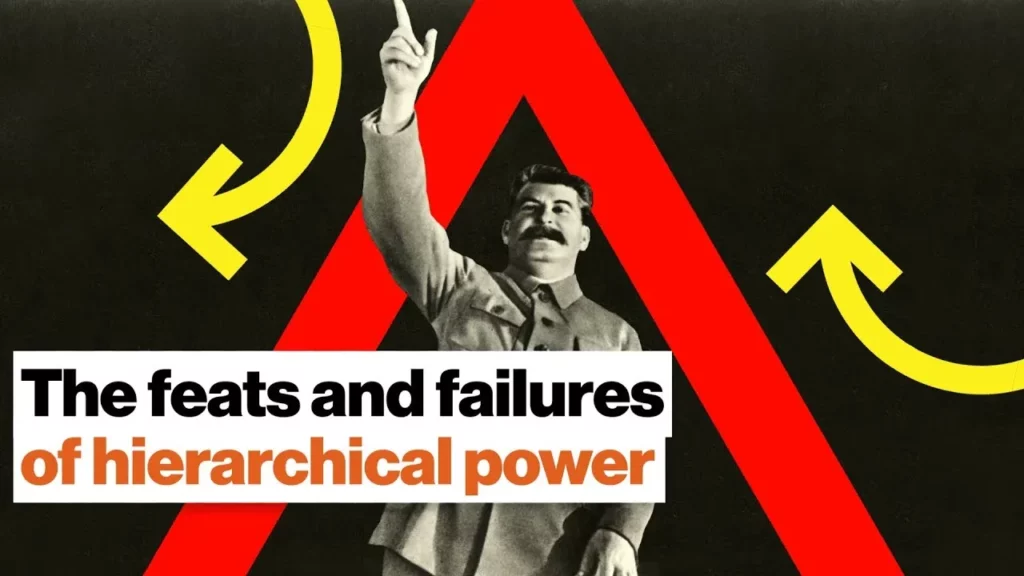
The lesson explores the intricacies of hierarchical governance through the lens of Joseph Stalin’s regime, highlighting how paranoia about independent social networks can lead to oppressive control. It uses the Christmas tree analogy to illustrate the fragility of such systems, where rulers maintain power by limiting citizen interactions, yet face threats from organized civil societies that can challenge authority. The discussion extends to modern examples, like China under Xi Jinping, emphasizing the potential for unrest and the loss of legitimacy in authoritarian regimes as societal demands evolve.
Cornel West: The Difference Between Justice and Revenge
In “The Poetic Legacy of Hope and Justice,” Cornel West emphasizes the transformative power of poets and artists as visionaries who inspire societal change through imagination and empathy. He highlights the interconnectedness of love and justice, using Mamie Till’s legacy as a poignant example of enduring hope and the moral imperative to pursue justice. West calls for integrity and grassroots action in the face of systemic injustices, urging individuals to embody hope and strive for a more just and empathetic world.
How religion turned American politics against science | Kurt Andersen

The lesson examines the evolving relationship between Republican presidential candidates’ beliefs in Darwinian evolution from 2008 to 2016, highlighting a significant decline in acceptance of evolution and a rise in religious extremism within the party. This shift reflects broader societal trends, where fantastical beliefs increasingly influence political discourse and policy, raising concerns about the implications for governance and societal well-being. Ultimately, the integration of personal beliefs into public policy presents challenges that require careful navigation in contemporary politics.
Was Oumuamua an alien spaceship? No. Here’s what it is. | Michelle Thaller
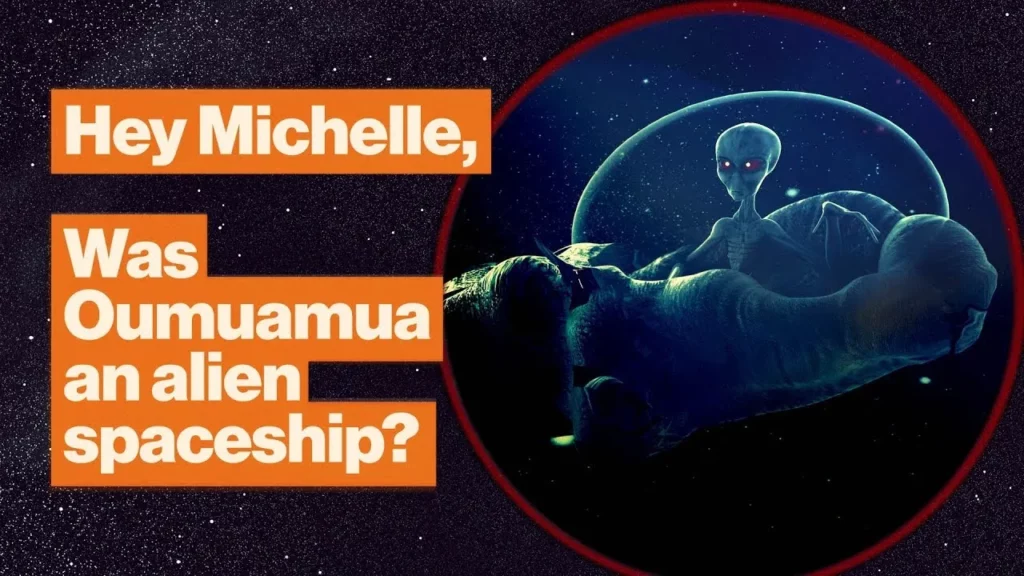
The lesson discusses the discovery of ‘Oumuamua, the first known interstellar object to visit our solar system, which was identified in 2017. This unique asteroid, characterized by its elongated shape and unusual trajectory, has sparked intrigue among scientists due to its unexpected behavior, leading to speculations about its origins, including the possibility of alien technology. Ultimately, the lesson emphasizes the importance of studying ‘Oumuamua as a natural phenomenon and the opportunities it presents for understanding the universe.
The Most Beautiful Equation: How Wilczek Got His Nobel | Frank Wilczek
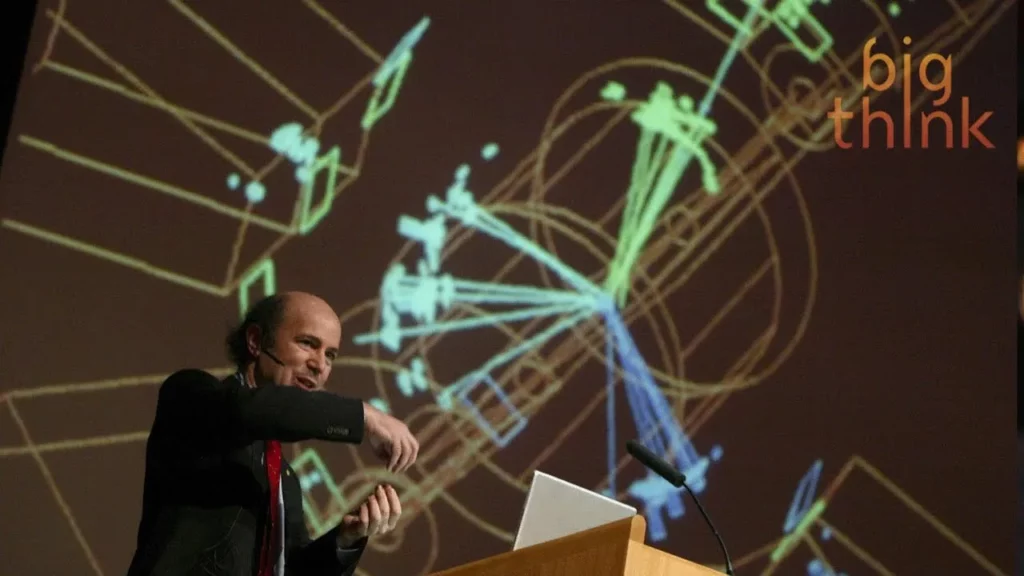
The lesson discusses the four fundamental forces of nature: gravity, electromagnetism, the strong force, and the weak force, emphasizing the historical development and significance of each. It highlights the challenges faced in understanding the strong force, particularly its unique behavior at varying distances, and the mathematical breakthroughs that led to its theoretical formulation. Ultimately, the lesson illustrates the importance of both theoretical exploration and experimental validation in advancing our comprehension of the universe.
Michio Kaku: Genetics: The Key to Immortality?
The lesson discusses the transformative potential of genomics in medicine, driven by advancements in computer technology that are expected to significantly reduce the cost of sequencing human genomes from $50,000 to around $1,000 within the next decade. This affordability will enable personalized medicine and extensive research into genetic factors influencing aging, particularly through the study of mitochondrial function, ultimately leading to new therapies and a deeper understanding of human health. As genomics and computer science converge, we are entering a new era in healthcare that leverages genetic information for improved medical outcomes.