
Consciousness Is a Narrative Created by Your Unconscious Mind | Dean Buonomano

The lesson explores the complexities of consciousness, highlighting that it is not a straightforward, linear experience as traditionally thought. Research indicates that our brains process information in a fragmented, non-linear manner, where later events can influence our perception of earlier ones, as demonstrated by phenomena like the cutaneous rabbit illusion and the way we understand speech. This evolving understanding emphasizes the significant role of the unconscious mind in shaping our conscious experiences, suggesting that consciousness is a constructed narrative rather than a simple sequence of events.
Neil deGrasse Tyson: Science, Abraham Lincoln, Immigrants, and the Fading of America

The lesson emphasizes the critical role of science in modern society, highlighting the need for improved public understanding and education in scientific principles to combat skepticism and misinformation. It discusses the historical significance of science in governance, the dangers of political polarization around scientific issues, and the importance of innovation and immigrant contributions to maintain the United States’ leadership in science and technology. Ultimately, it calls for urgent reforms in education and a cultural shift towards valuing scientific knowledge to ensure a prosperous and informed society.
The science of sex, love, attraction, and obsession

The lesson on “Understanding Romantic Love: The Science Behind Our Emotions” explores the intricate emotional experience of romantic love, highlighting the role of neurotransmitters like dopamine, serotonin, oxytocin, and vasopressin in shaping our feelings and behaviors. It emphasizes the importance of time, shared values, effective communication, and physical intimacy in fostering long-term relationships, while also offering strategies to maintain the passion and connection between partners. Ultimately, understanding the science of love can empower individuals to build and sustain fulfilling relationships.
Good Communication 101: Mirroring, Jargon, Hifalutin Words | Alan Alda
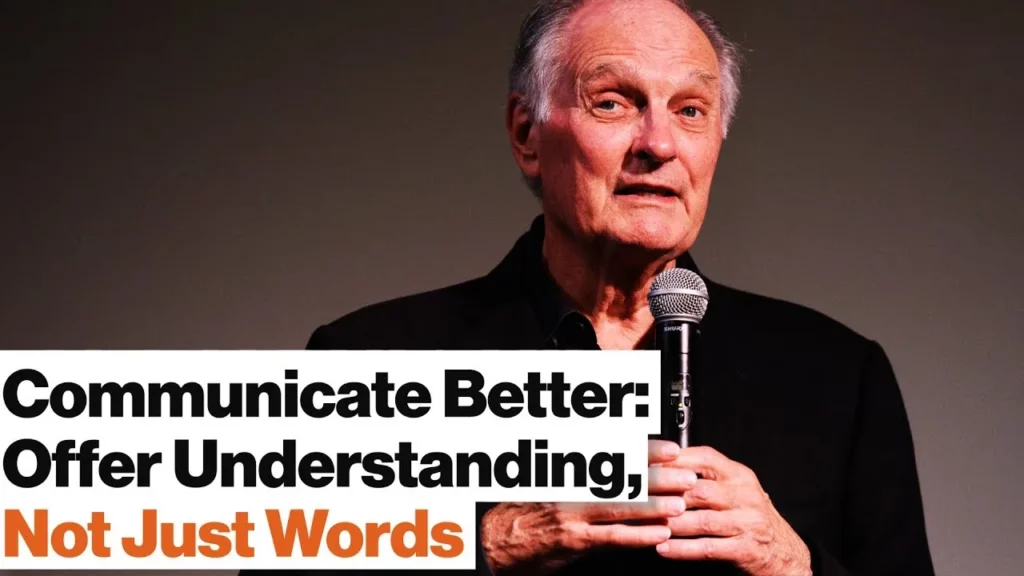
The lesson explores the dual nature of jargon, emphasizing its utility in facilitating efficient communication among professionals while also acknowledging its potential to alienate those outside specialized fields. It highlights the importance of translating jargon into plain language to foster understanding and engagement, illustrated through a case study where empathetic communication significantly improved a patient’s comprehension of her medical situation. Ultimately, the lesson advocates for prioritizing clarity and connection in communication to create a more inclusive environment.
Bob Kulhan: Improv 101 (The ‘Yes, and…’ Principle)

The lesson on “Embracing Improvisation in Leadership” emphasizes the importance of shifting from analytical thinking to an improvisational mindset to unlock creativity and innovation. By adopting the “yes, and” principle, leaders can foster an open environment where ideas are welcomed and built upon, encouraging risk-taking and learning from mistakes. Understanding the balance between divergent and convergent thinking further enables leaders to cultivate a culture that promotes idea generation and enhances organizational success.
Jason Silva: Optimism is a Self-Amplifying Feedback Loop

The lesson emphasizes the transformative power of feedback loops in shaping our lives, highlighting how our creative and linguistic choices influence our consciousness and experiences. By intentionally curating our environments, fostering diverse social networks, and adopting an optimistic mindset, we can coauthor our experiences and navigate life’s unpredictability. Ultimately, embracing our freedom and the uncertainty of choices allows us to craft a fulfilling and meaningful existence.
Arianna Huffington on Brain Maintenance

The lesson emphasizes the transformative power of sleep and mindfulness in enhancing overall well-being amidst a busy lifestyle. By prioritizing adequate sleep and incorporating meditation into daily routines, individuals can significantly reduce stress and improve their mental clarity and happiness. Simple practices, such as establishing a calming bedtime routine and unplugging from devices, can lead to a more balanced and fulfilling life.
Understanding the psychology of distraction can help you stay on task | Nir Eyal

The lesson emphasizes the importance of understanding distraction as the opposite of traction, where traction represents purposeful actions that lead us toward our goals, while distraction pulls us away from them. It highlights that distractions often stem from internal discomfort, prompting us to seek relief through seemingly productive activities that may actually hinder our focus. By recognizing these internal triggers and reframing our approach to time management, we can enhance our productivity and align our actions with our true intentions.
How Social Media Makes Us Angry All the Time | Molly Crockett

The lesson explores how social media algorithms prioritize emotionally charged content, particularly that which elicits moral outrage, leading to increased user engagement and advertising revenue. Research indicates that this focus on outrage can skew perceptions of reality, contribute to “outrage fatigue,” and potentially desensitize individuals to important issues. Ultimately, the lesson emphasizes the need for critical awareness of how these algorithms shape our moral emotions and social interactions, urging a reevaluation of the influence of profit-driven platforms on our values.
Penn Jillette on Placebo Prayer: Should Atheists Talk to God?

The lesson emphasizes the significance of self-reflection and personal growth through a practice akin to prayer, termed “Penn’s guild roundup,” which encourages individuals to review their daily actions and interactions for improvement. It highlights the importance of community among atheists and suggests that the positive aspects of religion—such as compassion and connection—can be embraced without the negative elements of superstition. Ultimately, the speaker advocates for self-examination as a means to foster belonging and purpose, contributing to a more compassionate society.