
‘Hey Bill Nye, Does Consciousness Transcend the Brain?’| Big Think
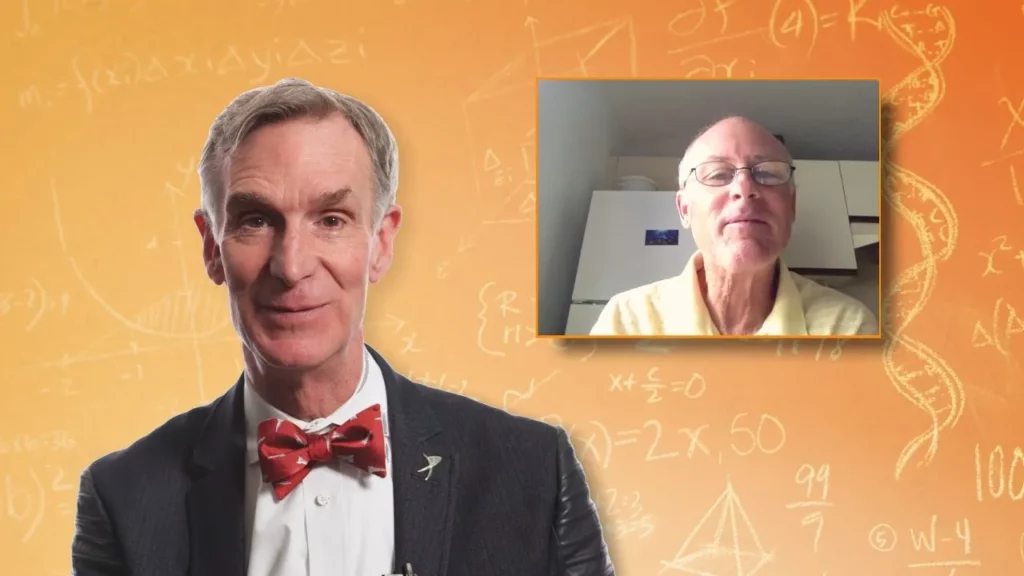
In this lesson, Peter poses a thought-provoking question to Bill Nye regarding the implications of cloning a human brain and its relationship to consciousness and personal identity. Nye argues that consciousness is intrinsically linked to the brain’s biochemical processes and emphasizes that even a perfectly cloned brain would not replicate the original individual’s identity due to the absence of unique life experiences that shape who we are. The discussion ultimately highlights the complexity of consciousness and the notion that it exists on a spectrum influenced by both biological and experiential factors.
Discovering One’s Hidden Psychopathy | James Fallon

In “Understanding Psychopathy: A Personal Journey,” the author recounts their transformative experience of discovering their own psychopathic traits through a combination of personal reflection and scientific exploration. Initially shocked by the revelation from brain scans and genetic testing, the author embarks on a journey of self-awareness, recognizing their lack of empathy and selfish behaviors. Through conscious efforts to change and improve relationships, particularly with their spouse, the author illustrates the potential for personal growth and the importance of fostering empathy, despite the challenges posed by their psychopathic tendencies.
Debunking success myths | Neil deGrasse Tyson, Michio Kaku & more
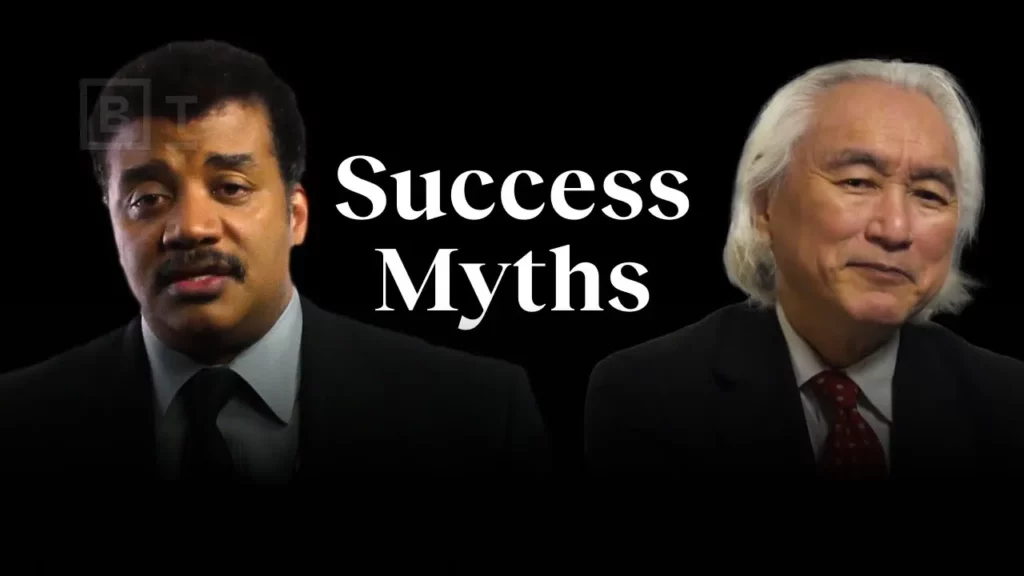
The lesson on “Embracing the Dark Horse Mindset” emphasizes that true fulfillment comes from recognizing and valuing our unique talents rather than conforming to societal standards of success. By understanding our personal motivations, exploring diverse choices, developing adaptable strategies, and focusing on the journey rather than a fixed destination, we can cultivate a more authentic and fulfilling life. This mindset encourages individuality and resilience, highlighting that success is an evolving process accessible to everyone.
Reprogramming Our Circadian Rhythms for the Modern World
This lesson explains the concept of circadian rhythms, which are the body’s internal clock regulating sleep and other vital functions. It highlights how modern technology and busy lifestyles disrupt these natural rhythms, particularly in adolescents and shift workers, leading to sleep issues. The lesson also discusses treatment options, such as bright light therapy and melatonin, to help manage circadian rhythm disorders and improve overall health and well-being.
Introduction to The Optimized Brain, with Steven Kotler
The lesson on “Understanding the Flow State” explores the concept of flow, a mental state where individuals experience heightened performance and creativity by becoming fully absorbed in their activities. It delves into the neurobiological mechanisms behind flow, particularly the role of the prefrontal cortex and the phenomenon of transient hypofrontality, which temporarily reduces self-awareness and the inner critic, allowing for a unique experience of time and enhanced creativity. Overall, the lesson highlights the significance of flow in optimizing performance across various domains and its potential applications in improving well-being.
The US is falling behind in higher education. Can we turn the tide? | Courtney Brown for Big Think

The lesson emphasizes the evolving demographics of higher education students, highlighting that many are adults with diverse backgrounds and responsibilities, rather than just traditional young students. It stresses the importance of supporting these individuals, particularly in light of financial challenges and the need for post-secondary credentials to remain competitive in the job market. Additionally, the lesson underscores the urgency of achieving a national goal of 60% of Americans holding a degree or certificate by 2025 to ensure that no talented individuals are left behind in an increasingly demanding workforce.
Alan Alda: Grow Your Empathy Through Better Visual Perception
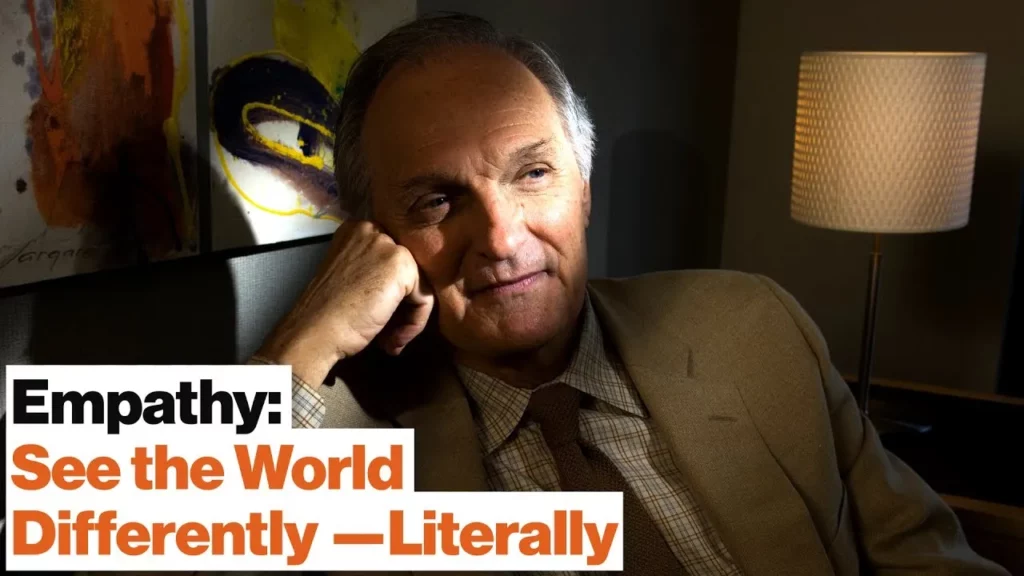
The lesson emphasizes that effective communication can be significantly enhanced by applying principles from improvisation, such as the mirror exercise and the “yes, and…” technique, which promote understanding and collaboration. Additionally, it highlights the importance of non-verbal cues and empathy in fostering deeper connections and improving interpersonal interactions. By mastering these tools, individuals can transform their communication skills, leading to more meaningful and enriching exchanges.
Self-directed learning: How ‘unschoolers’ control their education | Kerry McDonald
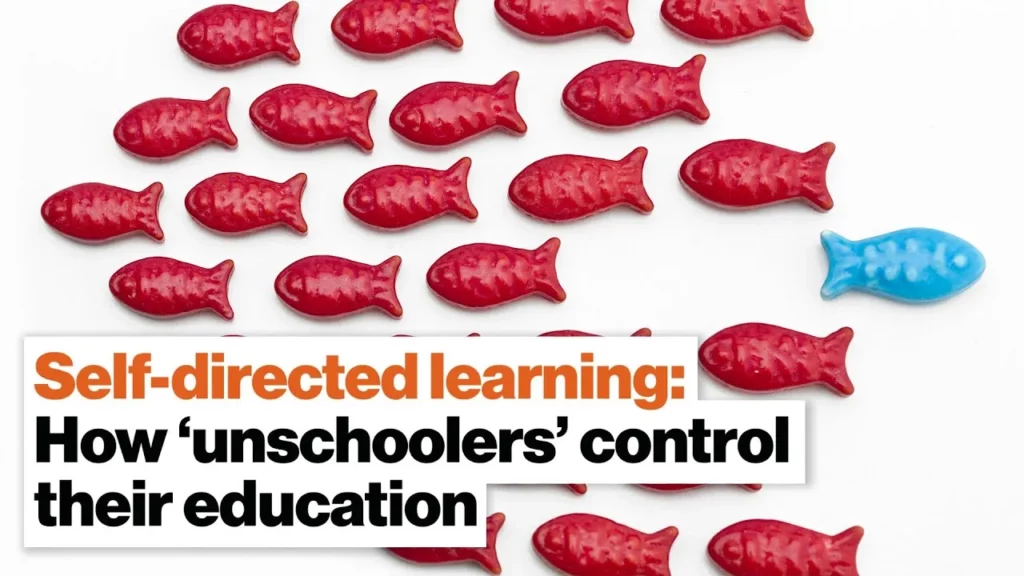
The lesson discusses the transition from conventional schooling, rooted in the Industrial Revolution, to unschooling, which emphasizes self-directed learning and nurtures children’s innate curiosity and creativity. As the job market evolves, traditional education methods are increasingly inadequate, prompting a shift towards unschooling environments that allow children to explore their interests freely and learn at their own pace. This approach not only supports individual learning styles but also prepares students for the uncertainties of the modern workforce by fostering essential human skills that differentiate them from machines.
From Science Fiction to Physics: Does Time Actually Exist? | James Gleick

The lesson explores the intricate nature of time, highlighting the ongoing debate among physicists and philosophers regarding its existence and implications. It discusses Einstein’s concept of spacetime, which challenges our intuitive understanding by suggesting that past and future are interconnected, and emphasizes the importance of maintaining an open mind when considering these complex ideas. Ultimately, the lesson calls for a balanced perspective that embraces both scientific and philosophical viewpoints on the nature of time.
Why Can’t We Find the Theory of Everything? Einstein, Rogue Genius, String Theory | Eric Weinstein
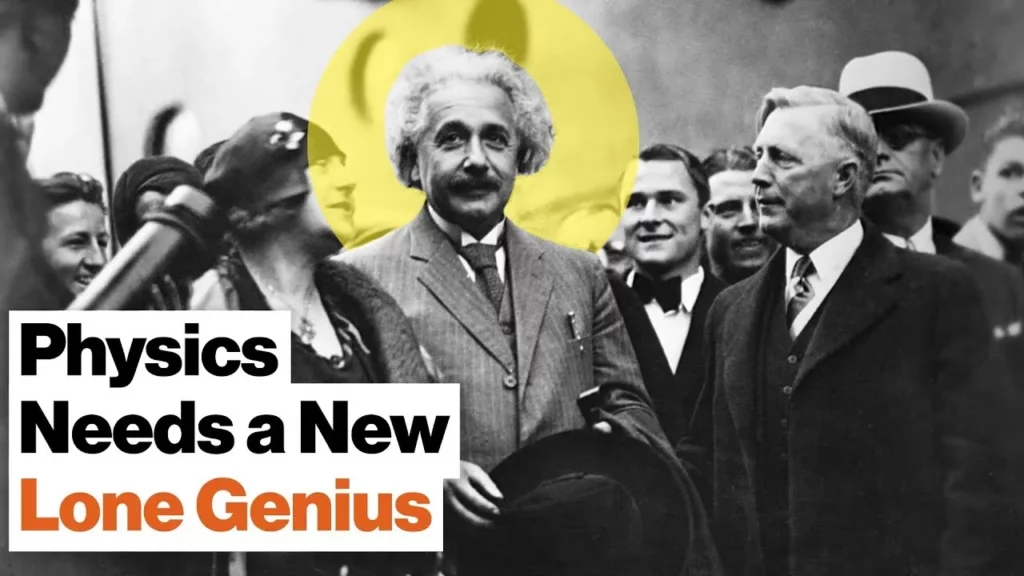
The lesson discusses the current state of theoretical physics, highlighting significant advancements in field theory and the stagnation of the Standard Model since the 1970s. Despite impressive mathematical progress, the quest to quantize general relativity has faced challenges, leading to a reliance on speculative theories like string theory, which raises questions about their validity. Theoretical physicists are urged to consider fresh perspectives and innovative approaches, as the field grapples with the balance between established frameworks and the potential for groundbreaking ideas.