
Malcolm Gladwell on the origins of modern war

The lesson explores the contrasting philosophies of the Bomber Mafia and their leader Haywood Hansell, who advocated for humane and precise bombing strategies during World War II, against the brutal tactics employed by Curtis LeMay, which prioritized victory at any cost. While the Bomber Mafia’s vision aimed to minimize civilian casualties and destruction, LeMay’s approach resulted in devastating firebombing campaigns that raised significant ethical concerns. Ultimately, the narrative underscores the moral complexities of warfare and the imperative of pursuing peace in the face of conflict.
Ron Garan: To the Moon or to Mars? .
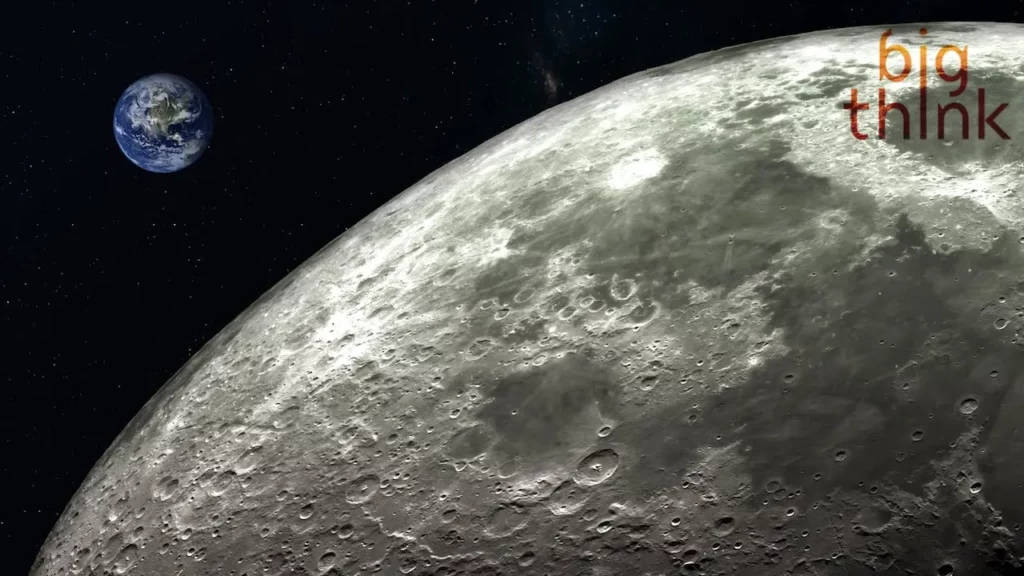
The lesson discusses the strategic considerations in choosing between the Moon and Mars as the next destination for space exploration. It emphasizes the importance of the “orbital perspective,” advocating for a long-term vision that prioritizes establishing a lunar base to facilitate future missions to Mars. By focusing on the Moon first, we can leverage its resources and lower gravity to create a sustainable pathway for deeper space exploration, ultimately benefiting humanity.
How news feed algorithms supercharge confirmation bias | Eli Pariser
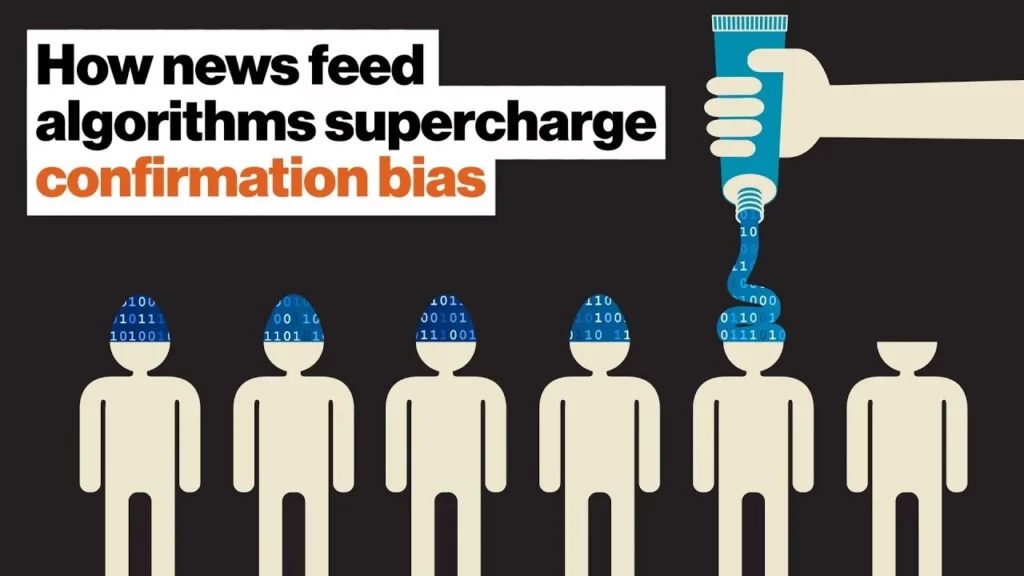
The lesson on “Understanding Filter Bubbles” explores how algorithms create personalized information environments that can isolate users from diverse viewpoints, hindering open discussions. It highlights the evolution of media consumption from traditional choices to algorithm-driven selections, emphasizing the hidden dangers of this automatic curation, including the potential biases and limitations in the data used. Ultimately, the lesson calls for awareness of these dynamics to promote a more informed and democratic society.
Bill Nye’s Answer to the Fermi Paradox
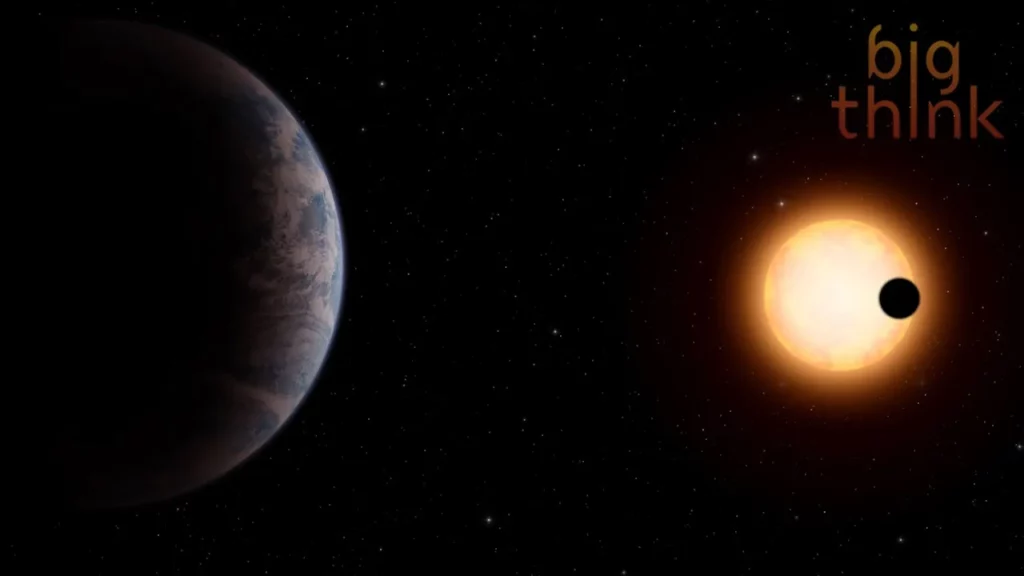
The Fermi Paradox raises the intriguing question of why, despite the vastness of the universe and the potential for numerous extraterrestrial civilizations, we have yet to encounter any signs of intelligent life. This lesson emphasizes the importance of enhancing our search efforts, utilizing advanced communication technologies, and investing in space exploration to uncover the mysteries of our existence and the possibility of life beyond Earth. Ultimately, the paradox serves as a motivation to persist in our quest for knowledge rather than a discouragement.
Is empathy always good? | Bill Nye, Alan Alda, Paul Bloom & more
The lesson “Understanding Empathy: A Double-Edged Sword” explores the complex nature of empathy, highlighting its evolutionary significance and benefits in fostering relationships and communication. While empathy can enhance understanding and connection, it also has limitations, such as the potential for emotional overwhelm; thus, cultivating compassion—caring for others without sharing in their suffering—can lead to healthier interactions and a more supportive society. The lesson emphasizes the importance of balancing empathy with emotional distance to promote well-being and effective social engagement.
The Seven Essential Life Skills, With Ellen Galinsky Mentor
The lesson from “Mind in the Making: Nurturing Lifelong Learning in Children” emphasizes the importance of fostering key executive function life skills—such as focus, perspective taking, effective communication, and critical thinking—to maintain children’s natural enthusiasm for learning as they grow. By nurturing these skills, individuals can enhance their ability to engage with the world, adapt to challenges, and become self-directed learners, ultimately leading to a fulfilling and successful life. The article underscores that these skills are vital not only for children but for lifelong development and adaptability in an ever-changing environment.
Immortality: Can we upload human consciousness? | Michio Kaku, Michael Shermer & more
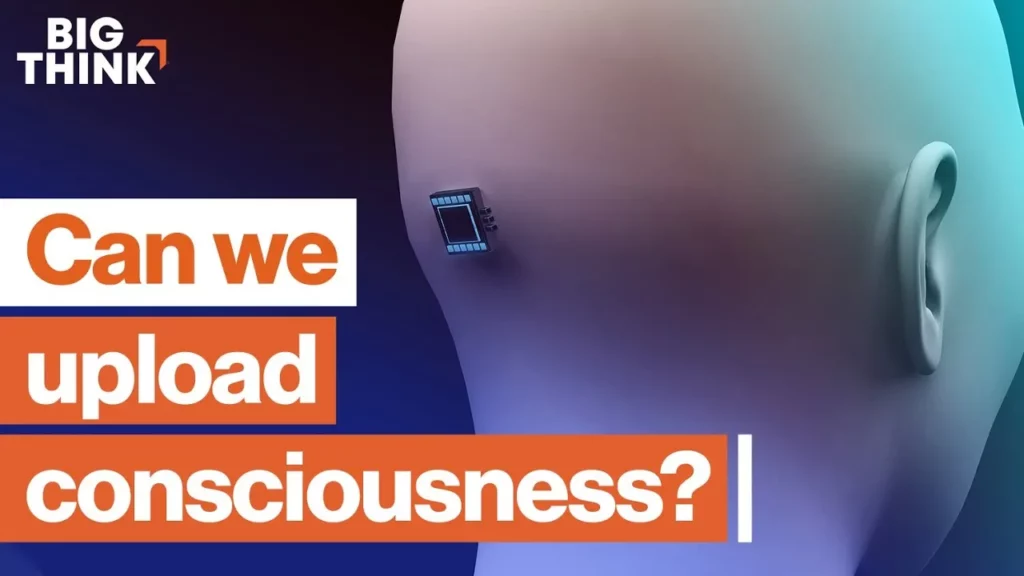
The lesson on transhumanism explores the philosophical movement advocating for the use of technology to enhance human capabilities, suggesting that we are at a crucial point in evolution where we can shape our own future. It discusses the complexities of the human brain, advances in brain simulation, and the potential for consciousness transfer, while also highlighting the ethical implications and the intrinsic value of human experiences. Ultimately, the lesson emphasizes the need for caution as we pursue technological advancements, ensuring that we do not lose sight of what it means to be human.
How to use a thesaurus to actually improve your writing | Martin Amis
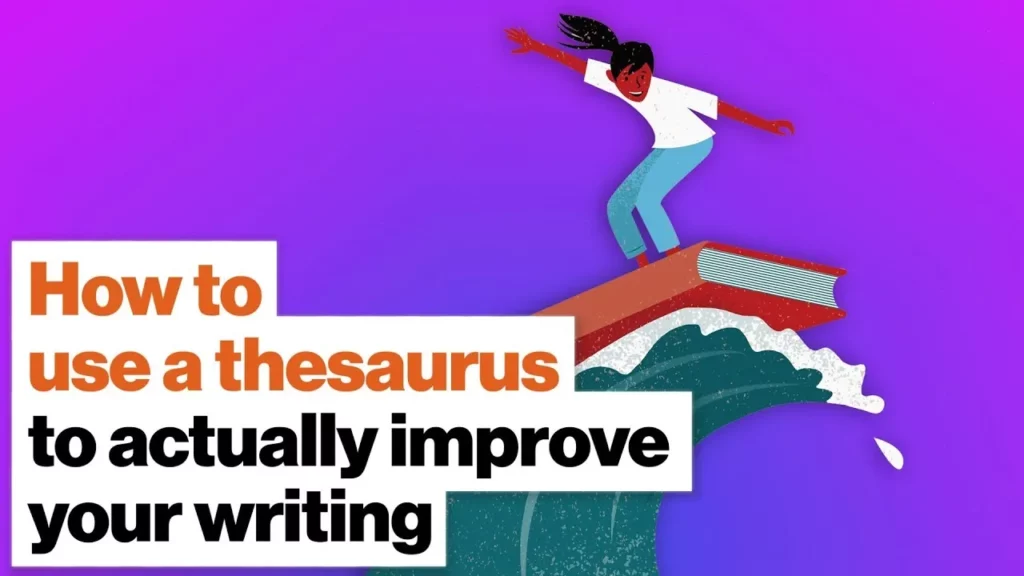
The lesson emphasizes that while writing talent is innate, aspiring writers can enhance their skills through specific techniques, such as avoiding unnecessary repetition and maintaining rhythm in their prose. It highlights the importance of understanding word origins and effectively using reference materials like thesauruses to improve sentence structure and flow. Ultimately, the art of writing is not only about conveying ideas but also about the joy of discovery and mastery of language.
Nicholas Negroponte: Nanobots in Your Brain Could Be the Future of Learning
In this lesson, the speaker reflects on their experience presenting at the first TED conference in 1984, where they shared five research-based predictions that have since proven insightful. They introduce a groundbreaking idea of interacting with the brain through tiny robots injected into the bloodstream, which could revolutionize how we absorb information. This concept highlights the emerging field of biotechnology, suggesting it will be as transformative as plastics were in the past, and aims to inspire curiosity and innovation in researchers.
How your immortal consciousness will travel the universe | Michio Kaku
The lesson explores the innovative intersection of physics and neuroscience, highlighting recent advancements that enhance our understanding of the brain, such as tracking blood flow and visualizing thoughts. It discusses the implications of these findings, including the developmental challenges of the teenage brain and how attraction can impair male cognition. Additionally, it envisions a future where digitizing the brain could allow for consciousness travel across space, potentially revolutionizing our exploration of the universe.