
What makes someone gay? Science is trying to get it straight. | Alice Dreger
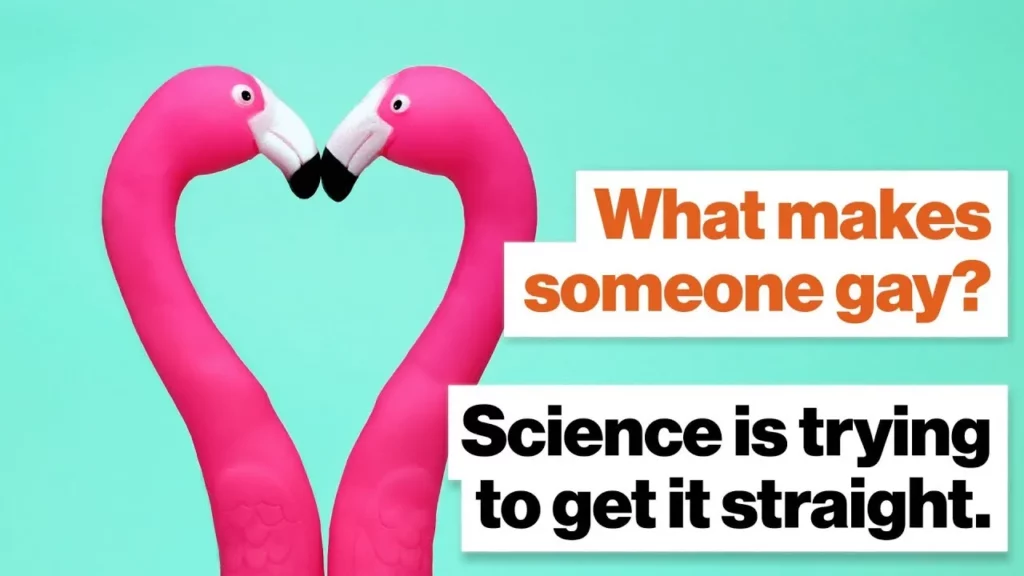
In her exploration of gender and sexuality, Alice Dreger emphasizes the intricate interplay between biological influences and cultural conditioning in shaping gender roles. She highlights how cultural practices, such as meal preparation, illustrate the variability of gender roles across societies, while also noting early patterns in childhood play that reflect gendered behaviors. Dreger calls for further research into both heterosexuality and homosexuality, arguing that understanding these dynamics is crucial for a comprehensive view of human behavior and the evolutionary significance of variation within populations.
Genius Is Not about Excelling at Something—It’s about Doing Things Differently | Eric Weinstein
The lesson explores the delicate balance between striving for excellence and fostering innovation, highlighting how an excessive focus on high standards can stifle creativity and risk-taking. It emphasizes the importance of recognizing and supporting individuals, particularly those with learning differences like dyslexia and ADHD, who may not conform to traditional definitions of excellence but possess significant innovative potential. Ultimately, the lesson advocates for a more inclusive approach that values diverse talents and perspectives, allowing society to benefit from a broader range of contributions.
Do aliens exist? If they did, would we know? | NASA astronomer Michelle Thaller

The lesson explores the intriguing question of whether extraterrestrial life exists in the universe, highlighting the vast number of stars and planets that increase the likelihood of life beyond Earth. It discusses concepts such as advanced civilizations and the Dyson Sphere hypothesis, which theorizes how such civilizations might harness energy from their stars. Despite ongoing searches, including the Kepler mission’s discoveries, definitive evidence of alien life remains elusive, yet the quest continues to inspire curiosity and hope among scientists and enthusiasts alike.
We can bring extinct species back from the dead
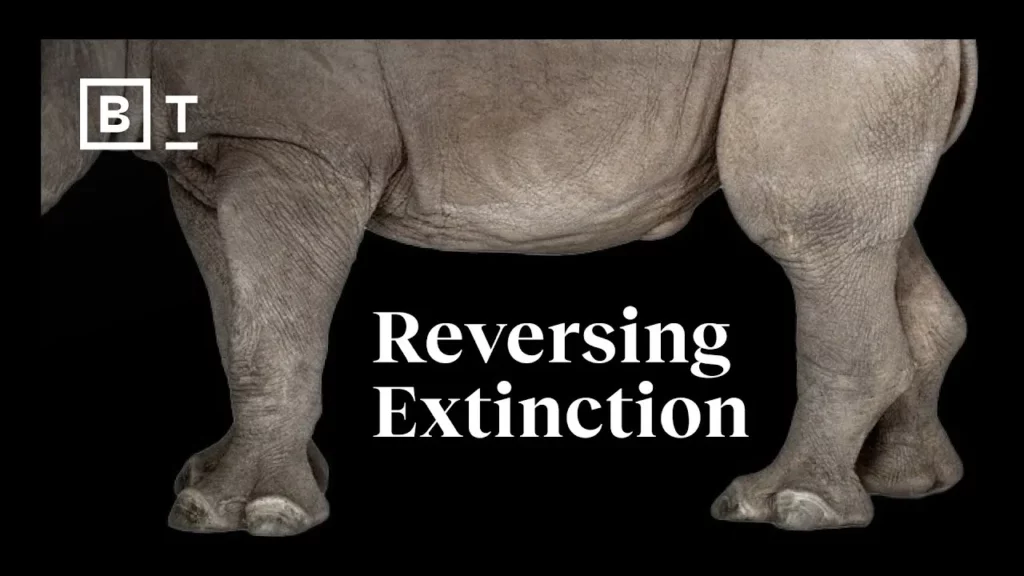
The lesson highlights the innovative conservation efforts led by Dr. Barbara Durrant at the San Diego Zoo’s “frozen zoo,” where genetic material from endangered species, including the nearly extinct Northern White Rhino, is preserved. Through advanced techniques such as stem cell research and training Southern White Rhinos for reproductive procedures, the team aims to create viable embryos to restore the Northern White Rhino population. This ambitious project not only seeks to save a species but also sets a precedent for future conservation efforts, emphasizing humanity’s responsibility to protect biodiversity.
Social Media’s Dark Side: How Facebook and Snapchat Try to Steal Our Self-Worth | Tristan Harris
The lesson discusses the transition of technology from empowering tools to manipulative platforms that prioritize user engagement over well-being. It highlights how modern technology, particularly social media, can negatively impact self-worth by fostering a reliance on external validation through likes and interactions. To combat this influence, the lesson emphasizes the importance of redefining personal values and success, encouraging individuals to focus on intrinsic qualities like friendship and integrity rather than metrics dictated by technology.
CRISPR: The future or undoing of humanity? | Walter Isaacson
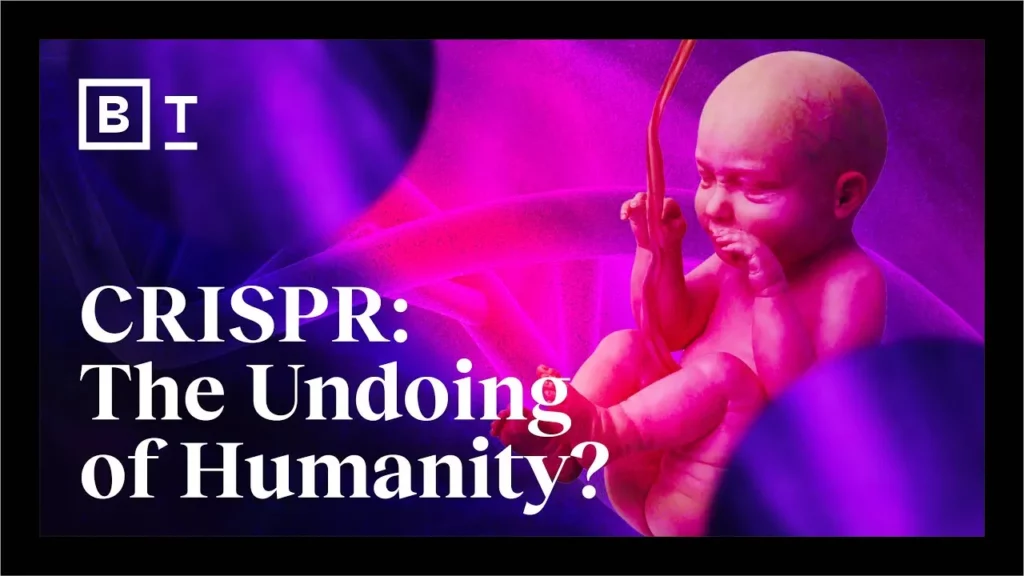
The lesson explores the revolutionary field of gene editing, focusing on Jennifer Doudna’s pivotal role in developing CRISPR technology, which allows for precise modifications in human DNA. While the potential medical benefits are significant, ethical concerns regarding the misuse of gene editing and the risk of creating a genetic divide necessitate careful consideration and open inquiry in the scientific community. As we advance in this new era of science, it is crucial to balance innovation with responsibility.
Would You Kill Baby Hitler? (And Other Psychopathic Musings) | Kevin Dutton
The lesson explores the trolley problem and its variations to illustrate the ethical dilemmas leaders encounter, particularly the conflict between utilitarianism and deontological ethics. Through provocative scenarios, such as sacrificing one life to save many, the lesson challenges participants to confront their moral beliefs and the implications of their decisions in high-stakes situations. It also highlights the presence of psychopathic traits in political leaders, suggesting that such characteristics can influence their decision-making processes in a competitive and often ruthless political landscape.
Want to Make Better Decisions? Know the Difference between Engineering and Design Thinking
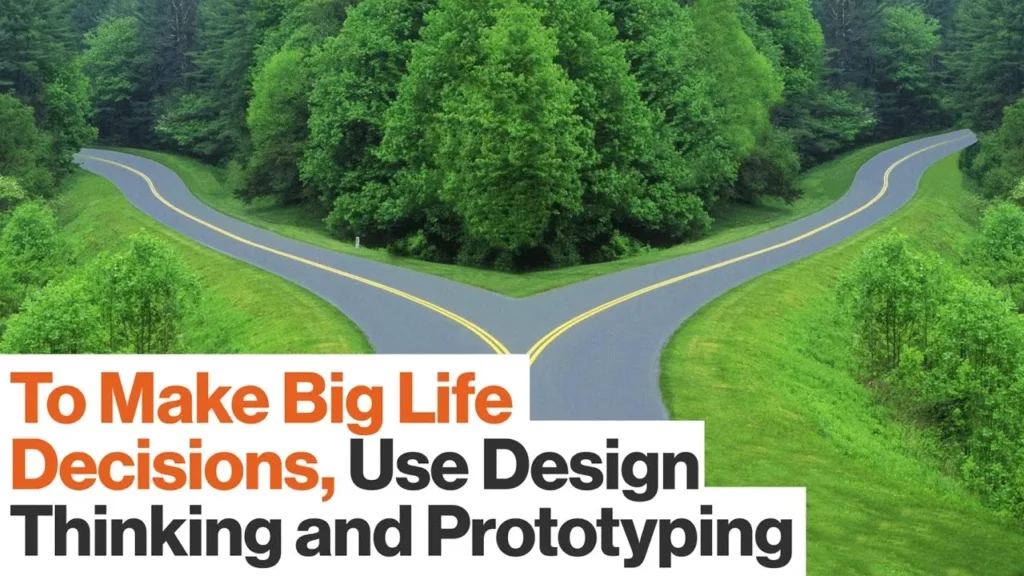
The lesson emphasizes the importance of diverse thinking strategies for effective problem-solving across various fields, including engineering, business, research, and design. It highlights four distinct approaches: engineering thinking for well-defined problems, optimization thinking for business challenges, analytic thinking for research, and design thinking for complex, wicked problems. Central to design thinking is the concept of prototyping, which encourages exploration and iterative experimentation, ultimately leading to better-informed decisions in uncertain situations.
Bryan Cranston: One Thing All Young People Should Do While They’re Still Young

The lesson emphasizes the importance of exploration and self-discovery, particularly for young people facing societal pressures to make immediate life decisions. It advocates for the value of travel as a means to develop adaptability, social skills, and confidence while encouraging a break from traditional timelines, such as taking a gap year. Ultimately, the author illustrates that embracing uncertainty and personal journeys can lead to profound insights and a clearer understanding of one’s true passions.
Should you ‘hack’ your sleep pattern? | Vanessa Hill
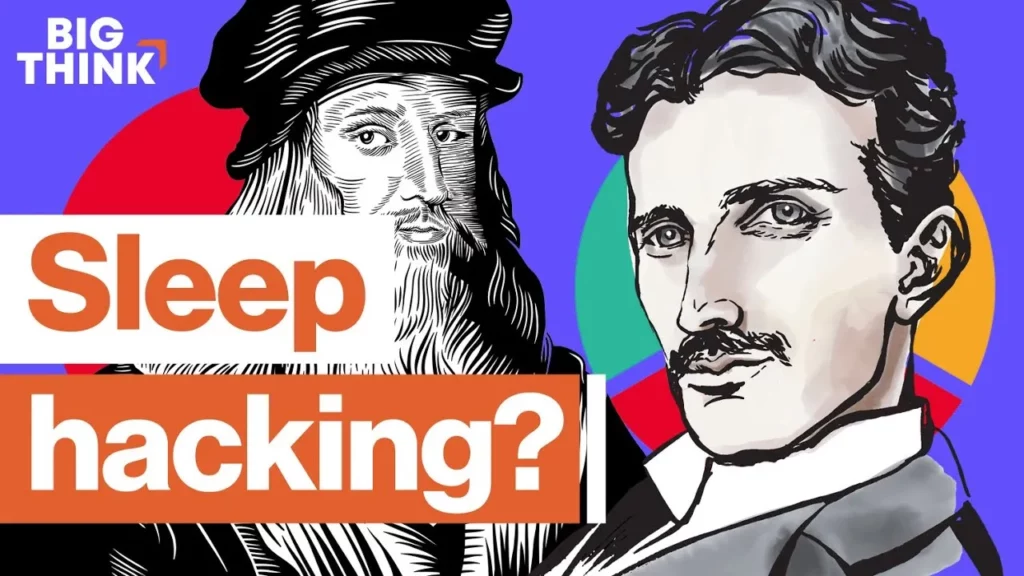
This lesson emphasizes the critical role of sleep in maintaining health and cognitive function, highlighting the common monophasic sleep pattern as the most beneficial for adults. It discusses various sleep patterns, including biphasic and polyphasic sleep, and warns against the risks of sleep fads that can lead to insufficient rest. Ultimately, the lesson advocates for prioritizing quality sleep and creating an optimal sleep environment to enhance overall well-being.