
Using Human Computation and reCAPTCHA to Digitize Old Books, with Luis von Ahn
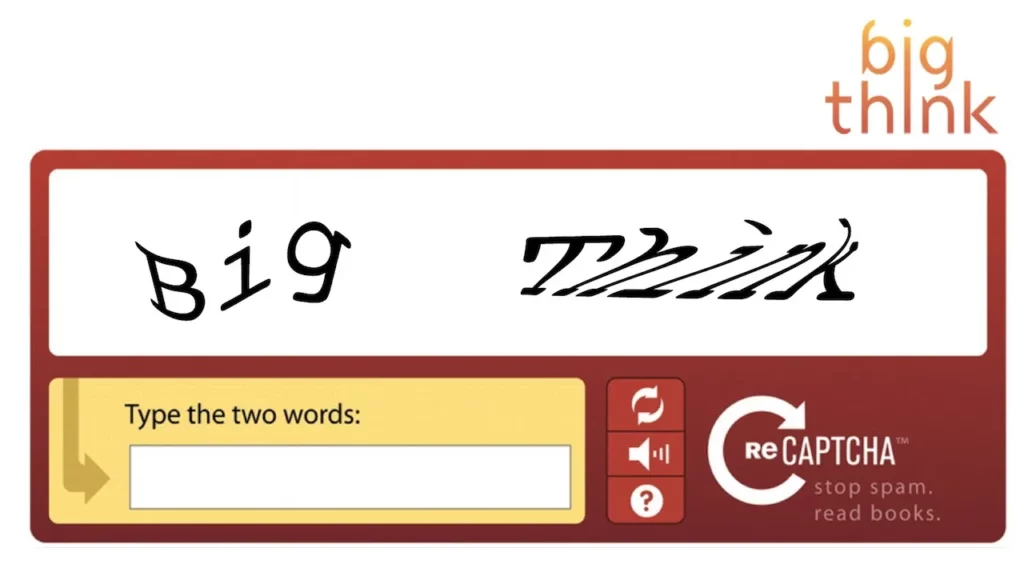
The lesson on human computation explores the synergy between human intelligence and computer capabilities, highlighting how each excels in different areas. While computers struggle with tasks requiring contextual understanding, such as interpreting images, humans can easily navigate these complexities. The reCAPTCHA project exemplifies this collaboration, utilizing human input to digitize books and demonstrating the effectiveness of combining human and machine strengths to solve challenging problems.
10 biggest world threats of 2023, ranked | Ian Bremmer
The lesson on “Understanding the Top Global Risks of 2023” emphasizes the critical global challenges identified by Ian Bremmer, which include water stress, political divisions, and economic instability, among others. These risks are interconnected and have the potential to significantly impact global stability and governance, necessitating proactive responses from governments, businesses, and citizens to foster resilience and address these pressing issues.
Is the World Returning to the Dark Ages? | Salman Rushdie

The lesson discusses the growing public distrust of universities and expertise, highlighting alarming trends in opinion, particularly among self-identified Republicans in the U.S. and similar sentiments in the UK following Brexit. This skepticism towards established knowledge and authority raises questions about societal power dynamics and the nature of truth, creating both challenges and opportunities for writers and artists, who are increasingly inspired to respond to the current political and social climate through their work.
Overcome anxiety: Articulate your rationale, quell your doubts | Jordan Peterson
The Self-Authoring program is an online tool designed to facilitate personal growth by helping individuals reflect on their past, assess their present, and envision their future. Through its three modules—past-authoring, present-authoring, and future-authoring—participants gain insights into their life experiences, identify strengths and weaknesses, and create actionable plans for achieving their goals. This structured approach not only enhances self-awareness but also promotes motivation and well-being, leading to significant improvements in personal development and academic success.
The Neurochemistry of Flow States, with Steven Kotler .
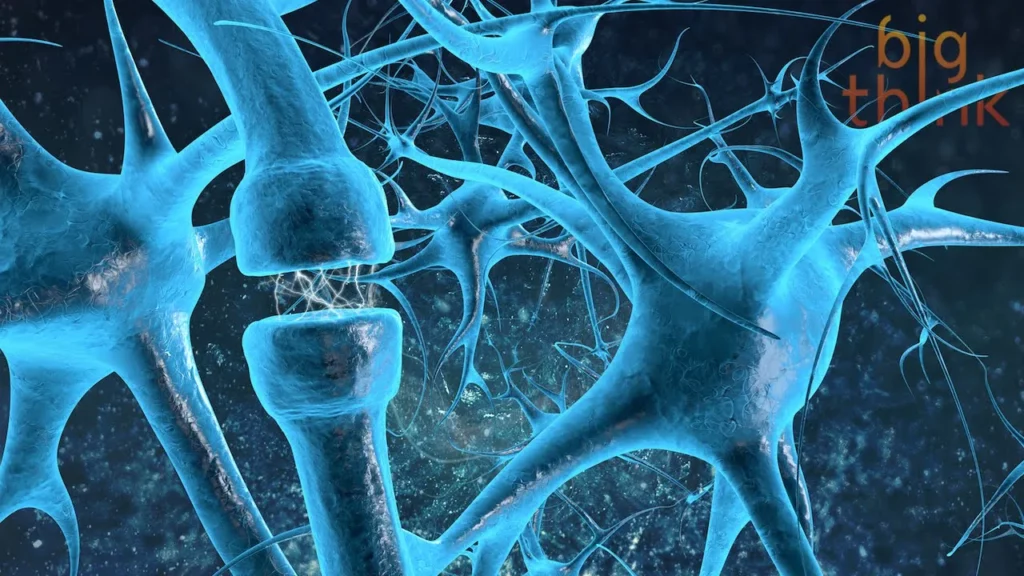
The lesson explores the neurochemistry of flow states, emphasizing how specific brain chemicals like norepinephrine, dopamine, and anandamide enhance performance, creativity, and learning. Flow states not only improve focus and information processing but also foster intrinsic motivation and significantly accelerate the learning process, as evidenced by research showing dramatic improvements in skill acquisition. Understanding these neurochemical changes allows individuals to harness the benefits of flow for exceptional outcomes in various domains.
Mindful Self-Acceptance? Bad Idea According to Ancient Chinese Philosophers. | Michael Puett

The lesson explores the cultural implications of mindfulness, contrasting its popular acceptance in American society with its deeper roots in Asian philosophies. While mindfulness in the U.S. often emphasizes emotional acceptance, this approach may lead to complacency rather than personal growth. In contrast, Asian perspectives advocate for active transformation and self-improvement, urging individuals to break free from negative patterns and engage thoughtfully with their emotions and environments for a more authentic life.
Why geniuses hunt demons for sport | Jimena Canales
The lesson explores the evolution of the term “demon” in the context of science and technology, particularly in artificial intelligence (AI) and computer science. It traces the concept from Laplace’s idea of a predictive “demon” to Searle’s philosophical challenges regarding machine understanding, and further to the practical applications of software “demons” in computing. Ultimately, the discussion emphasizes the dual nature of AI advancements, highlighting both their potential benefits and ethical risks, urging a cautious approach to future technological developments.
How psychedelics work: Fire the conductor, let the orchestra play | Michael Pollan
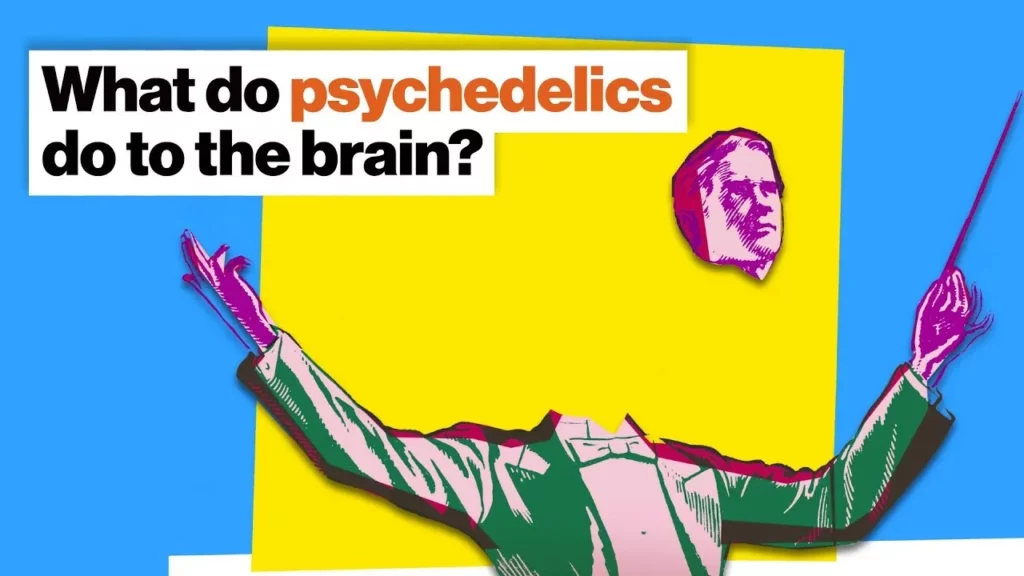
The lesson explores the mechanisms through which psychedelics affect the brain, particularly their interaction with serotonin receptors and the deactivation of the default mode network (DMN). By disrupting the DMN, psychedelics enable new connections between brain regions, potentially offering therapeutic benefits for mental health by breaking rigid thought patterns and fostering healthier cognitive behaviors. Ongoing research suggests that these substances could revolutionize approaches to psychological well-being.
Personal finance: How to save, spend, and think rationally about money
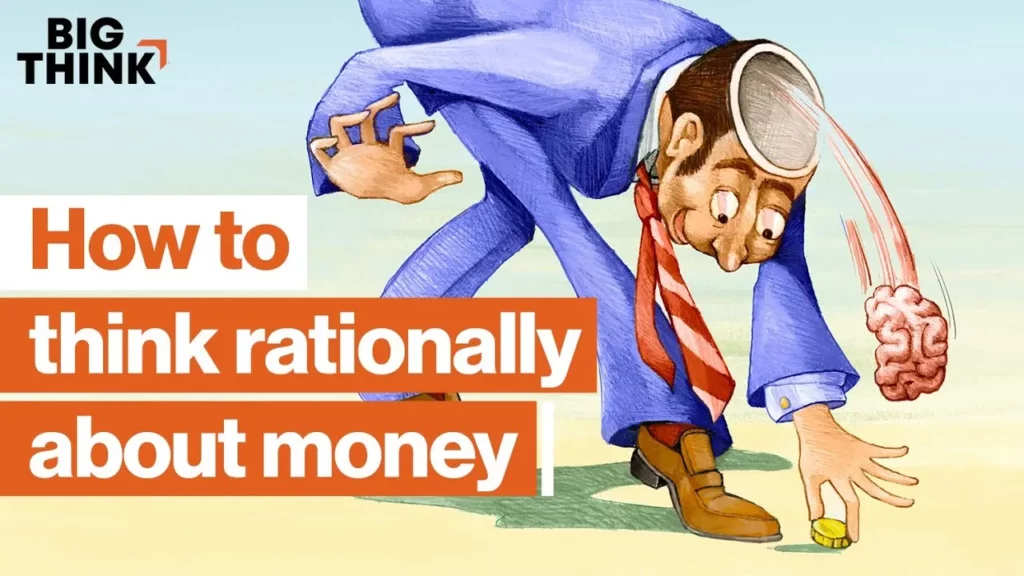
The lesson “Understanding Our Relationship with Money” emphasizes the complex interplay between finances, emotions, and happiness. It highlights the common fears surrounding money, the importance of making informed financial decisions, and the steps toward achieving financial independence, such as eliminating debt and investing wisely. Additionally, the lesson underscores the significance of teaching children about money management to foster a healthier relationship with finances as they grow.
8 Intelligences: Are You a Jack of All Trades or a Master of One? | Howard Gardner

The lesson on “Understanding the Eight Intelligences” introduces Howard Gardner’s theory of multiple intelligences, which expands the definition of intelligence beyond traditional IQ tests to include a variety of cognitive abilities. Gardner identifies eight distinct intelligences—linguistic, logical-mathematical, musical, spatial, bodily-kinesthetic, interpersonal, intrapersonal, and naturalist—each representing different ways individuals excel and contribute to society. Additionally, the lesson highlights the importance of recognizing these diverse intelligences to foster a more inclusive approach to education and personal development.