
Is the universe a hologram? The strange physics of black holes | Michelle Thaller

The lesson explores the enigmatic nature of black holes and their potential to unlock new physics, particularly regarding the fate of information that crosses their event horizons. It discusses how traditional views are being challenged by theories suggesting that information may not be lost but rather transformed, leading to profound implications about the structure of the universe and the nature of reality itself. Ultimately, the study of black holes could bridge the gap between quantum mechanics and gravity, heralding a new era in our understanding of the cosmos.
3 great untruths to stop telling kids—and ourselves | Jonathan Haidt

The lesson on “Understanding Anti-Fragility and Its Implications for Education” emphasizes the importance of challenges in fostering resilience and growth in individuals, particularly children. Jonathan Haidt argues that overprotection can hinder development, as exposure to adversity is essential for building strength and social skills. He advocates for educational practices that promote critical thinking, emotional resilience, and inclusivity, rather than reinforcing binary thinking and untruths, to prepare students for the complexities of modern life.
Bill Nye: The Earth is Really, Really Not 6,000 Years Old

The lesson emphasizes the critical role of evolution in science education, highlighting that a solid understanding of this concept is essential for preparing students for future challenges and maintaining the U.S.’s competitive edge in innovation and technology. It warns that neglecting evolution education could lead to a shortage of skilled scientists and engineers, ultimately threatening the nation’s leadership in global science. Additionally, the lesson addresses the psychological challenges some individuals face in accepting evolution and the need to combat misinformation that undermines scientific literacy.
Hearing Voices and Paranoid Delusions: Inside a Schizophrenic Brain

The lesson on schizophrenia explores the intricate nature of this mental health condition, emphasizing how it profoundly alters an individual’s perception of reality. It highlights key symptoms, particularly auditory hallucinations and cognitive challenges, which can severely impact daily functioning and relationships. Understanding these complexities is essential for fostering empathy and support for those affected by schizophrenia.
Habits: How to be successful every day | Dan Ariely, Gretchen Rubin & more
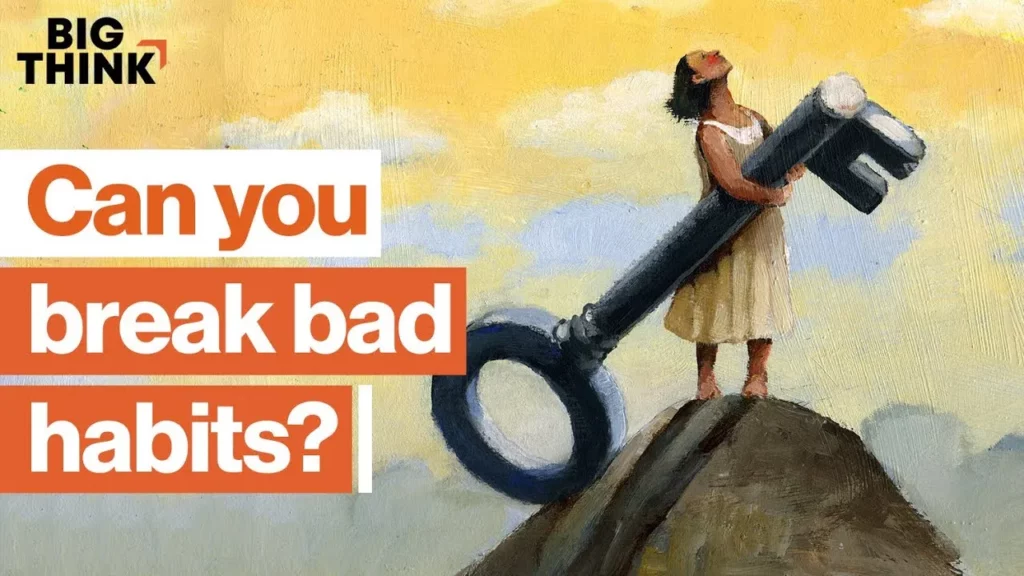
The lesson emphasizes the crucial role of habits in decision-making and behavior, highlighting how automatic actions can conserve mental energy and willpower. It explores the “habit loop” of cue, routine, and reward, the impact of environment on choices, and the conflict between immediate desires and long-term goals. By prioritizing long-term objectives, adopting a systems-based approach, and managing temptations, individuals can effectively change their habits and enhance their overall well-being.
Smart drugs: All-natural brain enhancers made by mother nature | Dave Asprey
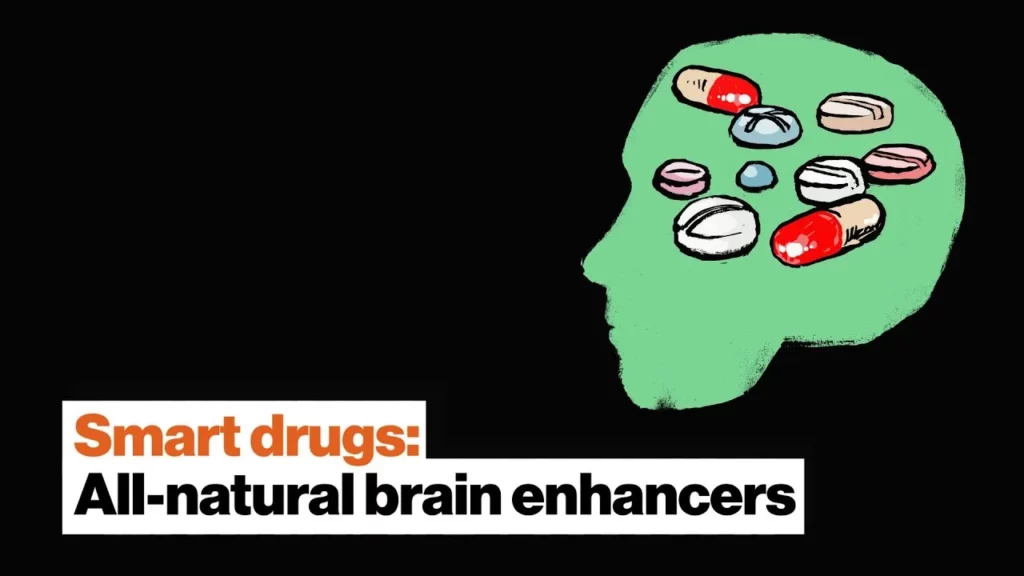
The lesson explores the role of nootropics, or “smart drugs,” in enhancing cognitive performance, highlighting both synthetic and natural substances that can improve memory, creativity, and motivation. Key examples include caffeine, known for its widespread use and short-term cognitive benefits, nicotine, which may offer protective effects against cognitive decline, and aniracetam, a pharmaceutical with neuroprotective properties. The lesson emphasizes a holistic approach to cognitive enhancement, integrating nootropics with a healthy lifestyle for optimal brain function.
Scientology Is the McDonalds of Religions | Louis Theroux

The lesson explores the enigmatic nature of Scientology, a belief system founded by L. Ron Hubbard that has gained notoriety for its secretive practices and aggressive marketing strategies. It highlights the contradictions within Scientology, such as its promise of personal transformation while restricting access to its teachings, and examines its unique position in American culture, particularly in Hollywood. Ultimately, the lesson reveals how Scientology’s blend of spirituality, secrecy, and commercialism creates a compelling and complex subject for exploration.
Master divergent and convergent thinking | Tiago Forte
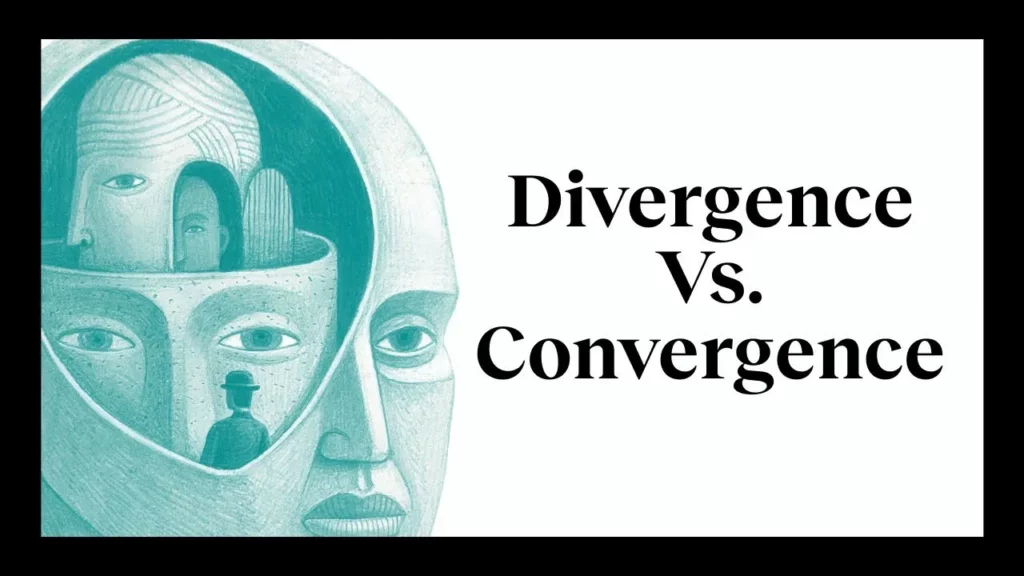
The lesson emphasizes the significance of establishing a “second brain” for effective knowledge management in today’s fast-paced digital environment. It highlights the importance of capturing, organizing, and retrieving information to enhance productivity and creativity, while also explaining the creative processes of divergence and convergence. By utilizing a second brain, individuals can manage multiple projects simultaneously, alleviating the pressure of memory reliance and fostering a more organized approach to knowledge work.
Bill Nye: How to Talk to an Alien
The lesson explores the concept of extraterrestrial life and its implications for humanity. It discusses our curiosity about our origins and the potential impact of discovering intelligent life beyond Earth, emphasizing how such an encounter could reshape our understanding of ourselves and our place in the universe. Ultimately, the fascination with aliens reflects our innate desire to connect and learn about different forms of life.
The dos and don’ts of helping a drug addict recover | Maia Szalavitz

The lesson emphasizes the importance of a compassionate approach to addiction treatment, highlighting that non-invasive methods like methadone and buprenorphine are more effective than invasive procedures. It redefines addiction as a learning disorder rather than a moral failing, advocating for supportive environments in workplaces and schools. Additionally, it underscores the need for professional evaluations and evidence-based care in navigating the complex landscape of addiction treatment.