
How Anne Lamott Got Sober
The lesson “Finding Sobriety and Spirituality: A Personal Journey” recounts the author’s transformative experience following the loss of their father, which led them to seek guidance from a recovering alcoholic named Jack. Through this relationship, the author learned the importance of living one day at a time and found solace in a welcoming church community that embraced social justice and spirituality. Ultimately, the journey emphasizes the interconnectedness of sobriety and spirituality, highlighting the value of community support, faith exploration, and the acceptance of imperfection in personal growth.
Tim Harford: What Prison Camps Can Teach You About the Economy
The lesson explores economic recessions through two simplified models: the babysitting co-op and the prison camp. The babysitting co-op illustrates how internal systemic issues can lead to stagnation, while the prison camp demonstrates that external shocks can disrupt a functioning economy. By analyzing these examples, we gain insights into the nature of recessions and the differing perspectives on the need for government intervention in economic recovery.
Grief isn’t a pathology. It’s an altered state of mind. | BJ Miller, MD
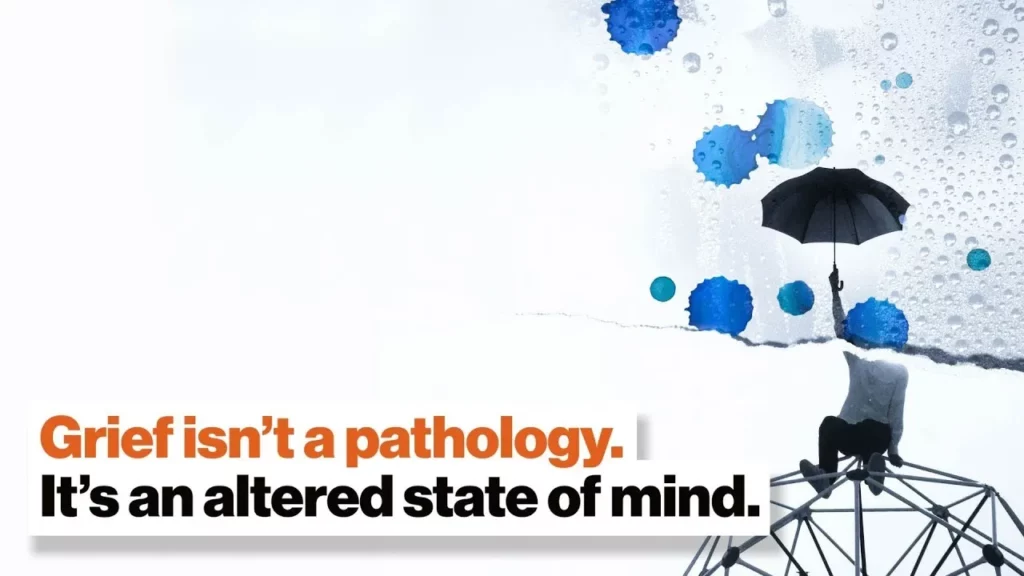
The lesson on grief emphasizes its complexity and the necessity of allowing ourselves to fully experience and process it, rather than suppressing our emotions. It highlights that grief is a natural response to loss, intricately tied to love, and that societal misconceptions about its duration and expression can hinder healing. By understanding grief as a unique journey that requires time, support, and acknowledgment, we can navigate our sorrow with compassion and honor the depth of our relationships.
Sexual Attraction Is Shaped by Gut Bacteria, Infectious Diseases, and Parasites | Kathleen McAuliffe
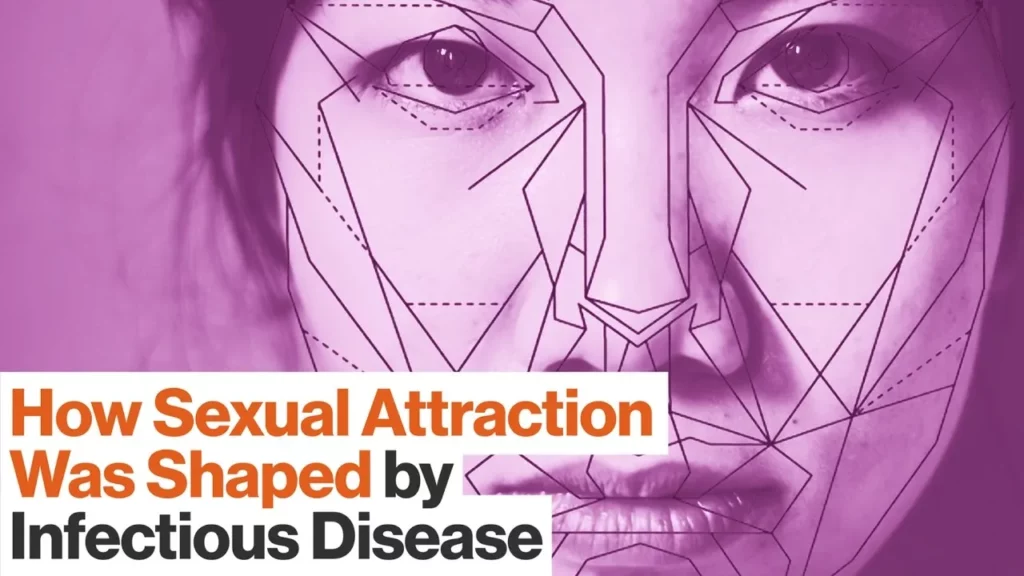
This lesson explores the significant influence of infectious diseases on human behavior, particularly regarding sexual attraction and the role of gut bacteria. It highlights how perceptions of beauty are shaped by health indicators, such as skin clarity and symmetry, and discusses the attraction to partners with diverse immune system profiles. Additionally, it examines the impact of gut bacteria on behavior and health, including the potential effects of fecal transplants and the development of “crapsules” as a non-invasive alternative for harnessing gut health benefits.
Does Exercise Enhance Creativity?
The lesson on “The Neuroscience of Creativity” reveals that creativity involves the collaborative functioning of both brain hemispheres, challenging the notion that it is confined to one side. Key areas such as the prefrontal cortex and hippocampus play significant roles in complex thinking and imagination, respectively, while exercise may enhance creativity by promoting neurogenesis in the hippocampus. This understanding emphasizes the intricate connections within the brain that contribute to creative thought and suggests practical methods for fostering creativity in daily life.
Is time real or is it an illusion? | Michelle Thaller
The lesson explores the complex nature of time, questioning whether it is a tangible reality or merely an illusion. It highlights key insights from Einstein’s theories, particularly the concept of time dilation, where time can vary based on an observer’s speed, and the interconnectedness of space and time as a unified entity known as space-time. Ultimately, the lesson encourages a reevaluation of our understanding of time, suggesting that it may not be a simple linear progression but rather a multifaceted landscape where all moments coexist.
Dan Harris’ Panic Attack (and Discovery of Meditation)
The lesson recounts a personal journey from experiencing a panic attack during a live news broadcast to discovering the transformative power of mindfulness and meditation. After confronting the underlying causes of his panic, including drug use and the pressures of a demanding career, the author explores various philosophies and ultimately embraces meditation as a practical tool for managing anxiety and improving self-awareness. This journey emphasizes that while we cannot eliminate all of life’s challenges, we can change our responses to them, fostering a more realistic understanding of happiness.
Earth at 2° hotter will be horrific. Now here’s what 4° will look like. | David Wallace-Wells

The lesson emphasizes the urgent need for action in response to the impending climate crisis, highlighting that while many may not yet feel its effects, significant changes are on the horizon that will impact all life on Earth. Projections indicate that without substantial intervention, global temperatures could rise dramatically, leading to catastrophic consequences, including widespread displacement and severe economic damage. The lesson calls for a proactive approach to address these challenges, stressing the importance of taking scientific warnings seriously and implementing effective strategies to mitigate climate risks.
How to overcome social anxiety and bring more confidence to your conversations | Andrew Horn
The lesson on “Finding Your Authentic Voice in Social Situations” emphasizes the importance of being true to oneself in social interactions to overcome feelings of self-consciousness and anxiety. By understanding social anxiety, discovering your authentic voice, and employing strategies like the Curiosity Compass and the Golden Rule of Questions, you can engage more confidently and genuinely with others, leading to deeper connections and more fulfilling conversations.
Saying no is hard. These communication tips make it easy. | Michelle Tillis Lederman
The lesson “The Art of Saying No: Empowering Yourself with Boundaries” emphasizes the importance of setting boundaries by learning to say no without guilt, which allows individuals to prioritize their own needs. It introduces effective communication strategies, such as using “no, but” to decline requests while offering alternatives, and qualifying yes responses to manage expectations. Ultimately, mastering these skills fosters healthier relationships and empowers individuals to maintain balance in their personal and professional lives.