
Facts Don’t Win Fights: Here’s How to Cut Through Confirmation Bias | Tali Sharot

The lesson emphasizes that simply presenting factual information is often ineffective in changing people’s beliefs due to cognitive biases, such as confirmation bias, which leads individuals to favor information that aligns with their pre-existing views. Research shows that when faced with conflicting data, people tend to become more entrenched in their beliefs rather than open to persuasion. A more effective approach involves finding common ground and shared values, as demonstrated by a study that successfully encouraged vaccination by focusing on the health benefits for children rather than confronting fears about autism.
Music’s power over your brain, explained | Michael Spitzer

The lesson “The Evolution of Music: A Journey Through Sound and Emotion” explores the profound connections between music, movement, and human emotion, tracing back to early human evolution. It highlights how our brain’s structure facilitates the enjoyment and understanding of music, emphasizing its social, psychological, and emotional benefits, including stress reduction and memory enhancement. Ultimately, the lesson illustrates that music serves as a vital link to our evolutionary past, enriching our human experience.
Train Your Brain: Mindfulness Meditation for Anxiety, Depression, ADD and PTSD | Daniel Goleman
The lesson highlights the numerous benefits of meditation, particularly its ability to enhance focus, manage stress, and improve overall mental well-being, even for beginners. Research indicates that mindfulness meditation, even in short sessions, can counteract the negative effects of multitasking on attention and help individuals remain composed in stressful situations. Additionally, meditation shows promise in aiding children with Attention Deficit Disorder (ADD) by strengthening their attention skills, with ongoing studies exploring its potential further.
The Psychology of Con Artists, and How to Avoid Them | Maria Konnikova
This lesson explores various deception and persuasion techniques that individuals use to influence others, emphasizing the importance of recognizing these tactics to protect oneself from manipulation. Key strategies discussed include the “foot-in-the-door” and “door-in-the-face” techniques, which exploit our desire for consistency and emotional responses, respectively. By understanding these methods and learning to assertively say no, individuals can enhance their decision-making skills and maintain their autonomy in social interactions.
How Navy SEAL Hell Week builds indestructible teams | Brent Gleeson

The lesson emphasizes the critical role of trust in fostering high-performance cultures within organizations, drawing parallels from the rigorous SEAL training experience. It highlights how trust enhances teamwork, employee engagement, and overall organizational success, advocating for a culture where leaders align their actions with their words and prioritize collective goals over individual achievements. By embracing these principles, businesses can improve resilience and adaptability in today’s competitive landscape.
‘Hey Bill Nye, If Humans Colonize Mars, How Will We Evolve?’ #TuesdaysWithBill

The lesson discusses the potential impact of living on Mars on human evolution, sparked by a question from Victor about how humans might adapt to life on another planet. It highlights the significant challenges of colonizing Mars, contrasting it with historical human settlements on Earth, and emphasizes that any evolutionary changes would occur slowly over time due to the harsh Martian environment. Ultimately, while the idea of a human colony on Mars is intriguing, it remains largely theoretical, with many obstacles to overcome before it could become a reality.
4 Steps for Optimizing Situational Awareness and Visual Intelligence | Amy Herman
The lesson on “Understanding Visual Intelligence: The Four A’s” emphasizes the importance of processing visual information to enhance critical thinking and decision-making in various professional fields. The Four A’s—assess, analyze, articulate, and adapt—provide a structured framework for effectively gathering and interpreting information, communicating observations clearly, and making informed decisions based on a comprehensive understanding of the situation. By applying this model, individuals can improve their visual intelligence and act with purpose in their roles.
Student of the stars: How do you become an astronomer? | Michelle Thaller
This comprehensive guide outlines the essential steps to becoming an astronomer, emphasizing the importance of obtaining a doctorate in astronomy and building a strong foundation in physics, mathematics, and computer science. Aspiring astronomers should also develop critical writing and collaboration skills, as these are vital for drafting research proposals and working effectively in teams. Ultimately, while the career offers exciting opportunities for discovery, it also involves significant administrative responsibilities, making it a fulfilling yet challenging path.
Fareed Zakaria on the Knowledge Economy
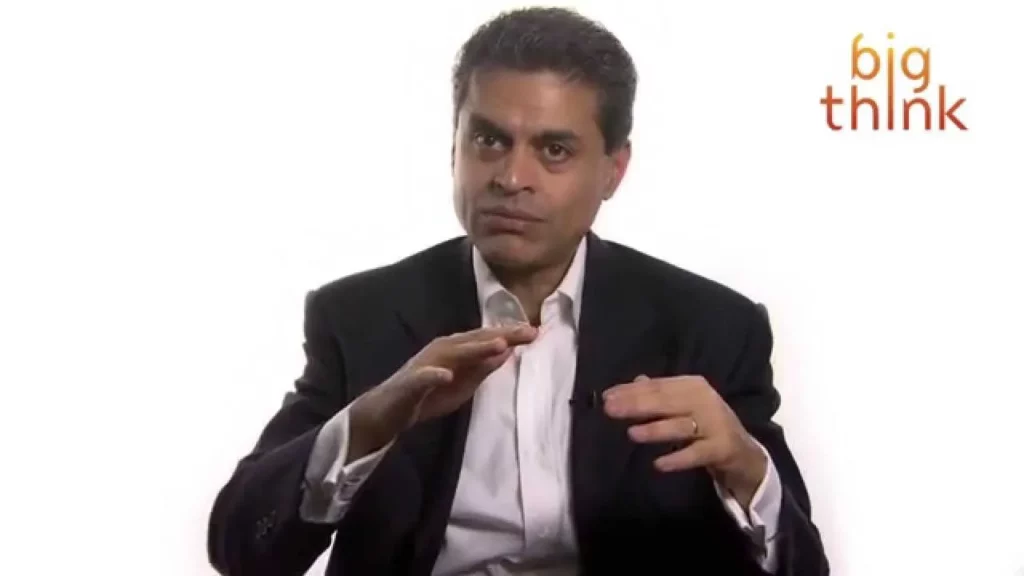
The lesson emphasizes the importance of skills and continuous learning in the knowledge economy, where high salaries are increasingly tied to the value individuals bring to the job market. As employers shift their focus from traditional degrees to the ability to learn and adapt, the landscape of education is evolving, with online courses gaining recognition as valid credentials. This transformation could redefine qualifications for employment, making skill acquisition more critical than ever.
Hey Bill Nye, ‘Let’s Save Planet Earth before We Move to Mars’ #TuesdaysWithBill.
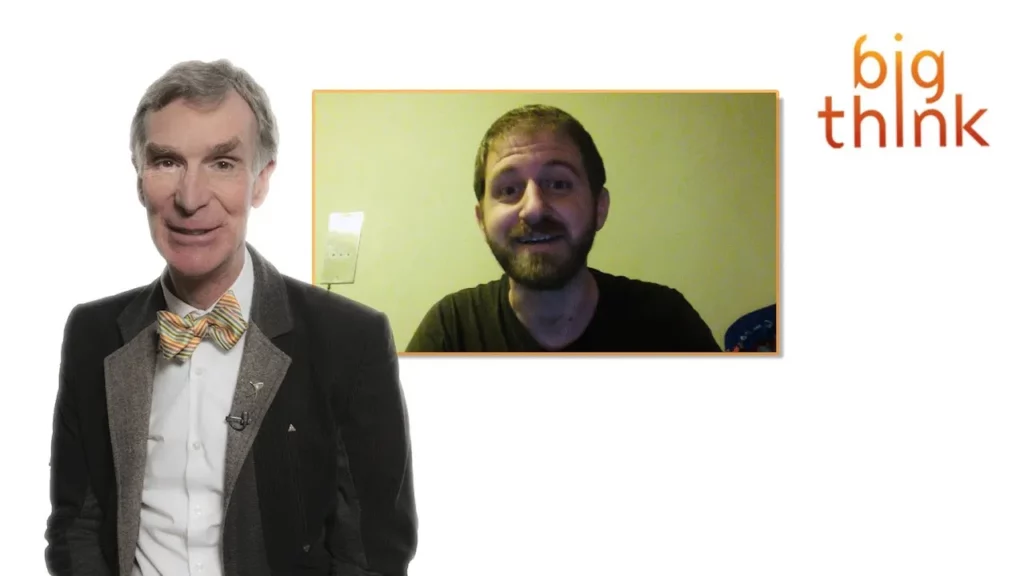
The lesson discusses the complexities of Mars colonization in response to concerns about prioritizing space exploration over addressing issues on Earth. Bill, the CEO of The Planetary Society, emphasizes the importance of caring for our planet while also advocating for research bases on Mars to enhance our understanding of both Mars and Earth’s environmental challenges. Ultimately, the conversation highlights the dual responsibility of exploring space and ensuring a sustainable future for Earth.