
Lawrence Krauss on How to Develop Your Critical Thinking Skills
The lesson emphasizes the importance of skepticism in navigating the overwhelming amount of information we encounter daily. By critically evaluating new ideas, questioning their consistency with our experiences, and comparing multiple sources, we can better discern truth from falsehood. Ultimately, embracing skepticism while remaining open to new perspectives fosters personal growth and informed decision-making.
Are humans evil? Rutger Bregman on ‘veneer theory’
In “The Veneer Theory: A Critical Examination,” Rutger Bregman critiques the long-held belief that civilization merely masks humanity’s primal selfishness, arguing instead that evidence from various fields demonstrates that people are fundamentally decent and cooperative. He highlights the complexities of human behavior, noting that while individuals can commit atrocities, these actions often stem from loyalty to their groups rather than inherent cruelty. By recognizing our cooperative nature, Bregman suggests that we can reshape societal structures to foster trust and promote more equitable communities.
The 3 ‘demons’ that haunted legendary scientists | Jimena Canales
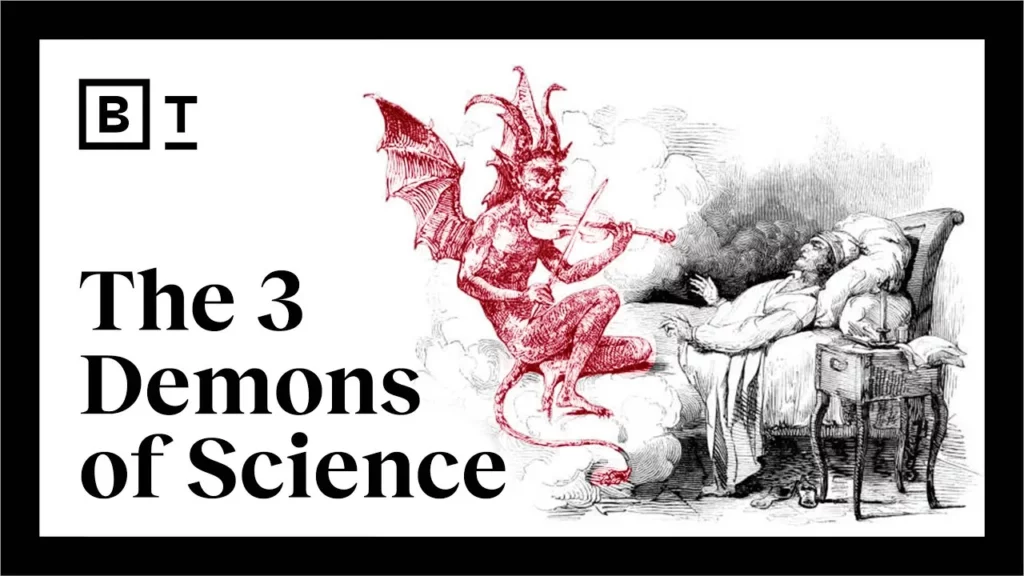
The lesson explores the concept of “scientific demons,” hypothetical entities used by historical figures like Descartes, Maxwell, and Darwin to probe complex scientific ideas and challenge existing theories. These constructs serve as imaginative tools that encourage critical thinking about reality, thermodynamics, and evolution, highlighting the importance of creativity in scientific progress. Ultimately, the lesson emphasizes that engaging with these non-existent entities can deepen our understanding of science and prepare us for future advancements.
Testing, testing: How will measurement change in the future of education? | Darrell Bradford
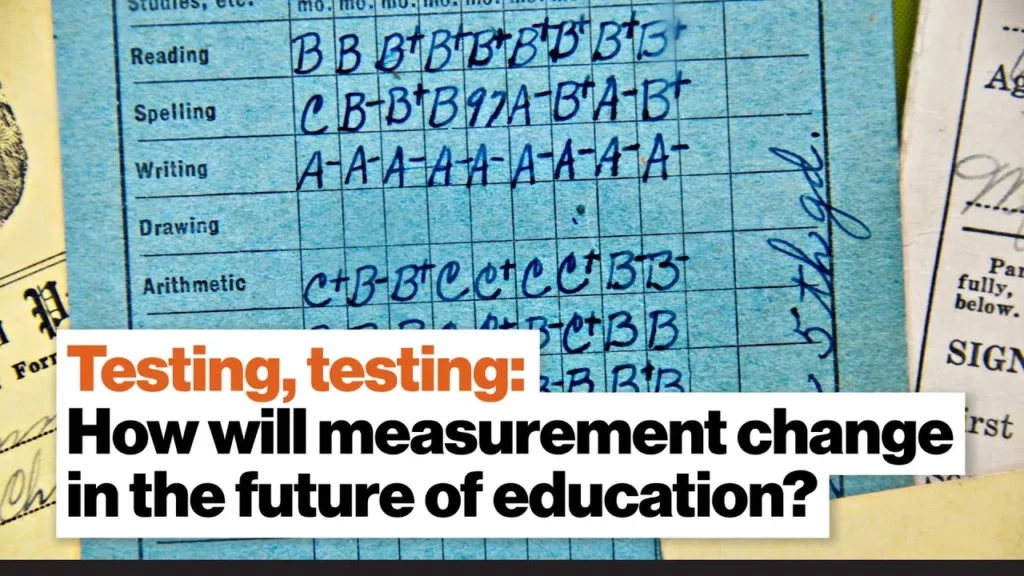
The lesson on “The Complexity of Educational Measurement” emphasizes the intricate nature of assessing educational effectiveness, highlighting the need to balance quantitative assessments with broader indicators of student well-being. It discusses the challenges of measuring foundational skills alongside emotional and social factors, cautioning against overwhelming educators with excessive metrics. Ultimately, the lesson calls for a reevaluation of measurement approaches to accommodate diverse paths to success and foster a more inclusive educational environment.
50 Cent, Fearlessness, and You | Robert Greene

In this lesson, Robert Greene delves into the essence of power by collaborating with rapper 50 Cent, who exemplifies fearlessness in overcoming adversity. Greene emphasizes that true empowerment stems from confronting and transcending fears, which fosters creativity and adaptability. He argues that while some may be naturally timid, everyone has the potential to develop fearlessness, ultimately leading to a more fulfilling and successful life.
Mind Fitness: How Meditation Boosts Your Focus, Resilience, and Brain | Daniel Goleman
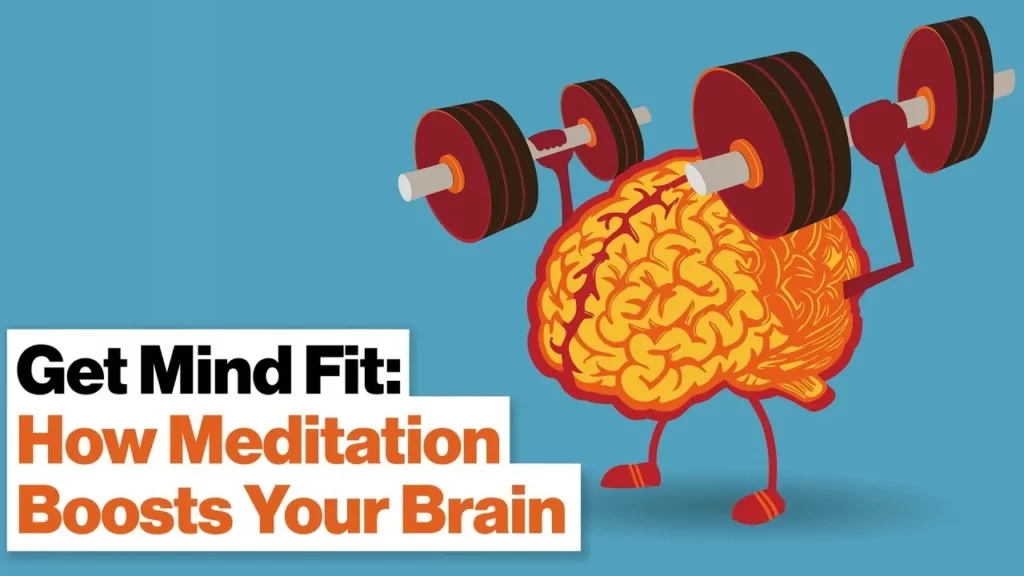
The lesson explores the distinction between altered states of consciousness, which are temporary changes in awareness triggered by various factors, and altered traits, which are enduring changes resulting from practices like meditation. While altered states can enhance experiences in the moment, such as during peak performance or under physiological conditions, altered traits reflect long-term benefits, including improved cognitive function, emotional resilience, and stress management, cultivated through consistent meditation practice. Research supports that the cumulative effects of meditation lead to significant transformations in individuals, enhancing their overall well-being and capacity for personal growth.
Why US Marines Are Being Encouraged to Disobey | Charles Duhigg
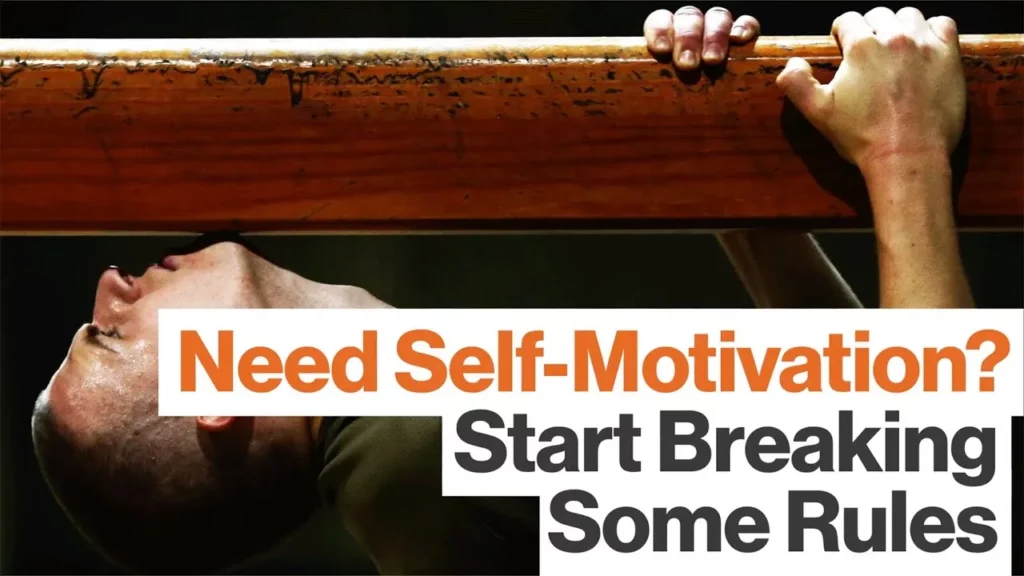
The lesson emphasizes the critical role of self-motivation, illustrated through the Marine Corps’ training methods and insights from nursing homes. By fostering a sense of control and encouraging individuals to make choices, both environments demonstrate that self-motivation can significantly enhance performance and well-being. Ultimately, empowering individuals to assert themselves leads to greater fulfillment and healthier lives.
How to ace the job interview question most people fail | Michelle Lederman

The lesson emphasizes the significance of authenticity in job interviews, warning against the common pitfall of adopting an “interview mask” that masks one’s true personality. Candidates are encouraged to embrace vulnerability by providing honest answers, recognizing that genuine self-representation fosters a better cultural fit and enhances long-term professional relationships, even if it means not securing the job immediately. Additionally, the lesson highlights that the interview process encompasses all interactions, from scheduling to follow-up, underscoring the importance of maintaining connections regardless of the outcome.
How math predicts life on Earth and the universe beyond | Michio Kaku, Michelle Thaller & more
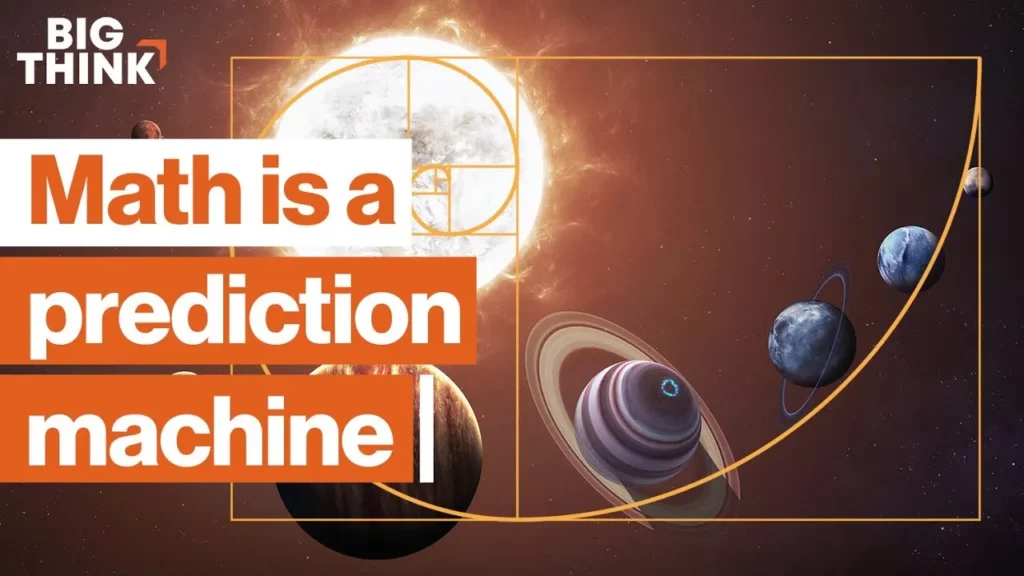
The lesson explores the evolution of mathematics from its origins in simple counting to its crucial role in understanding complex phenomena in the universe. It highlights the importance of changing perceptions about math, emphasizing its relevance in everyday life and its connection to fields like physics. By advocating for innovative teaching methods and the use of technology, the lesson aims to make mathematics more accessible and engaging, revealing its potential to uncover profound truths about reality.
Your Irrational Brain | David Ropeik
The lesson highlights the cognitive limitations of human reasoning, emphasizing that our brains prioritize emotions over facts, which can lead to irrational decision-making. David Ropeik suggests that by taking time to reflect, seeking diverse information, and acknowledging emotional biases, individuals can enhance their decision-making processes, particularly in complex situations. Using the HPV vaccine as a case study, the lesson illustrates the importance of informed choices over instinctual reactions for better outcomes in modern life.