
How Your Gut Influences Your Mental Health: It’s Practically a Second Brain | Dr. Emeran Mayer
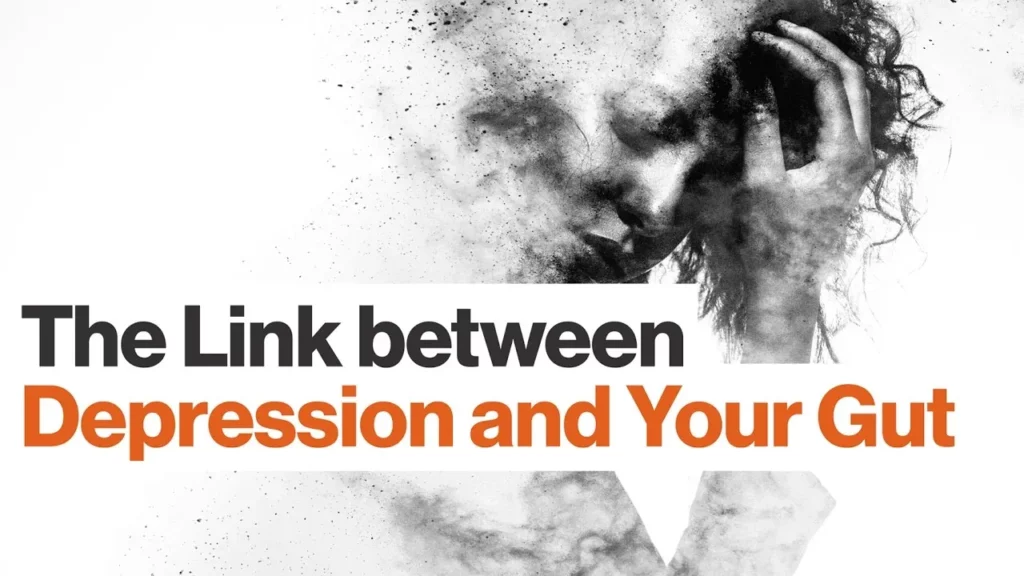
The lesson on “Understanding the Mind-Gut Connection” explores the intricate relationship between the brain and the gut, emphasizing the gut’s role as a “second brain” that independently manages digestion and communicates with the main brain. Recent research highlights the significant impact of gut health on mental well-being, particularly in relation to depression, with serotonin production in the gut playing a crucial role. Overall, maintaining gut health is essential for emotional regulation and mental health, underscoring the importance of dietary choices and gut microbiota.
5 ways to unlock your brain’s ancient pleasure centers | Jamie Wheal for Big Think

The lesson emphasizes the concept of micro-PTSD, which arises from the cumulative stress of daily challenges, and highlights the importance of healing and self-reconnection. It introduces various tools for healing, including breathwork, embracing sexuality, embodiment practices, the responsible use of substances, and the power of music, collectively referred to as the “Alchemist’s Cookbook.” By integrating these practices, individuals can foster personal transformation and a sense of community, ultimately navigating life’s complexities more effectively.
The Neuroscience of Enlightenment, with Dr. Andrew Newberg
The lesson explores the distinction between small E and big E enlightenment experiences, highlighting how both types offer unique insights into our lives. Small E experiences provide brief moments of clarity, while big E experiences are profound and transformative, often leading to lasting changes in perception and behavior. The lesson also discusses the brain’s role in these experiences, the accessibility of enlightenment for everyone, and the philosophical implications regarding consciousness and the nature of reality.
Information Obesity: Take Responsibility for Your Media Menu

The lesson on “Understanding Information Over-Consumption” emphasizes the distinction between information overload and over-consumption, highlighting our active role in both consuming and creating information. It draws parallels between the industrialization of food and media, illustrating how the demand for sensational content can lead to a poorly informed public. Ultimately, the lesson advocates for conscious and ethical information consumption, encouraging individuals to prioritize quality over quantity to foster a more informed society.
Robert Steven Kaplan: Assessing Your Strengths and Weaknesses

The lesson emphasizes the importance of self-awareness in identifying one’s strengths and weaknesses as a crucial step toward achieving personal potential. It highlights the pitfalls of comparing oneself to others and the necessity of tailoring self-assessment to specific career roles, while also advocating for seeking external feedback to gain a comprehensive understanding of one’s abilities. By embracing constructive criticism and systematically evaluating skills, individuals can effectively align their self-assessment with their career goals, ultimately enhancing their growth and success.
Build Mental Models to Enhance Your Focus | Charles Duhigg
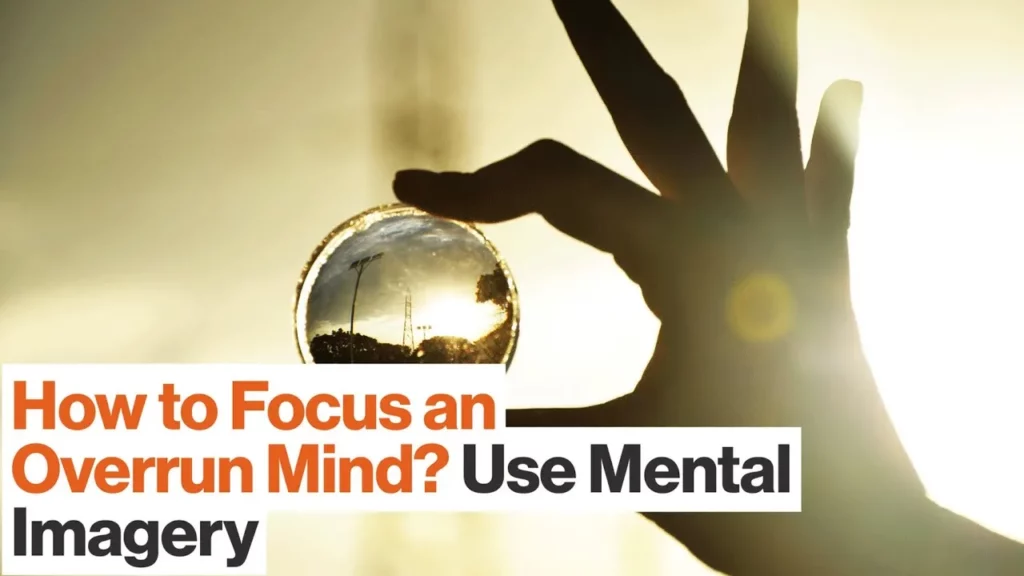
The lesson emphasizes the importance of maintaining focus in a distraction-filled world, highlighting that effective individuals use mental models to enhance their concentration and productivity. By creating internal frameworks that guide attention and decision-making, individuals can better navigate challenges and manage distractions, as illustrated by a case study of nurses in NICUs who successfully identified critical issues through their mental imagery. Strategies such as envisioning daily tasks, creating mental checklists, practicing mindfulness, and reflecting on experiences are recommended to cultivate effective mental models for improved focus and performance.
Ending The Tragedy of The Commons | Elinor Ostrom

The lesson explores Garrett Hardin’s concept of the “tragedy of the commons,” which illustrates how shared resources can become depleted without collective management. It emphasizes the potential for communities to develop effective governance strategies, as demonstrated by the Maasai people of Eastern Africa, who have successfully adapted their grazing practices despite external pressures. Ultimately, the lesson advocates for polycentric governance and local initiatives as essential approaches to achieving sustainable resource management that addresses both local and global challenges.
Nobel Prize-winning economist explains how a 300 y/o model predicted Uber | Vernon Smith
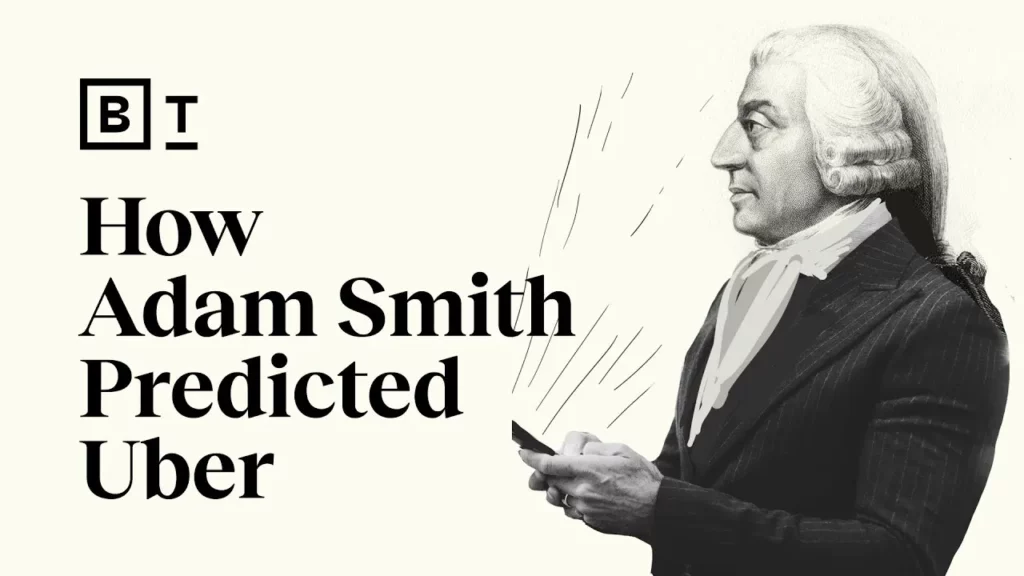
The lesson explores the connection between narratives and scientific understanding, emphasizing how stories shape our perception of order in the universe, particularly in economics. It highlights Adam Smith’s insights into social order and the emergence of experimental economics through Vernon Smith’s market experiments, demonstrating how technology and innovation can lead to spontaneous order in markets. Ultimately, the lesson underscores the interplay between self-interest and collective well-being, illustrating how individual pursuits can contribute to societal benefits.
How astronomy makes neuroscience even cooler: brains, gold, and neutron stars | Michelle Thaller
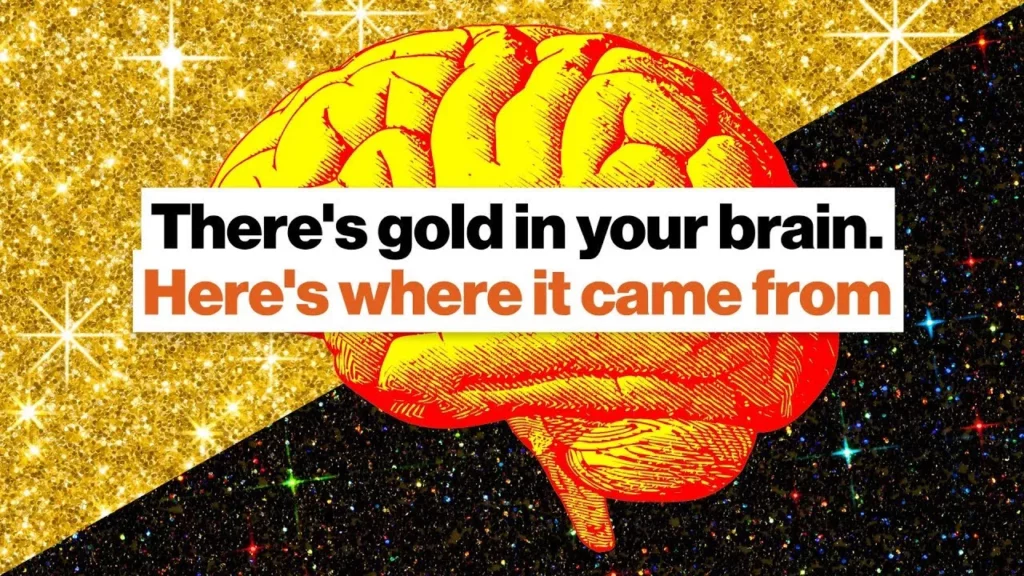
The lesson explores the origins of the atoms in our bodies, tracing their lineage back to the early universe and the processes that formed them. It highlights how hydrogen, created during the Big Bang, evolved into more complex elements through nuclear fusion in stars, while heavier elements like gold were produced during the explosive collisions of neutron stars. Ultimately, this cosmic history underscores the profound connection between our existence and the universe, illustrating how the elements essential for life, including gold, are born from dramatic celestial events.
Sam Harris: Mindfulness is Powerful, But Keep Religion Out of It

The lesson emphasizes that mindfulness extends beyond mere stress reduction, serving as a profound tool for understanding the nature of the self and the transience of emotions. It highlights the importance of recognizing the illusion of self and the automatic thought processes that cloud our experiences, advocating for a secular approach to mindfulness that transcends its religious origins. By doing so, individuals can explore consciousness more inclusively and meaningfully, fostering personal growth and emotional awareness.