
Michio Kaku: The Supergenius
The lesson explores the connection between Asperger’s Syndrome and exceptional intellectual abilities, using examples from popular culture and historical figures like Isaac Newton and Albert Einstein. It highlights how individuals with Asperger’s may struggle socially yet possess remarkable skills in areas such as mathematics and music, while also discussing the impact of brain injuries on cognitive abilities. Ultimately, the lesson emphasizes the ongoing debate between nature and nurture in understanding exceptional talents and the complexities of the human brain.
Eric Kandel: Unconscious Decision Making
In this lesson, Eric Kandel explores the concept of reductionism, emphasizing its role in understanding complex biological systems by examining individual components, such as the heart, and contextualizing them within the larger system. He also discusses the relationship between the brain and mental functions, challenging the notion of an independent mind and highlighting how unconscious processes influence decision-making, as evidenced by Benjamin Libet’s experiments. Ultimately, Kandel’s insights encourage a deeper appreciation of the interplay between conscious and unconscious processes in shaping human experience.
Kevin Dutton: Do Athletes Have Psychopathic Tendencies?
The lesson on “Understanding Psychopathy in Everyday Life” explores the dual nature of psychopathic traits, highlighting that while often viewed negatively, certain characteristics can be advantageous in high-pressure situations. Traits such as assertiveness, decisiveness, and emotional resilience can lead to success in fields like sports and business, provided they are not coupled with aggression and low intelligence, which can result in criminal behavior. Ultimately, the lesson emphasizes the importance of distinguishing between beneficial and harmful manifestations of psychopathy in various contexts.
How Spanish, not English, was nearly the world’s language | John Lewis Gaddis
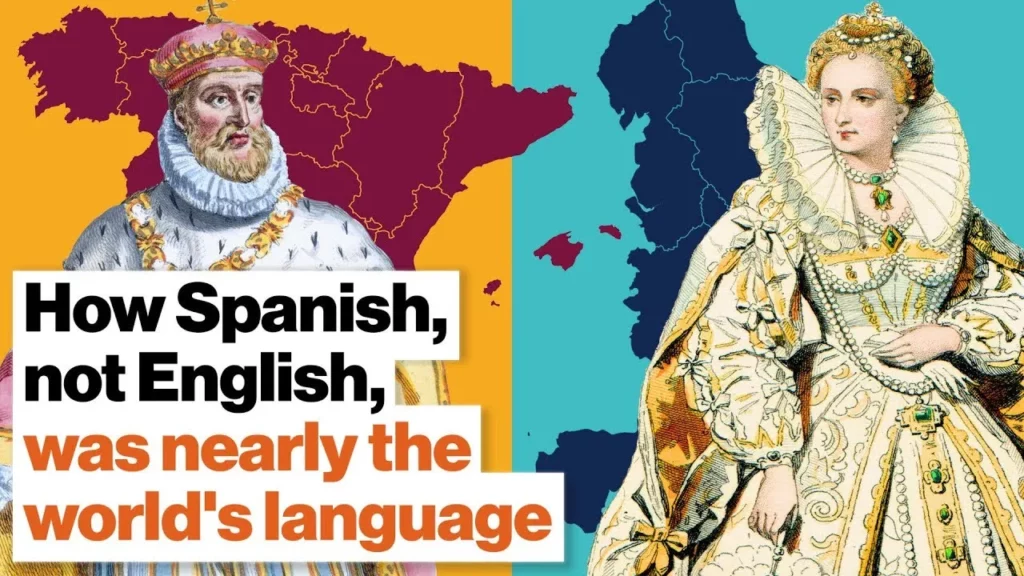
The lesson on the Spanish Armada highlights the pivotal 1588 naval conflict between Spain and England, where Queen Elizabeth I’s strategic defense led to the defeat of the powerful Spanish fleet. This event marked a significant turning point in history, signaling the decline of Spanish dominance and the rise of England as a global power, ultimately influencing future colonization efforts. The lesson underscores the importance of strategic thinking and seizing opportunities in the face of adversity.
AI: Our New Best Friend | Intel’s Lama Nachman

The lesson “The Future of AI: Opportunities and Responsibilities” highlights the transformative impact of artificial intelligence across various fields and positions it as a pivotal force in the fourth wave of the Industrial Revolution. Experts emphasize the importance of collective engagement and ethical considerations in shaping AI’s development, while also addressing potential existential threats and the need for diverse perspectives in the conversation. Ultimately, the lesson calls for collaboration and innovation to ensure that AI serves the greater good and contributes positively to society.
‘How I reversed my unhappiness’ | Tal Ben-Shahar for Big Think
The lesson explores the journey from unhappiness to fulfillment, emphasizing that true happiness often eludes those who chase external success without internal satisfaction. It introduces the concept of “selfulness,” highlighting the interconnectedness of personal happiness and the well-being of others, while providing actionable steps such as investing time in meaningful activities, nurturing relationships, and practicing gratitude. Ultimately, the pursuit of happiness is framed as a skill that requires effort and practice, benefiting both the individual and their community.
The extraordinary effect of mindfulness on depression and anxiety | Daniel Goleman
The lesson highlights the benefits of combining mindfulness with cognitive therapy to effectively manage depression and anxiety. Mindfulness helps individuals reframe their relationship with negative emotions, while cognitive therapy provides tools to challenge and counteract harmful thoughts. Research indicates that this integrated approach can significantly reduce relapse rates in depression and is as effective as medication, making it a valuable alternative for mental health treatment.
Why the world is going crazy—and how to win back our minds | Jamie Wheal

In “The Quest for Meaning in a Rapidly Changing World,” Jamie Wheal explores the challenges of finding meaning in a society where traditional structures are collapsing, leading to a rise in extremism and despair. He proposes a new framework, Meaning 3.0, which integrates the healing aspects of traditional religion with the inclusivity of modern liberalism, emphasizing community, accessibility, and resilience. By utilizing evolutionary tools and fostering connection, individuals can navigate their search for purpose and reshape their collective narrative.
Religion Is Nature’s Antidepressant | Robert Sapolsky

The lesson explores the universality of religion as a fundamental aspect of human culture, highlighting its role in providing comfort, understanding, and community amidst life’s uncertainties. It discusses how nearly 90-95% of people believe in a higher power, suggesting that religiosity is deeply rooted in human nature and linked to various health benefits, including reduced stress and lower rates of depression. The lesson also raises questions about the minority of atheists, prompting further reflection on the diverse ways individuals cope with life’s challenges.
‘Hey Bill Nye, Is Playing the Lottery Rational?’ #TuesdaysWithBill

In a discussion with Uri, Bill Nye examined the rationality of playing the lottery, emphasizing the extremely low odds of winning, which he likened to a dangerous game of Russian roulette. He expressed concern about the lottery’s disproportionate impact on lower-income and less-educated individuals, describing it as a “tax on people who don’t know math.” Ultimately, Nye urged for greater awareness and rational spending, advocating for alternatives to lottery participation that do not exploit vulnerable populations.