
‘Hey Bill Nye, Does the Universe Go on Forever?’ #TuesdaysWithBill
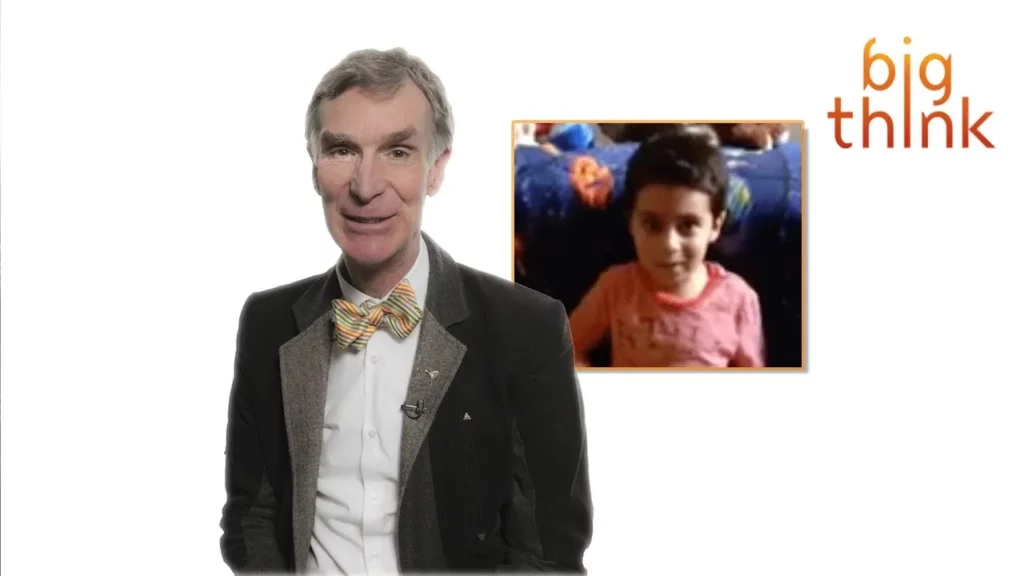
The lesson explores the profound question of whether space is boundless, highlighting the ongoing mystery that has intrigued scientists and philosophers alike. Through discussions between Aaron and Bill Nye, it delves into the observations of the universe, such as the movement of stars and the implications of the Big Bang, while also addressing the philosophical considerations of what lies beyond our observable universe. Ultimately, it emphasizes the role of astrophysicists in unraveling these cosmic mysteries and the potential for future discoveries.
Feel first, think second: is our brain really cut out for the modern world?
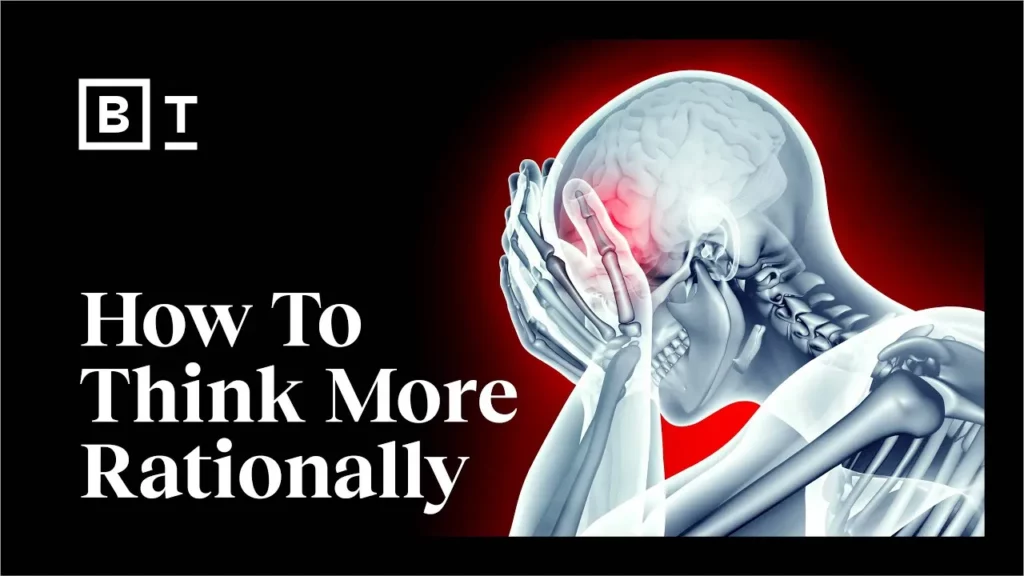
The lesson emphasizes that while the brain is primarily a survival machine, its instinctual responses can hinder rational decision-making in today’s complex world. By understanding cognitive biases and employing strategies like seeking an outsider’s perspective, individuals can improve their reasoning and decision-making processes. Additionally, tools like Bayes’ rule can help evaluate evidence more effectively, fostering a more nuanced understanding of reality and promoting the evolution of rational thought.
Symmetry: How Einstein Changed the Way We See Everything.
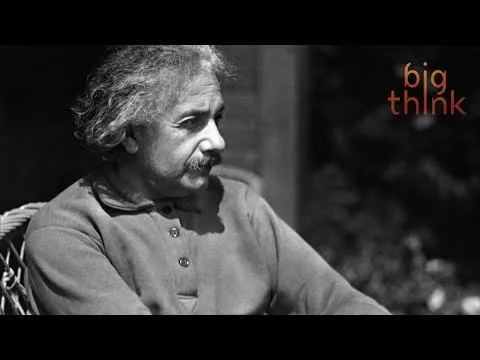
The lesson highlights Albert Einstein’s profound influence on modern physics, particularly through his introduction of symmetry as a fundamental principle. His theories, especially the special and general theories of relativity, established a framework that has shaped contemporary understanding of the universe and guided ongoing research in various fields. The speaker reflects on their personal connection to Einstein’s legacy and emphasizes how his methodologies continue to inspire clarity and innovation in scientific exploration.
Bill Nye: Teaching Evolution? Think Thriller.
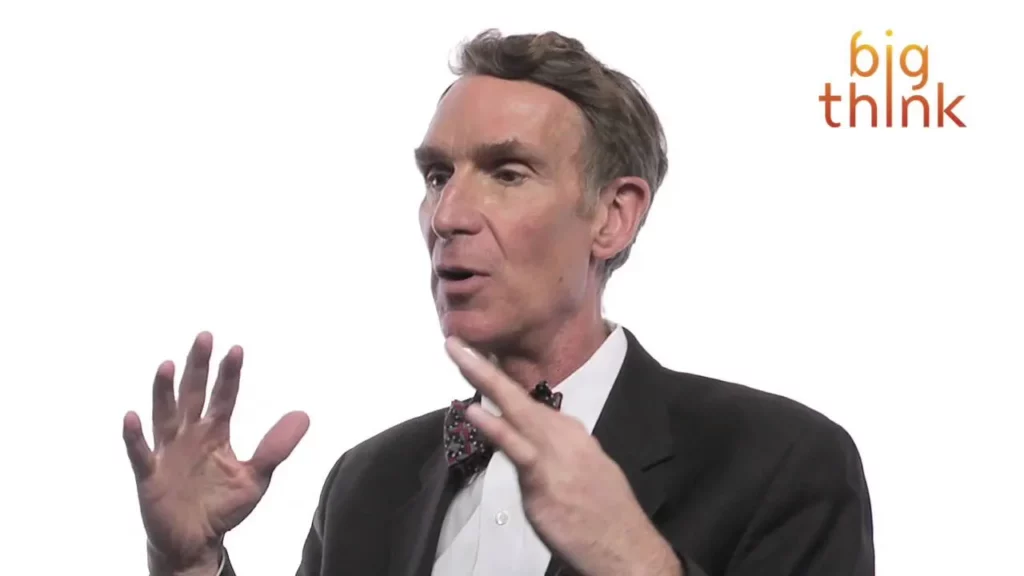
This lesson provides a fun and engaging overview of evolution for Grade 11 students, emphasizing the importance of curiosity and open-mindedness despite potential controversies surrounding the topic. It introduces key concepts through relatable examples, such as dinosaurs and the pioneering work of Darwin and Wallace, while highlighting the vast timescale of evolutionary processes and the bottom-up nature of evolution. By connecting these ideas to modern parallels, the lesson encourages students to appreciate the significance of evolution in understanding the diversity of life.
Is Space Colonization Our Moral Obligation?

The lesson emphasizes the necessity of space exploration for humanity’s long-term survival, highlighting that remaining confined to Earth poses existential risks due to cosmic events. With ambitious plans to establish colonies on Mars and beyond, humanity must embrace its responsibility to protect all life forms while navigating ethical considerations about altering the universe for survival. Ultimately, the quest for survival drives us to explore and adapt, reflecting our resilience in the face of future challenges.
Michael Gazzaniga: Brains Are Automatic, But People Are Free
The lesson explores the evolving understanding of free will through the lens of neuroscience, highlighting how advancements in brain science challenge traditional notions of free will while emphasizing the importance of personal responsibility. It argues that, despite a mechanistic view of brain function, accountability remains essential for social cohesion and interaction. Ultimately, the lesson asserts that while our understanding of human behavior may change, the value of personal responsibility persists as a fundamental aspect of societal functioning.
How to create a breakout moment in your career | Sally Susman

The lesson on “Overcoming Anxieties in Career Transitions” emphasizes the importance of not letting the pursuit of perfection hinder progress when embarking on a new career path. It encourages individuals to view rejection as a learning opportunity, take bold risks, and embrace perseverance, as these elements can lead to significant personal and professional growth. Ultimately, the journey of career transition is about taking actionable steps and remaining resilient in the face of challenges.
The Psychology of Happiness and Feedback | Sheila Heen
The lesson “Understanding Feedback Through Neuroscience” explores how individual neurological differences influence our reactions to feedback, highlighting three key factors: baseline emotional state, swing (the extent feedback affects us), and recovery time (how quickly we return to our baseline). By recognizing these factors, we can better understand our own feedback profiles and those of others, leading to more effective communication and personal growth while mitigating the distortions that can arise from negative feedback. Ultimately, this awareness enables us to navigate feedback constructively, fostering both personal and professional development.
How can we best help students? Cultivate their love for learning. | John Hardin
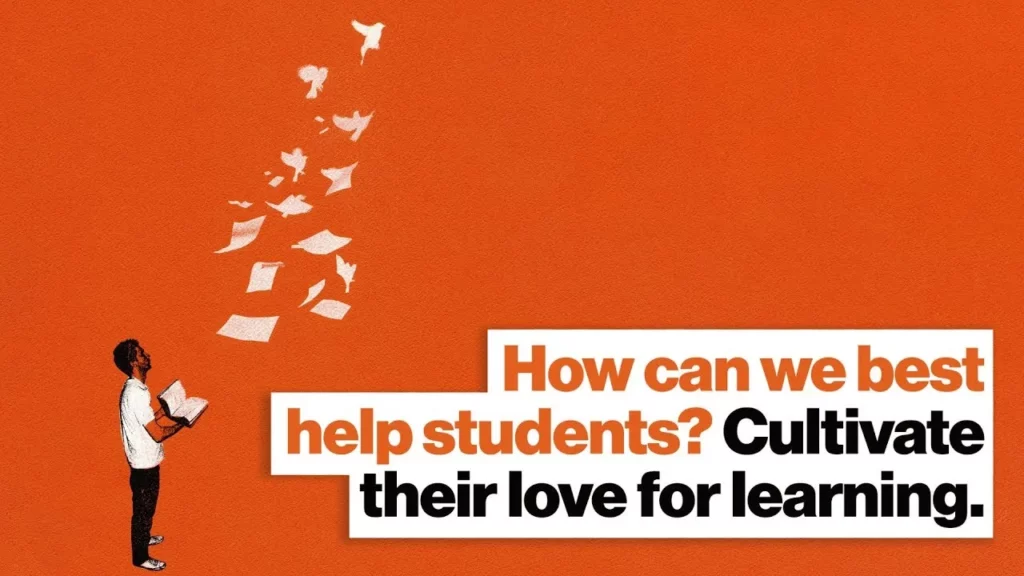
The lesson emphasizes the importance of discovering and nurturing individual passions in the learning process, as illustrated through personal experiences in public speaking and the impact of curiosity on lifelong learning. It highlights the role of parents and educators in fostering a love for learning in children, while also addressing the historical context of education and the challenges posed by a uniform educational system. Ultimately, the lesson advocates for a more personalized approach to education that accommodates diverse interests and abilities to enhance student engagement and success.
How Not to be a Slave to Your Brain: Mindfulness for Mental Health | Mark Epstein

The lesson on mindfulness emphasizes its role in managing emotional responses to life’s challenges, illustrating how it allows individuals to separate events from their reactions. By practicing concentration and awareness meditation, individuals can enhance their emotional regulation and resilience. Furthermore, mindfulness has gained recognition in medical practices for its therapeutic benefits, demonstrating its potential to improve emotional well-being and reshape brain functions related to kindness and emotional management.