
The Internet of Things Meets Big Data, with Chris Curran

The lesson on the Internet of Things (IoT) explores its evolution from a concept of connecting everyday appliances to a transformative tool for businesses, known as the Internet of Business Things. It highlights how IoT enables companies to enhance operational efficiency through continuous data streams generated by sensors, while also addressing the challenges of managing vast amounts of data. Ultimately, the lesson emphasizes the promising future of IoT in driving innovation and improving business processes.
That black hole photo: How event horizons bend time, space, and light | Michelle Thaller
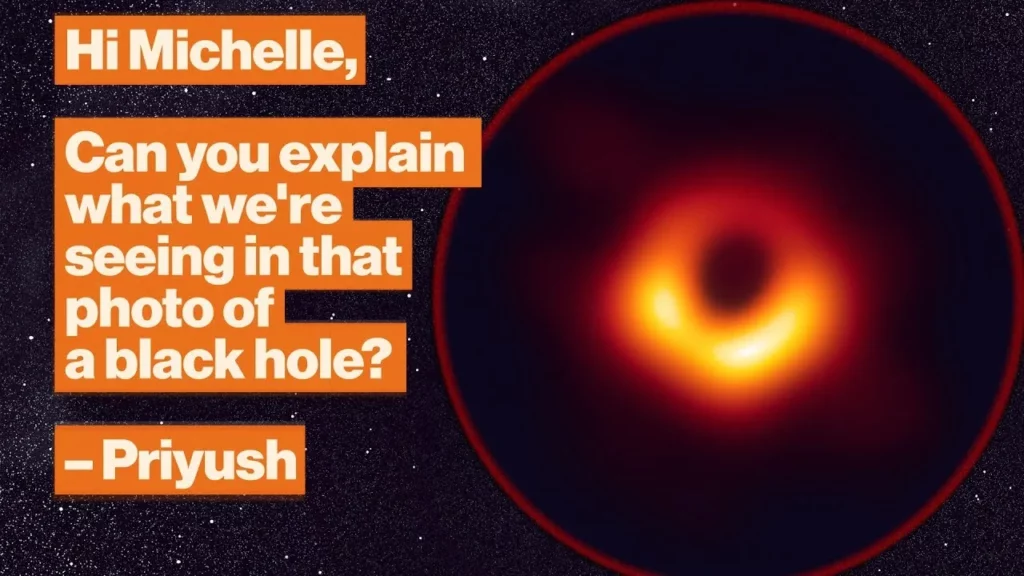
The lesson discusses the groundbreaking achievement of capturing the image of a black hole’s shadow, providing insights into the nature of black holes and their surrounding environments. It explains how black holes, with their immense gravitational pull, distort space and time, allowing us to visualize their shadows, which are slightly larger than their event horizons. This discovery not only enhances our understanding of these cosmic phenomena but also challenges our perceptions of the universe.
What is the ‘self’? The 3 layers of your identity. | Sam Harris, Mark Epstein & more
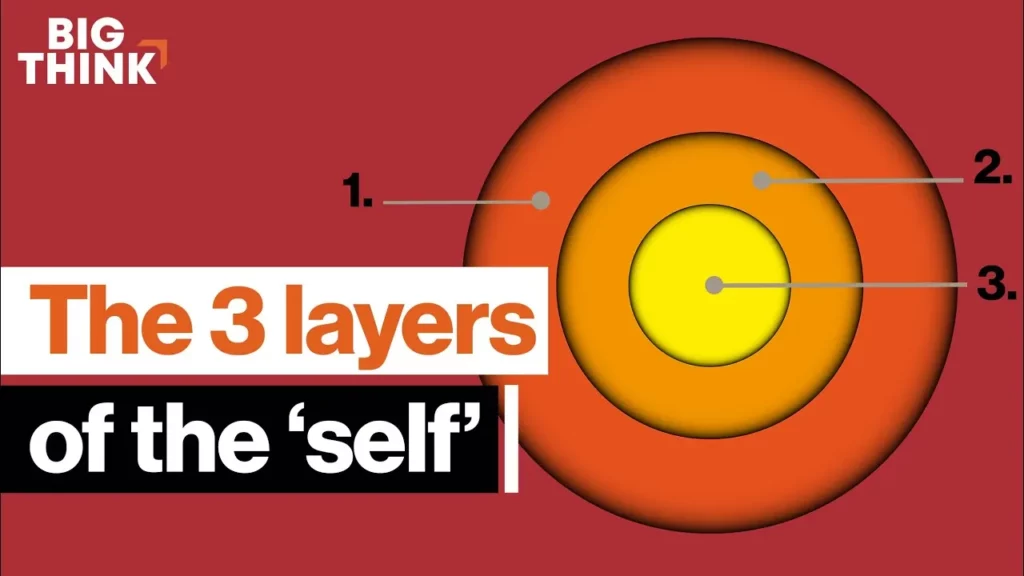
The lesson on “Understanding Self-Identity: Perspectives from East and West” explores the contrasting views of self-identity in Western and Eastern cultures. While Western cultures prioritize individuality and the pressure to express a unique self, Eastern cultures embrace a “flexi-self” that emphasizes duty and interdependence. The lesson also delves into the complexities of ego, consciousness, and the illusion of a fixed identity, encouraging a more fluid understanding of self that can lead to healthier relationships and personal growth.
The great free will debate | Bill Nye, Michio Kaku, Robert Sapolsky, Steven Pinker & more
The lesson explores the intricate debate surrounding free will, drawing insights from various experts in philosophy, biology, and neuroscience. Key perspectives include the evolutionary emergence of free will, the complexity of human decision-making, and the influence of biological and social factors on our choices. Ultimately, the discussion highlights the interplay between our biological makeup and social contexts in shaping our understanding of agency and responsibility, suggesting that as scientific knowledge progresses, so will our comprehension of free will.
What Stephen Hawking would have discovered if he lived longer | NASA’s Michelle Thaller
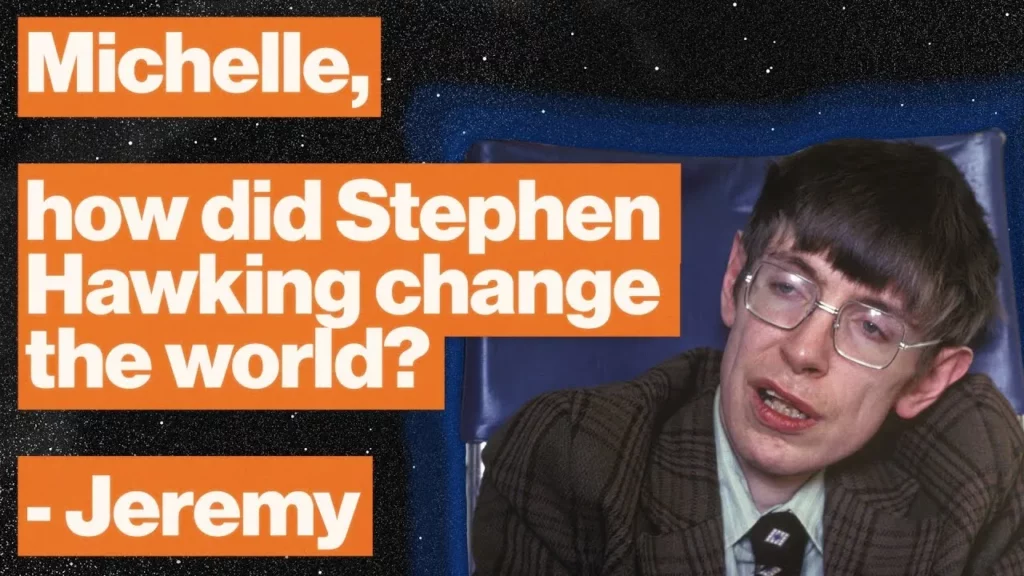
The lesson on Stephen Hawking highlights his profound impact on theoretical physics, particularly through his groundbreaking research on black holes and the nature of the universe. Despite facing significant personal challenges, Hawking’s work not only advanced scientific understanding but also inspired curiosity about the cosmos. His legacy endures as physicists continue to explore the questions he raised, potentially leading to new breakthroughs in our comprehension of the universe.
What we know for certain about the universe—and what we don’t | Michelle Thaller
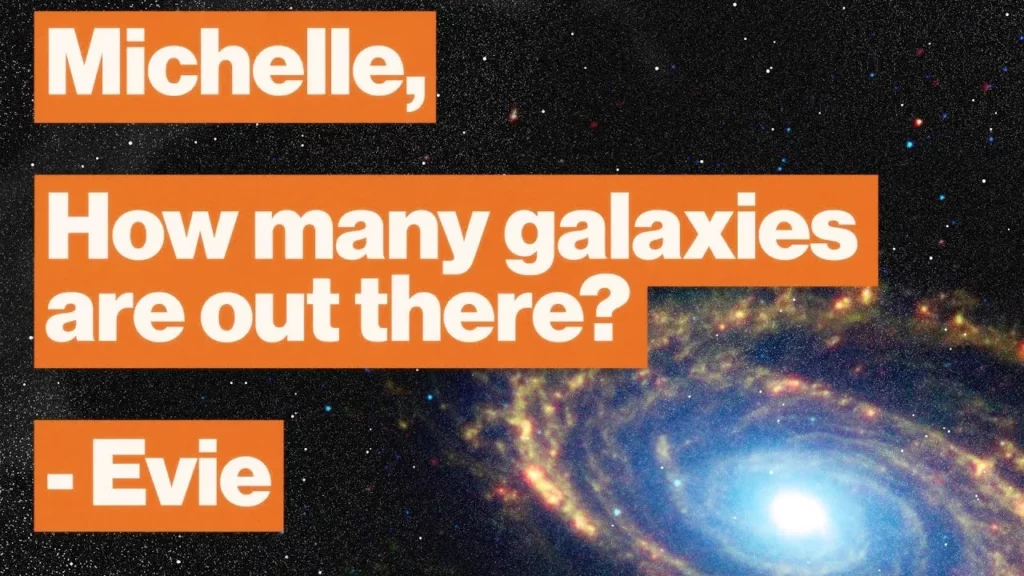
The lesson explores the vastness of galaxies, highlighting that our Milky Way contains about 500 billion stars and spans 100,000 light-years. Utilizing the Hubble Space Telescope, scientists have discovered over 5,000 galaxies in a small section of the sky, suggesting there could be several trillion galaxies in total, though the true number remains unknown due to observational limits. The lesson concludes with the intriguing possibility that the universe may be infinite, leaving the question of how many galaxies exist still unanswered as we continue to explore the cosmos.
Michio Kaku: Space Bubble Baths and the Free Universe
The lesson explores the future of physics through the lens of dark matter and dark energy, building on the monumental discovery of the Higgs boson, which completed the Standard Model. It highlights the role of the Large Hadron Collider in probing new particles and theories, particularly regarding the elusive nature of dark matter and the expansive force of dark energy, which together constitute the majority of the universe’s composition. Ultimately, the lesson emphasizes that understanding these phenomena could lead to groundbreaking discoveries that challenge our fundamental perceptions of reality and existence.
Neil deGrasse Tyson: Your Ego and the Cosmic Perspective Mentor
The lesson on “The Cosmic Perspective: Enlightenment or Terror?” explores how the vastness of the universe can evoke feelings of insignificance or anxiety for some, while offering a sense of wonder and connection for others. It encourages individuals to reassess their self-identity and ego in light of the cosmos, suggesting that recognizing our smallness can lead to personal growth and a deeper appreciation for our place within the universe. Ultimately, embracing this perspective can transform feelings of despair into a sense of belonging and purpose.
John Waters: Coming Out Is So Square
The lesson “Embracing Identity: A Personal Reflection on Being Gay” explores the author’s journey of self-discovery and acceptance of their sexual orientation, emphasizing that coming out is a personal experience rather than a formal process. It challenges the rigidity of labels and stereotypes within the LGBTQ+ community, advocating for diversity and the acceptance of flawed characters in media representation. Ultimately, the author underscores the importance of love and acceptance, arguing that these values should guide both personal relationships and societal attitudes towards LGBTQ+ individuals.
David Linden: The Brain is a ‘Freaking Mess’
The lesson on “The Accidental Nature of Evolution” emphasizes that evolution is not a precise process but rather a series of unexpected outcomes and adaptations. It highlights how our brains, shaped by evolutionary tinkering, exhibit complex systems that are not optimally designed, such as the dual visual and auditory pathways, reflecting a trial-and-error approach rather than an engineered one. Ultimately, this understanding sheds light on the intricacies of human behavior and the inherent imperfections in evolutionary design.