
Robert Steven Kaplan: The Importance of Building Strong Relationships

The lesson emphasizes the critical role of relationships in achieving personal and professional potential, highlighting that self-disclosure, inquiry, and seeking advice are essential practices for building trust and understanding. Despite the abundance of communication tools, many individuals still feel isolated, which can hinder their growth. By prioritizing meaningful connections, individuals can create a supportive network that fosters resilience and encourages personal development.
Game theory: Two key principles for winning negotiations | Kevin Zollman

The lesson on “Understanding Negotiation Through Game Theory” emphasizes the strategic insights that game theory provides for enhancing negotiation skills. Key takeaways include the importance of patience in negotiations, which can prevent hasty decisions and lead to better outcomes, and the effective use of take-it-or-leave-it offers to assert negotiating power. By applying these principles, individuals can navigate negotiations more confidently and achieve more favorable results.
Are You Dating a Psychopath?

This lesson focuses on understanding the traits of psychopaths in relationships, highlighting characteristics such as emotional manipulation, narcissism, and controlling behavior. It provides strategies for identifying potential psychopathic behavior, including observing actions over words, seeking outside opinions, avoiding complicity in deceit, and educating oneself about psychopathy. Ultimately, the lesson emphasizes the importance of recognizing these signs to protect one’s emotional well-being and make informed decisions about the relationship.
Daniel Kahneman: The Trouble with Confidence

The lesson explores the paradox of overconfidence in society, highlighting its dual role in leadership and decision-making. While overconfidence can enhance a leader’s appeal and drive societal progress through optimism, it often leads to poor decision-making and conflict due to an underestimation of risks. Balancing these biases is essential for leaders and entrepreneurs to navigate uncertainty effectively.
Einstein’s Persistence, Not Genius, Is the Reason We Know His Name | David Bodanis
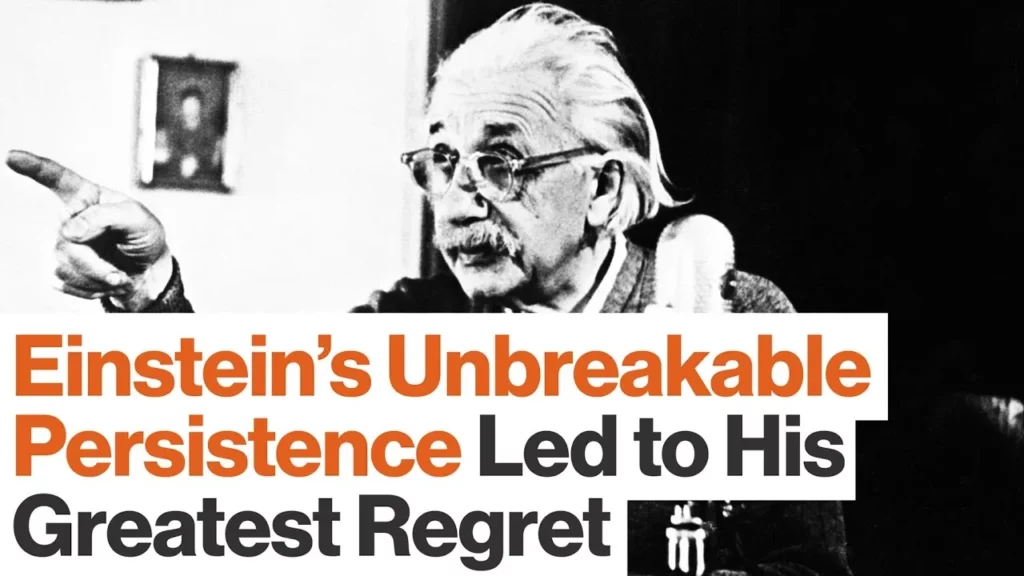
The lesson on Albert Einstein’s journey illustrates his transformation from a struggling patent clerk to a renowned scientific icon, emphasizing his resilience and relentless pursuit of knowledge despite numerous challenges. Key milestones include his groundbreaking work in 1905, which revolutionized physics, and his commitment to humanitarian causes, particularly during the rise of the Nazi regime. Ultimately, Einstein’s legacy serves as a powerful reminder of the significant impact one individual can have on both science and society.
How to Think Like a Philosopher, with Daniel Dennett Mentor
Intuition pumps, or thought experiments, are narrative tools used in philosophy to guide individuals toward specific insights or conclusions, much like fables. They serve as persuasive devices to clarify complex issues and provoke moral reasoning, but it’s essential to critically engage with them by examining their underlying mechanisms to avoid potential flaws in reasoning. By exploring these thought experiments thoroughly, one can enhance their understanding of philosophical concepts and navigate the complexities of moral dilemmas.
A Lesson On the Psychology of Meetings from SNL and Google, with Charles Duhigg

Google’s research into team dynamics revealed that the effectiveness of a team is less about the individual personalities within it and more about how members interact with one another. Key factors such as quality conversational turn-taking and high social sensitivity contribute significantly to team productivity, fostering an environment of psychological safety where all members feel empowered to share their ideas. Ultimately, the study underscores the importance of open communication and emotional awareness in creating successful teams.
How overparenting backfired on Americans | Jonathan Haidt

In the 1990s, American parenting underwent a significant transformation, marked by increased parental oversight and a decline in children’s independence due to societal fears, particularly regarding child safety. This shift has led to a generation of young adults who often struggle with self-reliance and conflict resolution, as they have been shielded from experiences that foster independence. Experts suggest that encouraging unstructured play and managing screen time can help restore childhood freedom and prepare children for adulthood.
Mind Hack: Combat Anxiety with This Breathing Technique

The lesson introduces the “power breath” technique, which involves exhaling for twice as long as inhaling to promote relaxation and calm the nervous system. This method helps transition the body from a stressed “fight-or-flight” state to a more relaxed “rest-and-digest” mode, making it effective for managing anxiety, panic attacks, and muscle tension. By mimicking the natural breathing patterns of a relaxed person, the power breath can significantly lower stress levels and enhance overall well-being.
Confirmation Bias: Your Brain is So Judgmental | Heidi Grant Halvorson

The lesson on “Understanding Biases in Perception” highlights how our perceptions of others are often shaped by biases, particularly confirmation bias, which leads us to favor information that aligns with our initial impressions. It emphasizes the significance of first impressions and introduces two strategies— the “tortoise” method, which involves consistent positive behavior over time, and the “hare” method, which focuses on fostering collaboration to encourage reevaluation of perceptions. By recognizing these biases and employing these strategies, we can enhance our social interactions and improve how we are perceived by others.