
Crazy Wisdom: Daniel Dennett on Reductio ad Absurdum
The lesson on reductio ad absurdum highlights its significance as a powerful argumentative technique in philosophy, where one demonstrates the absurdity of an assumption by leading it to a contradictory conclusion. Through examples like Galileo’s argument on gravity, the lesson illustrates how this method effectively challenges flawed reasoning and clarifies complex ideas, ultimately enhancing logical discourse. Understanding this tool encourages deeper engagement with philosophical methods and strengthens the foundations of rational debate.
Berkeley professor explains gender theory | Judith Butler

In her exploration of gender theory, Judith Butler emphasizes the fluidity of gender as a construct shaped by personal beliefs, cultural norms, and societal influences. She distinguishes between sex, assigned at birth, and gender, which encompasses a broader spectrum of identity influenced by historical and social contexts. Butler advocates for a deeper understanding of gender that intersects with issues of democracy and justice, highlighting the ongoing struggle for inclusivity and the recognition of diverse gender expressions.
Bill Nye: We May Discover Life on Europa

The lesson explores the potential for discovering extraterrestrial life on Europa, one of Jupiter’s moons, which is believed to harbor more seawater than Earth beneath its thick icy crust. The Planetary Society advocates for innovative exploration methods, such as flying through Europa’s geysers with a spacecraft, to gather data without the high costs of landing and drilling. Collaborative efforts among global space agencies are essential for this mission, which could lead to groundbreaking discoveries about life beyond Earth and significantly enhance our understanding of the universe.
Sam Harris: Is there certainty in science?

The lesson explores the concept of “functional certainty,” highlighting that while certainty is often pursued, it can be misleading in both science and daily life. Certainty exists on a spectrum, with many individuals projecting a false sense of assurance about their beliefs, which can significantly influence societal policies and behaviors. Understanding the complexities of certainty is essential for effectively navigating scientific inquiry and addressing broader societal issues.
Lawrence Krauss: Quantum Computing Explained
This lesson explores the fundamental differences between classical and quantum computers, highlighting how classical computers use binary bits to perform calculations, while quantum computers leverage the principles of superposition to process multiple possibilities simultaneously. Despite their immense potential to revolutionize computing, quantum computers face significant challenges, particularly in maintaining quantum coherence. The future of quantum computing remains uncertain, but ongoing research may lead to transformative advancements in technology.
How to remember everything you read | Shane Parrish
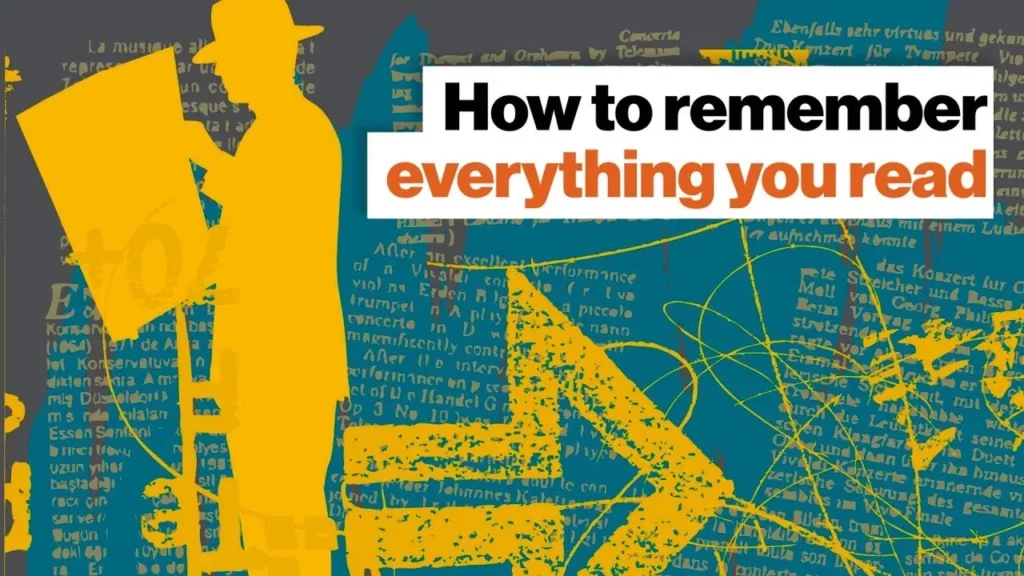
The lesson highlights the advantages of reading physical books over e-readers, emphasizing the tangible experience that fosters a stronger connection to the content. It discusses how physical books facilitate active engagement through note-taking and annotation, which enhances comprehension and retention. Additionally, techniques like the “blank sheet” method further support visual learning and reinforce knowledge, making physical books a valuable choice for readers seeking a deeper understanding of their material.
Bill Nye: Why We Explore
The lesson emphasizes the vital role of exploration in fostering personal and societal growth, highlighting its importance in driving economic progress and intellectual achievements. It warns against the stagnation that can occur when we cease to explore, advocating for a commitment to curiosity and discovery, both on Earth and in space. Ultimately, embracing the uncertainties of exploration enriches our understanding of the universe and our place within it.
What is propaganda? | Jason Stanley | Explain It Like I’m Smart by Big Think

The lesson on propaganda explores its dual nature as a tool for both manipulation and positive change, highlighting how it influences public perception by exploiting emotional associations with language. Using the Iraq War as a case study, it illustrates how propaganda can frame narratives to garner support, while also acknowledging its role in social movements that challenge injustices. Ultimately, the lesson emphasizes the importance of critical thinking and diverse perspectives in fostering a healthy democracy.
‘Hey Bill Nye, Is Time Real?’ #TuesdaysWithBill

The lesson explores the dual nature of time as both a subjective experience and an objective measurement, highlighting insights from Bill Nye. While time can be precisely quantified in scientific contexts, personal perceptions of time can vary greatly based on individual experiences. The discussion also touches on philosophical questions about knowledge and existence, emphasizing that our understanding of time is continually evolving as new discoveries are made.
Brain Training to Beat Procrastination with the World’s Easiest Learning Technique | Barbara Oakley

The Pomodoro Technique, developed by Francesco Cirillo, is an effective method for enhancing learning and productivity by breaking work into focused intervals of 25 minutes, followed by short breaks. This approach helps eliminate distractions and allows individuals to push through initial discomfort associated with challenging tasks, ultimately fostering a state of flow and improving engagement. By utilizing this technique, students and professionals can optimize their time, reduce procrastination, and enhance their overall focus.