
Mental Time Travel: Your Brain Is Literally a Time Machine | Dean Buonamano / Big Think
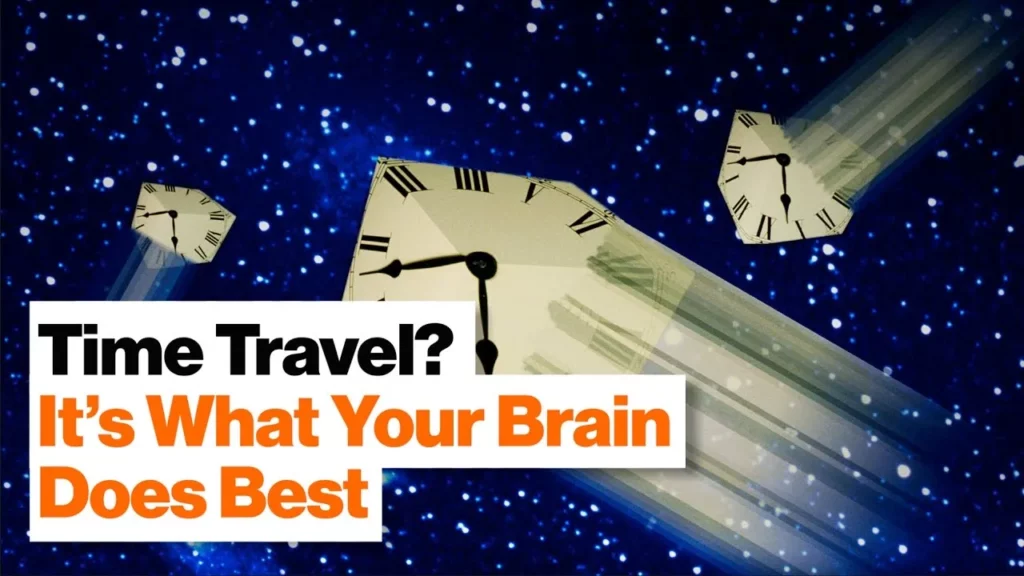
The lesson explores the complexities of consciousness within neuroscience, highlighting the unique challenge of studying an organ that is also responsible for conducting research on itself. It emphasizes the evolutionary significance of consciousness, particularly through the concept of “mental time travel,” which allows humans to reflect on past experiences and plan for the future, ultimately shaping our ability to engage in complex activities like tool-making and agriculture. Understanding consciousness not only deepens our scientific knowledge but also enriches our comprehension of human identity and existence.
Steven Pinker: On Free Will

The lesson explores the concept of free will from a neurological perspective, suggesting that human behavior is primarily driven by the complex processes of the brain rather than an independent metaphysical force. It distinguishes between involuntary reflexes and voluntary actions, emphasizing that even our most deliberate choices are influenced by brain activity and cognitive processes, challenging traditional notions of free will. Ultimately, the lesson highlights the importance of understanding the brain’s role in decision-making to foster informed discussions about the nature of free will.
Michio Kaku: 3 mind-blowing predictions about the future
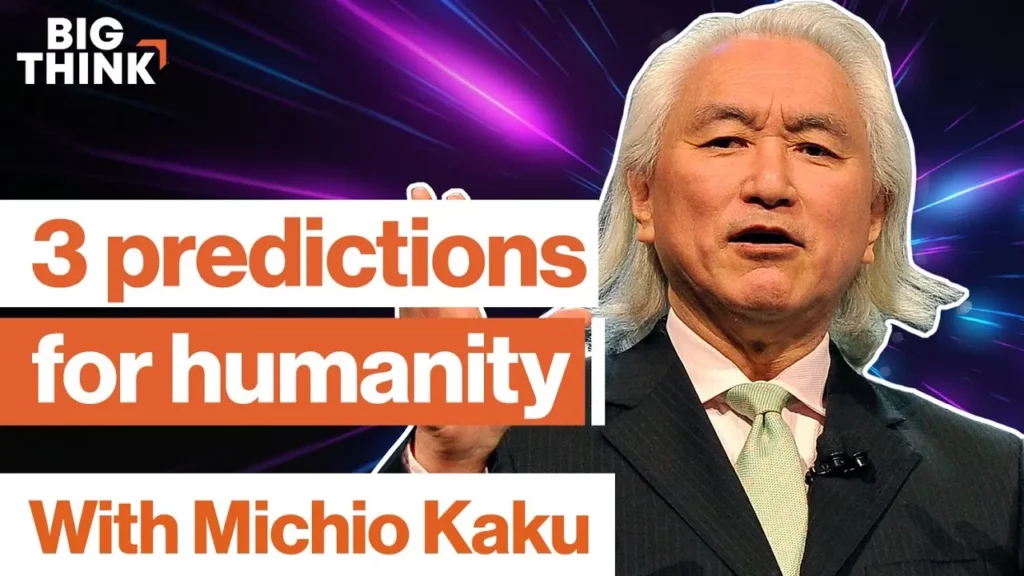
The lesson discusses the emergence of a new golden era in space exploration, driven by advancements in technology and visionary leaders like Elon Musk and Jeff Bezos. It emphasizes the importance of becoming a multi-planet species for humanity’s survival, the potential of self-replicating robots for Mars colonization, and the transformative impact of innovations such as brain-computer interfaces and intelligent health monitoring on our lives. Ultimately, it highlights the vast possibilities for exploration and technological progress that lie ahead.
Robert Greene: Achieving Mastery Mentor
The lesson emphasizes the enduring relevance of mastery in a rapidly advancing, distraction-filled modern world. Despite the challenges posed by constant information flow, achieving deep understanding and expertise requires discipline, focus, and the ability to integrate knowledge across disciplines. By leveraging modern resources while committing to long-term practice, individuals can cultivate mastery that fosters innovation and deep learning.
Noam Chomsky on Love: ‘Life’s Empty Without It’
The lesson “The Unseen Heroes: Stories of Resilience and Humanity” emphasizes the profound impact of unsung heroes who demonstrate resilience and compassion in the face of adversity. Through personal encounters with impoverished peasants in southern Colombia and reflections on the civil rights movement, it highlights how individuals, despite their struggles, choose to support and uplift others, showcasing the strength of the human spirit. Ultimately, the lesson calls for recognition and appreciation of these quiet acts of heroism that inspire us to foster kindness and solidarity in our own lives.
The one factor causing depression and anxiety in the workplace | Johann Hari

The lesson explores the causes of depression and anxiety, particularly focusing on the impact of workplace dynamics and the importance of psychological needs. Research indicates that a lack of control in work environments contributes significantly to mental health issues, while fulfilling psychological needs—such as belonging and purpose—can alleviate distress. The lesson advocates for rethinking workplace structures to empower individuals, suggesting that collaborative models can enhance job satisfaction and improve overall mental well-being.
Inside the brains of psychopaths | Kevin Dutton, James Fallon, Michael Stone

The lesson on psychopathy explores the unique emotional landscape and behavioral traits of psychopaths, highlighting their ability to manipulate others while often lacking deep emotional engagement. It discusses the neural mechanisms underlying their decision-making, particularly in moral dilemmas, where psychopaths show a distinct lack of emotional response compared to non-psychopaths. Additionally, the lesson acknowledges both the negative and positive traits of psychopaths, emphasizing the complex interplay of genetics and environment in their development and behavior.
Time: Do the past, present, and future exist all at once?

The lesson explores the intricate nature of time, examining whether it is a real phenomenon or merely an illusion, as discussed by various thinkers. It highlights the complexities of time as both a subjective experience and an objective measure, delves into concepts like space-time and the block universe theory, and contrasts philosophical perspectives such as presentism and eternalism. Ultimately, the lesson underscores the ongoing debate surrounding time’s true essence and its profound implications for our understanding of the universe.
Antifragility: How to use suffering to get stronger | Jonathan Haidt & more

The lesson “Embracing Change: The Power of Resilience” emphasizes that personal and shared suffering can catalyze meaningful change, highlighting the importance of resilience in overcoming life’s challenges. It encourages individuals to accept life’s fragility and reframe their understanding of happiness, suggesting that true contentment comes from acceptance rather than the pursuit of constant positivity. By cultivating optimism, resourcefulness, and the ability to let go of past burdens, we can develop resilience as a skill, empowering us to navigate adversity with strength and grace.
Kevin Dutton: A Psychological Analysis of James Bond
The lesson explores the portrayal of psychopathy in the character of James Bond, revealing that he embodies traits associated with functional psychopathy, such as ruthlessness, fearlessness, and emotional detachment. These characteristics, while often viewed negatively, are depicted as beneficial in high-stakes professions like espionage and Special Forces, where decisiveness and the ability to act without moral hesitation are crucial for societal protection. Ultimately, the analysis highlights the complex role of such traits in both fictional narratives and real-world contexts.